Coventry Had 33% Possession and Won 4–1 — Lampard's Risk Paid Off
GOATIFYCoventry City had only 33% of the ball against Newcastle United on Monday night. They were outshot 19–9, and the visitors finished with the higher expected-goals total. The scoreline still read Coventry 4, Newcastle 1. For Frank Lampard, that contrast was the point: his newly promoted team did not need to control every phase to control the moments that mattered.
Jack Rudoni opened the scoring from the penalty spot after six minutes, Sidiki Cherif struck shortly after the interval, and substitutes Ellis Simms and Stephen Mfuni finished a remarkable evening after Sven Botman had briefly brought Newcastle back into the contest. It was Coventry's first home Premier League win in 25 years and their second league victory in succession, a sharp change for a side that began its return to the top flight with four scoreless defeats.
The result lifted Coventry to 14th and left Newcastle examining another 4–1 away defeat. The deeper story was about two opposing approaches to risk. Newcastle had plenty of possession and opportunities; Coventry had a willingness to leave attackers high, trust desperate defending and attack the space that decision created.
Rudoni's sixth-minute penalty ended a 25-year home wait

For a club returning to the Premier League after a quarter of a century, the first home goal carried a weight beyond the scoreboard. Coventry's previous home top-flight goal dated back to John Hartson in 2001. Four goalless league defeats at the start of this season had made the wait feel even longer. The breakthrough arrived through a simple, aggressive action: force the goalkeeper to make a decision under pressure.
Newcastle goalkeeper Lukas Hornicek hesitated while coming to deal with a loose ball after an attacking move involving Ephron Mason-Clark. Cherif reached the situation first and was brought down. Rudoni converted the resulting sixth-minute penalty, immediately giving Coventry the advantage and a stadium full of supporters permission to believe that the long return to the division might finally have a home celebration attached to it.
Rudoni's reaction also brought a personal dimension. He revealed a message wishing his grandmother well as she recovered in hospital. That detail did not change the tactics, but it explained the emotional charge around the opening goal. Coventry needed confidence after the start they had endured; an early lead against an established Premier League opponent was the most direct way to get it.
It would be misleading to say the penalty made everything comfortable. Newcastle had long spells in which it moved the ball through midfield and forced Coventry backward. The hosts were not suddenly dominant. What changed was the game state: Newcastle had to pursue an equaliser, and Coventry could choose when to commit bodies forward rather than manufacture constant possession. Lampard's side had an advantage it could defend with energy and exploit with speed.
There is a difference between allowing possession and surrendering initiative. Coventry were often pushed toward their own box, but they retained the capacity to threaten the spaces Newcastle left behind. That tension shaped the entire match. The opener was not a promise of an easy night; it gave Lampard's players a platform from which their most dangerous strengths could matter.

Cherif supplied the finish; Bobby Thomas protected the platform
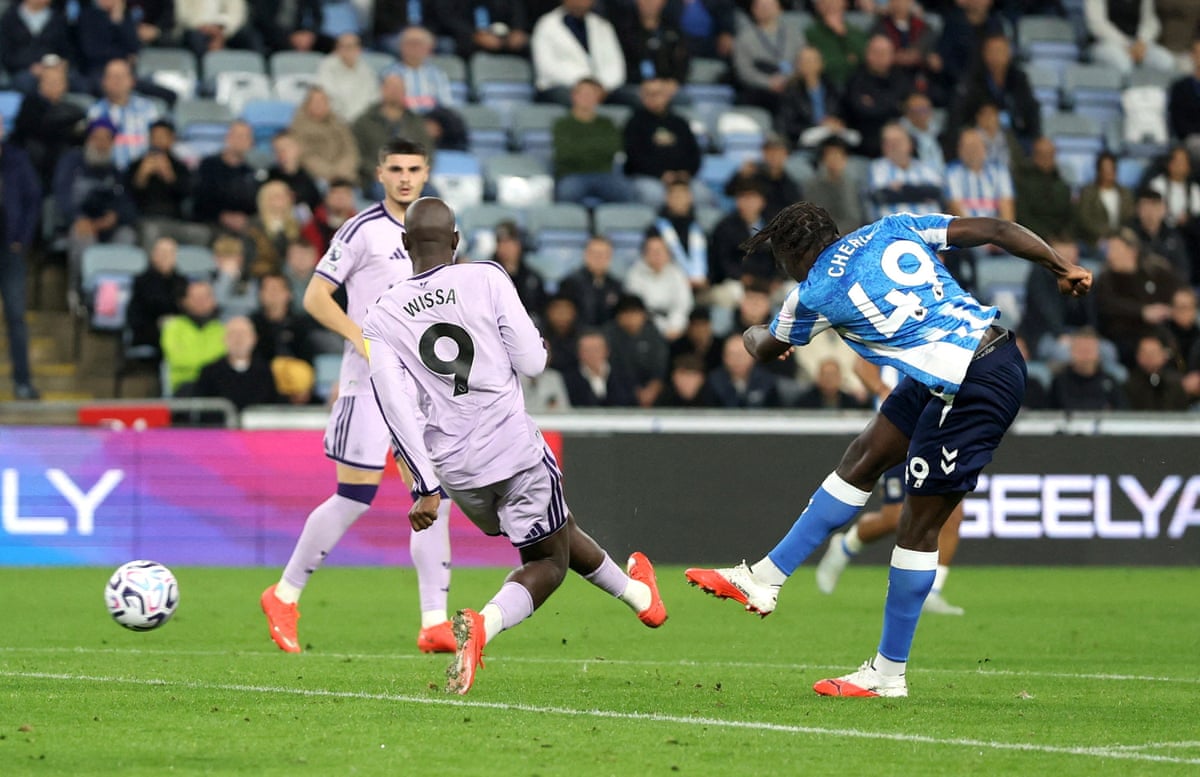
The second goal was the headline moment for 19-year-old Cherif, but his first Premier League start was important long before he scored. With Taiwo Awoniyi suspended, Lampard trusted the summer arrival to stretch Newcastle and attack loose space. The youngster won the penalty, gave defenders a reason to turn toward their own goal and then demonstrated that the gamble was not simply about raw running power.
Three minutes after half-time, a long throw was only partially cleared. Cherif reacted quickly, turned and drove a low shot from outside the penalty area through traffic and beyond Hornicek. Coventry led 2–0. The strike mattered because it arrived after Newcastle had enjoyed enough of the first half to feel it should have been level. A team can survive being second-best in possession when it repeatedly wins the next decisive exchange.
Yet Cherif was not flawless. He later missed a close-range opportunity that might have ended the contest earlier. The miss became dangerous when Sven Botman strode forward and struck an outstanding long-range goal in the 70th minute to reduce the deficit. For a few minutes, Newcastle appeared capable of turning its territorial advantage into a comeback. That swing is exactly why Coventry's defensive work deserves as much attention as the finishers.
Bobby Thomas had already produced two major interventions before the break. He cleared one dangerous effort near the goal line after a Newcastle move involving Jacob Murphy and Harvey Barnes, then recovered to deny Matias Fernandez-Pardo after the attacker rounded goalkeeper Carl Rushworth. Those were not glamorous contributions, but they kept the hosts ahead while Newcastle was creating its best chances.
The statistical split underlines the story. Newcastle recorded 67% possession and 19 shots to Coventry's nine; both teams registered six shots on target. Newcastle's expected-goals total was also higher, approximately 2.26 to 1.70. Coventry's edge was not a monopoly on opportunities. It was the ability to defend the most dangerous moments and finish a much greater share of its own. For Newcastle, the numbers should be a warning against using possession as a substitute for control.
That combination of emergency defending and sharp finishing is difficult to sustain for a full season. But it can change a team's confidence quickly. Coventry now have tangible evidence that their best attacking players can hurt Premier League opposition, even on nights when the other side sees far more of the ball.
Lampard left players high — and his substitutes punished Newcastle
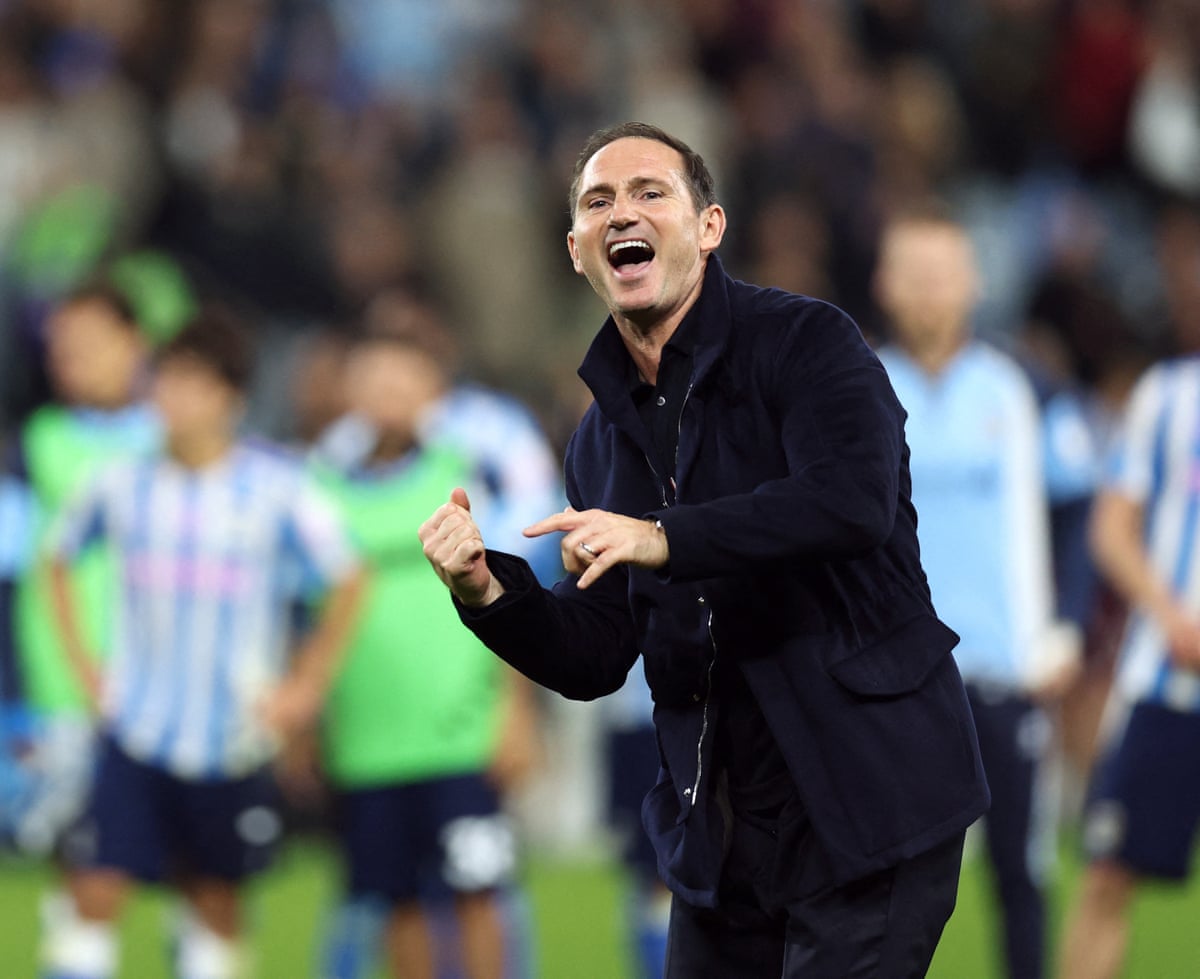
The boldest part of Coventry's approach came when it might have been easiest to retreat. After Botman's goal made it 2–1, Lampard's players sometimes kept two or three attackers near the halfway line rather than drawing everyone behind the ball. That left the defence exposed to numbers and demanded disciplined covering runs, but it also stopped Newcastle from advancing its entire team without consequence.
Keeping forward outlets is a form of defending when the opposition must account for them. Newcastle could not treat every attack as a free opportunity to send extra players into the box; Coventry's remaining forwards were a constant threat to turn a clearance into a transition. It was an unusually brave choice for a promoted team protecting a narrow lead, and it made the final 20 minutes feel like an exchange of chances rather than a siege.
Lampard's bench then settled the match. Ellis Simms replaced Cherif in the 78th minute and scored in the 81st, meeting the opportunity created when Brandon Thomas-Asante recovered possession near the area. The deflected finish restored a two-goal cushion and came with Simms' first touch. Five minutes later, 18-year-old Stephen Mfuni, on loan from Manchester City, moved into the penalty area and finished left-footed for his first senior goal. Two substitutes had transformed a nervy 2–1 lead into a 4–1 victory.
Those late goals should not hide Newcastle's own problems. Matthias Jaissle's team had enough possession to create pressure and enough openings to change the contest, but defensive errors and missed chances made that pressure ineffective. A second successive 4–1 away loss is not just an unfortunate scoreline; it raises questions about the team's ability to respond when the match becomes stretched and the opposition refuses to retreat.
For Coventry, the next challenge is repeatability. A counterattacking plan built on brave positioning, last-ditch defending and clinical finishing can produce a memorable night, but it will not deliver four goals every week. Lampard needs the same willingness to run and compete without requiring Thomas to rescue two near-certain chances or the substitutes to finish everything they touch. Coventry visit Tottenham next Monday seeking a third straight win, while Newcastle host Aston Villa on Saturday with their defensive response under scrutiny.
The bigger takeaway is that Lampard did not ask a promoted side to play as though it had Newcastle's resources. He asked it to understand its own strengths and accept the risks attached to them. That clarity can be more valuable than sterile control, especially when confidence has been damaged by a difficult opening month.

Coventry's first home Premier League win since 2001 was not an exhibition of uninterrupted dominance. It was a statement about resilience and the value of making the important moments count. Rudoni provided the opening, Cherif gave the attack a cutting edge, Thomas protected the lead and Lampard's substitutes finished the job.
Newcastle can point to the ball, the shot count and the chances it created. Those numbers matter, but they do not erase four goals conceded or the way Coventry found room to strike even while defending deep. For the Sky Blues, 33% possession was enough because their decisions without the ball made their attacks more dangerous. The next few matches will reveal whether this was a one-night surge or the start of a survival formula.