Hamilton and Verstappen Agree Singapore Needs a Fix — F1's Sprint Problem Runs Deeper
GOATIFYLewis Hamilton and Max Verstappen rarely need to agree on a racing issue to make headlines. This time, both emerged from Formula 1's Singapore weekend with the same basic complaint: Marina Bay is a spectacular place to drive, but it gives drivers too few realistic opportunities to pass. Hamilton wants a longer straight. Verstappen thinks a proper hairpin could also help. And Charles Leclerc has questioned whether a street circuit is the right place for a Sprint at all.
Their objections matter because Singapore had just staged its first Sprint under the 2026 regulations. Heavy rain helped make the short race chaotic, yet the drivers believe the entertainment came more from the conditions than from a layout that consistently rewards overtaking. Verstappen won both the Sprint and Sunday's Grand Prix; Hamilton finished second in the Sprint but slipped to sixth in the main race as his tyres faded. The result is a revealing contrast: a memorable weekend can still expose structural problems with the racing.
Hamilton's Longer-Straight Idea Targets Singapore's Biggest Weakness
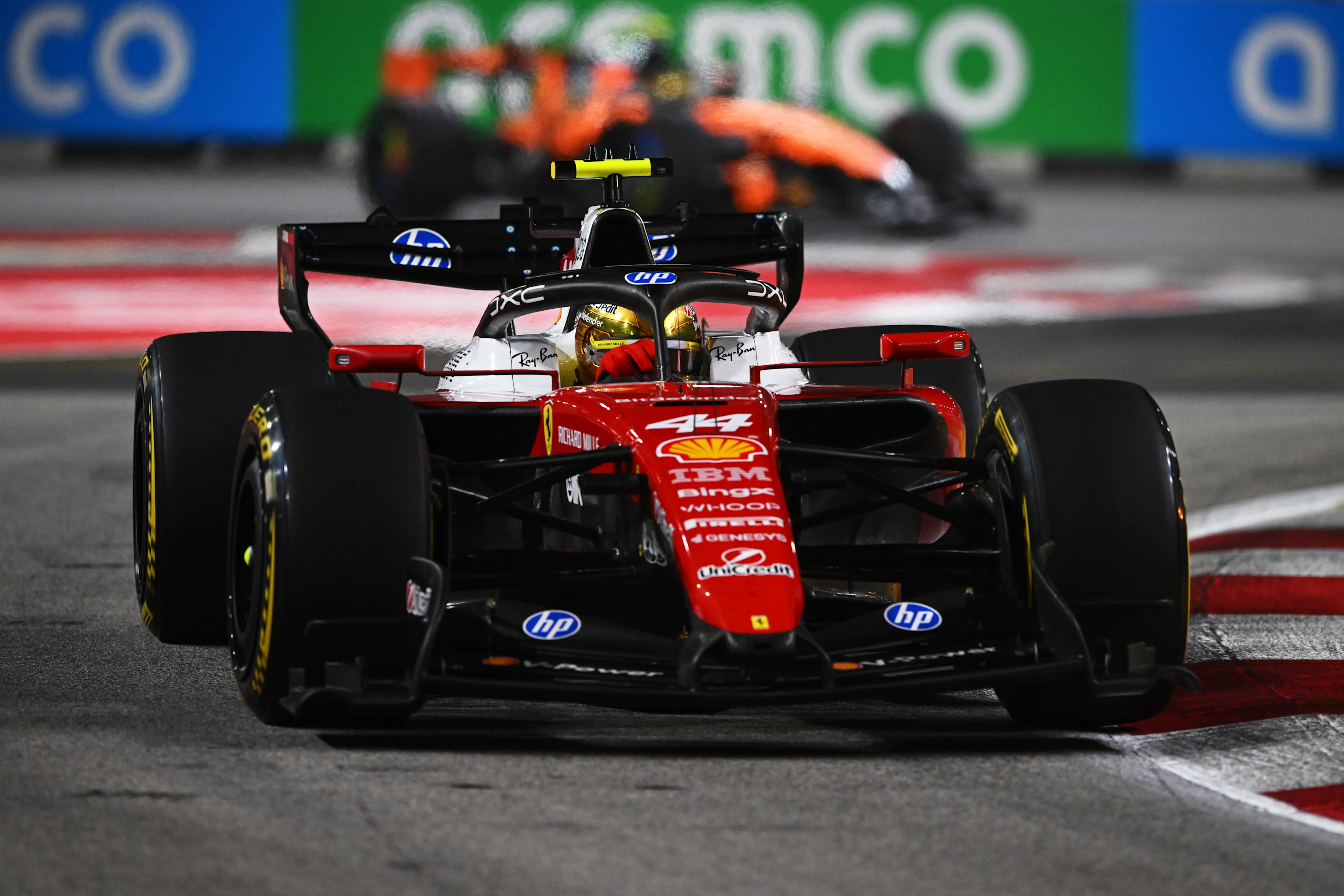
Hamilton was not asking Formula 1 to abandon Singapore's character. He praised the challenge of a qualifying lap and the appeal of racing beneath the city lights. His argument was narrower: a track can be rewarding for the person behind the wheel while leaving the car behind with almost nowhere to make a serious move. In Singapore, he sees one main opportunity to get close enough to attack, which makes track position and tyre strategy unusually important.
His proposed remedy is to create a longer straight, giving the following driver more time to build a speed advantage before braking. That sounds simple, but Marina Bay is a street circuit shaped by public roads, buildings, barriers and local infrastructure. Moving a corner or lengthening a straight is not the same as adjusting a permanent circuit with large run-off areas. A workable redesign would have to preserve safety, access and the identity that makes the night race distinctive.
Hamilton also identified the uneven surface around Turn 16 as an area worth examining. Sparks from cars negotiating the crest are dramatic television, but a rough or awkward section can complicate braking and positioning when drivers are already struggling to follow another car closely. Improving the surface would not automatically create an overtaking zone; it could, however, make the lap less compromised without stripping away the technical challenge.
The 2026 Sprint illustrated why he is pressing the issue. Rain arrived before the race and changed the balance of risk. The wet conditions helped produce incidents and uncertainty, but a wet race is not proof that the circuit would have delivered the same spectacle in ordinary dry conditions. Hamilton's concern was that a dry Sprint could have become a procession of tyre conservation and cars unable to get close enough to challenge.
His own Grand Prix told a related story. Hamilton started third but lost places late as his long final stint left him vulnerable to Kimi Antonelli, Lando Norris and Oscar Piastri. The late passes showed that overtaking is possible when the tyre-performance difference is large enough. They did not establish that drivers on comparable tyres and pace have a reliable route through the field. That distinction is the heart of the criticism: Formula 1 should not need unusually large performance gaps or sudden weather changes to create racing.

Verstappen Says a New Corner Alone Won't Fix Overtake Mode
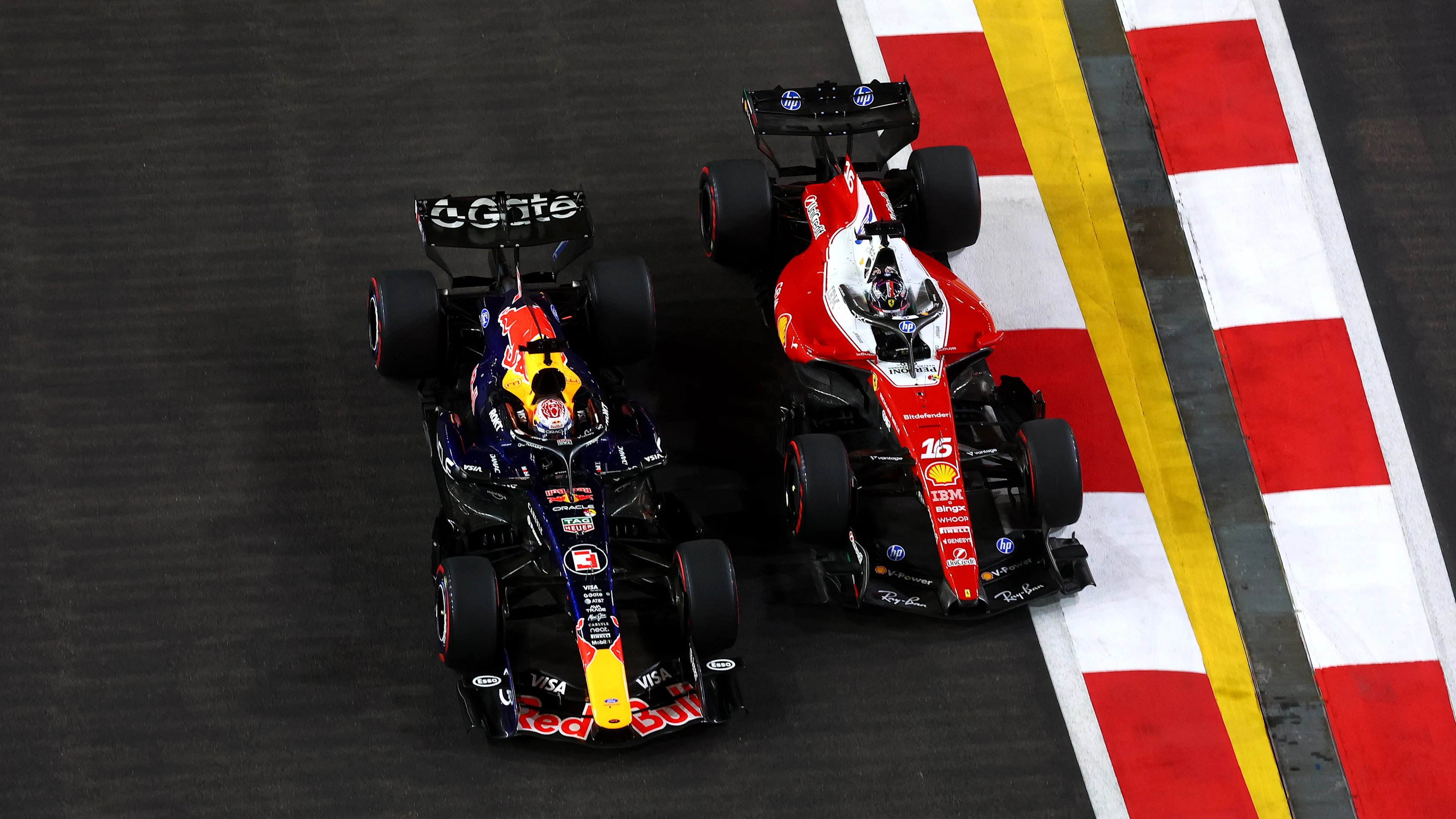
Verstappen supported the call for a longer straight or a more conventional hairpin, but his analysis went beyond the map of the circuit. Under Formula 1's 2026 power-unit rules, overtaking also depends on how effectively the pursuing car can deploy its available electrical energy. The four-time champion said Overtake Mode was barely producing a useful advantage at Marina Bay. Without a meaningful speed difference, even a driver who exits the previous corner well may struggle to draw alongside.
That is an important complication. A long straight provides distance, but it does not guarantee a pass. If both cars accelerate in a similar way, or if the following car has already used much of its available energy, the attacking driver can reach the braking zone still stuck behind. A hairpin might create a clearer braking contest, yet the same issue remains if the trailing car cannot arrive with enough extra speed to make a move. The layout and the power-unit deployment have to work together.
Singapore's short bursts of acceleration and sequence of tight corners make the problem more visible. The Marina Bay circuit measures roughly 4.9 kilometres and has 19 corners following its earlier layout changes. There is relatively little time for a pursuing driver to exploit a long acceleration phase before the next braking event. The driver in front can often protect the inside line, leaving the attacker to choose between an unlikely outside move and waiting for a bigger tyre or traction advantage.
Verstappen's criticism also carries weight because he had just won both Singapore races. This was not a frustrated driver explaining away a bad result. He controlled the Grand Prix from pole and beat Leclerc by 7.335 seconds, collecting his 73rd career victory on his 250th start. Even from the front, he regarded the race format and passing opportunities as unsatisfactory. His position suggests the debate is about the quality of the competition rather than one driver's finishing position.
There is a wider lesson for the 2026 era. The energy-management rules were introduced alongside major changes to the cars and engines. If a passing aid is effective only at selected venues, Formula 1 must assess the combination of circuit design, energy deployment and race format instead of assuming any single technical setting will solve every problem. Singapore may be an extreme case, but it provides a useful test of whether the new system actually gives following drivers the tools to attack.

Leclerc Questions Street-Circuit Sprints as Monaco Joins 2027
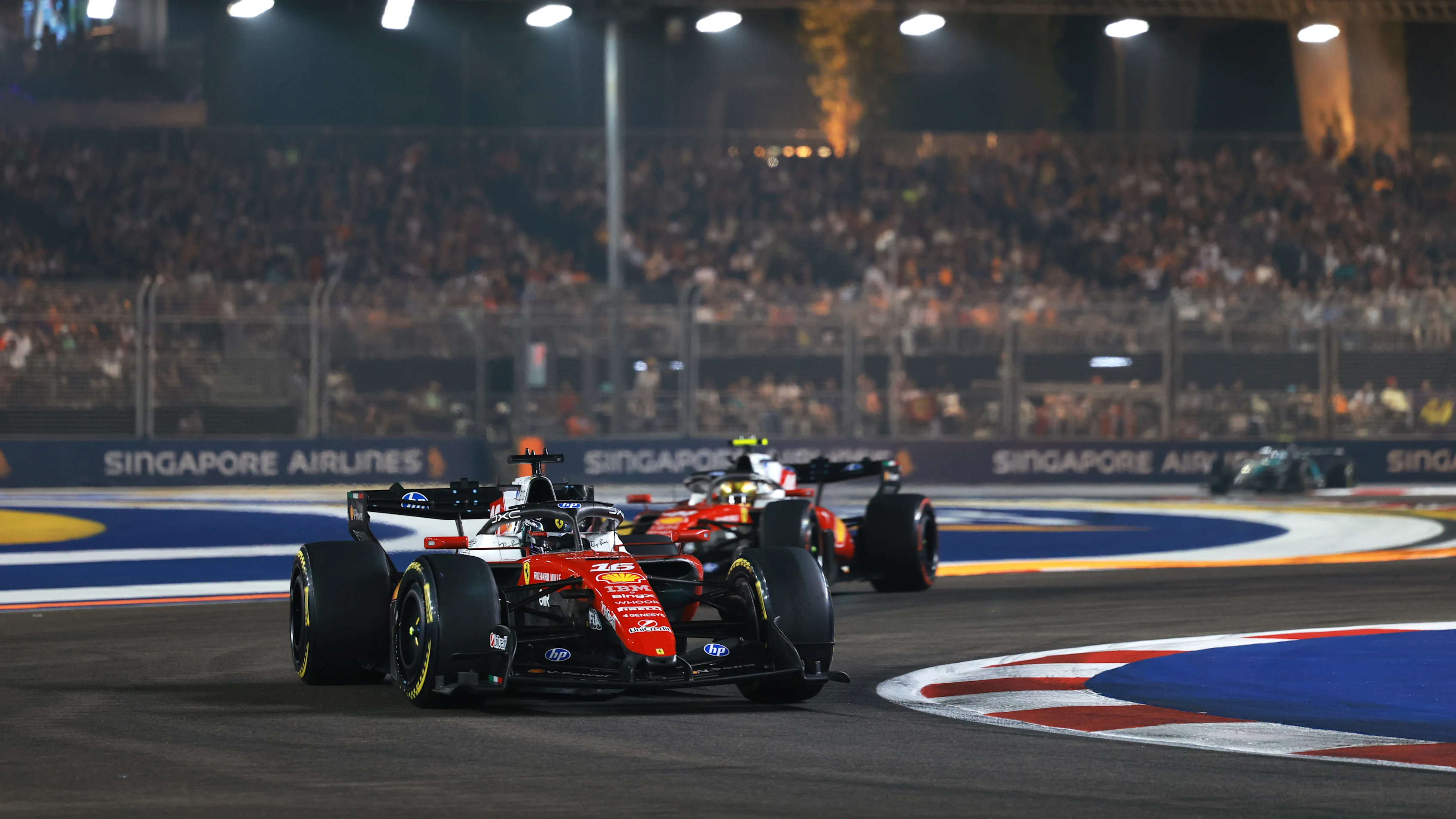
Leclerc took the debate one step further. Rather than focusing solely on the physical changes that might make Singapore easier to race, the Ferrari driver questioned whether Sprint events belong on tight street circuits in the first place. A Sprint is meant to add a short, competitive race to the weekend. If the layout makes overtaking rare, the additional session risks repeating the same track-position hierarchy instead of giving fans a distinct contest.
His point is especially relevant to the 2027 calendar. Singapore is not on the expanded ten-event Sprint schedule, while Monaco is due to stage a Sprint for the first time. Monaco has its own historic prestige and an even stronger reputation for rewarding qualifying position over overtaking. The contrast raises a straightforward question for organisers: is a Sprint chosen primarily because a venue is famous, or because its racing characteristics can support an exciting short event?
There is no reason to dismiss street circuits entirely. Their narrow barriers, changing grip and close proximity to the city produce a kind of jeopardy that purpose-built venues cannot easily replicate. Singapore's first 2026 Sprint, affected by a heavy downpour, was full of incidents and finished with Verstappen ahead of Hamilton and Leclerc. But unusual conditions should be separated from the normal dry-weather product. A chaotic race can be entertaining while still revealing little about how well the circuit supports deliberate, side-by-side competition.
Organisers also have choices beyond rebuilding a circuit. They can reconsider which venues host Sprints, how the sessions fit into a race weekend and whether the rules create enough incentive to attack. Any proposal to change Marina Bay itself would need engineering, safety and local approval. The drivers have identified the racing problem; they have not announced an approved redesign, and no such decision should be assumed.
The next event is the United States Grand Prix at Austin on October 23–25, where the Circuit of The Americas offers a very different mix of long straights, heavy-braking zones and fast direction changes. That contrast makes the discussion timely. A format that struggles to generate passes in Singapore may look very different in Texas. Comparing those weekends could help Formula 1 distinguish a venue-specific limitation from a broader weakness in its new overtaking system.
Ultimately, Hamilton, Verstappen and Leclerc are not arguing that every race must be a passing festival. They are asking whether a Sprint adds enough racing value when a track's geometry makes meaningful overtaking exceptionally difficult. With Monaco entering the schedule, the answer will matter well beyond one humid weekend under Singapore's floodlights.
The three drivers agree on the diagnosis more than the prescription. Hamilton wants a longer straight, Verstappen says the cars need a stronger passing-speed advantage, and Leclerc doubts that a narrow street track is a sensible Sprint venue at all. Each argument addresses a different layer of the same problem: the track, the 2026 technology and the choice of race format.
Singapore remains one of Formula 1's most distinctive weekends, and its challenge should not be flattened into a generic circuit. Yet the fact that the Sprint winner and two Ferrari drivers all questioned the spectacle makes the concern hard to dismiss. The next test is whether organisers and rulemakers can turn that criticism into better racing without losing what makes Marina Bay special.