Ronaldo's Eight-Point Document Turns Portugal Row Into a Test of Trust
GOATIFYCristiano Ronaldo has offered his most detailed account yet of the dispute that sent him away from Portugal's national-team camp. At its centre is an eight-point document he says coach Jorge Jesus agreed to deliver publicly, but did not. What initially looked like a disagreement over an unused substitute has become a contest over promises, authority and how a 41-year-old national icon fits into a team planning beyond him.
The document is Ronaldo's version of a private understanding, not an independently confirmed agreement. That distinction matters. His statement describes a proposed reconciliation; it does not establish that Jesus accepted every line or that the two men share an interpretation of their conversations. Portugal, meanwhile, have matches to win regardless of whether the relationship can be repaired.
What Ronaldo says the eight points were meant to establish
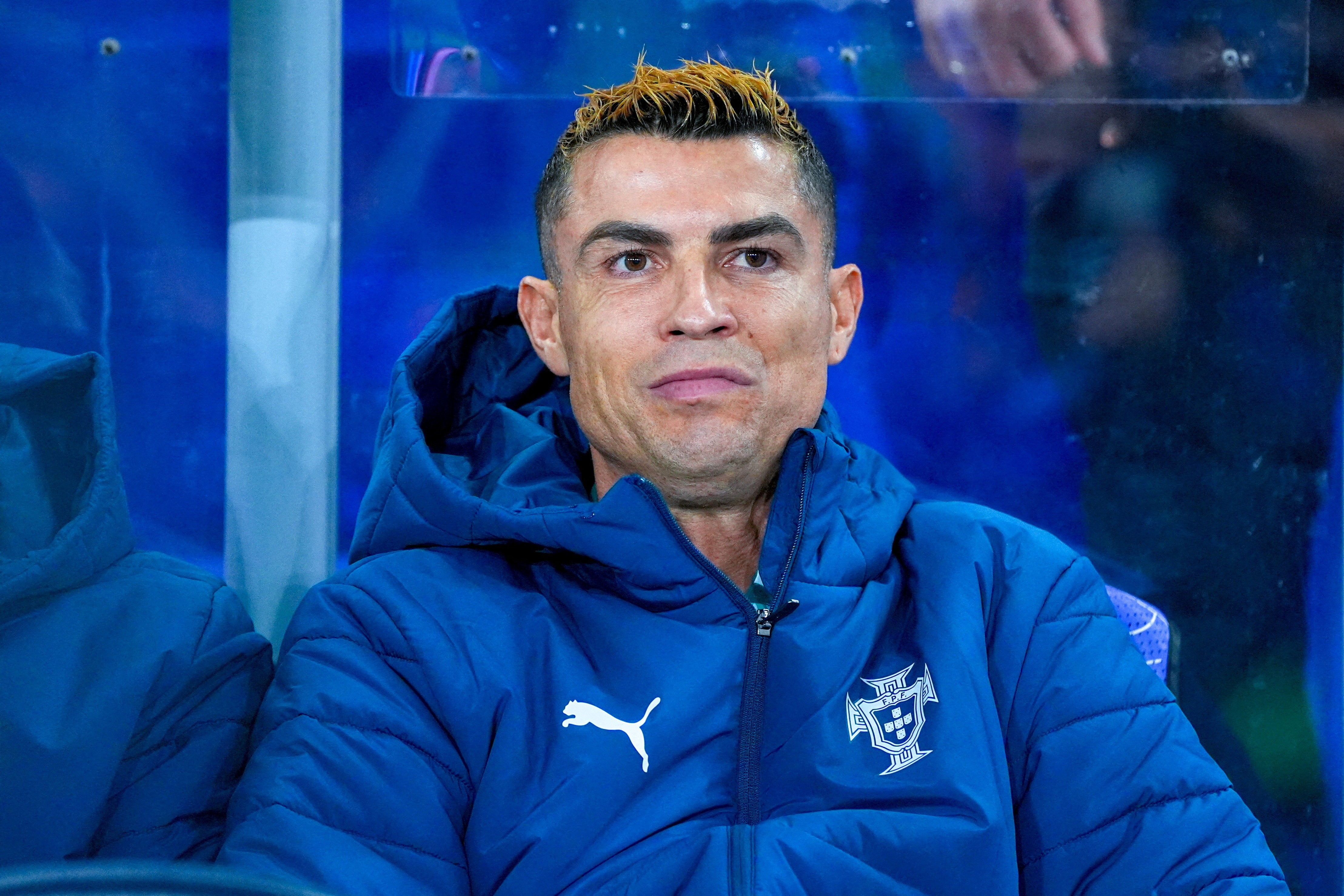
The immediate flashpoint came in Portugal's 2-1 Nations League victory in Norway on September 27. Ronaldo remained on the bench despite warming up, after starting against Wales earlier in the window. Jesus subsequently described his decision not to introduce the forward as tactical. Ronaldo's account places greater weight on what he says had been discussed about managing his minutes during an unusually demanding international schedule.
In the statement published this week, Ronaldo said he joined a video meeting with Jesus, adviser Tiago Craveiro and Al-Nassr sporting director Simão Coutinho. He says a document setting out eight points was prepared at the coach's request and approved before a news conference. Its first group of points concerned a tailored season plan: according to Ronaldo, Jesus had proposed it, Ronaldo had accepted it, and the player had not challenged the coach's right to select his team.
The next group dealt with Norway. Ronaldo says the document would have acknowledged that the match was not originally part of the agreed plan, that Jesus had nevertheless considered using him once he recovered physically, and that asking him to warm up without eventually playing was a decision the coach regretted. It also framed the episode as a sporting judgment rather than evidence that Ronaldo refused instructions. Those are claims about what Jesus was expected to say, not statements the coach has publicly adopted.
The final points were about status and respect. Ronaldo says the prepared remarks would have recognised his long service to Portugal, reaffirmed that he was wanted in the squad, and explained his failure to greet supporters after the Norway match as a frustrated reaction rather than a rejection of fans. He stressed that the notes did not demand a formal apology. In his telling, the problem was not the original benching alone; it was that a second commitment to explain the episode was not fulfilled.
That sequence explains why the dispute has been so combustible. A manager must be able to choose his substitutions without seeking a star's approval. A veteran player can also reasonably expect clarity about a plan for his workload. When the parties disagree over whether a private conversation became a public promise, a normal selection controversy turns into a test of personal credibility.

Portugal have already won without him — but the door is not closed
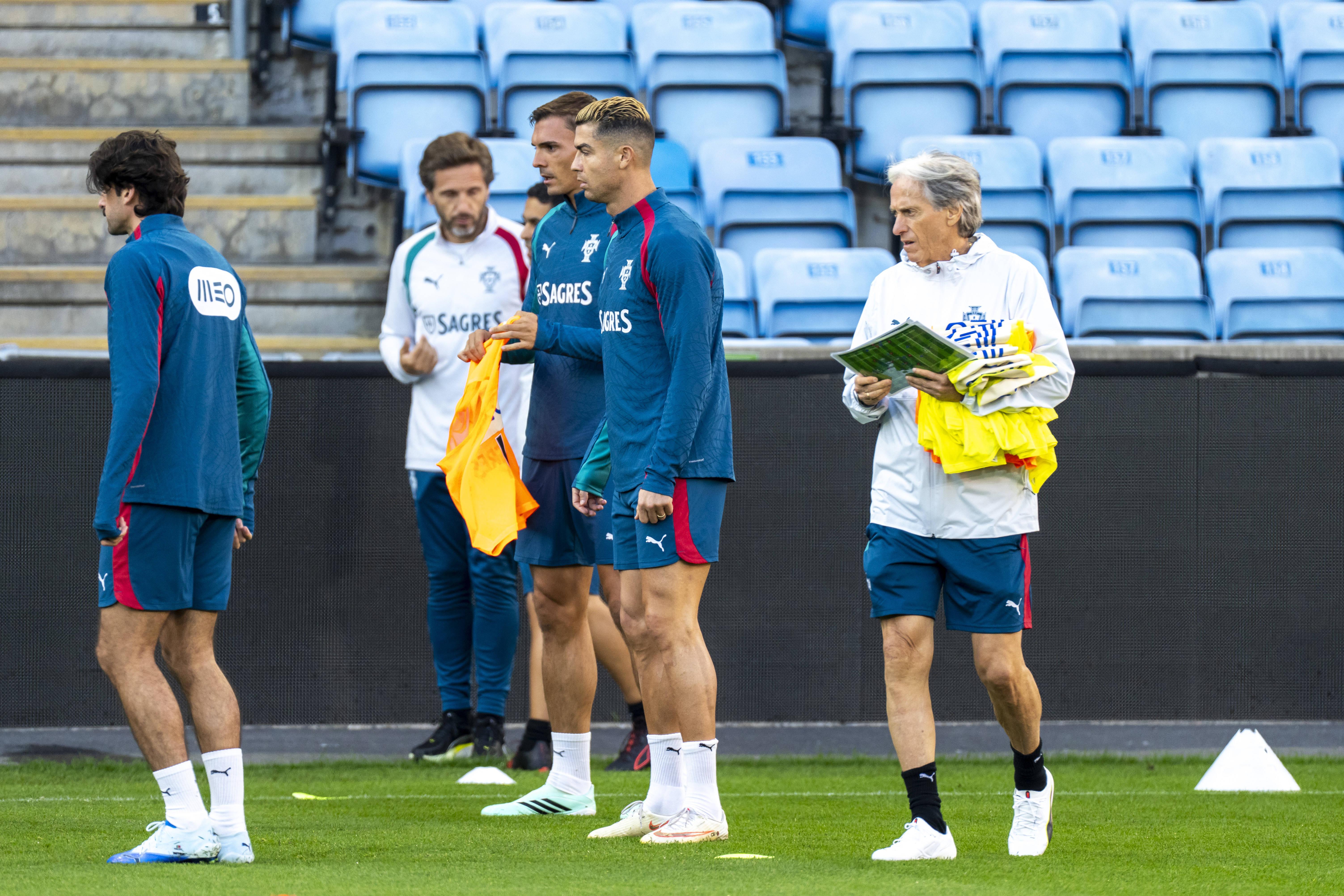
Ronaldo says he left the Portugal camp after hearing the subsequent news conference and feeling that Jesus's public language differed sharply from their private conversation. Jesus has not endorsed Ronaldo's account of an agreed eight-point script. That leaves an important unresolved question: whether the document was a mutually approved statement, a proposal awaiting the coach's decision, or something the two sides understood differently.
The team has not stood still during the argument. Portugal beat Denmark 4-2 without Ronaldo, with João Cancelo, Vitinha, João Félix and Gonçalo Ramos among the scorers. The result showed that Jesus has attacking alternatives and can produce goals without making his most famous player the centre of every move. It does not, by itself, settle whether Ronaldo could still contribute in a narrower role or how a future return would be managed.
Ronaldo's stature is not in question. At the start of October, he had 234 Portugal appearances and 146 international goals, records that make him impossible to treat as just another substitute in the public conversation. Yet those numbers also sharpen the coaching dilemma. Portugal need a credible succession plan, and a manager cannot let past achievement determine every tactical decision in a competition that demands quick changes of pace and personnel.
There is still room for a resolution. Earlier this week, Jesus and federation officials left the door open to Ronaldo returning, while Ronaldo's own explanation did not amount to a definitive retirement announcement. Any reconciliation would need to answer practical questions rather than simply smooth over a headline: what minutes Ronaldo can expect, who communicates selection decisions, how disagreements are handled privately and whether the coach can publicly defend his choices without reopening the feud.
For Portugal, the next international window offers a natural deadline for clarity. The side have already progressed in the Nations League and must prepare a functioning attack whether Ronaldo is called up or not. For Ronaldo, the choice is equally consequential: accepting a flexible role could extend his extraordinary international story, while another breakdown would risk allowing an argument over a bench to dominate its final chapter.

The eight points have made the dispute easier to understand, but not easier to resolve. Ronaldo has explained the promises he believes were broken; Jesus still controls team selection and has not confirmed the alleged script. The sensible outcome would be a clear, private agreement on roles rather than another public exchange of statements. Until that happens, Portugal's football is moving forward while its most decorated player waits to learn whether there is a place for him on the train.