

Sonny Gray Hits Free Agency After 18 Wins — and Boston Has a $10M Problem
GOATIFYSonny Gray has done almost everything a veteran pitcher could do to make an offseason complicated. He won 18 games for the Boston Red Sox, finished with a 2.72 ERA, and helped turn a season of uncertainty into a genuine playoff push. Now he is a free agent anyway. Boston's $30 million mutual option for 2027 is off the table, and a reported $10 million buyout has transformed the conversation from whether the club keeps him automatically to what another team might offer.
This is not a retirement announcement, nor is it proof that Gray and Boston have split for good. It is the opening of a negotiation involving an accomplished pitcher approaching his 37th birthday, a Red Sox rotation with its own questions, and a market suddenly filling with recognizable starting arms. The money makes the headline; the more important question is who believes Gray's excellent 2026 can last.
A $30 million option disappears — and the $10 million buyout changes the leverage
The decision was expected in one sense and still important in another. Gray's contract contained a mutual option worth $30 million for 2027. Once that option was not exercised, he became eligible for free agency and was due a $10 million buyout. The buyout is not a new contract with Boston and does not prevent a reunion. It is the guaranteed amount attached to ending the existing option year.
Mutual options often look more dramatic on paper than they prove to be in practice. Both sides must agree to continue on the stated terms. A club can prefer a lower annual salary, while a player can prefer multiple guaranteed seasons or the freedom to pick a contender. Those preferences are not mutually exclusive: a player and his old team can reject an option and still negotiate a different agreement. What matters now is the structure of the next offer, not simply the fact that the old option expired.
Gray's circumstances are unusual because his season was so strong. A pitcher coming off 18 victories and a 2.72 ERA has a compelling reason to test whether several clubs will guarantee more total money than a one-year commitment. But the $30 million figure is a meaningful benchmark. If another club offers two years at a substantially lower annual rate, the overall guarantee might appeal to Gray while still leaving the buyer with age-related risk. That is a negotiation, not a foregone conclusion.
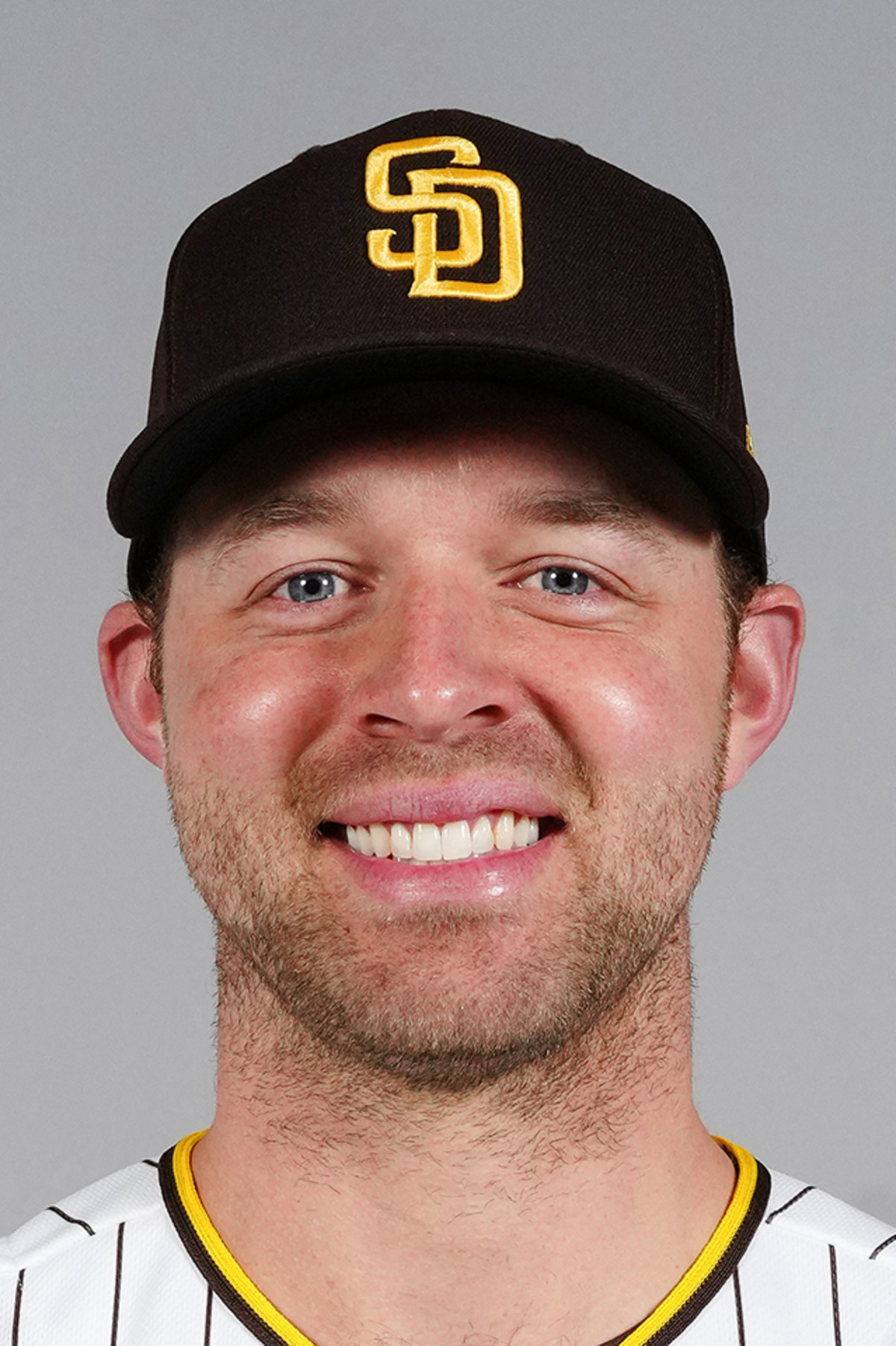
Michael King provides a useful contrast. The San Diego right-hander also reached the open market after declining a player option, reportedly with a $5 million buyout, after a 12-10 season and a 3.21 ERA. King's age and recent workload create a different risk profile, but the parallel is revealing: this offseason has several pitchers who are not merely out of contract. They have actively arrived at a decision point after playing well enough to consider alternatives.
Boston's immediate accounting problem is straightforward. Paying a buyout does not replace 169 innings, and having already committed that money does not make an expensive new deal automatically sensible. The club must decide whether Gray is worth the next dollar it would spend, independent of the previous contract. That distinction is where sentimental reunions and disciplined roster construction can begin to pull in opposite directions.
Eighteen wins and a 2.72 ERA make a powerful case — with one big age question
Gray's 2026 line deserves more than a glance at the win column. He went 18-5 across 29 starts, worked 169 innings, and finished with a 2.72 ERA and a 1.15 WHIP. His 149 strikeouts against 46 walks reflect a pitcher who could still manage traffic and keep a lineup from repeatedly reaching base. The 18 wins tied for the major-league lead and represented a career high. Those are substantial contributions from a pitcher in his mid-thirties.
Wins alone are an imperfect way to value a starter. They depend on run support, bullpen performance, defensive plays and timing. Gray's ERA and workload provide stronger evidence of what he controlled. Nearly six innings per start meant Boston could plan games around him without automatically expecting a parade of relievers. His ability to prevent runs mattered even when he was not striking out every hitter in sight. That is a useful skill in October as well as across a six-month schedule.
The caution is not that the results were imaginary. It is that future contracts pay for the next season rather than the last one. Gray turns 37 in November, and pitchers at that age can lose effectiveness quickly if velocity, health or command slips. The difference between a two-year commitment and a three-year commitment is therefore enormous. One club may see an experienced starter who knows how to adapt; another may see a very expensive bet on a narrow window of continued performance.
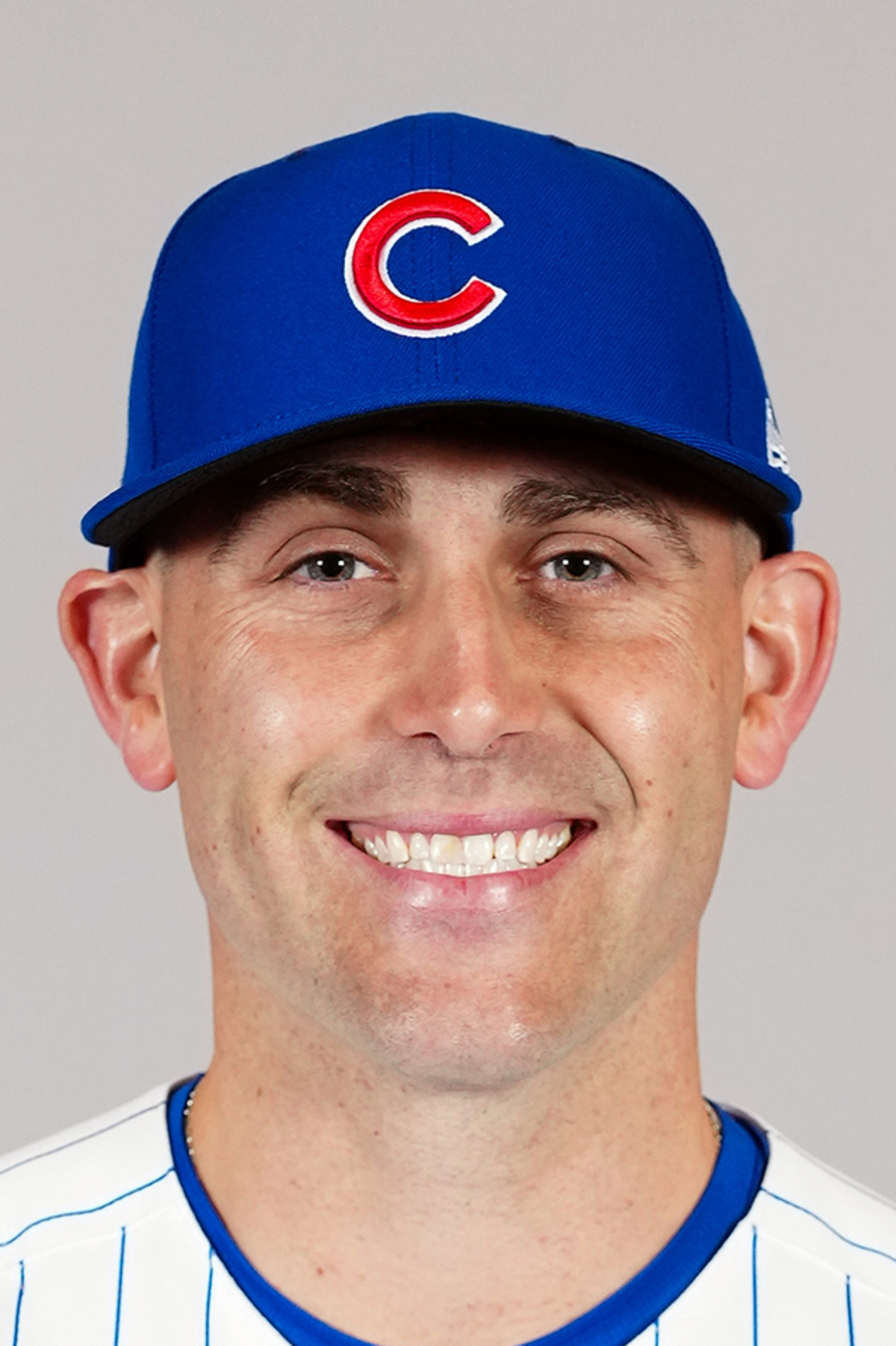
Matthew Boyd is one of the other experienced names available after option decisions. The Cubs left-hander went 10-5 with a 3.91 ERA in 2026. He offers a different recent track record and should not be treated as an identical substitute for Gray. Yet his availability illustrates why a team looking for a veteran does not have to bid on one pitcher in isolation. Front offices can compare expected innings, health histories, handedness, contract length and how each pitcher fits the ballpark and defense.

Boston cannot replace 169 innings with a press release

The Red Sox can argue that a veteran approaching 37 should not command an open-ended contract. They cannot argue that his production will be easy to replace. Gray supplied 169 regular-season innings, kept Boston competitive deep into games, and brought a proven approach to a staff that has to navigate both injuries and the volatility of younger arms. Losing that contribution would force the club to find innings somewhere else, even if it eventually chooses a different veteran.
Brayan Bello represents part of the longer-term picture. Boston also has Tanner Houck in its pitching plans, but building a rotation around younger or returning arms requires more than counting names on a depth chart. Clubs need starters who can absorb five or six innings when the bullpen has been stretched, and they need credible alternatives when a pitcher misses time. Gray's value in 2026 was partly that he offered an answer on nights when the club could not afford a short outing.
The postseason ending adds another layer. Boston's run ended against the Yankees in the American League Wild Card Series, and Gray's final appearance came with a disputed early removal after 4 2/3 innings. He had reason to be frustrated by the decision, but one tactical disagreement should not be confused with a permanent break. Gray later made clear that he intended to pitch in 2027 and was open to doing so in Boston. The door to a reunion has never needed to be slammed for free agency to begin.
There is a practical middle ground. Boston could offer a shorter deal with a competitive annual salary, or explore incentives and options that allocate some of the age risk. Gray could prefer a larger total guarantee elsewhere. Neither outcome would prove that one side acted irrationally. A front office has to manage an entire rotation and payroll, while a pitcher has a finite number of opportunities to secure his last major contract.
The bigger mistake would be allowing the buyout itself to drive the next decision. That money is committed whether Gray returns or not. If Boston signs him again, it should be because the baseball fit and price work now. If it lets him leave, it needs an equally convincing answer for the innings and run prevention he provided. The club's offseason will be judged on that replacement plan, not on whether the option paperwork looked tidy.

King, Boyd and Dustin May make this a crowded market before the labor deadline
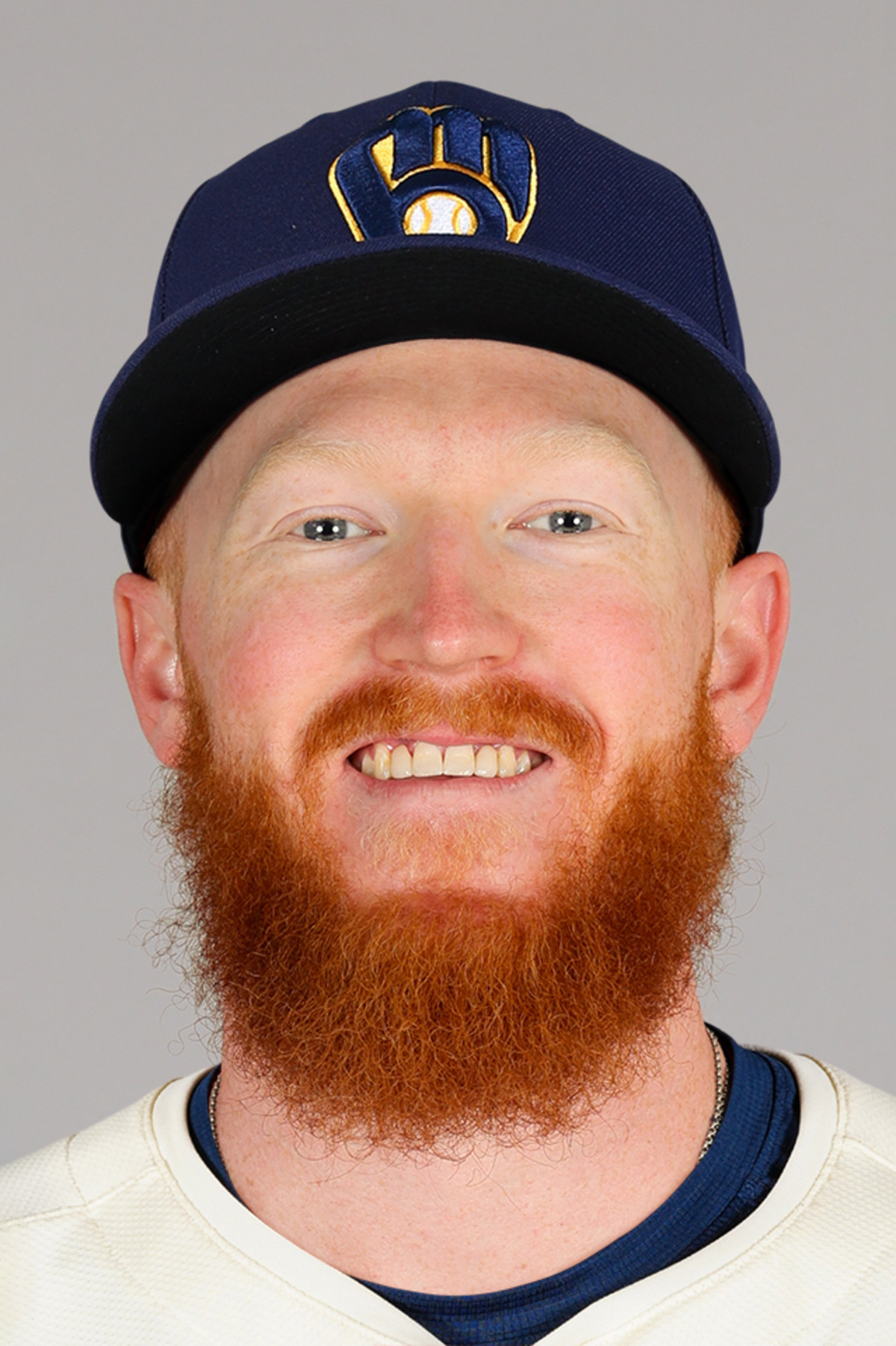
Gray is not entering a quiet market. King is available after his San Diego option decision, Boyd has reached free agency from Chicago, and Dustin May is also among the pitchers who emerged from the latest round of contract decisions. May's case is particularly different: he pitched in five postseason games for Milwaukee, including a World Series start, before becoming available. Teams looking for upside, postseason experience or shorter-term depth can pursue different kinds of arms at different prices.
There are bigger names on the board, too, including Tarik Skubal. That matters because the top of a free-agent class can set the pace for everyone beneath it. A team willing to spend at the very top may wait for a premium starter before choosing between experienced alternatives. Another club may prefer to move quickly on Gray rather than lose weeks chasing an ace it is unlikely to land. The order in which pitchers sign can influence both salary expectations and the number of realistic suitors remaining.
The calendar is unusually important. Players became free agents following the World Series, with the new-team signing window opening in early November. The existing collective bargaining agreement is scheduled to expire on December 1, and a potential lockout could interrupt transactions. That possibility is not a certainty about what will happen, but it changes incentives. A veteran might value early guaranteed security; a team might want clarity before the market freezes. Waiting for the perfect offer could become more complicated than in a normal winter.
Boston is an obvious possible landing spot because it knows Gray's medical record, performance and fit. Other contenders seeking a reliable starter could plausibly examine him, but there is a difference between a logical fit and a verified negotiation. No destination should be treated as agreed, and speculation about a bidding war should not be dressed up as an actual offer. For now, the facts are his free-agent status, the option's end, the reported buyout and the season that gives him leverage.
Gray's free agency is a reminder that an outstanding season does not automatically produce an easy contract decision. Eighteen wins, a 2.72 ERA and a $10 million buyout all point to the same tension: Boston benefited from a veteran at his best, but the next deal must price in the years ahead rather than reward the one already completed.
A Red Sox reunion remains possible. So does a fresh start with a club willing to guarantee more years. Either way, Gray has given the market something worth debating: not whether he belonged in a contender's rotation in 2026, but what a contender should pay to have him in 2027.

















