

Bradley Targets Shakur and Tank After Foster's Win — But Boxing's Money Trap Runs Deeper
GOATIFYO'Shaquie Foster had just taken two more world titles from Emanuel Navarrete when Timothy Bradley turned the result into an argument about the business of boxing. His target was not the man who had lost. It was the group of bigger commercial names who can command major paydays without necessarily making the fights fans most want to see.
Bradley singled out Shakur Stevenson and Gervonta Davis, arguing that Foster's performance exposed the risks those stars might prefer to avoid. He also challenged the idea that a fighter should expect Floyd Mayweather-level money before building a comparable record of marquee opponents. The criticism is provocative, but it raises a harder question than whether one boxer is afraid of another: who gets rewarded when boxing's best fighters actually accept dangerous matchups?
Foster Made the Case in the Ring, Not at a Negotiating Table
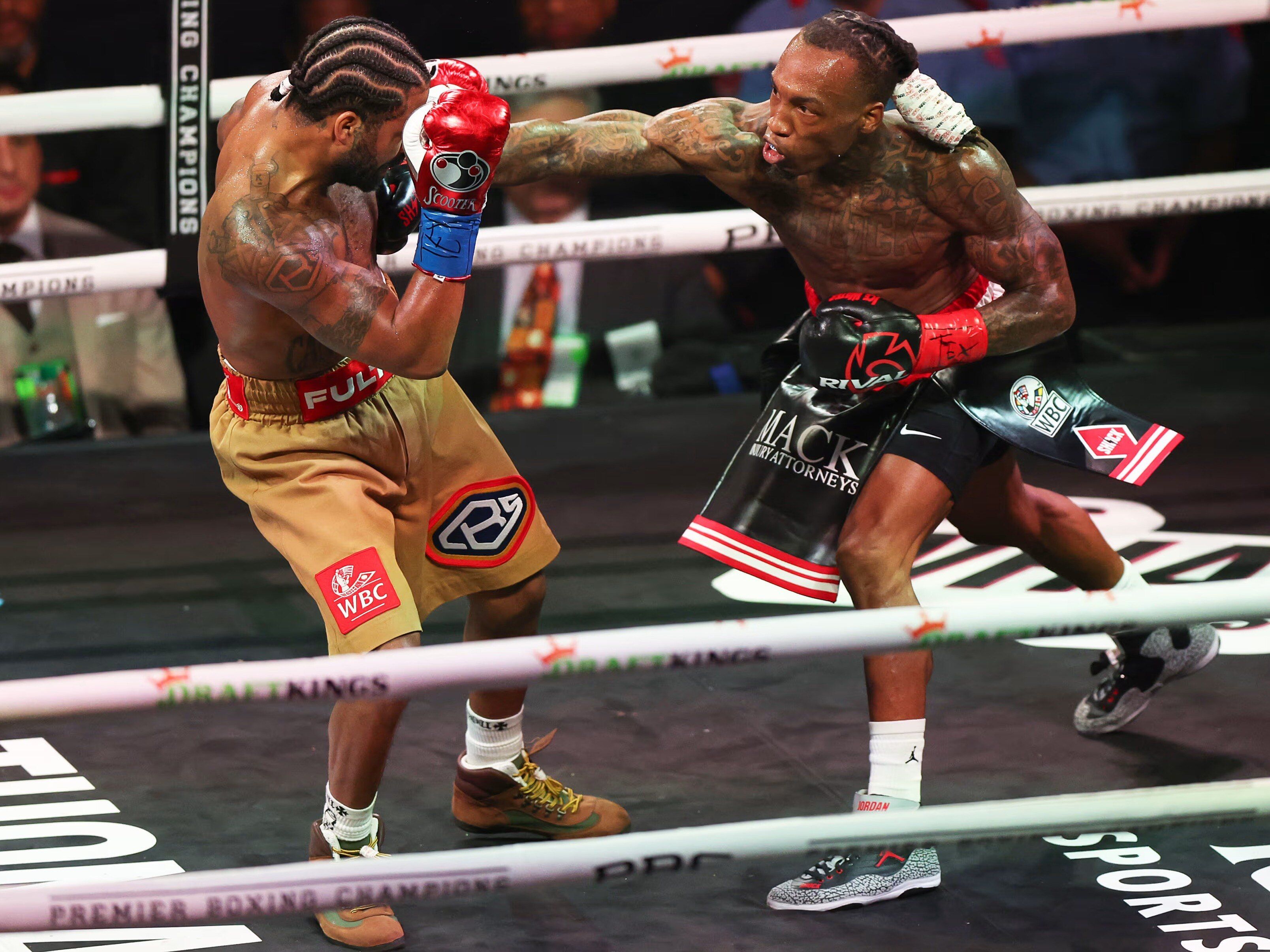
Foster's victory in San Antonio on October 24 was the sort of result that makes matchmaking arguments difficult to ignore. He entered the unification as WBC super featherweight champion and left with the WBO and IBF titles as well, having beaten Emanuel Navarrete by unanimous decision. Two knockdowns in the twelfth round gave the final scorecards a decisive punctuation mark, but the fight was not won by those late moments alone.
Navarrete is an awkward, relentless attacker who throws from unconventional positions and forces opponents to solve problems at speed. Foster answered with movement, clean counters and adjustments as the rounds progressed. That matters because beating an aggressive opponent over twelve rounds is a different test from looking spectacular against a fighter who cannot sustain pressure. Foster had to make good decisions repeatedly, not simply produce one dramatic exchange.
Bradley recognized that distinction. He praised Foster's control of distance and defensive intelligence, and even compared elements of his ring craft with Terence Crawford's. The comparison is an opinion, not a declaration that Foster has reached Crawford's career level. Its significance is that an experienced former champion saw more than a belt collector: he saw a boxer whose skills could cause elite opponents uncomfortable problems.
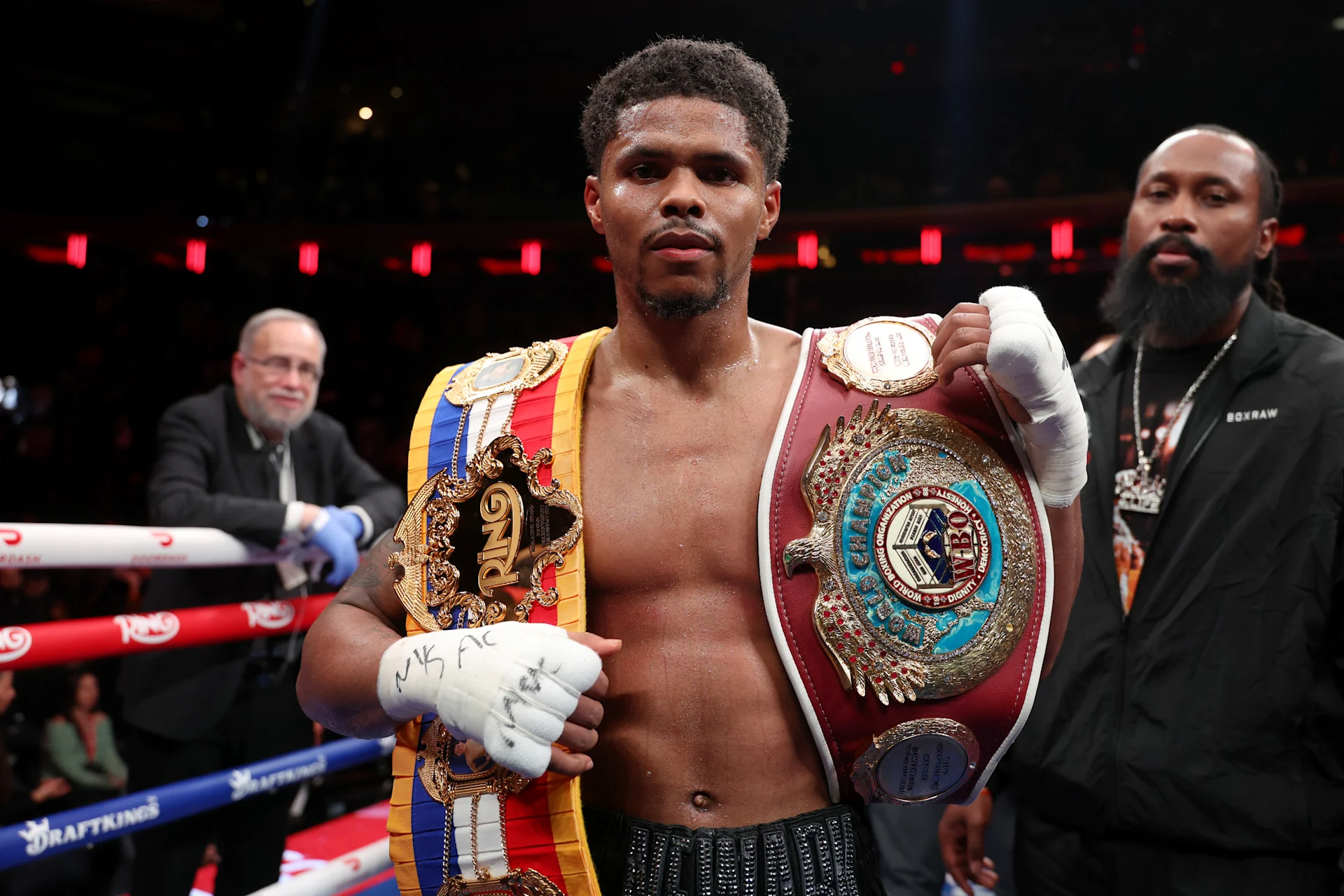
There is a commercial consequence. Foster is now a three-belt champion at 130 pounds with a fresh, high-profile win over an established name. That should improve his negotiating position. Yet championship credentials do not automatically create the audience, broadcasting guarantee or promotional alignment required for a crossover fight. Boxing has produced plenty of dangerous champions who discover that the easiest opponents to market are not always the toughest opponents to beat.
Bradley's challenge lands because Foster did what critics constantly demand: he accepted a meaningful contest and delivered. The next test is whether the industry treats that performance as a reason to pay him and match him ambitiously, or as a reason to keep him away from its biggest attractions. Fans should distinguish the two questions. Foster proved his quality against Navarrete; he did not prove that any particular rival refused to fight him.
Bradley's Shakur Accusation Needs More Than a Great Foster Performance
Bradley used Foster's win to question why Shakur Stevenson had not pursued the matchup. It is a pointed claim, but it should not be mistaken for a documented account of failed negotiations. No publicly established rejected contract or definitive offer was presented with the criticism. A great performance can change how dangerous an opponent looks; it cannot retroactively establish what another fighter was offered or why a deal did not happen.
Stevenson is also not a boxer who built his name entirely on soft opposition. In January 2026, he defeated Teofimo Lopez and became a champion in a fourth weight division. His defensive control, precision and ability to dictate pace are central to his reputation. Earlier in the year Bradley himself spoke enthusiastically about Stevenson's ability to become a leading American boxing star. That history makes his latest comments more interesting: they sound less like a dismissal of Stevenson's talent than a demand that talent be converted into harder and more marketable contests.
There is an obvious technical appeal to Stevenson versus Foster. Both excel at making opponents miss and punishing small mistakes. Neither relies on a single predictable attack. A matchup could become a chess match of feints, lead-hand control and adjustments, with every clean punch carrying extra weight because sustained exchanges might be rare. That is compelling to dedicated boxing fans even if it does not promise a conventional knockout spectacle.
There is also a practical complication: Foster's new titles are at 130 pounds, while Stevenson has moved up and won a belt at 140. A fight would require the parties to agree on a weight, financial terms, timing and possibly the status of the championships involved. Those are not automatic excuses for inactivity, but they are real parts of the negotiation. Calling one boxer frightened without acknowledging them makes the argument weaker than it needs to be.
Stevenson should be judged by the quality of the fights he makes from here, not only by the elegance of his previous wins or the size of his next purse. Foster should be judged by the same standard. Bradley is right to demand competitive ambition; he is on shakier ground when a criticism of the system becomes an unsupported claim about a specific fighter's motives.

Gervonta Davis Has the Star Power — Foster Has the Freshest Sporting Leverage

Gervonta Davis presents a different commercial problem. He is one of boxing's most recognizable active attractions, and that recognition changes the arithmetic of every possible opponent. A champion with belts may believe he deserves the bigger share because of sporting achievement; a pay-per-view draw can argue that he brings the paying audience. Those are different forms of leverage, and a fight often fails when neither side accepts the other's definition of value.
Bradley wants Davis to take the sort of challenge Foster has just passed. The criticism has an understandable sporting basis. Davis's March 2025 meeting with Lamont Roach Jr ended in a majority draw rather than the emphatic win many expected from a star associated with spectacular finishes. A close result does not erase a fighter's achievements, but it does sharpen questions about what comes next and whether the biggest name in the conversation is willing to face an opponent who can make him uncomfortable for twelve rounds.
Foster's strengths would offer an intriguing stylistic puzzle. His lateral movement, counterpunching and ability to adjust under pressure are exactly the attributes that can frustrate a boxer hunting for a clean, fight-changing opening. Davis's timing and power would create their own problems. But the hypothetical matchup should not be sold as imminent: Foster competes at 130 pounds and Davis has been associated primarily with the lightweight division. A competitive idea is not the same thing as a signed contest.
It is also too simple to say that Davis alone controls the entire risk equation. Networks, promoters, managers, mandatory defenses, purse splits and the availability of alternative opponents all influence what reaches the negotiating table. A fighter can be commercially protected without there being proof that he personally rejected a named challenger. Equally, the existence of those business pressures does not absolve a superstar from responsibility for the quality of the schedule attached to his name.
The best answer to Bradley would not be a social-media argument. It would be a serious, publicly credible attempt to make an elite fight, with terms both sides can evaluate. Until then, Foster has a tangible new achievement and Davis retains a far larger mainstream profile. The tension between those facts is precisely why boxing's matchmaking debates rarely end with the final bell.

The Mayweather Comparison Exposes Boxing's Real Incentive Problem

Bradley's sharpest argument concerns the model younger stars are trying to copy. Floyd Mayweather finished his professional career with a 50-0 record and became a global commercial powerhouse. But the money associated with his late-career spectacles was the result of years spent building a record, a distinctive identity and an audience through major championship fights. The 2007 meeting with Oscar De La Hoya was a pivotal commercial breakthrough, not a reward handed out before Mayweather had demonstrated his value.
That distinction matters. When an emerging attraction demands the financial treatment of a fully established superstar, a promoter faces a difficult choice. Paying the guarantee against a safe opponent can protect the immediate event but make the next difficult matchup even more expensive. Refusing the guarantee can drive the fighter elsewhere. Each decision may be rational in isolation while leaving fans with a calendar of contests that are easier to sell internally than to defend competitively.
Bradley argues that the biggest rewards should follow the biggest challenges. That principle is attractive, but it needs to work in both directions. Foster should not be told to take repeated high-risk fights for modest money on the vague promise that recognition will eventually arrive. His win over Navarrete should increase what he can demand. Otherwise the lesson to other champions is not that courage pays, but that courage creates risk while more cautious names keep the commercial upside.
There are legitimate paths forward. Foster holds three major belts at super featherweight, while the WBA title remains outside his collection. The winner of Anthony Cacace's planned December meeting with Nick Ball could become relevant to his undisputed ambition, subject to sanctioning obligations and negotiations. A meeting with Stevenson would raise different questions about weight and the meaning of the titles. Neither route is guaranteed, and the sport should resist announcing imaginary agreements merely because the matchup sounds exciting.
The useful measure is not how loudly a fighter talks about legacy, but whether the next contract advances it. That applies to Stevenson, Davis, Foster and everyone trying to borrow the Mayweather business model. Champions need opponents with real chances to win; challengers need compensation that reflects the danger they bring; promoters need to stop treating competitive uncertainty as a defect. Fans cannot force signatures, but they can recognize the difference between a meaningful risk and a carefully staged event.
Bradley's frustration captures a genuine contradiction: boxing celebrates the athletes who gamble their reputations in the ring, then sometimes structures its biggest rewards around avoiding that gamble. Foster's breakthrough is a chance to change the incentives, not just to invent a new list of fighters to accuse of running scared.
Foster answered the sporting question against Navarrete. Bradley has now asked the commercial one: will that achievement lead to fights and paydays worthy of a three-belt champion? Stevenson and Davis do not have to accept every challenge made in their direction, and no one should label them unwilling without evidence of what was actually offered. But boxing's biggest names cannot rely indefinitely on reputation while demanding that the sport's newest champions prove themselves again and again.
The next round of matchmaking will be more revealing than the loudest criticism. A meaningful Foster opponent, a realistic offer across weight classes, or a genuine unification path would turn this argument into progress. Another cycle of headline callouts without negotiations would only prove Bradley's broader point.

















