

Verstappen and Lawson Both Penalized — Red Bull's Mexico Clash Gets Costly
GOATIFYTwo drivers from the same Red Bull family turned a routine Friday practice lap into an avoidable sporting penalty. Max Verstappen and Liam Lawson will each drop one place on the starting grid for the 2026 Mexico City Grand Prix after their cars made contact in the stadium section during second practice. Both also received a superlicence penalty point. That is a far more consequential ending than the usual paddock argument about who should have yielded on a preparation lap.
The collision had already interrupted the session and damaged both cars. The new development is the stewards' decision to punish both drivers rather than issue another warning. For Verstappen, the timing threatens an already difficult attempt to move forward in a competitive field. For Lawson, the same incident comes with an additional political cost: his 2027 Racing Bulls seat is not yet confirmed, and Verstappen publicly questioned his judgment.
How a Friday preparation lap became a double grid drop
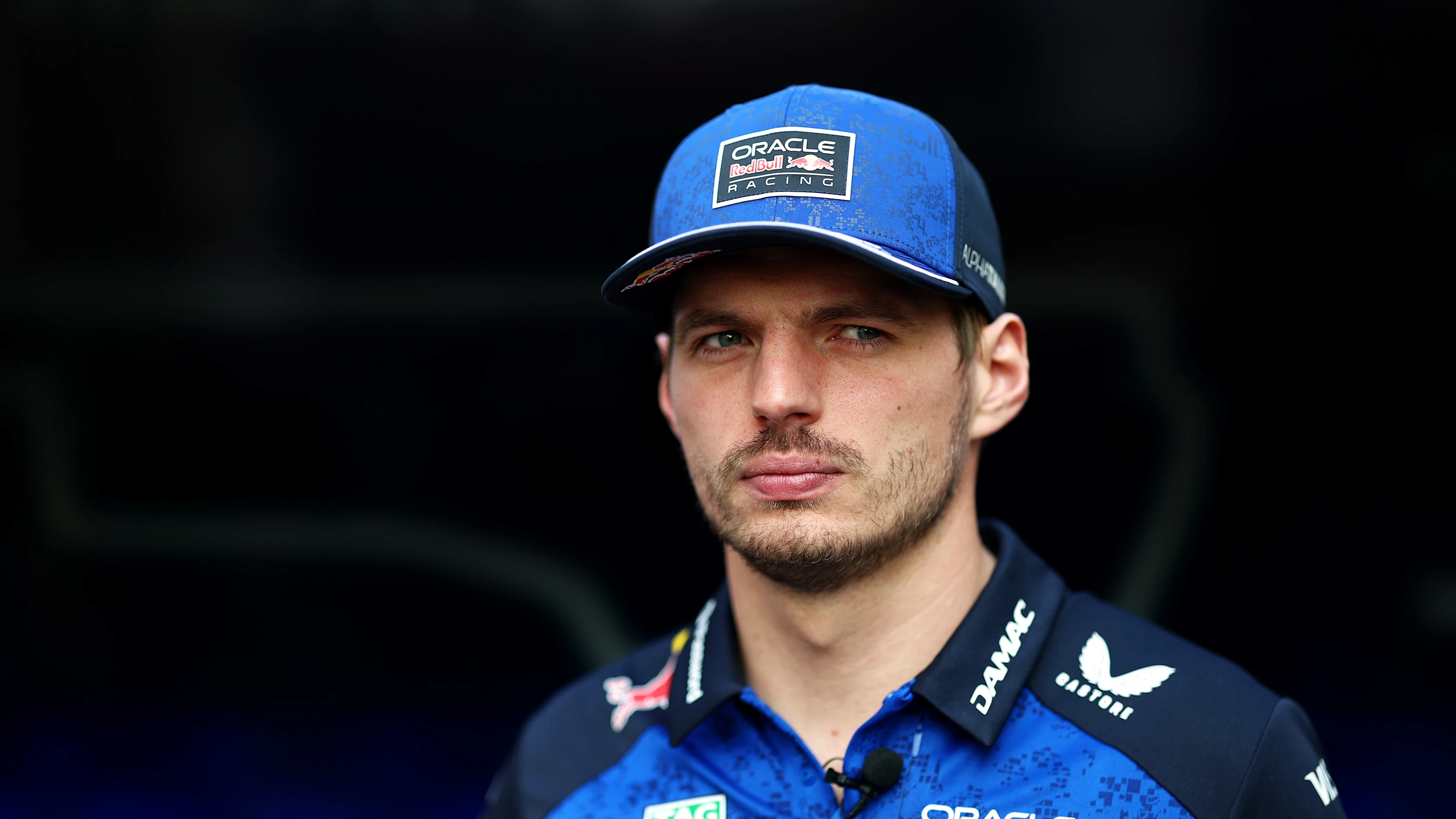
Both men were trying to recover time after sitting out the opening practice session. Red Bull had put Ayumu Iwasa in Verstappen's car for FP1, while Racing Bulls handed Lawson's machine to Nikola Tsolov. That made the second hour more important than normal for the race drivers: each needed to find a rhythm, understand tyre behaviour and complete a meaningful programme before Saturday's qualifying. The last sector at the Autódromo Hermanos Rodríguez is a poor place for two cars with different lap intentions to become entangled.
Verstappen approached Lawson at Turn 12 and moved to the inside. Lawson held position and sought to get back ahead at the next left-hander in the stadium complex. Verstappen went across the kerb on the exit and returned alongside the Racing Bulls car. The cars then made contact, with damage reported to Verstappen's floor and Lawson's front wing. Debris forced a temporary red flag while marshals cleared the circuit. It was a small moment on the clock but an expensive interruption for two teams trying to make their Friday data useful.
The critical distinction is that this was not a duel for a race position. The stewards' account described Verstappen as preparing for a quick lap and Lawson as cooling down before another push. Both drivers had a reason to keep their tyres in the appropriate window, but neither had a championship point to gain by insisting on the corner. Their unwillingness to yield transformed a routine bit of practice traffic into contact that neither garage needed.
After the red flag, both drivers returned to running. Verstappen finished fifth in FP2, 0.311 seconds behind Charles Leclerc's leading time, while Lawson was ninth, 0.628 seconds off the Ferrari. Those classifications matter only as a snapshot: practice times reflect tyres, fuel, run plans and traffic, not a settled grid order. The damage and disruption, however, were real, and the stewards subsequently attached a consequence that will carry into Sunday's race.
The penalty is one grid place for each driver, not a loss of a place in Friday's practice classification. Their eventual qualifying positions will determine where that sanction bites. A driver who qualifies near the front could lose a valuable clean-air start, while one in a tight midfield group might be pushed into traffic. The exact starting order cannot be known until qualifying, other penalties and grid procedures are settled.
That uncertainty is why a seemingly modest sanction matters. A single position at the start of a Grand Prix can change which cars a driver must clear, how aggressively a team can use strategy and how much tyre life is spent in dirty air. Mexico's long run to the opening corner can shuffle the order, but it is not a guarantee that a lost grid place will be recovered. Both drivers now face a race-weekend cost for a collision that happened before qualifying even began.

Why the stewards went beyond the usual practice warning
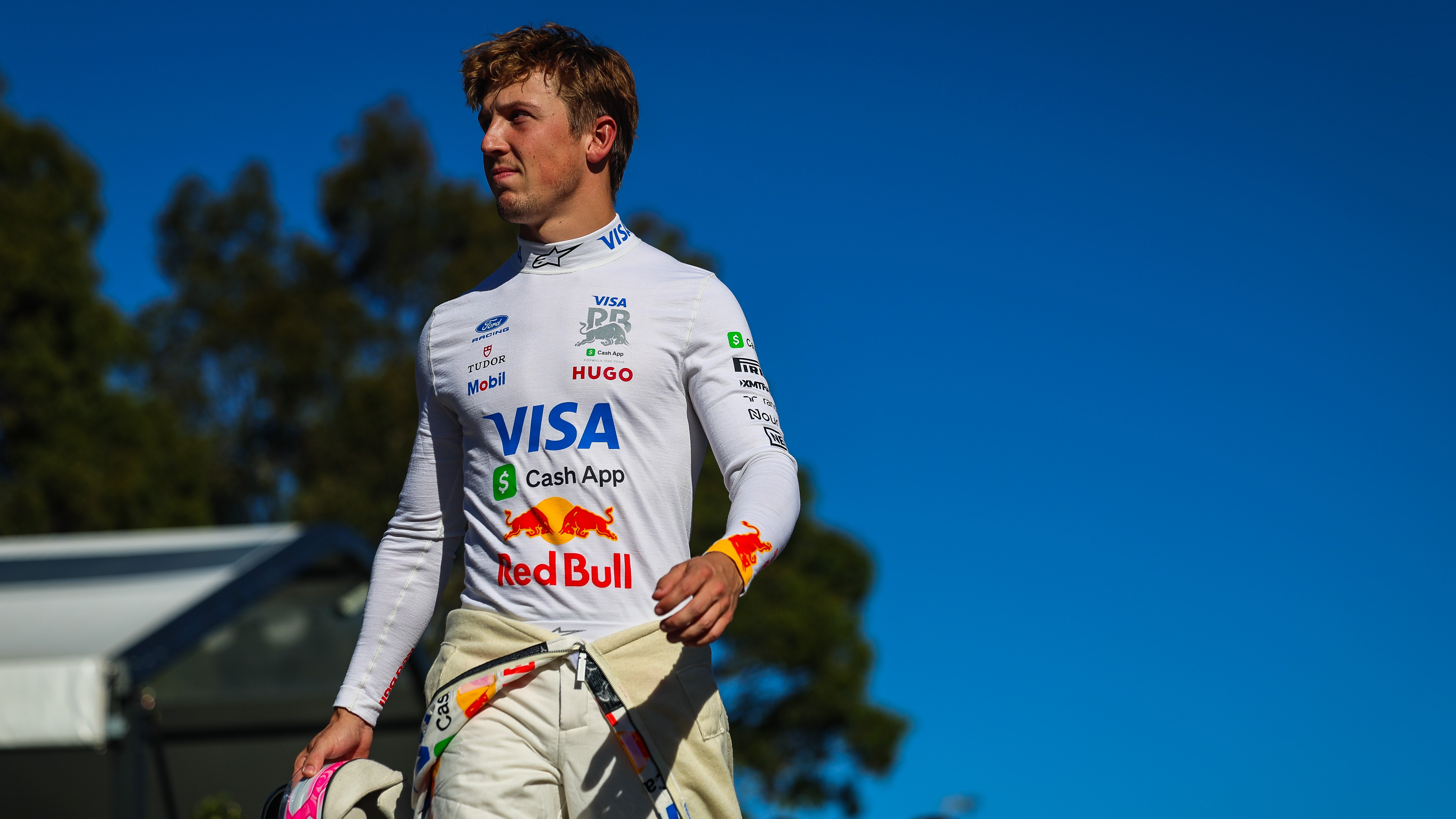
Contact during free practice often produces a reprimand or warning, particularly when there is no obvious lasting sporting advantage. This case was treated differently because the teams had already been warned about conduct in the final sector. The stewards said the moves were unacceptable and that both drivers acknowledged they had been unnecessary and clumsy. That admission does not make either driver solely responsible; it supports the decision to treat the exchange as a shared failure of judgment.
The officials also referred to comparable incidents earlier in the season and to previous cases in which practice contact had produced a grid penalty. Their decision was therefore framed as escalation, not as a new rule invented for two prominent names. The message to the wider field is clear: when a specific warning has been delivered and drivers still take avoidable risks, officials may choose a sporting penalty rather than another reminder.
The two penalty points are a separate part of the decision. They attach to each driver's superlicence record rather than changing the immediate race order. One point alone does not mean a suspension, but the accumulation of points over the applicable rolling period can eventually become significant. That creates a small longer-term cost alongside the immediate grid drop, particularly for drivers who expect to contest the remaining rounds aggressively.
Fairness also requires acknowledging the unusual circumstances of the corner. The stadium complex demands a delicate balance between creating space for the car ahead and preserving enough tyre temperature for the next timed lap. Drivers can become impatient when a slower-moving car appears to interrupt that preparation. The technical reason for urgency helps explain the collision, but it does not justify carrying a private dispute across several corners until bodywork breaks.
Racing Bulls team principal Alan Permane made the essential point after the session: neither driver needed to take that risk. His criticism was directed at both sides, a useful counterweight to the temptation to cast the confrontation as an established champion disciplining a junior colleague. The officials reached the same practical outcome by penalizing both rather than endorsing one driver's version of events.
That even-handed decision should not be mistaken for a conclusion that every steering input was identical in severity. The stewards evaluated the whole sequence, including the approach, the attempt to repass, the kerb excursion and the eventual contact. The sporting finding is narrower and more useful: both had opportunities to disengage, both chose to continue, and both now carry an identical penalty into the next meaningful session.

Verstappen's public warning puts Lawson's 2027 seat fight in the spotlight

The confrontation became more personal when Verstappen suggested Lawson should be more careful while fighting for his seat. That comment carried an unmistakable reference to Racing Bulls' unresolved 2027 driver line-up. Lawson has not received a confirmed place for next season, even though his 2026 results have given him a substantial argument for staying. In that context, a dispute with the most influential driver in the Red Bull organisation is inevitably more than a Friday traffic disagreement.
Lawson's career has already shown how quickly opportunity can turn into uncertainty inside the programme. He began 2025 alongside Verstappen at the senior team but was demoted after two rounds. He rebuilt his standing at Racing Bulls and has been back in the Red Bull cockpit as cover when Isack Hadjar was injured. Those experiences make him a more seasoned option than a conventional junior driver, yet the organisation has consistently kept its development pipeline moving.
The competitive numbers make a simple claim that Lawson is failing difficult to sustain. Entering the Mexico weekend he was ninth in the drivers' standings, 39 points ahead of team-mate Arvid Lindblad. That is a meaningful gap between two drivers in comparable machinery. A single moment of frustration in practice should not erase months of race performance, particularly when the stewards found both participants at fault.
At the same time, Red Bull has alternatives. Tsolov was given the chance to drive in Mexico's opening practice, and the team's broader junior structure is designed to test whether younger drivers can progress. Every appearance offers management another comparison point. The selection decision will include pace, consistency, technical feedback and future potential, not merely who was most vocal on the radio in one crowded corner.
Lawson's own immediate reaction was that Verstappen had driven into him. That account differs sharply from Verstappen's accusation that Lawson's defence was unwise. Both reactions are understandable in the heat of the moment, but neither should be promoted into a definitive reconstruction of fault after the stewards have already issued a joint decision. The official penalty tells us more about the adjudicated outcome than either driver's anger does.
The more important question for Lawson is how he responds. A clean qualifying run and a disciplined race would make this an unpleasant but isolated episode. Another needless clash would give management a pattern to discuss. For Verstappen, meanwhile, the optics are not entirely favourable either: a four-time champion has enough experience to know that a practice-session argument can cost his own team points on Sunday. The grid drops are an awkward reminder that status does not exempt either driver from consequences.
Mexico qualifying now carries an extra price for both Red Bull teams
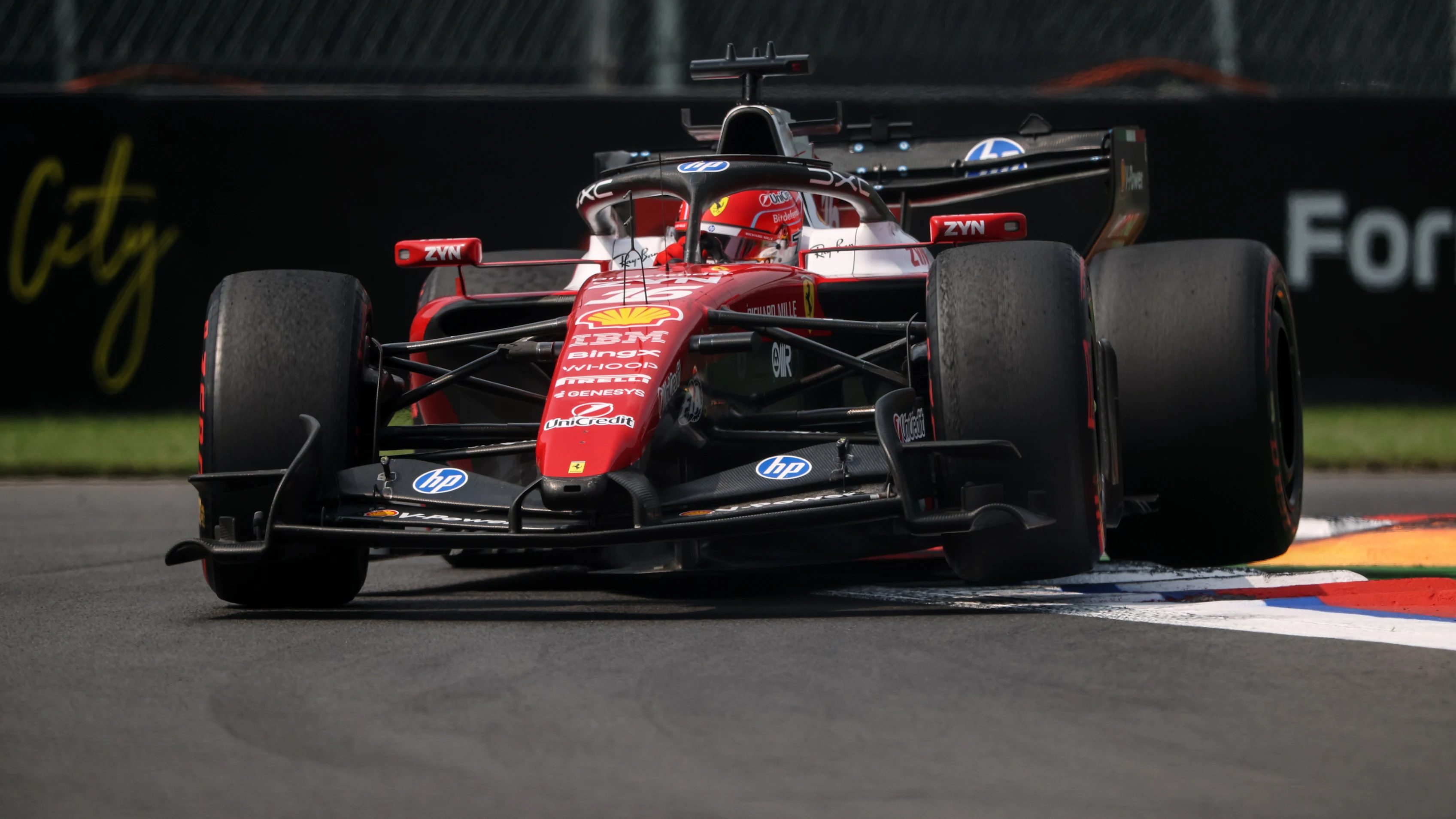
Friday's broader pace picture offered little comfort to a team losing grid positions. Leclerc led both sessions and set a 1:17.827 in FP2. Lando Norris followed 0.103 seconds behind, George Russell was another three thousandths back, and championship leader Kimi Antonelli was fourth. Verstappen's fifth place showed Red Bull was within reach of the leading group, but it did not show the clear pace advantage that would make a grid penalty easy to shrug off.
The weekend also has unusual championship significance. Antonelli arrives with a commanding advantage and can secure the 2026 drivers' title in Mexico by finishing ninth or better. That puts attention on the Mercedes driver's ability to manage a high-pressure weekend, while Ferrari's Friday speed suggests the fight for pole and victory could involve several teams. Verstappen may not be central to the championship arithmetic, but a strong qualifying result still matters for Red Bull's momentum and its late-season ambitions.
For Lawson, the midfield is likely to be even less forgiving. Racing Bulls can produce competitive single-lap speed, but a one-place penalty in a tightly packed section of the grid may move him behind a car with a different race-pace profile. That changes the opening stint and could force him to take greater risks in traffic. It also creates the exact kind of Sunday test that matters to a driver whose next contract remains unresolved.
Neither team should overreact before Saturday. The timesheet is a collection of different programmes rather than a direct ranking of race potential, and the cooler conditions of qualifying can change the balance. Verstappen and Lawson still have opportunities to improve their cars, understand the tyre behaviour and earn the best possible starting spots. The penalties are fixed; the competitive damage is not.
The more revealing consequence may be how both garages handle their drivers. Red Bull needs Verstappen focused on execution rather than a personal feud. Racing Bulls needs Lawson to demonstrate that he can compete assertively without turning every on-track disagreement into a confrontation. Their team principals also have an incentive to keep the two outfits from spending another session fighting each other instead of the rest of the grid.
By Sunday evening the lost place may prove irrelevant, or it may become the decisive obstacle in a race decided by small margins. That is the nature of a grid penalty issued before anyone knows the final qualifying order. What is already certain is that the stewards have drawn a line: two drivers who should have been preparing for a race instead damaged their cars, interrupted practice and made the next phase of the weekend harder for themselves.

The stewards' verdict strips away the most distracting part of the argument. Verstappen and Lawson can disagree about who left space and who provoked the contact, but both received the same one-place grid drop and a penalty point. That is the new story after Friday's clash: the consequences have moved from the radio to Sunday's starting order.
Mexico now offers a straightforward test of professionalism. Verstappen must recover the performance his Red Bull can deliver, Lawson must protect a strong season while his future remains open, and both must avoid turning a shared mistake into a second one. In a weekend already dominated by Ferrari's speed and Antonelli's title opportunity, the Red Bull family has supplied an unnecessary subplot of its own.

















