

Whittaker Returns to Sydney After 12 Years — Guskov Can Ruin the Homecoming
GOATIFYRobert Whittaker is finally fighting in Sydney again. The former UFC middleweight champion will face Bogdan Guskov in a light heavyweight co-main event at Afterpay Arena on Sunday, February 7, 2027 local time (Saturday, February 6 in the United States). It is his first appearance in the city since 2014, and his first fight anywhere in Australia since losing the title to Israel Adesanya in Melbourne in 2019.
The homecoming is the headline, but the matchup is not ceremonial. Whittaker is trying to prove that his July move to 205 pounds can produce another serious run. Guskov, a dangerous finisher looking to recover from a difficult defeat, has the power and size to make that ambition uncomfortable. This is a booking that tests both men's futures rather than simply rewarding a popular veteran with a friendly crowd.
Twelve Years Away: Why Sydney Matters More Than a Home Crowd
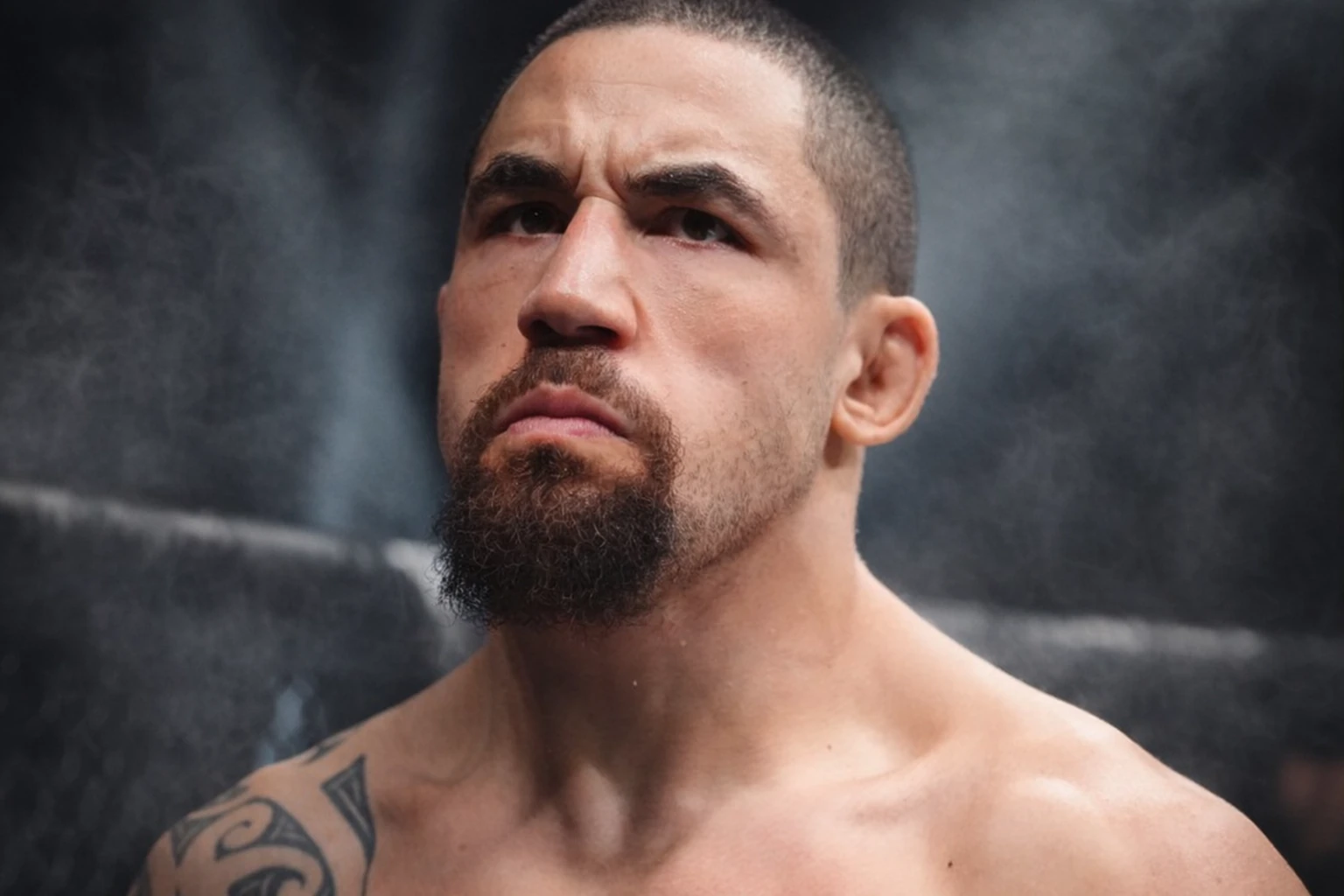
There is a particular symmetry to Whittaker's return. His last Sydney appearance came in November 2014, when he knocked out Clint Hester in the second round. That was an important early step in the transformation of a promising Australian fighter into an elite middleweight. More than a decade later, he returns as a former champion trying to establish a second career at a higher weight.
The years between those appearances changed everything. Whittaker became a champion, fought through a series of defining contests against the division's best, and experienced the brutal reality of losing a belt in front of a record-sized Australian audience. His October 2019 defeat to Israel Adesanya at UFC 243 in Melbourne remains the last time he competed in his adopted home country. A Sydney appearance has therefore become more than a geographical footnote: it is a chance to reconnect with the audience that watched his rise while demonstrating that his competitive story is still unfinished.
There is also a practical advantage to fighting at home, though it should not be exaggerated. Familiar surroundings can simplify travel, scheduling and the support system around a camp. Family and local fans can add energy on fight night. None of those benefits automatically wins an exchange, stops a takedown or neutralizes an opponent who lands cleanly. Guskov will be fighting the man, not the crowd.
Whittaker's popularity can obscure how unforgiving this stage of his career is. At 35, he cannot afford to treat a high-profile co-main event as a sentimental exhibition. The opponent is ranked, the division is dangerous and the result will shape how seriously his light heavyweight ambitions are viewed. A second consecutive victory at 205 pounds would turn July's impressive debut from a promising experiment into evidence of a genuine new chapter.
That is why the booking works. It delivers the emotional payoff of a long-awaited return without sacrificing sporting jeopardy. The city provides the occasion; the opponent provides the test.

Whittaker's 205-Pound Reset Has Already Passed One Major Test
Whittaker did not move to light heavyweight because middleweight suddenly became easy. His last two outings at 185 pounds ended in defeats to Khamzat Chimaev and Reinier de Ridder. Years of demanding weight management and repeated encounters with elite opponents made a fresh approach attractive. Moving up to 205 pounds reduced the strain of cutting weight, but it introduced a different problem: almost everyone across from him would be naturally bigger.
The first evidence arrived at UFC 329 in July. Against Nikita Krylov, Whittaker displayed the footwork, timing and combination punching that made him a champion. Krylov attempted to impose his physicality and wrestling, but Whittaker repeatedly found room to strike. A sequence of sharp right hands produced a third-round TKO at 1:01, ending his two-fight losing run. The important lesson was not merely that he could hurt a light heavyweight. It was that his speed and shot selection remained relevant against an opponent with the dimensions of the new division.
One successful debut, however, is not a complete scouting report. Krylov and Guskov ask different questions. Guskov carries a serious finishing threat and can make exchanges chaotic. Whittaker must judge when to enter, when to leave and how to prevent a physically larger puncher from turning short bursts into sustained pressure. The timing that beats an opponent to the punch is valuable only if the fighter remains defensively responsible afterward.
The Australian's greatest asset may be the range of ways he can win rounds. He can build offense behind quick entries, change angles rather than retreating in straight lines, and force opponents to reset their feet. If those habits survive against Guskov's power, the matchup becomes a strong argument for his new weight class. If he is trapped in prolonged exchanges, the size difference may become far more consequential than it looked against Krylov.
The temptation is to frame the change as a miraculous reinvention. A better reading is that Whittaker is trading one set of costs for another. Less energy spent making 185 pounds may improve his preparation and resilience, but he now has to solve opponents whose natural strength and reach are not going away. Sydney will show whether the benefits continue to outweigh the risks.

Guskov's Knockout Power Makes This a Real Fight, Not a Victory Lap

Bogdan Guskov is not arriving in Sydney as a handpicked opponent designed to make the hometown favorite look good. The Uzbek light heavyweight has 18 professional victories, all by stoppage, including 15 knockouts and three submissions. That finishing profile does not guarantee he will land the decisive shot against Whittaker, but it explains why even a brief defensive lapse could change the entire fight.
Guskov's climb was built on decisive performances against opponents such as Ryan Spann, Billy Elekana and Nikita Krylov. The Krylov connection is especially interesting: both fighters in the Sydney co-main event have recently stopped the same veteran, although those results alone cannot establish which man would win a direct matchup. Different styles, fight conditions and tactical decisions make such comparisons unreliable.
His more recent results are mixed. Guskov fought former champion Jan Błachowicz to a majority draw in December 2025, then stepped into a July 2026 main event against Magomed Ankalaev on short notice. Ankalaev eventually stopped him in the fifth round. That defeat exposed questions about Guskov's ability to sustain offense and solve an opponent who controls the terms of engagement over a long fight. It also came in unusual circumstances, so it would be simplistic to treat one difficult night as the final verdict on his ceiling.
Against Whittaker, the tactical problem is different. Guskov will not need to outwrestle an elite grappling specialist for five rounds to be dangerous. He needs to establish a threat that makes Whittaker hesitate before entering the pocket. The right counter, a forceful combination or sustained pressure against the fence could disrupt the Australian's rhythm. But if Guskov loads up and repeatedly misses, Whittaker has the movement and experience to punish those openings.
Both men have something to prove. Guskov needs a major victory to reassert his place among the division's contenders after a draw and a loss. Whittaker needs to show his light heavyweight debut was the beginning of a trend. That shared urgency makes the matchup more competitive than the simple narrative of a returning local hero might suggest.

A Loaded Sydney Card — And a Bigger Question About Whittaker's Ceiling
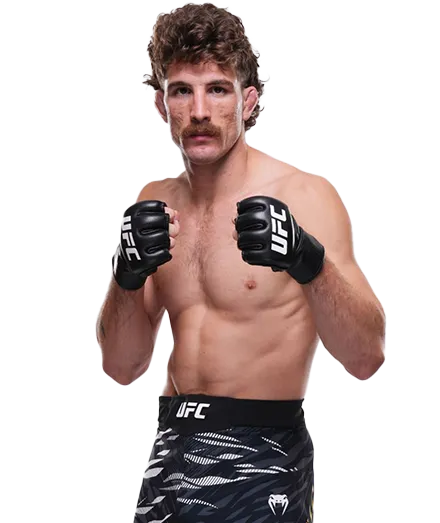
Whittaker and Guskov will not carry the February event alone. The Sydney card is scheduled to be headlined by rising Australian lightweight Quillan Salkilld against aggressive French finisher Benoît Saint Denis. Salkilld has started his UFC career with six victories in six appearances, while Saint Denis has built a reputation for pushing a punishing pace and finishing fights. Together with the Whittaker co-main event, the card offers a blend of local momentum, veteran name recognition and genuine competitive uncertainty.
The venue is Afterpay Arena in Sydney Olympic Park, with the event falling on Sunday, February 7 in Australia and Saturday, February 6 for the US broadcast. That date distinction matters: international event announcements frequently display the American broadcast date, even though the fighters will compete on the following calendar day in Sydney. Fans planning around the local schedule should use the Australian date.
For Whittaker, the longer-term stakes sit inside the light heavyweight rankings. A win over Guskov would make him 2–0 in his new division and strengthen the argument that he deserves another high-level matchup. It would not, by itself, entitle him to a title shot. One must consider the established contenders, recent results and the division's championship calendar before turning a good win into a guaranteed next step.
There is also a danger in projecting too far ahead. Whittaker's reputation and championship experience are substantial, but his new division still has limited evidence of how he performs against different styles. Krylov tested his ability to manage size and grappling threats. Guskov will test his defensive discipline against a committed finisher. A future opponent could ask an entirely different question. Building a second title run means answering each one rather than assuming the first answer applies to everyone.
Guskov has a simpler immediate opportunity. Beat a former champion in his home city and a difficult July defeat will no longer dominate the conversation about his trajectory. The winner earns credibility, but the manner of victory may be just as revealing. A controlled Whittaker decision, a sharp Whittaker stoppage or a sudden Guskov finish would tell very different stories about the division.
The Sydney crowd will almost certainly favor Whittaker. The ranking conversation after the fight, however, will depend on what happens in the cage. That is the distinction between a compelling homecoming and a genuine title-contender statement.
Robert Whittaker versus Bogdan Guskov is a smart co-main event because its appeal runs deeper than nostalgia. Whittaker returns to Sydney for the first time since 2014, now fighting at 205 pounds after a decisive debut win. Guskov arrives with knockout power, a recent setback to answer for and a chance to derail a popular former champion's second act.
Whittaker has the technical speed and experience to make this his night, but he must prove he can repeatedly avoid the danger carried by a bigger finisher. Guskov has the power to upset the script, but must show that he can impose it against a disciplined, mobile opponent. The homecoming will sell the occasion. The matchup itself will decide whether Whittaker's light heavyweight resurgence is built to last.

















