Nick Walker’s Olympia Mindset: The Mental Battle Behind Brutal Bodybuilding Prep
UPLIFT IRON CLUBNick Walker is only days away from the 2026 Mr. Olympia, but his latest prep update was less about carbs, sets or posing and more about the part of contest preparation that never shows up in a training log: what happens in your head when the body is tired, expectations are loud and the finish line still feels far away.
Walker has been unusually open about that side of bodybuilding. He says he tries to keep moving when training gets ugly, but he has also learned that there is a point where stubbornness stops being strength. If he feels himself sliding back toward a genuinely bad mental place, he would rather step away than keep digging simply because a contest is close.
That makes his comments more useful than another generic “be tougher” speech. Elite bodybuilding rewards extreme consistency, but the same mindset that drives progress can become self-destructive when every good result is immediately dismissed and every bad day becomes a personal failure. Walker’s recent career makes the tension obvious: a torn hamstring cost him the 2023 Olympia, he finished sixth in 2025, then rebounded with second place at the 2026 Arnold Classic and a Tampa Pro win that secured his Olympia qualification.
The Mental Pressure of Olympia Prep Is More Than “Motivation”
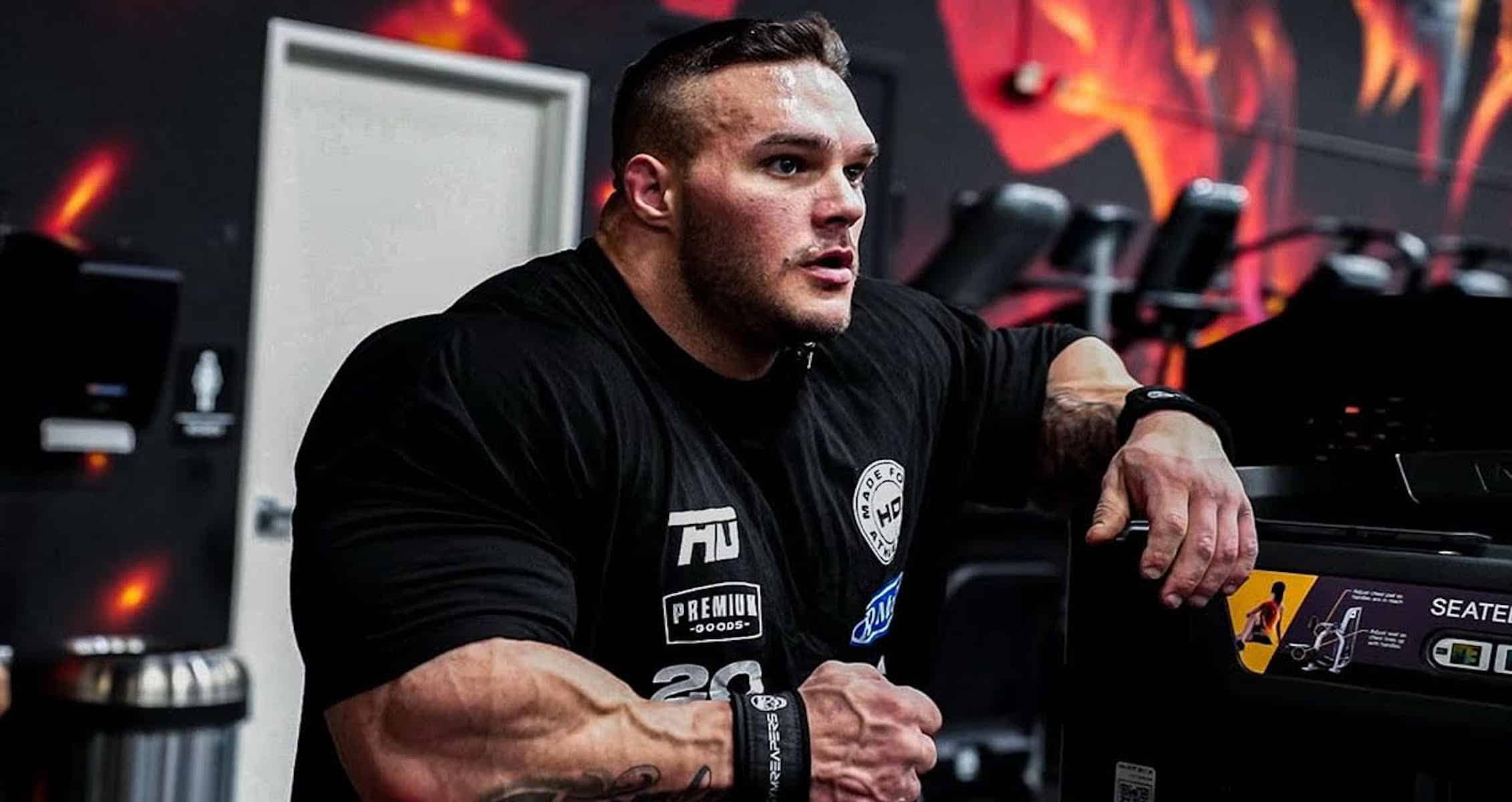
By the final weeks of a bodybuilding prep, motivation is a weak explanation for why somebody keeps showing up. Calories are controlled, cardio is high, bodyweight is falling, sleep can become less comfortable and small changes in appearance are judged every day. Add public expectations and the knowledge that months of work will be scored in a few minutes onstage, and the mental load becomes part of the performance.
Walker’s message is that the hard days are not an exception to prep; they are built into it. He has described needing to keep a strong headspace when the body is telling him to stop. In the gym that can mean squeezing out another technically sound rep when fatigue creates doubt. Outside the gym it means following the plan when the novelty of a prep disappeared weeks ago.
Prep also narrows an athlete’s world. Meals, training, cardio, posing and sleep happen on a schedule while social flexibility shrinks. That can make small setbacks feel much larger than they would in an offseason. A bad check-in is not just a bad photo; it can feel like evidence that the whole plan is failing. Good coaching helps by turning those emotions back into decisions: what changed, what did not, and what actually needs adjusting.
There is an important distinction, though. Competitive resilience is not the same as pretending stress does not exist. The useful skill is being able to recognize discomfort, decide whether it is productive, and respond instead of reacting. A hard set can be pushed. A bad mood after a flat workout can pass. A sustained mental-health decline deserves a different response.

“Mind Over Body” Works Best When It Means One More Good Rep

Walker’s point about the mind controlling the body is easiest to understand during a hard working set. The first reps are automatic. The last few are where the lifter starts negotiating: the weight suddenly feels heavier, breathing gets louder and the brain becomes very interested in stopping.
Experienced lifters learn that the first sensation of serious fatigue is not always the true end of the set. If technique is stable and the movement is safe, there may be another rep available. That is one reason Walker’s training is a poor fit for casual ego lifting but a good example of focused effort. He has recently emphasized controlled mechanics, muscle contraction and progressive overload rather than throwing weight around just to create a dramatic video.
That distinction is useful for anyone training hard. Effort is a skill. You can practice staying calm under discomfort instead of turning every difficult rep into a dramatic event. The goal is not to become numb to fatigue; it is to read it accurately. Experienced lifters often look composed during ugly sets because they know the difference between burning muscles, deteriorating mechanics and genuine pain.
For normal lifters, the practical lesson is simple: earn intensity with technique. Take a set close to failure, but define success as another clean rep rather than another ugly rep. If the target muscle is no longer doing the work, range of motion collapses or a joint starts complaining, “mental toughness” has stopped serving the goal.
The Darker Side of Ambition: Never Letting a Win Feel Like a Win

One of Walker’s more revealing admissions is that he struggles to let good results settle. He reaches a milestone and almost immediately moves the goalpost. That trait can create a world-class competitor because satisfaction never lasts long enough to slow the next push. It can also make an objectively huge achievement feel strangely empty.
The 2026 Arnold Classic is a good example. Walker finished second behind Andrew Jacked, narrowly missing the title, but the performance was also an important rebound after sixth place at the 2025 Olympia. Later, winning the Tampa Pro secured his return to the Olympia stage. A healthy competitive mindset can hold both ideas at once: second place is not the result he ultimately wants, and it can still be evidence that the rebuild is working.
A simple way to prevent moving-goalpost syndrome is to keep two scoreboards. One tracks the next objective; the other records what has already improved. New goals keep training moving forward, while the second list prevents your brain from rewriting the past as if nothing has ever been enough. Competitive athletes may never become fully satisfied, but they can still recognize evidence that the process is working.
Recreational lifters fall into the same trap on a smaller scale. You add 20 kilograms to a deadlift, then immediately compare yourself with somebody stronger. You lose ten kilograms, then decide the only thing that matters is visible abs. You build your best physique, then zoom in on the weakest body part. Goals are useful; refusing to acknowledge progress is not.

Knowing When to Back Off Is Part of a Strong Mindset
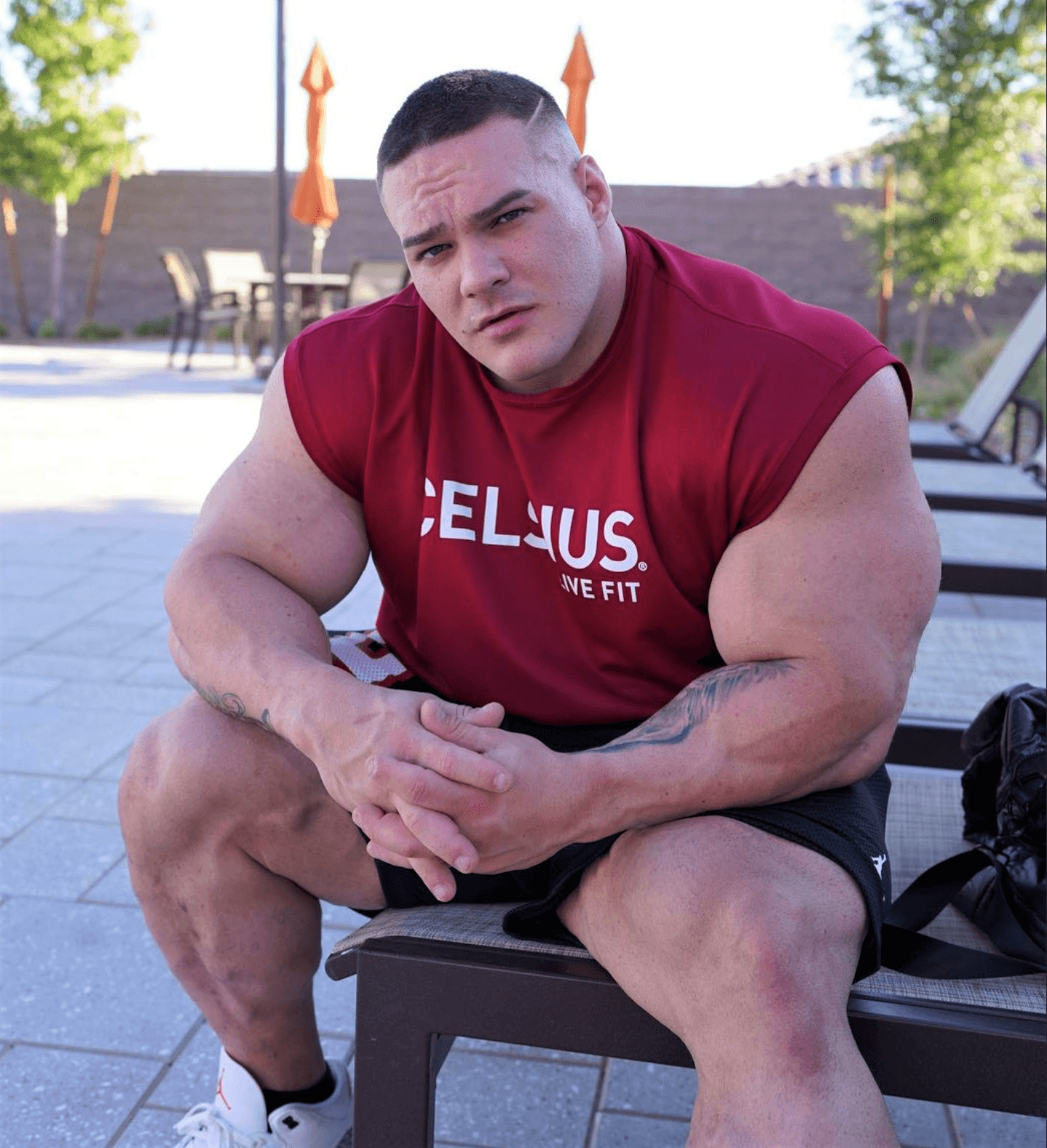
The most mature part of Walker’s comments is not the message about pushing through. It is the limit he puts on that idea. He has said that if he feels himself returning to a mental place he does not want to revisit, he is prepared to take a break regardless of how deep he is into prep.
That matters because bodybuilding culture often celebrates suffering without asking whether the suffering is still useful. Contest preparation is intentionally demanding, but there is no medal for ignoring every warning sign. A smart athlete adjusts cardio, food, training volume, sleep or the competitive plan when the cost stops matching the benefit.
The same applies outside bodybuilding. Deloading because performance has been falling for two weeks is not weakness. Taking an extra rest day because sleep has collapsed is not laziness. If training is worsening a serious mental-health problem, getting qualified professional help matters more than protecting a streak in an app.
Walker has also spoken earlier in 2026 about the value of giving his body time away from repeated contests. That fits the same philosophy. Strategic rest is not the opposite of ambition; sometimes it is what makes another high-level push possible.
His Comeback History Explains Why “Never Quit” Matters to Him

Walker’s fixation on resilience makes more sense in the context of his recent career. A torn hamstring forced him out of the 2023 Olympia just before the contest. He returned to win the 2024 New York Pro, later endured the disappointment of sixth at the 2025 Olympia, then rebuilt again for 2026.
This season has restored his position among the biggest threats in Men’s Open. He placed second at the Arnold Classic and won the Tampa Pro to qualify for the Olympia. He has also made it clear that he believes he can win even if the rest of the field arrives at its best.
That confidence will be tested in Las Vegas when the 2026 Mr. Olympia runs September 24–27. The result is unknowable now, but Walker’s stated legacy goal is broader than one placing. He wants to be remembered as the guy who kept coming back after setbacks. Given the injury, missed opportunities and recent rebound, that is not manufactured motivational copy; it is the theme his career has actually produced.

What Regular Lifters Can Take From Nick Walker’s Olympia Mindset
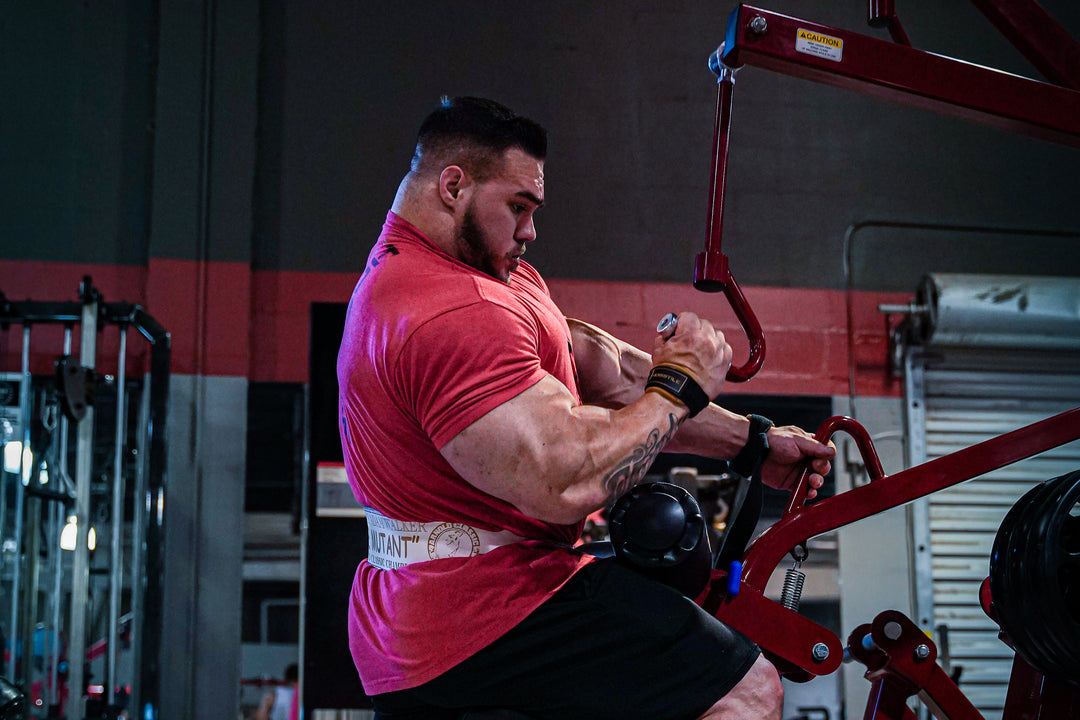
The useful lesson is not to copy the psychology of an elite bodybuilder at full contest-prep intensity every day. Most people do not need that level of sacrifice. The better takeaway is to separate three different situations that lifters often lump together as “motivation.”
Normal resistance: you do not feel like training, but you are healthy and recovered. Follow the plan anyway. Productive training discomfort: a set is brutally hard, but technique and safety are intact. Stay present and finish the work. Real warning signs: performance is collapsing, pain is escalating, recovery is failing or training is seriously damaging mental health. Adjust the plan instead of trying to out-stubborn the problem.
That framework is much closer to Walker’s current message than blind “no days off” culture. His career has demanded the ability to push, but it has also forced him to learn when pushing harder is the wrong answer.
The Olympia will decide where Walker stands against the best physiques in the world. His comments before the show already offer something more broadly useful: toughness is not pretending the mind never struggles. It is knowing when the struggle is asking for another rep, when it is asking for patience, and when it is telling you to stop digging.

Bodybuilding Shirts & Pump Covers
Gym apparel for lifters who understand that prep gets ugly long before the stage lights turn on.
EXPLORE COLLECTION