

Coello–Galán vs Tapia–Chingotto? Doha's Dream Final Has a Catch
GOATIFYThe most intriguing match at the 2026 FIP World Cup may be one that has not even been scheduled. Imagine Spain sending Arturo Coello and Alejandro Galán onto the court against Argentina's Agustín Tapia and Federico Chingotto. Four of padel's defining stars, but not the partnerships that have shaped the professional tour. Coello normally wins alongside Tapia; Galán normally builds points with Chingotto. A national-team final could scramble both combinations in one move.
That prospect is drawing attention ahead of the November 2–7 tournament in Doha, where Argentina defends the men's crown and Spain seeks to take it back. It is a compelling tactical thought experiment, not a confirmed lineup. Spain's coach has already discussed a different pairing, and team ties involve more than a single showcase match. The more useful question is not simply which fantasy duo would win. It is what each country would gain, sacrifice and risk by breaking apart the two partnerships that dominate the club circuit.
A World Cup final would turn the familiar rivalry inside out
On the Premier Padel circuit, the rivalry has an unusually stable shape. Tapia and Coello are the established leaders, while Galán and Chingotto have spent season after season learning exactly where to pressure them. Every meeting adds detail to a shared tactical map: who controls the net, which diagonal survives the longer rally, and how the pair under pressure reacts to a sudden change of pace.
International competition changes the geometry. Tapia is Argentine and Coello is Spanish; Chingotto is Argentine and Galán is Spanish. Their club partnerships cannot represent the same country together. That means the knowledge built over countless tour finals becomes both a weapon and a problem. Each player knows the tendencies of a regular partner who may now be standing across the net. The usual signals, positioning habits and finishing patterns would need to be replaced with a national-team combination that has far fewer competitive repetitions.
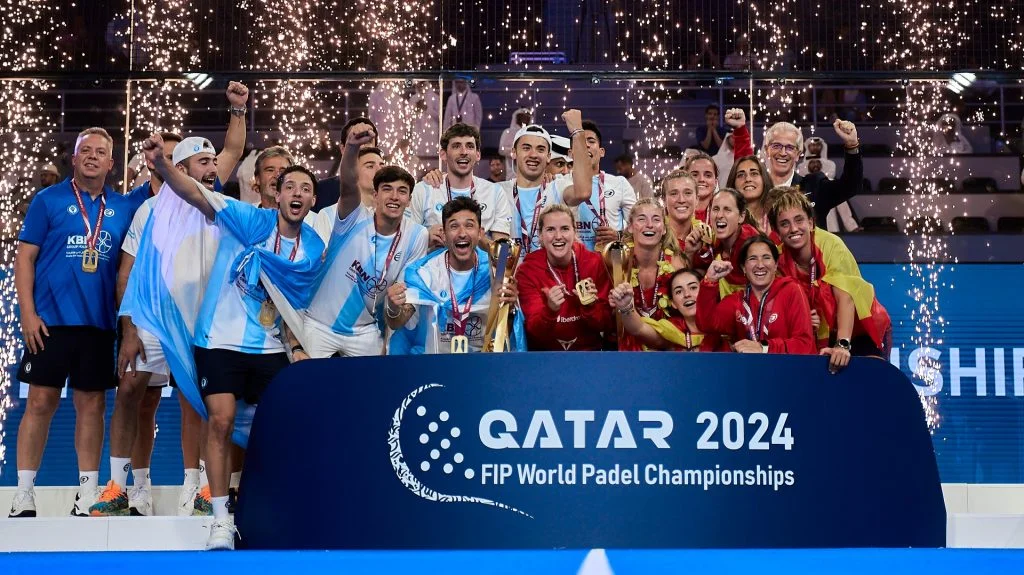
The stakes are not theoretical. Argentina won the men's world title in 2024, while Spain took the women's crown. The 2026 edition brings 16 men's and 16 women's national teams to Doha, with group play followed by quarter-finals, semi-finals and the November 7 finals. A men's tie is decided over up to three doubles matches, so even the strongest possible pair cannot secure the trophy by itself. Coaches must consider how three pairs fit together, which players cover the right and left sides, and how to respond to the opposition's order.
That is why the four-star meeting is such an appealing headline but a complicated coaching decision. One explosive pairing could win its court and still leave the rest of a lineup exposed. The best national selection may be the one that wins two points reliably, rather than the one that produces the most spectacular individual match.
Coello and Galán offer enormous power — and a real balance question
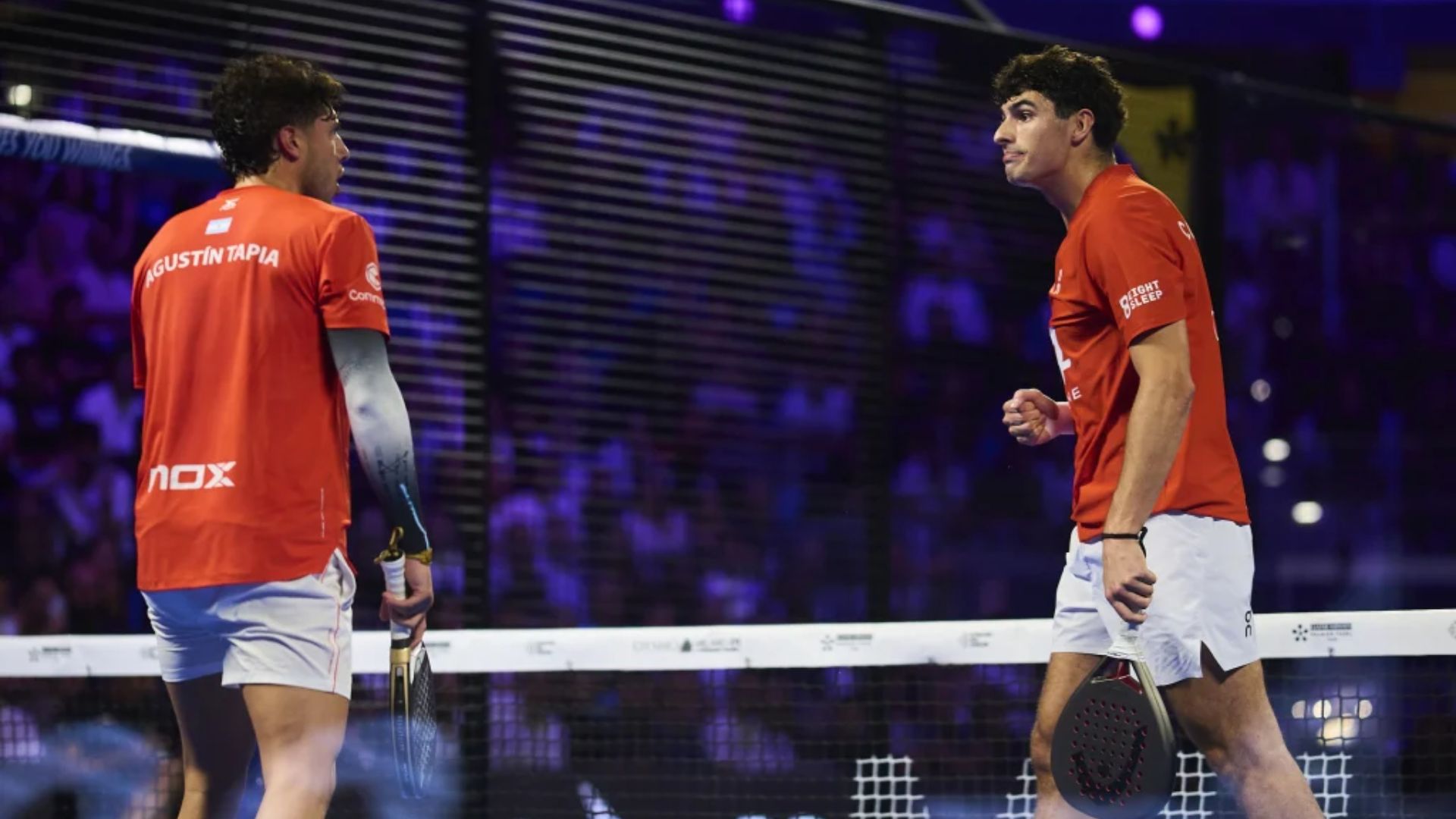
The argument for a Coello–Galán pairing starts with territory. Coello is a left-handed right-side player whose reach and ability to finish above the net change the dimensions of a rally. Galán, operating naturally on the left, supplies another elite finisher with the speed to attack balls that most opponents would simply keep in play. Put them together and Spain could threaten winners from both halves of the court, reducing the safe places for an opponent to lift the ball.
Coello's recent season supplies plenty of evidence for his capacity to close out difficult points. He and Tapia arrived at the World Cup build-up after a four-title run that included the Paris Major and October's Milan P1. In Milan they recovered from losing the opening set to Juan Lebrón and Leo Augsburger, eventually winning 4–6, 6–3, 6–2. That resilience matters as much as the spectacular smash. It suggests Coello can absorb a spell when his opponents control the net and still find the decisive swing later.
But adding Galán is not the same as adding his normal partner's defensive architecture. Chingotto's court coverage gives Galán the freedom to attack aggressively, knowing the point can be reset if the first acceleration fails. Coello offers a different type of support: height, reach and another direct finishing threat. The Spaniards could suffocate opponents quickly, but they would also have to agree on who takes the middle ball, when one player retreats to rebuild the rally, and which player assumes responsibility when a lob gets behind them.
Those are solvable questions, not automatic advantages. Fast courts could reward the double-attack concept; slower conditions might expose the cost of losing Chingotto's extraordinary defensive consistency. Spain also has alternatives, including combinations involving Coki Nieto and Mike Yanguas. Coello's chemistry with other right- and left-side options is part of the selection puzzle. A national coach must resist choosing two famous names simply because they look unbeatable on paper.

Tapia and Chingotto could control rallies in a completely different way
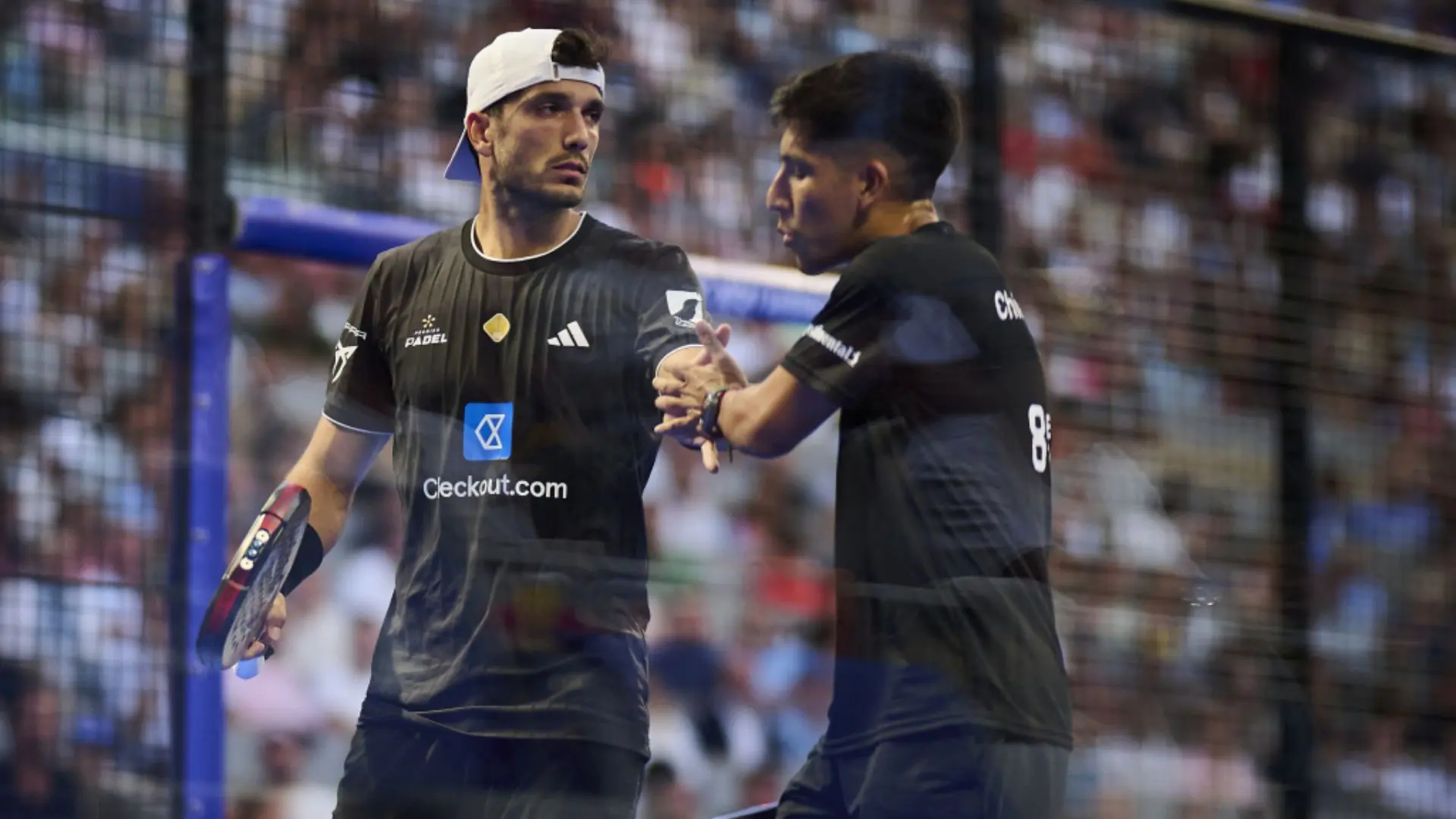
Argentina's hypothetical answer would be less about overpowering Spain and more about changing the rhythm of the contest. Tapia is one of the sport's most creative attackers, capable of turning a defensive position into a winner through timing and disguise. Chingotto is among its most persistent defenders, reading angles early and extending points until a better opportunity appears. Together they could ask Coello and Galán to finish the same rally two or three times.
The difficulty is how the partnership would redistribute jobs. With Coello, Tapia has an extraordinary right-side partner who can end rallies with his reach and left-handed attack. With Chingotto, more of the finishing burden would fall on Tapia. That might make him more central to Argentina's offense, but it would also make his decisions easier to anticipate if Spain succeeds in preventing Chingotto from moving forward. Argentina would need to turn long defense into purposeful counterattack, rather than simply surviving another smash.
Chingotto's recent tour work with Galán offers a useful illustration. Their best passages against the world leaders come when Chingotto keeps Coello behind the service line, forces an extra volley and gives Galán the chance to strike from a favorable position. A pairing with Tapia would retain the first part of that idea but change the finishing angles. Tapia's shot selection is less linear, with disguised pace changes and touch that can wrong-foot opponents who expect a conventional drive or smash.
Argentina also has depth beyond the dream combination. Leo Augsburger and Tino Libaak have World Cup history together, and the squad offers several different right-left balances. That flexibility is important in a three-match tie. Even if Tapia–Chingotto were Argentina's strongest answer to a Coello–Galán pairing, using them might force the coaches to reshape the other two courts. The arithmetic of a team event can be more demanding than the appeal of one glamorous pairing.

Spain's Lebrón–Galán plan is the biggest obstacle to the dream match
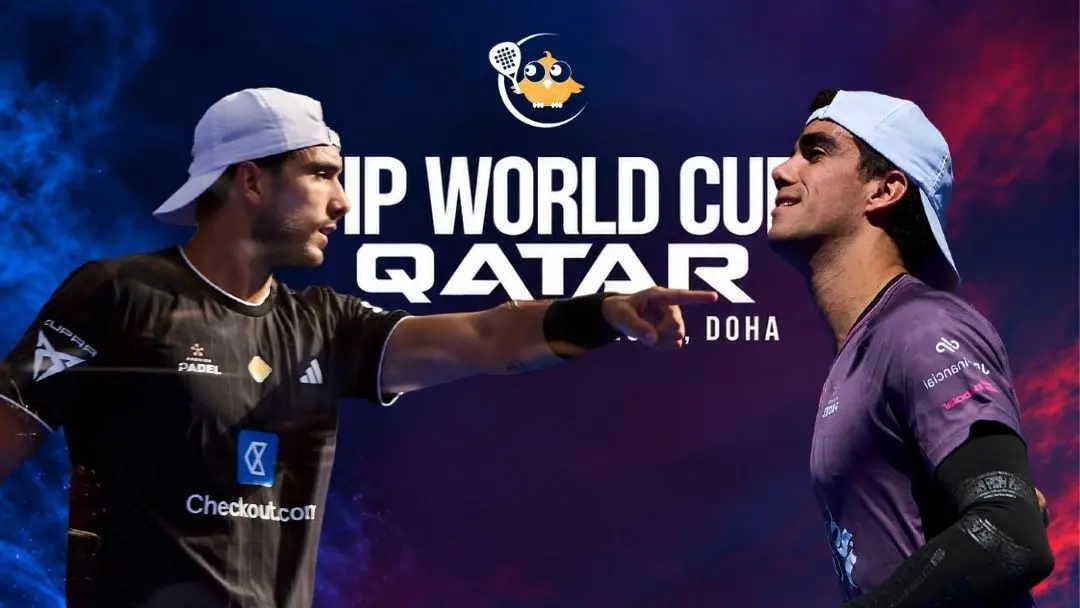
There is one decisive reason to avoid presenting Coello–Galán versus Tapia–Chingotto as a fixture: Spain's coach Juanjo Gutiérrez has already said he intends to reunite Juan Lebrón and Galán at some point during the 2026 World Cup. The former world-leading partnership ended in 2024 after a difficult period, but the two have represented Spain together since. The coach's comments concern a planned reunion, not a promise that they will play every decisive match.
That distinction matters. Lebrón–Galán offers Spain a proven history and a specific tactical identity, but it also consumes Galán's place in one of the three pairings. Coello would then need a different partner. A coach can adapt between ties and select according to opponents, yet there is no reason to assume the most dramatic four-player configuration will be chosen for the final, or that Spain and Argentina will even meet there. Their names do not automatically determine the bracket.
The tournament format leaves room for strategy before any final becomes possible. The opening ceremony and group draws are set for November 1. Group matches run November 2–4, with the top two countries from each group reaching the quarter-finals on November 5. Semi-finals follow on November 6 and the championship ties on November 7. Coaches will have several opportunities to observe court speed, combinations and player form before the final selection decisions.
For fans, the most exciting possibility is not merely watching familiar tour rivals in national colors. It is seeing whether the best four players can abandon the instincts built with their regular partners quickly enough to create something new. Coello–Galán against Tapia–Chingotto could be extraordinary. Until teams are named for the specific tie, however, it belongs in the category of informed possibility, not confirmed sports news. Doha will decide whether the fantasy becomes a tactical problem that must actually be solved.
Spain's raw attacking ceiling might make Coello and Galán slight favorites in a one-off hypothetical match, particularly on a quick court. Argentina's Tapia–Chingotto alternative has a plausible route through defense, patience and the ability to force a second decision after every apparent winner. Neither pairing can be judged only by the achievements of its two individuals.
The bigger question is which country can turn eight exceptional players into three dependable doubles teams. With Argentina defending the men's title and Spain trying to reclaim it, the World Cup's real drama will come from the coaches' choices as much as the stars' strokes. The imagined super-match is a fascinating preview. The confirmed lineup — and the trophy — must still be earned in Doha.
Shop GOATIFY padel products from the Padel-filtered collection scope.

















