

First NBA Game With Kids: Make It Fun, Not a Four-Quarter Test
GOATIFYThe first NBA game you watch with a child should not feel like an exam about basketball. You might know every roster move and every defensive scheme; they might be impressed by a mascot, a giant screen, a spectacular dunk or the fact that the entire crowd stands up at once. That difference is not a problem. It is the doorway into a sport that can become a family tradition.
The secret is to set a smaller goal than the final buzzer. Make the game understandable in thirty seconds, give the child a few things to look for, build in breaks and let their curiosity choose the next question. Watching at home and attending an arena game are different adventures, so this guide gives you a sensible plan for both—using current 2026-27 viewing information, real venue policies and family-friendly safety guidance rather than promising an easy night for every age.
Start with the right game, not a promise to watch every minute
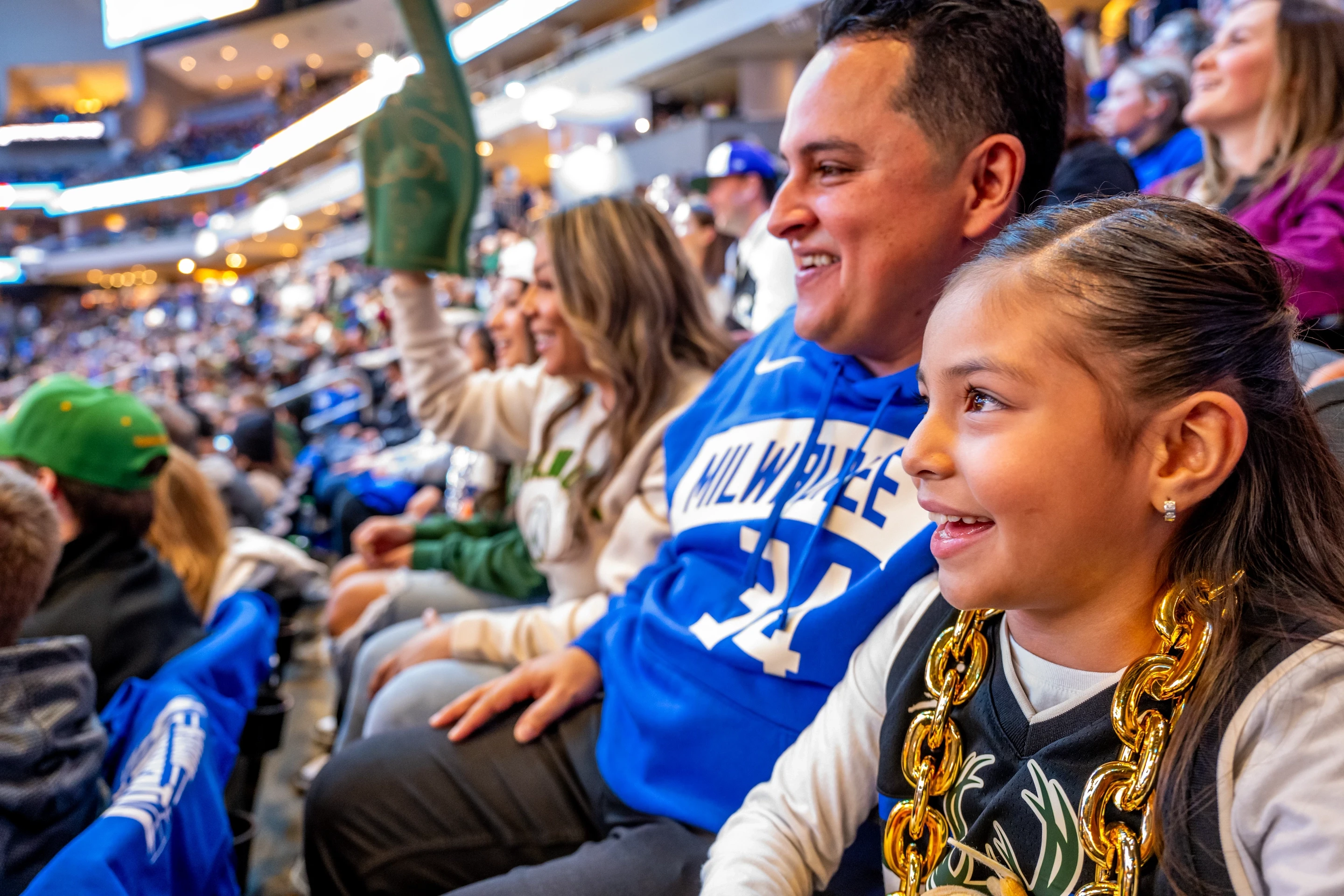
The first decision is not which superstar to introduce. It is how much basketball your child can reasonably enjoy in one sitting. An NBA game has four 12-minute periods of regulation time, but the actual evening includes whistles, timeouts, halftime, replay reviews and other pauses. That is a lot of sitting still for a child who has never cared whether a team is up by seven or down by three. Build the plan around an enjoyable first chapter, not a commitment to the final buzzer.
Choose a matchup with an easy story to tell. A local team, a relative's favorite club, a player with a memorable celebration or two bright team colors can be enough. A close game may become exciting on its own, but a lopsided result should not make the outing a failure. If a child asks which team has the cooler mascot, use that. They do not need a scouting report, a history of the rivalry or a favorite player picked for them in advance.
For home viewing, a convenient tipoff matters more than the biggest television matchup. A weekend or early game can beat a late prime-time event that pushes bedtime past everyone's patience. If the live schedule is unfriendly where you live, a replay or a short sequence of highlights can make a better introduction. Avoid promising your child that any particular game will be live on a particular service until you check the current broadcast listing for your location.
For arena tickets, work backwards from the child's comfort. Consider travel time, sight lines, toilets, food options and the route back home before paying a premium for a glamorous seat. Higher seats can still provide a clear view of the whole floor. An aisle may be worth more to a family than sitting three rows closer if it makes breaks painless. Check the specific team's official venue guide, rather than assuming that every NBA building has identical admissions and bag rules.
Set one simple shared target: watch the opening quarter, find the team logo, count three impressive dunks or stay through the first mascot appearance. Tell the child that you can reassess after that. A parent who arrives expecting a complete three-hour sports education may spend the evening policing attention; a parent who plans for forty minutes of curiosity has a much better chance of creating a fan.
GOATIFY
GOATIFY Basketball
Find basketball fan styles that make choosing a team fun.


Michael Jordan - Crying Jordan GOAT Crewneck Sweatshirt
A basketball fan design for everyday wear.
Shop Now ↗
Jalen Brunson – 2026 NBA Champion GOAT Sticker
Add basketball personality to your favourite gear.
Shop Now ↗
Anthony Edwards G.O.A.T. - Basketball Muscle Tank
A basketball fan design for everyday wear.
Shop Now ↗
Nikola Jokic G.O.A.T. - Basketball Coffee Cup Mug
Add basketball personality to your coffee break.
Shop Now ↗A quick pregame ritual helps. Let the child choose a color to wear, pick a small snack if allowed and guess which team will score first. The point is ownership. Children are more likely to enjoy a new experience when there is something they decided, even if the decision was simply blue versus purple.
Teach three basketball ideas, then let the game explain the rest
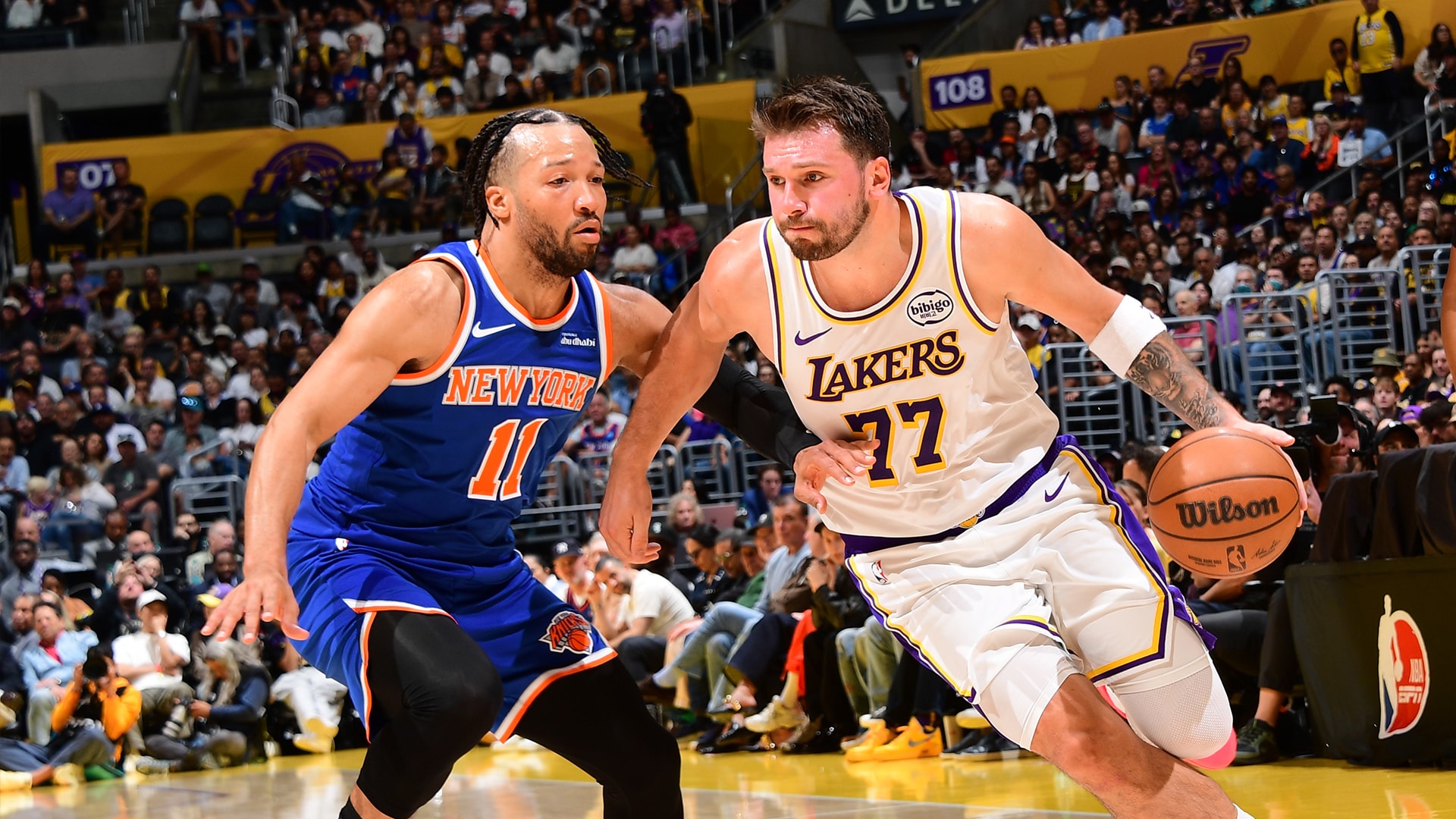
A first-time viewer does not need the full rulebook. Explain just three ideas and begin watching. First, the team with the ball is trying to score in the other basket. A normal made shot is worth two points, a shot from beyond the three-point arc is worth three, and a made free throw is worth one. Children can join the story immediately by calling out two or three after a basket, even if they cannot yet see exactly where the shooter's feet were.
Second, teams take turns attacking because possession changes after made baskets, rebounds, steals and some violations. The exciting part is the switch: someone loses the ball, everyone starts running the other way, and a new chance appears. Tell younger children to watch the players' direction rather than stare at the scoreboard the whole time. A fast break makes more sense as a race toward an open hoop than as a technical explanation of transition offense.
Third, the clock gives every attack urgency. Teams generally have a 24-second shot clock to try to score, while the game itself is broken into four 12-minute quarters. The shot clock can reset under different conditions, so do not insist that every possession must take exactly 24 seconds. A child can simply look for the tiny numbers counting down above the basket or on the broadcast graphic and shout when the offense has to do something soon.
For a first outing, introduce one player rather than every starter. Look for a visually recognizable choice: an athletic finisher, a big center contesting shots, a quick dribbler or a player who takes exciting long-range attempts. Ask, “Can you spot number 77 again?” instead of giving a biography. On a broadcast, follow that jersey when the camera changes. In an arena, point out where the chosen player is standing during free throws or between possessions.
Give the child permission to ask a basic question repeatedly. Why did the whistle blow? Why did everyone stop? Why is one player shooting alone? Sometimes the most helpful answer is simply “That was a foul; the referee stopped play.” If the adult starts debating charging circles and flagrant-foul criteria, the connection to the action disappears. Save the complex rules for when curiosity leads there naturally.
Make a game within the game. Count successful free throws, predict which team will score the next basket, look for a high five after a good pass or cheer when a defender blocks a shot. These tiny missions keep attention engaged through the stretches without an explosive dunk. When a child celebrates an obvious turnover in the wrong direction, smile and explain which team has the ball now. That is learning, not a mistake to correct sternly.
GOATIFY
GOATIFY Basketball
Keep the basketball excitement going with GOATIFY fan gear.

Crying LeBron – NBA Basketball Graphic Game Tee
A basketball fan design for everyday wear.
Shop Now ↗
Ja Morant Gun Basketball NBA Memphis Grizzlies Sweatshirt
A basketball fan design for everyday wear.
Shop Now ↗


LeBron Photobomb – NBA Basketball Muscle Shirt Tank
A basketball fan design for everyday wear.
Shop Now ↗
At home, make the broadcast fit your family

Home is the forgiving version of a first NBA game. You can pause, reduce the volume, move around, bring dinner to the table and leave the second half for tomorrow. Put that flexibility to work instead of recreating the pressure of an arena in the living room. Before tipoff, decide whether you want to watch live, start late with a replay or select a short highlight package. Even five memorable plays can be a successful first exposure.
Check where the specific game is actually shown. For the 2026-27 NBA season in the United States, national games are split among major broadcast and streaming partners, and NBA League Pass is not a universal live replacement. NBA's current blackout guidance distinguishes local and nationally broadcast games in the United States and Canada; viewing rights outside those markets operate differently. Start with the league's current schedule and the NBA App's game viewing links, then confirm your household's provider before promising an evening of live basketball.
A television is not the only option. A tablet can work for a short selection of plays, but a larger screen makes the movement of ten players easier to follow. Set the volume at a comfortable conversational level rather than trying to imitate a roaring arena. Keep a small clear space if your child wants to jump or mime a shooting motion. If a basketball is coming indoors, agree on a soft ball or a pretend shot instead of discovering what a real ball does to a lamp.
Turn stoppages into a feature. Commercials, coach's timeouts and halftime provide natural chances to refill water, stretch legs or ask a single question. Set a simple rule: anyone can say they need a break, and no one has to wait for the next quarter. Young children may follow the mascot, dance cam or funny crowd signs more closely than offensive sets. That is still participation in a sports broadcast.
Try a low-pressure family scoreboard. Instead of predicting the final score, give each person one silly or concrete thing to spot: a shoe in a surprising color, a player waving to the crowd, a three-point shot that hits nothing but net. Let the child choose what gets counted. A notebook with three checkmarks can turn a familiar adult hobby into a shared game without requiring constant concentration.
If your child loses interest after the first quarter, ask whether they want one more exciting possession and then end it. Do not frame stopping as quitting. The adult may continue watching later, and the child can return for a clutch final minute if still awake and curious. What matters is whether the child connects basketball with a friendly shared moment, not whether they sat through every timeout.
At the arena, plan for noise, breaks and a graceful exit
A live NBA game can feel enormous to a young child. The lights change, the announcer is loud, the music suddenly surges and thousands of fans react at once. Start by explaining that cheering may be very loud and that stepping into the concourse is always an option. For children sensitive to sound, or any young child likely to be startled by sudden bursts, properly fitting protective earmuffs are a smart item to pack. Pediatric guidance favors earmuffs for younger children; loose earplugs can be a choking hazard.
GOATIFY
GOATIFY Basketball
Bring game-night basketball style to your own living room.

Allen Iverson G.O.A.T. - Basketball - Greatest Hoodie
A basketball fan design for everyday wear.
Shop Now ↗
Devin Booker GOAT - Basketball - Phoenix Sweatshirt
A basketball fan design for everyday wear.
Shop Now ↗
Wemby G.O.A.T. - Victor Wembanyama Basketball Tee
A basketball fan design for everyday wear.
Shop Now ↗
Shrequille O'Neal - Shaquille O'Neal as Shrek Sticker
Add basketball personality to your favourite gear.
Shop Now ↗

Ja Morant Gun Suspension Memphis Grizzlies NBA Mug
Add basketball personality to your coffee break.
Shop Now ↗Protecting hearing matters even for children who seem thrilled by the noise. Loud sports environments can expose spectators to harmful sound levels. Choose a spot away from speakers when possible, keep hearing protection within easy reach and watch for signs of discomfort: covering ears, distress, pain or requests to leave. If they need quieter air, walk away from the loud area. Do not treat the protective gear as a punishment; let the child try the earmuffs before game day so they are familiar.
The venue's specific entry policy is part of the plan, not a last-minute detail. Some teams admit very young children without a separate ticket only when they sit on an adult's lap, but the exact age or height threshold differs. Orlando's game-day guide, for example, uses a 36-inch height threshold; the Lakers' arena guidance uses an age rule. Bag size limits, diaper or medical bag exceptions, stroller rules and door times also differ. Read the exact arena page for your game, download mobile tickets in advance and do not assume a screenshot will be accepted.
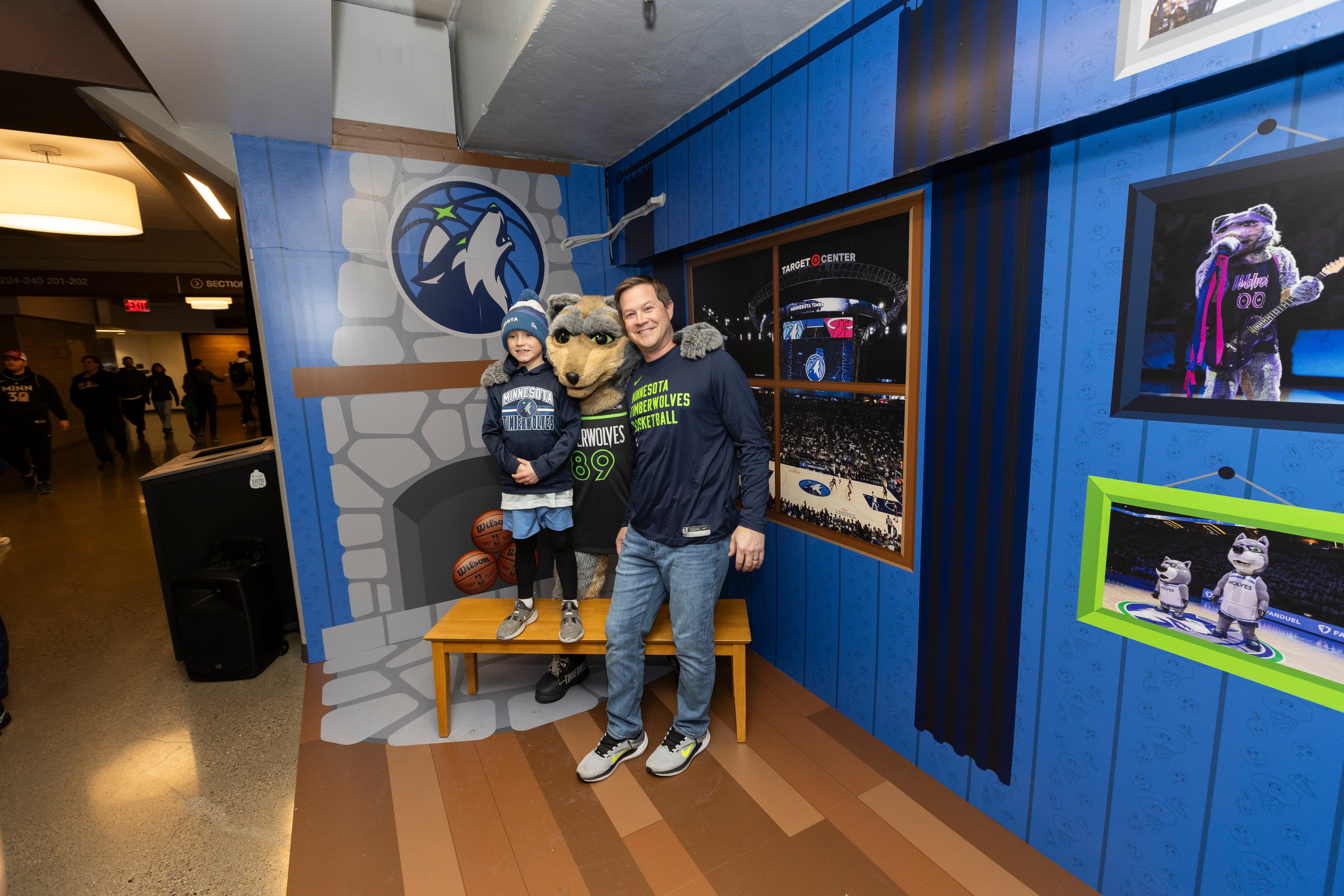
Arriving early can be worthwhile if it buys a calmer entry and a fun first sight of the court. It is not mandatory to spend extra money. If your arena offers a family zone, a mascot appearance or a first-game keepsake, decide whether that attraction might be more memorable than watching shootaround. Minnesota's 2026-27 Timberwolves guidance points families to the Kids Zone near Section 220, with games and mascot encounters, and describes first-game certificates through Guest Services. That is a good example of what to look for—not a promise that every NBA arena offers those exact perks.
Set a meeting point and a bathroom plan. Take a quick walk to find the nearest family restroom and an easier route to refreshments before the seats fill. Bring water and a suitable snack if venue rules permit them, or check what you can buy there. Dress in removable layers because entry queues and crowded seating may feel very different. For younger children, a familiar small comfort item can be more useful than extra merchandise, subject to the building's prohibited-items list.
Most importantly, make an early exit a legitimate victory. If the child's favorite moment was the mascot, a made three and a shared snack, you have already achieved something. A tired or overwhelmed child cannot be argued back into enthusiasm by pointing out the game is tied. Take a photo or talk about the favorite play on the way home. The most valuable souvenir from that first NBA outing may be a child asking when they can go again.
Your child's first NBA game does not need a favorite player, a full four quarters or a win by the team you chose. A great first viewing might be a few baskets on television, a mascot high five at the arena or a single question about why the referee blew the whistle. Those moments are enough to build on.
Choose an accessible game, explain the points and possession, let the child take ownership of one tiny challenge and protect their comfort. At home, pause freely and verify the right broadcast. At the arena, check the real ticket and bag rules, use hearing protection and leave when the fun is finished. The invitation that matters comes after the game: “What was your favorite part?” If they can answer with a smile, you have done it right.
GOATIFY
GOATIFY Basketball
Discover GOATIFY Basketball shirts, hoodies and fan gifts.


Kevin Durant G.O.A.T. - Basketball Decal Sticker
Add basketball personality to your favourite gear.
Shop Now ↗















