

3 Low-Impact Core Moves After 50: Build Stability Without Endless Crunches
UPLIFT IRON CLUBCore training after 50 does not need to mean hundreds of crunches or punishing HIIT. A fresh Tom’s Guide feature published September 10, 2026 makes a simpler case: use controlled, low-impact movements, keep the trunk stable while the limbs move, and progress resistance only when the positions stay clean.
The useful idea is not that one three-move circuit is magic. It is that core strength is a skill. You need to brace, breathe and resist unwanted movement while the hips and shoulders do their jobs. That transfers far better to lifting and daily life than simply chasing a burning sensation.
Why Low-Impact Core Work Makes Sense After 50
As training age and chronological age rise, the goal is not to make every session harder for its own sake. The goal is to create enough challenge to improve while keeping the work repeatable. Controlled core exercises are useful because they can train bracing and spinal stability without needing high impact or heavy external loading.
Start with positions you can own. If the lower back arches, the ribs flare or you have to hold your breath to finish the rep, shorten the range. The trunk should be working hard, but the exercise should still look deliberate.

Dead Bugs Teach the Core to Stay Still While You Move

The dead bug is a strong foundation because the challenge comes from keeping the pelvis and rib cage controlled while opposite limbs move. Lie on your back with hips and knees bent around 90 degrees and arms reaching upward. Slowly lower one arm and the opposite leg, then return without letting the lower back peel away from the floor.
Use six to ten controlled reps per side. If full leg extension makes you lose position, shorten the lever by keeping the knee bent. Progress by slowing the lowering phase, extending farther or adding light resistance—not by rushing.
Add Bracing, Carries and Progressive Resistance

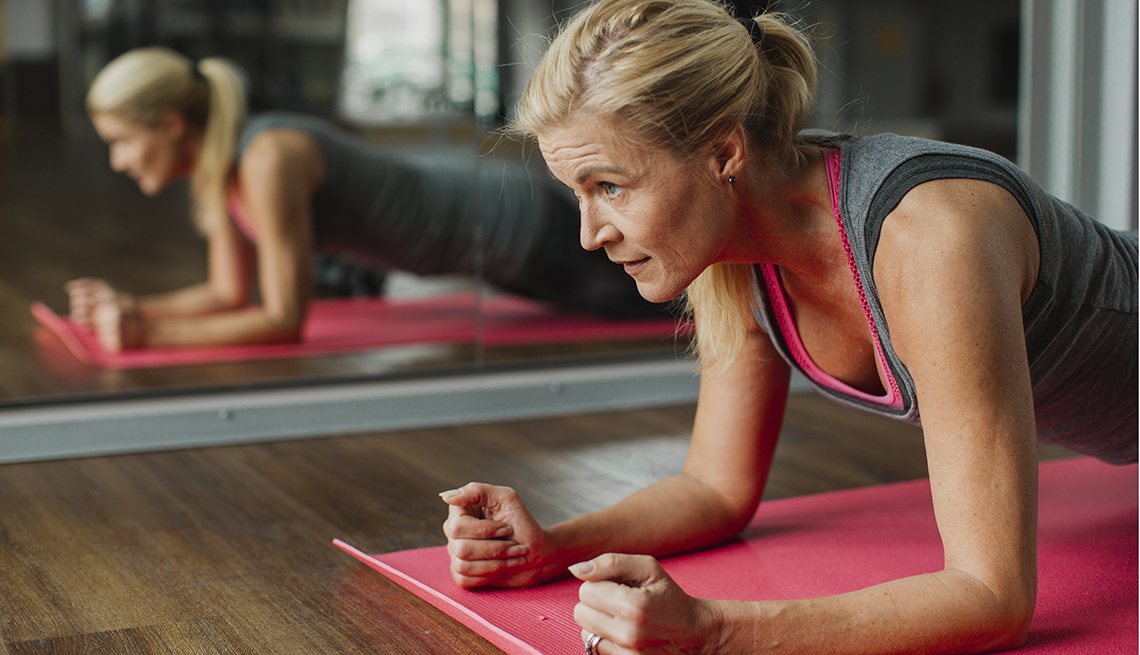
A plank teaches static bracing. A farmer carry adds movement and load. Hold two dumbbells, stand tall and walk with controlled steps without letting the torso sway. The exercise trains the trunk to resist side bending while grip, shoulders and legs work at the same time.
A simple session can be two or three rounds of dead bugs, a 20–40 second plank and a 30–60 second carry. Keep one or two reps or several seconds in reserve at first. Over the following weeks, add a little time, a little load or a slightly harder variation while keeping technique stable.

The best core routine is one you can progress without irritating the rest of your training. If you already squat, hinge, press and carry, your trunk is doing plenty of work. A short dedicated block can fill the gaps by improving control and endurance rather than exhausting you before the lifts that matter.

Gym T-Shirts & Workout Tees
Training designs for lifters who keep the basics strong.
EXPLORE COLLECTION

