Hugh Jackman’s Two-Move Leg Workout: Why Isometrics and Jumps Make a Smart Power Pair
UPLIFT IRON CLUBHugh Jackman has spent decades training for demanding roles, but one of his latest lower-body sessions is interesting precisely because it is so small: two main moves. At 57, Jackman paired an overcoming isometric squat with loaded split-squat jumps in a session designed by trainer Beth Lewis. The combination targets force, balance and explosiveness without requiring a long menu of exercises.
What Jackman’s Two-Move Leg Session Actually Does

The first move is an isometric squat using a strap anchored under the feet. Jackman settles into a squat position and drives hard against resistance that does not move. The second is a split-squat jump with light dumbbells, switching legs explosively while controlling each landing.
That sequence moves from high force with essentially zero movement to fast movement with a relatively light load. It is a simple example of contrast-style training: use one demanding strength stimulus, then follow it with an explosive action.
Why Isometric Squats Can Build Serious Force

An isometric contraction creates tension without visible joint movement. In Jackman’s version, the goal is not simply to sit in a wall-sit until the legs burn. He is actively trying to produce force against an immovable setup.
That makes the exercise useful for training force at a specific joint angle while limiting the momentum and technical complexity of a heavy dynamic squat. It can still be extremely demanding. The sensible approach for ordinary lifters is to start with submaximal efforts, stable positioning and short bouts rather than immediately copying an all-out celebrity session.

The Jump Adds Speed, Balance and Coordination

Split-squat jumps ask for something a slow strength exercise cannot: rapid force production. The athlete has to create enough impulse to leave the floor, organize the legs in the air and absorb the landing under control. Adding light dumbbells increases the demand, but the quality of the jump matters more than chasing load.
This is also where the exercise becomes less universally appropriate. If you cannot land a bodyweight split jump quietly and consistently, loaded jumps are not the next step. Build single-leg strength first, then introduce low-volume jumps while fresh.
Why the Pairing Is More Than a Gimmick

Contrast training pairs a high-force exercise with a biomechanically related explosive movement. Coaches often use heavy squats followed by jumps; Jackman’s version substitutes a maximal or near-maximal isometric effort for the heavy lift.
The logic is that the first effort recruits the nervous system and primes force production, while the second asks the body to express force quickly. Research on post-activation performance enhancement suggests that potentiation can occur, but fatigue competes with it. Rest periods, training status and exercise selection matter, so more intensity is not automatically better.

How to Adapt It Without Jackman’s Equipment

You do not need a specialty strap. A safer gym adaptation is a heavy but controlled squat variation for three to five reps, followed after adequate rest by three to five bodyweight squat jumps. Another option is a split-squat isometric hold followed by low-amplitude split jumps.
Keep explosive reps low and stop when jump height or landing quality deteriorates. Power training works best when the reps are fast, not when you grind until exhausted. Two to four quality pairings can be plenty.
The Bigger Lesson: Train Qualities, Not Just Muscles
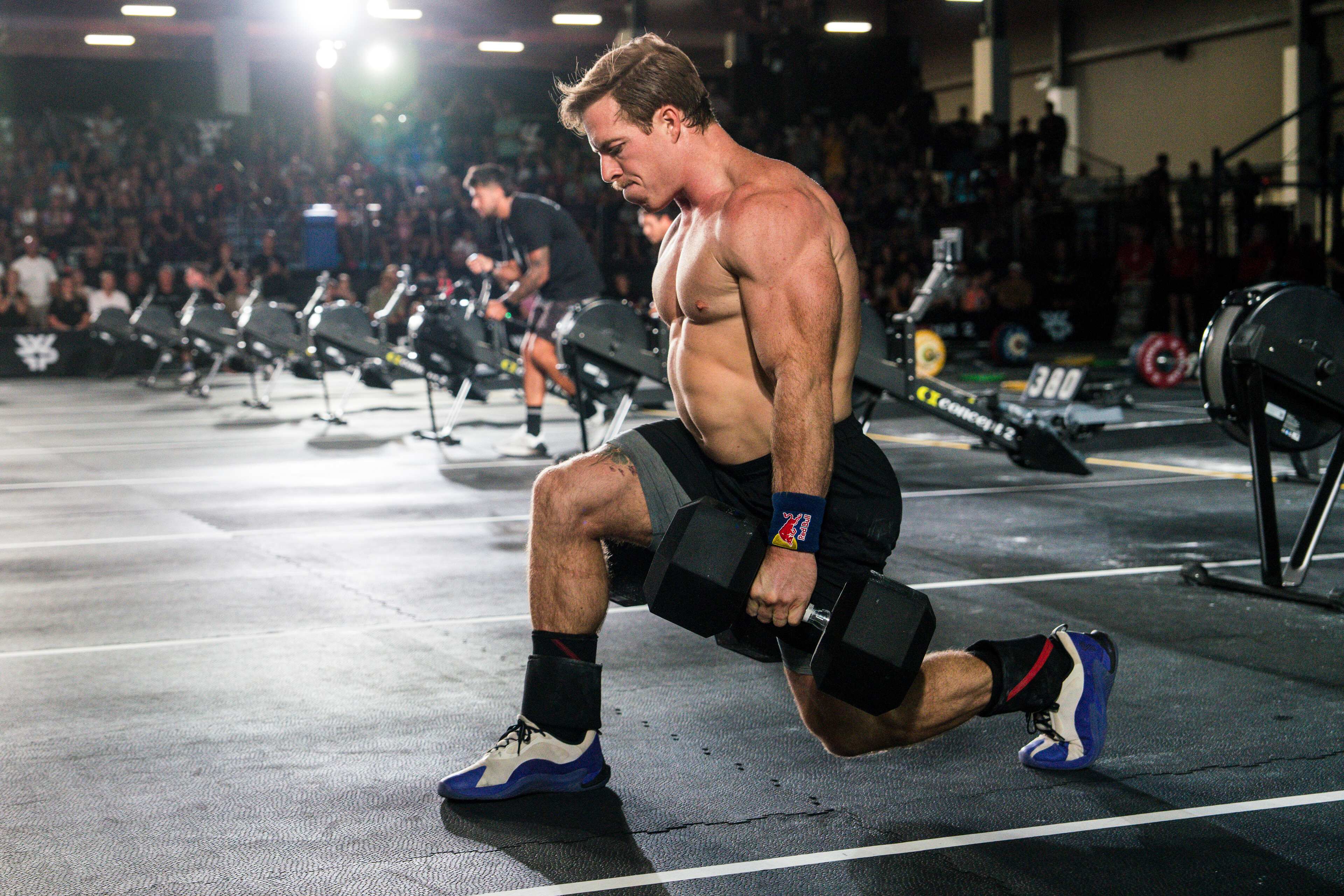
Jackman’s session is a useful reminder that lower-body training can target more than muscle size. Strength, power, balance and landing skill are different qualities. As lifters get older, keeping some appropriately scaled explosive work can be valuable—but only when joints, technique and recovery allow it.
The two-move format is not magic. Its value is that each exercise has a clear job. Train force, then express it quickly. That is a much better reason to borrow an exercise from a celebrity workout than simply copying it because the celebrity looks fit.

Gym shirts, tanks and workout gear for lifters who take training seriously without taking themselves too seriously.
EXPLORE COLLECTION