Flagg Had Zero Turnovers. The Thunder Had No Answer for Dallas.
GOATIFYCooper Flagg did more than give Dallas its first marquee win of the young NBA season. He gave the Mavericks a blueprint for how to play beside Kyrie Irving, how to attack an elite defense without donating possessions, and how to make an opponent pay when its supporting cast is stretched thin.
Wednesday's 120-96 victory over Oklahoma City ended the Thunder's unbeaten start and came with an important qualification: the visitors were missing several major rotation pieces. Yet the numbers were too emphatic to dismiss as an injury-assisted upset. Dallas made 16 three-pointers, held the Thunder to 37 second-half points, and got 26 points, eight assists and zero turnovers from its 19-year-old centerpiece.
Flagg took command early — then helped finish the job
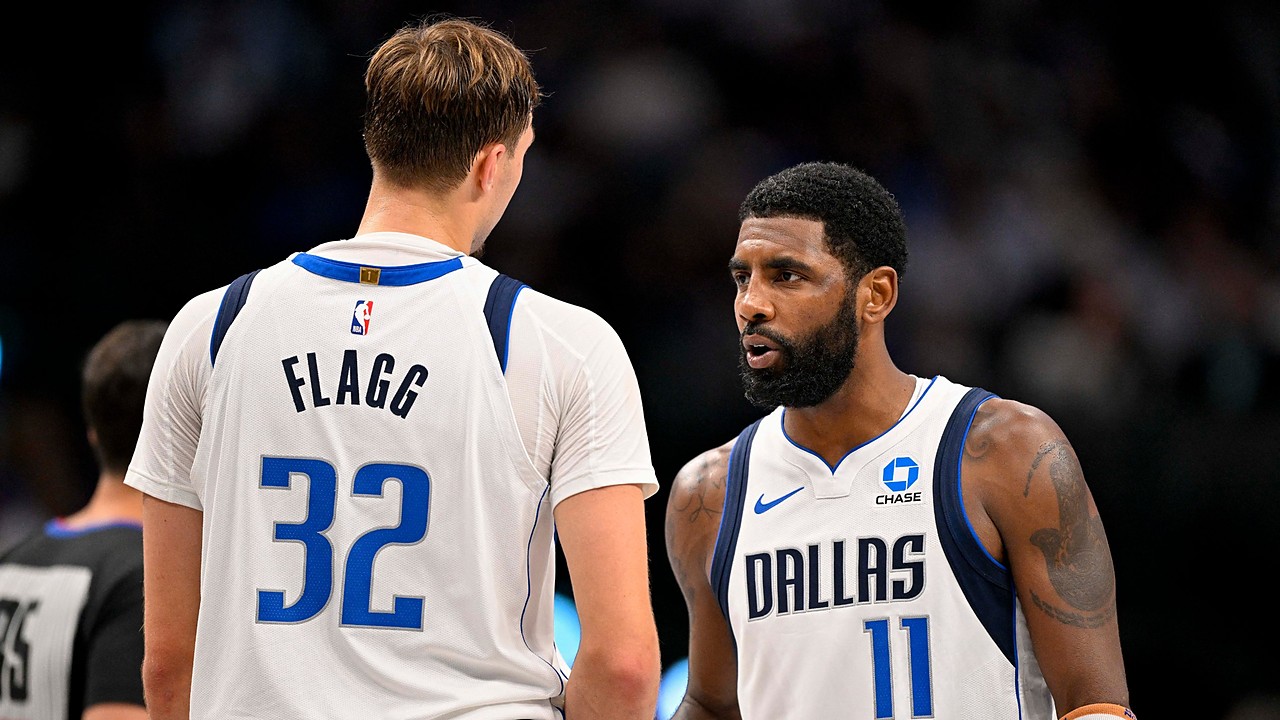
The easiest way to misread this result is to treat Flagg's 26 points as the entire story. He scored 12 in the first quarter, when Dallas and Oklahoma City traded six lead changes and eight ties. His early offense mattered because it established that the Mavericks were not going to spend the night waiting for Irving to manufacture every advantage. Flagg attacked, passed and forced defenders to make choices before the Thunder could settle into their usual rhythm.
Flagg's final line was 26 points, five rebounds and eight assists in just under 33 minutes, with no turnovers. That last figure deserves the biggest underline. Against a team whose identity is built on defensive disruption, a young primary creator can lose a game through careless entry passes and hurried reads even when his scoring total looks impressive. Flagg produced shots without handing Oklahoma City the easy transition opportunities that normally make its defense so punishing.
The decisive sequence arrived just after halftime. Dallas led 65-59 at the break, close enough that a single Thunder burst could have reversed the night. Instead, the Mavericks opened a double-digit gap with an 11-0 run. Flagg helped start it by finding Irving for a floater and ended it with a pull-up jumper. Those bookends captured his range: one possession he created for a veteran teammate; another he took the available shot himself.
That balance is central to Dallas's future. Flagg does not need to be the only ballhandler or the designated late-clock rescuer. He needs to be threatening enough that defenses cannot load up on Irving, while being patient enough to punish the extra help sent toward him. His eight assists were not ornamental. They were evidence that his scoring gravity can be turned into usable offense for the rest of the roster.
Even the way he scored offered a useful lesson. A hot first quarter did not require a 40-point night. Oklahoma City stayed close into the second half, and Flagg still resisted turning the game into an individual scoring duel. The Mavericks were better served by a series of sound decisions than by a spectacular but volatile shot diet. That distinction matters over an 82-game season.
One October performance does not settle how Flagg will respond to every elite defense. The Thunder were depleted, and a healthier lineup could have changed the pressure on the ball. But Dallas can take something tangible from the film: its best young player controlled the tempo of important possessions without making the game revolve around his own shot count.

Dallas won the possession battle before the final score got ugly
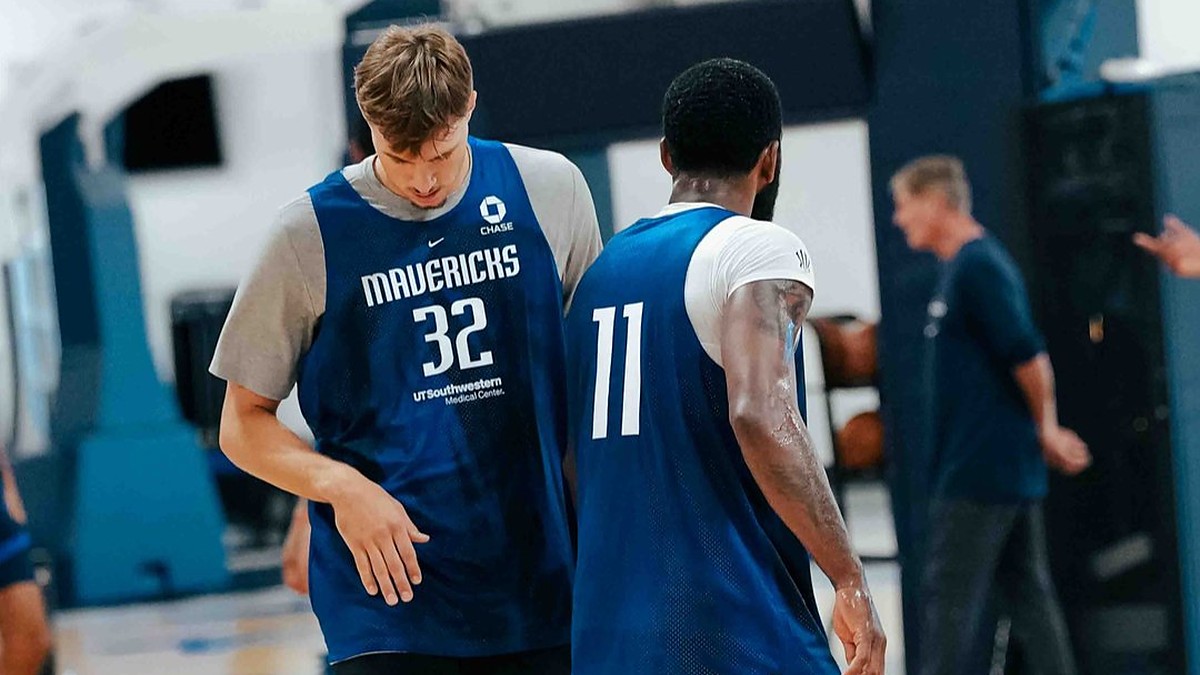
At first glance, the result looks like a straightforward shooting story: Dallas made 16 threes and Oklahoma City managed five. The Mavericks attempted 45 from deep and hit 35.6 percent; the Thunder went 5-for-32, just 15.6 percent. That 33-point difference in made three-pointers was bigger than the final 24-point margin. But the shooting split did not happen in isolation. Dallas also made it harder for Oklahoma City to create the extra possessions that normally cushion a cold night.
The Thunder arrived accustomed to turning opponents' mistakes into points. In this game, Dallas limited itself to 11 turnovers, and Oklahoma City converted them into only nine points. Dallas, meanwhile, turned 14 Thunder giveaways into 16 points. For a team facing a defense that thrives on chaos, protecting the ball was almost as valuable as making shots. A missed jumper can be defended; a live-ball turnover can become an uncontested layup before the defense even organizes.
The ball movement told the same story. Dallas recorded 30 assists on 46 made field goals, while Oklahoma City had 17 assists on 36 baskets. That does not prove every Mavericks possession was beautiful, but it does show that the winning offense was not just Flagg and Irving taking turns. The Mavericks repeatedly found the next pass, spread scoring opportunities across the lineup and forced defenders to cover more than one dangerous option.
Eight Dallas players reached double figures. P.J. Washington contributed 18 points and nine rebounds, and Caleb Martin supplied 10 in his season debut. Daniel Gafford gave the team interior presence and even knocked down the first regular-season three-pointer of his career. That unusual shot is not a reason to redesign the offense around Gafford at the arc, but it is a reminder of how uncomfortable defenses become when an expected non-shooter converts an open look.
On the other end, Oklahoma City scored only 37 points after halftime. The Thunder shot 30 percent from the floor over the final two quarters, compared with better than 51 percent before the break. Dallas did not need to hold its opponent below 100 through some impossible defensive perfection. It needed to avoid breakdowns, finish possessions and stop a depleted offense from building momentum through repeated second chances or turnovers.
The Mavericks' offensive identity will not always look this clean. Sixteen threes are not guaranteed every night, and their bench will not always outproduce an opponent's. The more repeatable takeaway is the underlying discipline: move the ball, reduce waste, make the defense guard multiple creators and keep enough structure to prevent a miss from turning into a runout at the other end.
The Thunder were short-handed — but their shooting problems were real

The injury context is not a footnote. Oklahoma City played without Jalen Williams, Cason Wallace, Chet Holmgren and Alex Caruso. Williams and Wallace face longer absences, while Holmgren and Caruso were also unavailable for this matchup. That removes creation, perimeter resistance, size and lineup flexibility from a team whose usual strength is the ability to send wave after wave of capable defenders at an opponent.
Shai Gilgeous-Alexander still scored 21 points, but he needed 19 shots and made only seven. Oklahoma City's usual offensive machine relies on the superstar's pressure at the rim working alongside enough shooting and secondary creation to punish help. When that supporting structure is thin, defenses can load their attention more aggressively and live with less efficient attempts from other players. Dallas took advantage of that opportunity without having to claim it had permanently solved one of basketball's most difficult assignments.
Ajay Mitchell gave the Thunder a real counterpunch with 29 points, continuing a productive stretch after a 30-point performance earlier in the week. His emergence matters because Oklahoma City needs guards who can do more than simply survive while its injured regulars recover. But one strong scorer cannot replace the combined defensive versatility, size and offensive decision-making of several missing starters and rotation pieces.
The Thunder also lost an unusual piece of early-season history. They entered 4-0 and had won 15 consecutive October games dating back to 2023. A win would have given them a chance to start three straight seasons 5-0, something no NBA team had done. That makes the loss newsworthy, but streaks can obscure the actual question: how does a contender keep its standards intact when its roster is temporarily far from full strength?
Going 5-for-32 from three is partly the kind of variance that can strike any team. Yet the location and quality of those shots, the absence of trusted options and the Mavericks' ability to contest without surrendering transition opportunities are all worth examining. Calling the entire result a fluke would ignore the way Dallas created the circumstances for a bad shooting night to become a decisive defeat.
Nor should a single game turn into a referendum on the Thunder's championship credentials. Their record is 4-1, not a crisis. The more reasonable concern is that an extended run without Williams, Wallace and other contributors could narrow the margin for error against opponents with multiple creators. Oklahoma City has enough talent to adapt, but it must manufacture more reliable offense when Gilgeous-Alexander is forced away from his favorite spots.

Irving and Flagg finally have a model worth building around
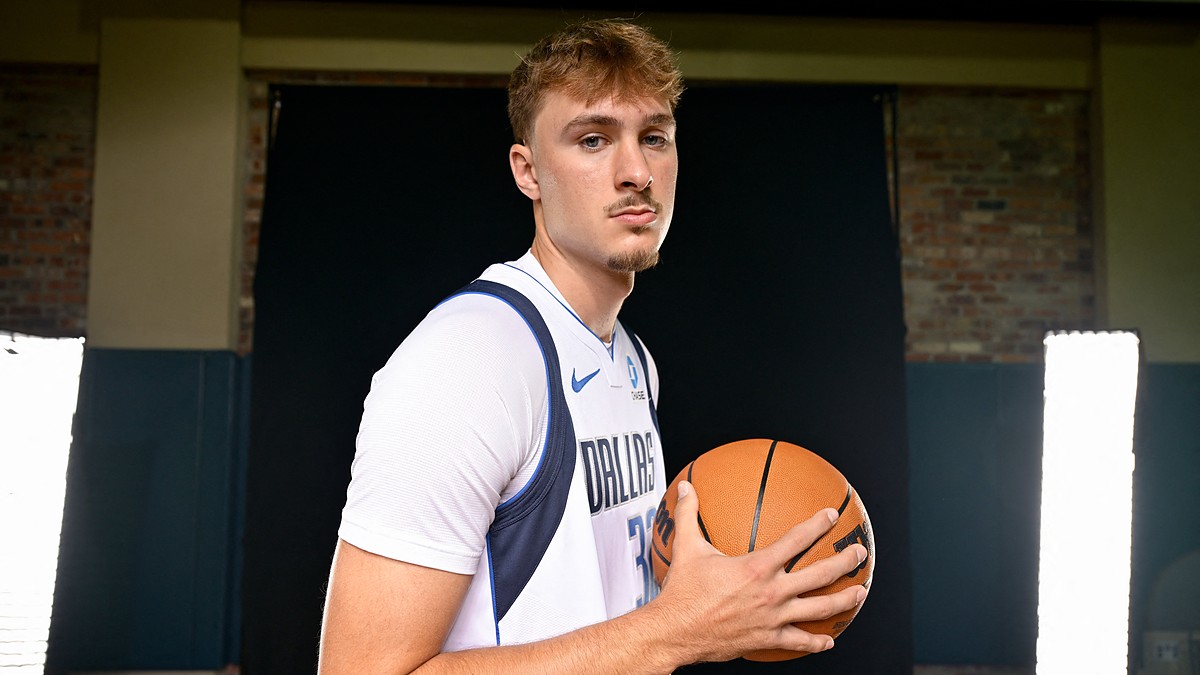
For Dallas, the emotional significance was not merely ending Oklahoma City's unbeaten start. Kyrie Irving was playing his first regular-season home game since tearing his ACL in March 2025. He finished with 15 points, and his early three-point shooting helped keep the Mavericks in front during the game's most competitive stretch. His return gives Flagg a type of partner he largely lacked during his rookie season: a veteran who can create an advantage without needing the young forward to initiate everything.
The partnership is still new enough that there will be awkward possessions. Irving is working his way back into game rhythm, and Flagg is learning how to be a star without treating every touch as an instruction to score. Wednesday suggested a promising division of labor. Irving could attract attention and convert difficult shots; Flagg could attack a rotating defense, facilitate and occasionally take the decisive attempt himself.
That is a more durable formula than asking a teenager to carry the entire offense. It also helps explain why the surrounding pieces matter so much. Washington can punish openings and rebound, Gafford can screen and finish, and the guards and wings have to make quick decisions once the defense commits to either star. When those supporting roles function, the Mavericks become harder to defend even on nights when neither Flagg nor Irving approaches a career high.
First-year coach Dusty May has another reason to value this result: Dallas won by doing ordinary things well. The team shared the ball, avoided costly turnovers and defended with enough consistency to keep the Thunder from generating a comeback. Those are teachable habits, unlike expecting 16 made threes every time. If May can make the habits stick, the Mavericks can build an identity that survives inevitable cold shooting nights.
The standings offer encouragement but not proof. Dallas moved to 3-2 and above .500 for the first time since Flagg joined the franchise. Oklahoma City was missing too many important players for this to serve as a clean measuring stick against a fully healthy contender. The Mavericks should enjoy the result without mistaking a late-October victory for a completed rebuild.
The next test arrives quickly against Houston in NBA Cup group play. Another high-energy opponent will ask whether Dallas can reproduce its ball security and balanced creation without relying on the same three-point avalanche. The answer matters more than any declaration that the Thunder have been exposed. If Flagg and Irving keep making each other more effective, this game may be remembered as an early glimpse of a partnership rather than just an upset score.

The headline belongs to Flagg because 26 points, eight assists and zero turnovers against Oklahoma City is an outstanding night for any young star. The larger story belongs to the Mavericks' collective decisions. Dallas protected the ball, hit open threes, defended better after halftime and gave Irving a meaningful homecoming without asking him to rescue every possession.
The Thunder's absences demand perspective, but they do not erase what Dallas executed. One game is a signal, not a verdict. The next few weeks will show whether the Mavericks have found a repeatable identity — and whether Oklahoma City can keep winning while important pieces remain unavailable.