

Harden Scored 51. Kobe Just Fell Behind Him on the NBA’s 50-Point List.
GOATIFYFor a moment on Friday night, Cleveland's NBA Cup matchup with Indiana seemed headed toward a familiar early-season problem: too many possessions spent chasing a game that should have been controllable. Then James Harden scored 51 points, the Cavaliers won 128–119, and the evening became part of the league's scoring history. Harden recorded the 26th 50-point game of his NBA career, moving past Kobe Bryant into third place on the all-time list.
That is a spectacular headline, but the route to it is more revealing than the number alone. Cleveland trailed by as many as 14 in the first half, clawed ahead 62–61 at the break, then tore through the third quarter 43–22. Harden scored 18 in that period and accounted for 13 points during a decisive 21–4 surge. The Pacers still found a way to make the ending uncomfortable. Indiana's fourth-quarter comeback briefly threatened to undo the game's biggest scoring night.
The Cavaliers are now 9–8, and their NBA Cup group mark is 2–1. Those are useful gains rather than a declaration that every structural issue has disappeared. With Evan Mobley unavailable, Cleveland needed a tremendous individual performance, timely support from Donovan Mitchell and its complementary players, and late execution to avoid a collapse. Harden gave them all of that, yet the same result also raised a harder question: how do the Cavaliers turn this level of offensive control into something repeatable when the shots are not falling at a historic rate?
Harden Passed Kobe Bryant. What Does 26 Mean?

The most striking part of Harden's night is not simply that he scored 51. It is how little of it required a departure from the offensive skills that have defined him for nearly two decades. He shot 15-for-26 from the field, 7-for-11 from three and 14-for-14 at the line, adding six rebounds and six assists. That is a particularly brutal combination for a defense: accurate deep shooting, constant free-throw pressure and enough passing vision to punish a second defender.
Those numbers say more than a string of difficult jumpers would. Seven made threes forced Indiana to protect the space above the arc. Fourteen free throws prevented the Pacers from solving the problem by simply closing harder. Harden could slow down, invite contact and preserve scoring efficiency even when the defense had seen the same action several times. The attempts tell the story of a scorer who was not chasing a milestone through sheer volume. He was reading which coverage would yield the next advantage.
The historical comparison needs care. Harden's 26th NBA game of at least 50 points moves him ahead of Bryant for third-most such performances. It does not put him at the top of that list; Wilt Chamberlain and Michael Jordan remain ahead. Nor does a 50-point-game count by itself settle the debate between the players. Bryant and Harden worked in different offensive environments and carried different shot-selection, playmaking and defensive responsibilities. A single statistical ranking is a useful measure of scoring longevity, not a complete all-time player ranking.
What it does demonstrate is that Harden's peak scoring tools have survived the reinvention of his career. The Cavaliers acquired him in February 2026 after years in which he was often discussed as a lead organizer rather than a nightly scoring avalanche. On this particular night, the old identity and the newer one overlapped: a scorer dangerous enough to command help, and a passer familiar enough with every kind of help to keep the possession alive. It was his first 50-point game since scoring 55 for the Clippers against Charlotte on November 22, 2025.
GOATIFY
GOATIFY Basketball
Harden's Kobe milestone is a reason to talk basketball history. Discover original GOATIFY basketball apparel for the fans who love the game's great scorers.


James Harden G.O.A.T. - Basketball Decal Sticker
Add basketball personality to your favourite gear.
Shop Now ↗
Kobe Bryant – Mamba Mentality Trophy Pullover Hoodie
A basketball fan design for everyday wear.
Shop Now ↗
James Harden G.O.A.T. - Basketball - Greatest Sweatshirt
A basketball fan design for everyday wear.
Shop Now ↗

James Harden G.O.A.T. - Basketball - Greatest Hoodie
A basketball fan design for everyday wear.
Shop Now ↗There is a reason the Kobe marker carries emotional weight beyond a leaderboard. Bryant was one of the stars Harden watched growing up. The comparison links an 18-year NBA veteran's present to the players whose games helped shape his ambitions. But Harden's distinction is his own. The craft is built on tempo changes, the separation of a step-back, timing the defender's reaching hand and exploiting the split second when help commits. This Cavaliers version can still make the same calculations at full speed.
Indiana's response also illustrated what a defensive scouting report cannot fully control. A defender can contest the step-back and still concede the driving lane. A second defender can stunt toward the ball and leave a shooter. A team can take away the first three-point opportunity, only for the offense to reset with Harden already recognizing the changed alignment. When the jumper and whistle are both working, the margin for each decision shrinks dramatically.
The concern for Cleveland is the natural reverse. Fifty-one points from one guard will be exceptional by definition. The more sustainable lesson is the quality of the possessions around him: spacing that kept the floor legible, second-side passing when pressure arrived, and enough defensive stops to let an individual scoring burst change the scoreboard rather than merely keep pace. A historical night gives Cleveland evidence of what its offense can be. It does not absolve the team from learning how to reach the same advantages with ordinary shooting.
The 21–4 Run: How Cleveland Blew the Game Open
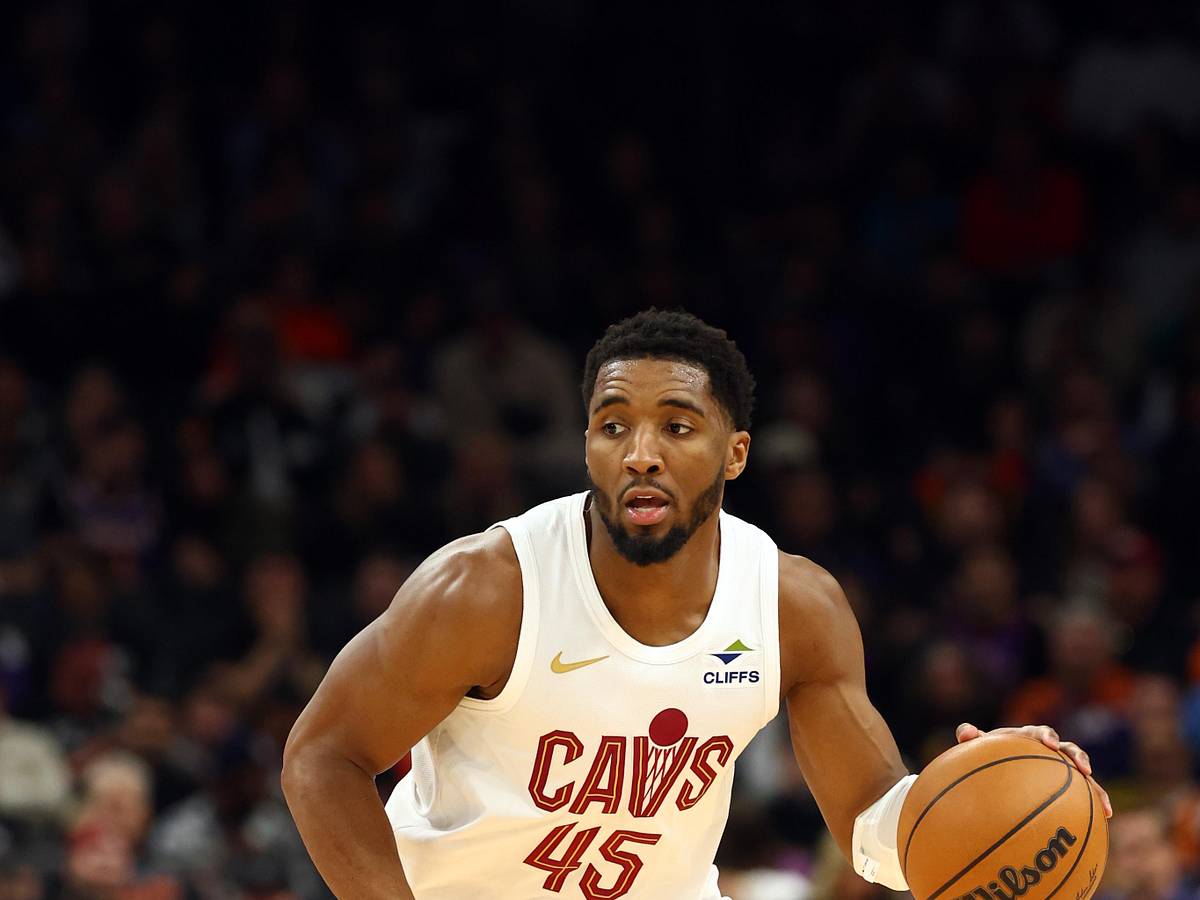
To understand why this became a win rather than an impressive entry in the box score, start with the score at halftime: Cleveland 62, Indiana 61. The Cavaliers had fallen behind by 14 earlier, so a one-point lead represented a recovery rather than command. Harden was already up to 24 points, but the game still lived on a possession-by-possession knife edge. Indiana was getting enough offense to make every Cleveland mistake expensive.
Then the third quarter changed the geometry. Peyton Watson hit two threes coming out of the break, creating immediate urgency for Indiana's closeouts. Harden began to find increasingly clean decisions against a defense that could no longer settle on one answer. His third-quarter 18 points were the engine, but the more meaningful measure was a 43–22 quarter that carried Cleveland to a 105–83 lead. That 21-point period margin did not come from an isolated scoring contest; it required Indiana to be stopped at the other end.
The decisive middle stretch was even more concentrated. With Cleveland narrowly ahead 74–73 around four minutes into the quarter, the Cavaliers went on a 21–4 run. Harden provided 13 of those points, converting each of his four field-goal attempts in the sequence, two of them from deep. It is hard to defend one player when he can produce that much offense without a missed shot during the critical minutes. But it is harder still when his teammates have already made the defense respect the other passing lanes.
In a possession like that, the first question for Indiana is whether to keep a single defender in front of Harden. Let him see only one body and his step-back can turn space into three points. Send another body early and the Cavaliers have an outlet to attack a rotating defense. Send it late and Harden may already be moving downhill. The advantage is not automatic, but a confident Harden makes the timing of every defensive choice feel a little wrong. His six assists were another reminder that the scoring threat does not end when the ball leaves his hands.
GOATIFY
GOATIFY Basketball
The third-quarter Cavalanche was classic shot-making and smart spacing. Explore GOATIFY basketball fan designs for game-night debates.

Crying LeBron – NBA Basketball Crewneck Game Sweatshirt
A basketball fan design for everyday wear.
Shop Now ↗
Michael Jordan – Bulls GOAT Championship Decal Sticker
Add basketball personality to your favourite gear.
Shop Now ↗
Kyrie Irving G.O.A.T. - Uncle Drew Basketball Tee
A basketball fan design for everyday wear.
Shop Now ↗

LeBron James G.O.A.T. - Greatest of All Mug
Add basketball personality to your coffee break.
Shop Now ↗
Jalen Brunson – Real Hoppers Treat Muscle Tank
A basketball fan design for everyday wear.
Shop Now ↗Donovan Mitchell's role matters here. He finished with 20, not a headline total by his standards, yet his presence denied Indiana the luxury of treating Cleveland as a one-creator team. A scorer of Mitchell's caliber can attack a defense that has shifted toward Harden, even if he is not the primary option on every trip. When the guards alternate who initiates and who catches the defense moving, Cleveland is considerably less predictable than it would be with a single ball-dominant star.
That is what makes the word complementary more useful than the simple idea of taking turns. Harden can handle the ball for a long possession and still create an easy catch-and-go opportunity for Mitchell. Mitchell can force a switch or a rotation before Harden receives it. Neither arrangement guarantees an open shot, but both require the Pacers to keep track of two highly skilled decision-makers at once. With Mobley absent, those guard-driven advantages became even more important.
There was also a defensive component the headline can obscure. A 43-point quarter is eye-catching; holding Indiana to 22 is what converted it into a 22-point lead. Cleveland found enough resistance and rebounding stability to begin possessions without the Pacers already in motion. That meant Indiana could not simply answer Harden's threes with quick opportunities of its own. The Cavaliers won their most important minutes at both ends.
The lesson of the third quarter is therefore not that Cleveland should ask Harden to score 18 every time the team needs a surge. It is that aggressive spacing, timely complementary shooting and coherent defensive possessions made his reads as dangerous as possible. If the team can recreate those conditions in more ordinary games, the same basic blueprint can remain effective even when the superstar finishes with 25 rather than 51.
Mitchell, Watson and Hezonja Made 51 Points Matter
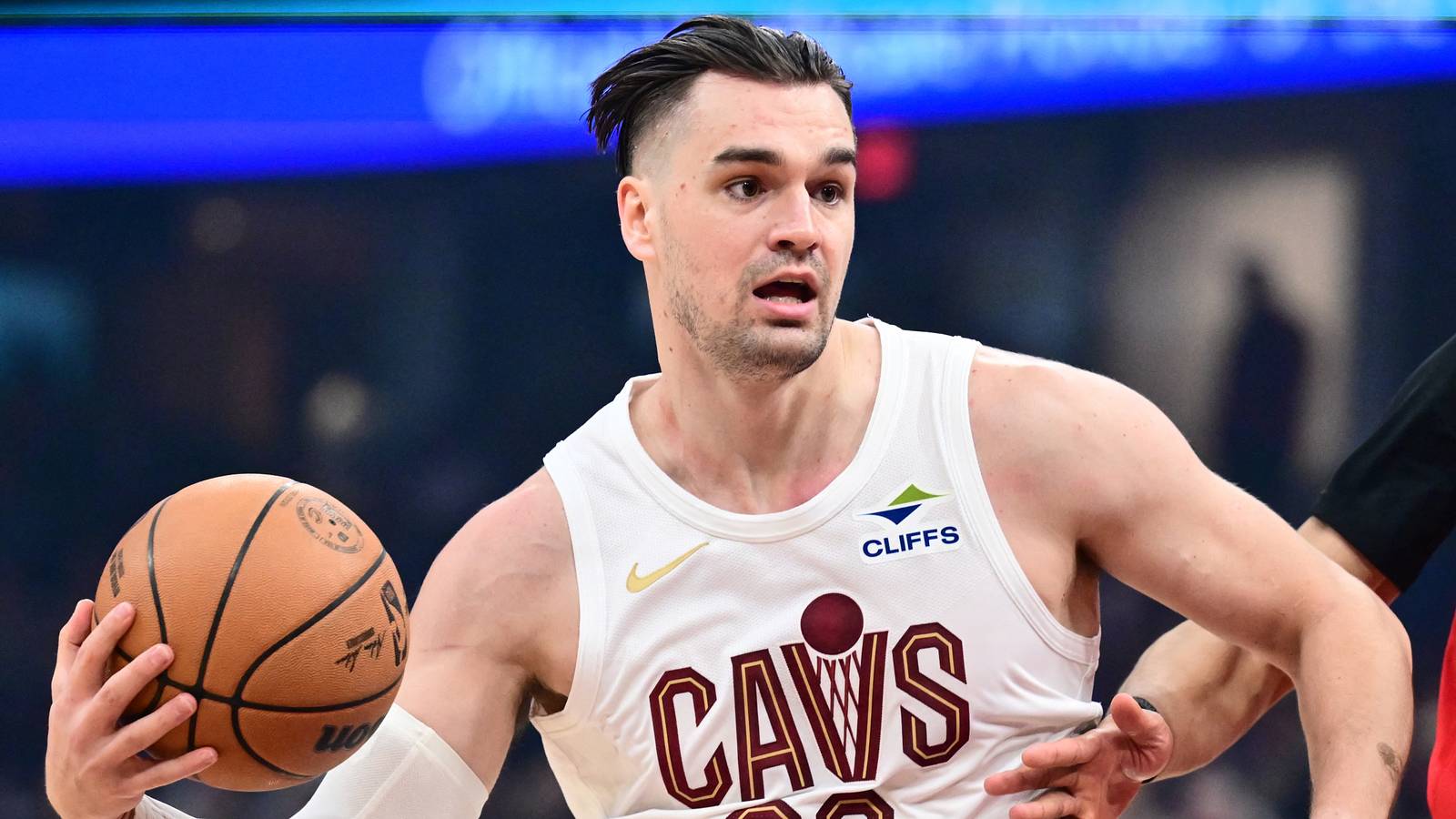
A 51-point game makes every other box-score line appear ordinary. Cleveland's supporting cast nevertheless supplied the platform that let Harden's scoring survive the mistakes and missed opportunities around it. Donovan Mitchell finished with 20 points, Peyton Watson scored 15, and Mario Hezonja added 10 points and 10 rebounds off the bench. None of those performances was the story on its own. Together, they explain why Harden's points translated into a nine-point victory rather than a spectacular loss.
Start with the players who made Indiana defend someone besides Harden. Watson returned from a one-game absence related to a back issue and immediately supplied perimeter spacing. His two threes early in the third period were particularly consequential. An opposing team already worried about Harden stepping back into long-range jumpers cannot afford to let a secondary shooter catch and fire comfortably. Watson's makes changed the defensive choices that followed, creating more room for the guards to operate.
Mitchell created a different kind of problem. He does not require a specialist's role on offense. He can initiate, attack a rotating closeout, or provide enough weak-side gravity to keep a defender attached. That distinction is important for a team still sorting out the balance between its two veteran guards. If both stars feel compelled to create only from a stationary isolation, possessions can become easy to anticipate. If each is willing to be the dangerous second action after the first one bends the floor, the offense has multiple ways to reach an efficient attempt.
Hezonja's double-double was an especially useful contribution in the absence of Evan Mobley, who was sidelined while receiving treatment for a great-toe sprain. Hezonja supplied ten rebounds in a game where the Cavaliers needed reliable second-unit work more than another high-usage scorer. Rebounds matter as much as the glamorous pass or made three because they determine whether a good defensive possession actually ends. If Cleveland is going to lean on star guards to generate offense, those guards benefit from supporting players who can finish the unglamorous part of each trip down the floor.
GOATIFY
GOATIFY Basketball
Mitchell, Watson and Hezonja proved every role matters. Browse GOATIFY basketball shirts, hoodies and fan accessories for the whole rotation.

Donovan Mitchell G.O.A.T. - Cleveland Sticker
Add basketball personality to your favourite gear.
Shop Now ↗
Carmelo Anthony G.O.A.T. - Basketball Casual Tee
A basketball fan design for everyday wear.
Shop Now ↗


Donovan Mitchell G.O.A.T. - Cleveland Sweatshirt
A basketball fan design for everyday wear.
Shop Now ↗
Kevin Durant G.O.A.T. - Basketball Coffee Cup Mug
Add basketball personality to your coffee break.
Shop Now ↗There is a roster-building question behind this performance. Cleveland's backcourt can create a large number of shots, but it also needs active bodies who will screen, rebound, cut and defend without expecting the same number of touches. The challenge grows when a key frontcourt contributor is unavailable. A guard-led offense works much better when the rest of the lineup accepts the less visible responsibilities: changing an angle with a screen, relocating before the pass arrives, or rotating back to stop an easy transition score.
Hezonja has offered enough positive moments to make that role worth watching. His willingness to find positions near the paint and compete on the glass gave the Cavaliers a different energy from the Harden-Mitchell perimeter game. Watson, meanwhile, looked capable of providing the immediate shooting injection Cleveland needed to take control in the third quarter. Neither player's contribution should be exaggerated into proof of a permanent rotation solution after one November night. The point is that the Cavaliers had workable answers at multiple levels of the offense, and used them when it mattered.
The most optimistic interpretation is not that Cleveland can simply survive every injury by finding another 51 from Harden. It is that the team can develop repeatable relationships between different types of players. One creator attracts attention, another attacks the gap, a wing stays shot-ready and a forward cleans the glass. That is much more scalable than relying on one player's shot-making to erase structural weaknesses. Friday showed those pieces functioning together for long stretches, especially after halftime. The next test is whether the same cooperation holds when the offensive numbers are less extraordinary.
Indiana Nearly Erased 23 Points. The Cup Race Is Not Over.
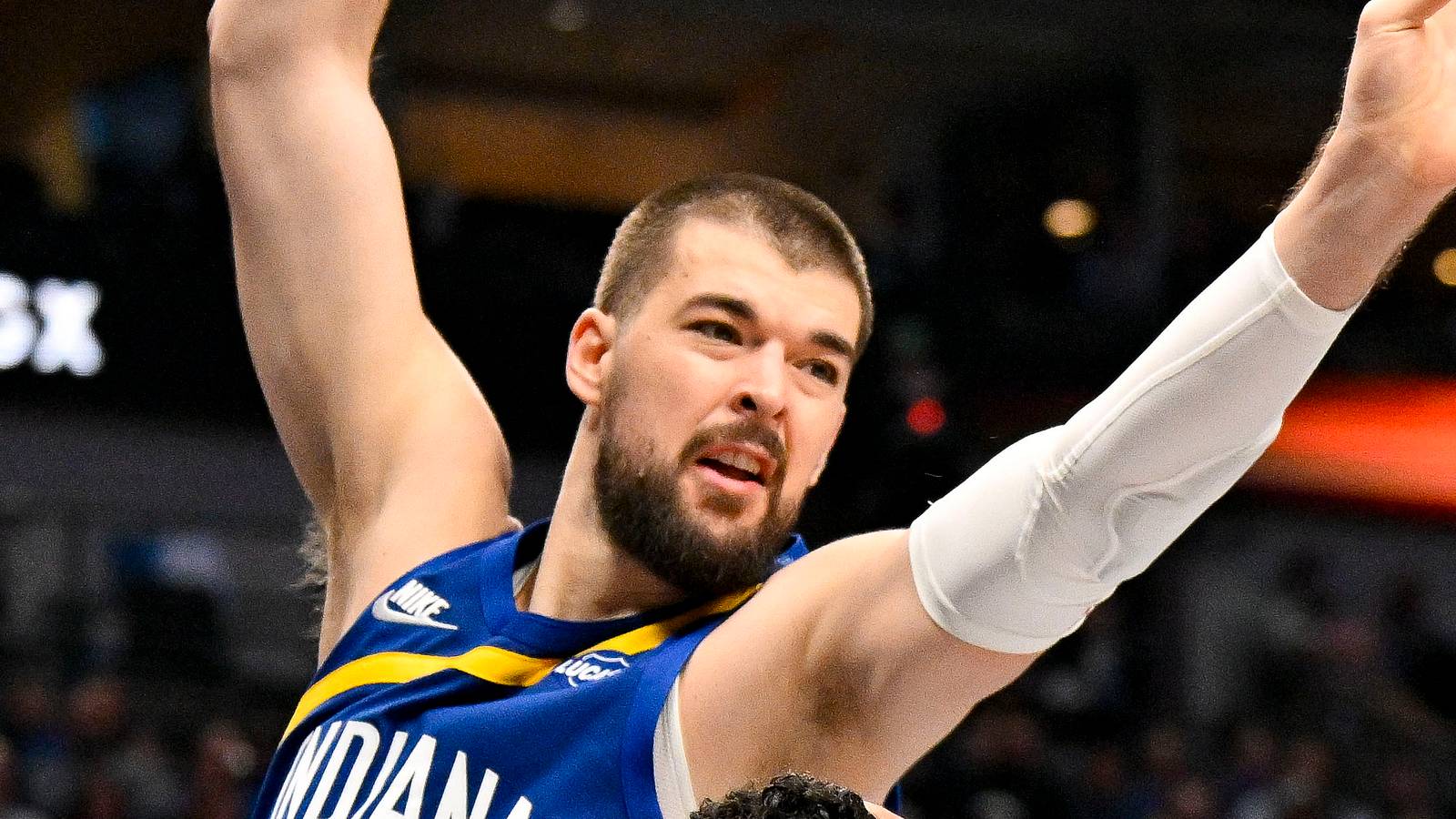
The Cavaliers' best quarter should have ended the argument. Cleveland took a 105–83 lead into the fourth, and its advantage reached 113–90 with 7:39 remaining. Instead, the Pacers produced a 21–4 surge of their own and trimmed the margin to 117–111 with 2:03 left. That reversal turned what had looked like a comfortable closing stretch into a test of composure. Cleveland won, but it did not leave itself much room to celebrate a flawless performance.
Indiana was not without offense. Ivica Zubac put up 21 points and 10 rebounds, while Pascal Siakam also scored 21. The Pacers were missing Tyrese Haliburton, and their 1–2 NBA Cup group record did not make this a likely contender-defining night. Yet they showed that the Cavaliers could be punished when Cleveland's pace and organization deteriorated. A team trailing by more than twenty can take risks, accelerate after stops and force the favorite to make a few difficult half-court decisions. Indiana's late push did exactly that.
One of the game's more awkward moments came when Harden committed a flagrant foul, giving Indiana free throws and possession. Jarace Walker converted the foul shots and fed Obi Toppin for a dunk that reduced the deficit to six. The sequence was a reminder that even a player delivering an extraordinary offensive performance can contribute to a dangerous momentum swing. Cleveland needed its leaders to respond without panicking or surrendering to rushed attempts.
The response was practical rather than spectacular at first. Mitchell answered with a floater, and Harden added two free throws. When Indiana scored again, Harden delivered his seventh made three with 58 seconds on the clock, restoring a double-digit margin. Two more foul shots carried him beyond 50 points and helped close out the result. The final minutes added meaning to the scoring record: those points were not accumulated with the game already safely settled. Cleveland still needed them.
GOATIFY
GOATIFY Basketball
The NBA Cup comeback nearly flipped the result. Carry that competitive energy into your next watch party with GOATIFY basketball gear.


Nikola Jokic G.O.A.T. - Basketball Coffee Cup Mug
Add basketball personality to your coffee break.
Shop Now ↗
Paul George G.O.A.T. - Basketball - Greatest Hoodie
A basketball fan design for everyday wear.
Shop Now ↗

Dennis Rodman G.O.A.T. - Chicago Bulls Sticker
Add basketball personality to your favourite gear.
Shop Now ↗
That does not excuse the defensive lapse. The Pacers scored 36 points in the fourth quarter after being held to 22 in the third. Cleveland must be able to protect a big lead with intelligent possessions, correct floor balance and attention to transition defense, not only by asking a star to hit another contested jumper. The contrast between the two periods is more instructive than either one in isolation. The Cavaliers demonstrated how hard they can make the game for Indiana and then how quickly the same margin can shrink when they lose their structure.
There is also an NBA Cup consequence, though it should not be overstated. Cleveland's win moved it to 2–1 in East Group B, behind Miami in the group race at the time of the game. That is a better position than 1–2, but no single November win guarantees advancement. Group standings and tiebreakers will depend on other results and margins. Indiana, at 1–2, has less flexibility after falling on the road. These stakes made the fourth-quarter wobble more frustrating for Cleveland: point differential can matter in the NBA Cup, not merely the final win-loss column.
The short-term calendar adds another layer. Cleveland's next scheduled opponent was Chicago on Monday, while Indiana was due to play at New York on Sunday. Those games will bring new matchups and likely different defensive answers to Harden's preferred actions. The Cavaliers cannot expect another perfect night from the free-throw line or seven threes from a single player as the baseline. They can, however, demand the same seriousness on the glass, the same willingness to move after a pass and the same urgency on defense that created their third-quarter separation.
For Indiana, the encouraging part was its refusal to disappear after the game looked decided. The warning is that a respectable late charge does not erase a 21–4 collapse at the beginning of the second half. For Cleveland, the message is nearly the inverse: an overwhelming surge is not a complete game if the closing discipline is missing. Harden's 51 points and a nine-point victory belong in the same story, but they reveal two distinct truths. The star still has extraordinary shot-making power. His team has more work to do before it can rely on that power without requiring a rescue at the end.
Harden's place beside the greatest scorers in NBA history is secure for another reason after Friday. Passing Kobe Bryant with a 26th 50-point outing is a remarkable durability milestone, and the way he delivered it—seven threes, fourteen flawless free throws and an explosive third quarter—showed that his scoring craft remains formidable in Cleveland.
But the Cavaliers should leave this game thinking about two versions of themselves. One moved the ball, defended hard and outscored Indiana by 21 in a single quarter. The other let a 23-point lead become a six-point game before its stars restored order. Mitchell, Watson and Hezonja gave the offense enough support to make the first version possible. The task is to sustain those habits long enough that the second version becomes less frequent.
That is the real payoff to a November scoring classic. The historical milestone belongs to Harden. Cleveland's next challenge is making the system around him strong enough that a night with half as many points can feel just as convincing.
GOATIFY
GOATIFY Basketball
Shop GOATIFY basketball shirts, hoodies and stickers.

Basketball Planet Ball is Life Sticker
Add basketball personality to your favourite gear.
Shop Now ↗

Shai Gilgeous-Alexander G.O.A.T. - Basketball Hoodie
A basketball fan design for everyday wear.
Shop Now ↗
Caitlin Clark Golden Goose - Women's Sweatshirt
A basketball fan design for everyday wear.
Shop Now ↗
LaMelo Ball G.O.A.T. - Basketball Coffee Cup Mug
Add basketball personality to your coffee break.
Shop Now ↗















