Lacroix Could Miss 10 Weeks — Alonso's Chelsea Defence Is Suddenly Exposed
GOATIFYChelsea signed Maxence Lacroix to be a solution, not another entry on an injury report. Three months after his reported £52 million move from Crystal Palace, the French centre-back has become the latest absence Xabi Alonso must navigate. The immediate diagnosis is worrying enough: a hamstring injury suffered at Anfield on October 28. The longer-term picture is more alarming, with an October 31 report describing a grade-three tear and raising the possibility of a spell on the sidelines lasting as long as ten weeks.
That extended timetable is reported, not a confirmed Chelsea return date. Alonso has publicly said Lacroix will miss at least the period through the November international break. But even the shorter, confirmed window leaves a serious question: how does a side already struggling for defensive consistency replace the player who has been its most reliable presence at the back?
A routine chase at Anfield became a potential season-changing injury

The moment looked ordinary until it suddenly did not. During Chelsea's Carabao Cup fourth-round visit to Liverpool on October 28, Lacroix chased back as Cody Gakpo attacked through the middle. He pulled up without a significant collision, received treatment and eventually left the field in obvious discomfort. Levi Colwill replaced him before half-time. Chelsea went on to lose a penalty shootout after a 1-1 draw, but the consequences of the substitution could last far longer than the cup disappointment.
Alonso initially refused to guess at the severity. He identified the hamstring as the problem and said the club needed further assessment. By his next media appearance, the manager was prepared to rule Lacroix out until after the November international break. That is the established public position. Reports emerging on October 30 and 31 went considerably further, describing a grade-three tear and suggesting an absence of up to ten weeks, possibly carrying the defender into January 2027.
There is a meaningful difference between those two statements. A grade-three tear is a serious muscle injury, but a reported grade and an estimated rehabilitation window should not be treated as a published medical clearance schedule. The precise recovery depends on the location of the damage, the rehabilitation response and the standards the medical staff require before a defender can accelerate, turn and sprint at full intensity. No responsible projection can identify his exact comeback match from the available public information.
For Chelsea, however, the planning problem begins immediately. The club cannot build its next several weeks around the most optimistic interpretation and simply hope the defender reappears after the international window. The conservative approach is to prepare for a longer absence while allowing the player to progress without a public deadline. That means giving a new defensive partnership enough repetitions to become dependable rather than treating each fixture as a one-off emergency.
The timing is especially frustrating because Lacroix had scarcely missed a minute since arriving. Chelsea's own figures put him in all 11 competitive matches before the injury, including seven starts in the opening eight league games and three League Cup appearances. He was a consistent selection amid changing full-backs, midfield combinations and tactical shapes. A squad can absorb the loss of a rotation player. Losing the central defender around whom its defensive habits were forming is a more complicated problem.
There is also the psychological challenge of watching a summer signing's early momentum stop abruptly. Lacroix arrived with a reputation for pace, aerial strength and the ability to defend large spaces. Chelsea paid for those traits because they matter to Alonso's preferred aggressive structure. The question now is not whether the investment was justified; it is whether the remaining squad can reproduce those functions without asking one replacement to impersonate him.

Chelsea lose more than pace when their £52m defensive anchor disappears

One of the easiest mistakes in discussing an injured centre-back is to reduce his absence to a single lost attribute. Lacroix is quick, so the assumption becomes that Chelsea merely need another quick defender. But the defensive system is a chain of decisions, and the Frenchman's role has involved far more than winning footraces. His positioning affects where the full-backs can stand, how far midfielders can advance and how confidently the team can press after losing possession.
Alonso wants his side to control territory, and that creates space behind the back line. When the ball is lost high up the pitch, defenders must judge whether to step forward, track a runner or retreat into the box. Lacroix's recovery speed gives teammates a little more freedom to be aggressive. Remove that safety margin and the same pressing decision can become a direct route to goal for the opposition. The danger is not necessarily that every replacement is slower; it is that the entire unit starts hesitating.
The other issue is familiarity. Lacroix began the campaign alongside several different partners and still became the consistent reference point. Colwill is a natural organiser and a comfortable distributor, while Josh Acheampong can operate at centre-back or on the right. But defenders do not establish reliable spacing merely because each is talented. They need shared timing on the first step, the covering run and the moment to hand an attacker to another teammate. Those details are learned through repetition.
Chelsea's summer move from Crystal Palace was a significant financial commitment, reported at approximately £52 million, and the club handed Lacroix a contract through 2032. It was not a short-term patch. His profile made sense for a team attempting to play with authority and sustain pressure in the opposition half. His debut against Fulham even brought an assist, an early reminder that his influence could extend beyond defending. But the more important contribution was his availability: eleven matches, eleven opportunities to build an understanding.
There is a temptation to explain Chelsea's defensive problems entirely through individual errors. That would be too convenient. The side has already endured uncomfortable moments against quick transitions and physical opposition with Lacroix in the team. A hamstring injury cannot be blamed for tactical weaknesses that predated it. What it does is remove one of the players best equipped to compensate when the structure fails. That distinction matters when deciding whether the answer is a new name on the teamsheet or a more disciplined collective approach.
Moises Caicedo's availability is therefore relevant to the back line, not just midfield. A midfielder who anticipates the second ball and slows counters can reduce the number of emergency sprints required from defenders. Equally, wide players must track runners and avoid leaving full-backs isolated. If Chelsea treat Lacroix's absence as a problem for the centre-backs alone, they risk repeating the same exposed patterns with different personnel.

Fofana, Colwill and Acheampong give Alonso options — not a free replacement
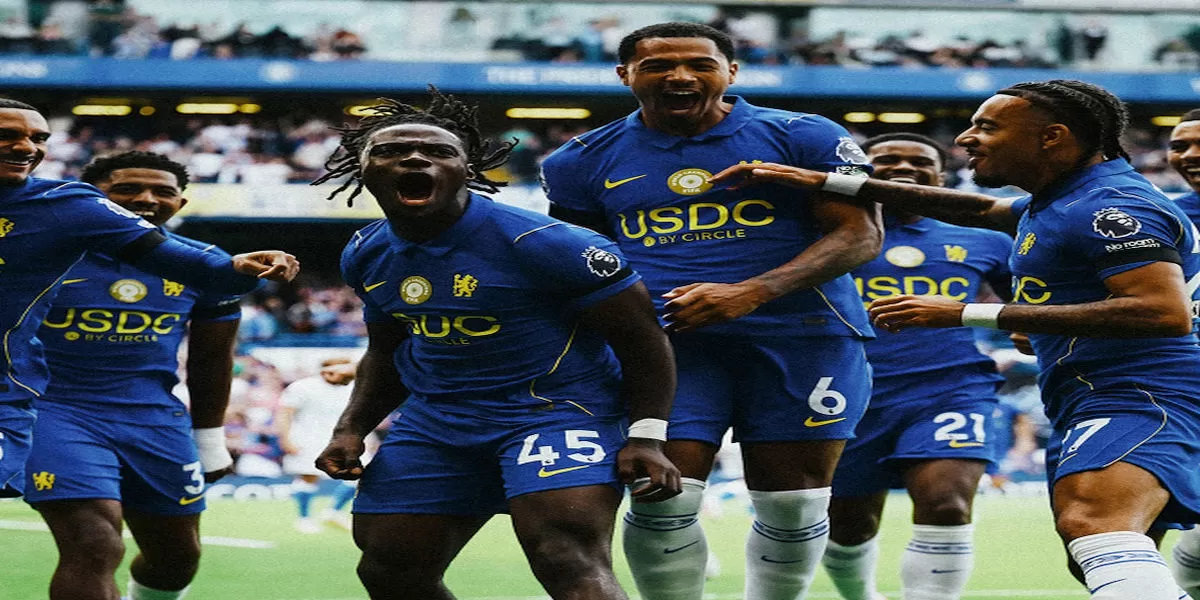
There is no shortage of recognisable names in Chelsea's defensive group. Wesley Fofana has top-flight experience and the physical qualities to challenge attackers directly. Levi Colwill offers a left-footed passing angle and an understanding of the spaces behind the midfield. Josh Acheampong provides versatility, the sort of player who can move from right-back into a central position without forcing a complete squad reshuffle. On paper, that should be enough to survive one injury. In practice, the details are more awkward.
Fofana's position is particularly intriguing. His appearance at Anfield ended painfully: a handball contributed to Liverpool's equaliser, and his missed penalty in the shootout helped decide Chelsea's elimination. Alonso nevertheless defended the substance of his performance, pointing to his strength and consistency. The manager's message was clear: one costly cup evening should not determine whether a defender is trusted over the next several weeks. That vote of confidence becomes important when the alternatives are limited.
Colwill may be the most natural foundation for a revised back line. His comfort receiving the ball under pressure can help Chelsea play through the first wave of an opponent's press. But placing every organisational responsibility on him would create another vulnerability. He still needs a partner who reads the same triggers and a midfield unit that protects the channel when he steps out. A technically strong centre-back cannot solve the spacing problem by himself.
Acheampong changes the tactical possibilities because he can fill more than one role. In a back four, Alonso could use him centrally and deploy a specialist full-back outside him. In a back three, Acheampong's mobility could help cover the right channel while Colwill operates on the left and Fofana handles a central or right-sided assignment. Each structure has benefits and costs. A back three may provide another covering defender but can leave fewer players between the lines. A back four may improve midfield numbers but asks the centre-backs to defend wider spaces when full-backs advance.
The injuries elsewhere narrow those choices. Jorrel Hato's back issue has removed another option, while Reece James' knee surgery deprives the team of a senior defender and leader. The club cannot simply move every versatile player around without consequences in the next position. The solution that looks strongest against one opponent may weaken the side's ability to build attacks or defend the far post against another.
Chelsea's October 31 meeting with Manchester United provided an immediate examination of these decisions, regardless of the result. United's form and pressure on Michael Carrick did not make the tactical problem disappear. Even a struggling opponent can exploit a poorly coordinated line with a single well-timed run or switch of play. Alonso's task is to establish a partnership that survives difficult moments, not merely select the three most impressive names available.
For Fofana, Colwill and Acheampong, this is an opportunity with a condition attached. They can strengthen their standing by making the unit more coherent, but the club should resist interpreting one good display as proof that Lacroix is no longer missed. Stability is measured across several matches, particularly when an opponent forces the defenders to turn and chase.

The real test is the next two months, not one emergency team selection

The headline number attached to Lacroix's injury is ten weeks. The more useful number for Alonso may be the count of dependable players available at any given moment. Chelsea have been juggling absences across the pitch, not simply in central defence. Captain Reece James is recovering from knee surgery and is not expected back before the end of the year. João Pedro has a thigh problem that is expected to cost him several weeks. Goalkeeper Emiliano Martínez has undergone surgery on a fractured jaw. Jorrel Hato has also been unavailable, although Pep Chavarría's return offers some flexibility.
Those absences interact. A team missing a first-choice striker may struggle to hold the ball high up the field, inviting more defensive transitions. A replacement goalkeeper may be less familiar with when the back line wants to push up. A missing captain changes the leadership dynamic when the side concedes a chance and needs to reorganise. It is not enough to count how many players are injured. The question is which combinations of skills and relationships have been removed at the same time.
Alonso has several practical responses available. He can reduce the distance between the defensive and midfield lines, asking the front players to press with more restraint. He can make sure the far-side full-back stays closer to the centre-backs when Chelsea attack, limiting the size of the recovery run after a turnover. He can prioritise the simplest build-up route rather than inviting pressure in dangerous areas merely to preserve an idealised passing pattern. None of those adjustments is a surrender of ambition. They are ways to protect the squad Chelsea actually have.
The fixture calendar makes a sensible plan essential. After the October 31 home match with United, Chelsea are scheduled to travel to Sunderland on November 8, then host Leeds on November 21. The November international break interrupts that run, but it should not be treated as a guaranteed reset for Lacroix. If the longer recovery estimate proves accurate, the club will need a functioning defensive system through a substantial portion of the winter schedule. Constantly changing the centre-back pairing would only delay the development of that system.
There is also a responsibility not to rush the player. Hamstrings are central to the explosive movements demanded of a modern defender: acceleration, deceleration, sudden changes of direction and recovery sprints. A player can feel comfortable running in a straight line before he is ready to defend a fast attacker repeatedly under match pressure. A cautious return is more valuable than an early comeback followed by another setback, particularly for a 26-year-old whose Chelsea contract runs for several seasons.
The broader question is what this episode reveals about squad construction. Chelsea have invested heavily in defensive talent, yet injuries can quickly make a deep roster feel thin when several players cover overlapping roles. Buying more centre-backs is not automatically the answer. The club must develop reliable partnerships, manage workloads and create tactical alternatives that do not depend on one athlete being available every week. Those are coaching and planning questions as much as recruitment questions.
For now, the safest distinction is between what Chelsea know and what they fear. Lacroix has a confirmed hamstring problem and will miss the immediate run of fixtures. A more severe grade-three diagnosis and a possible January return have been reported, but the club has not provided a definitive public date. Alonso cannot control that medical uncertainty. He can control whether Chelsea's next defensive configuration looks like a temporary patch or the beginning of a coherent plan.
Maxence Lacroix's injury has turned Chelsea's defensive depth from a theoretical advantage into an immediate test. The club knows he will miss the short term; reports of a grade-three tear make the possibility of a much longer absence impossible to ignore. But the right response is not panic or a premature return date.
Alonso has experienced defenders, promising younger options and enough tactical flexibility to build a workable back line. What he does not have is the luxury of treating Lacroix's recovery as a solution to every problem. Chelsea must become harder to expose without him. If they can do that, his eventual return will strengthen an organised team rather than rescue a fragile one.