

Bears Paid TWO First-Rounders for Simmons. The Pressure Starts Now.
GOATIFYThe Chicago Bears just spent the kind of draft capital that can define an entire front office. On October 29, Chicago agreed to acquire All-Pro defensive tackle Jeffery Simmons from the Tennessee Titans, sending away first-round picks in both 2027 and 2028 plus a 2027 fourth-rounder. The Bears receive Simmons and a 2028 fifth-round pick. The deal was reported as pending a physical, but the intention is obvious: Chicago believes its championship window is open now.
That is an enormous wager for a 5-2 team already built around Caleb Williams and head coach Ben Johnson. Simmons is not an inexpensive rental or a speculative prospect. He is a proven interior wrecking ball carrying one of the biggest defensive contracts in football. Tennessee is 1-6 and has chosen draft flexibility over retaining its best defensive player. Chicago has chosen the opposite.
Two first-round picks do not merely purchase a defensive tackle. They purchase a standard of success. If Simmons transforms Chicago's pass rush, the gamble could look inspired. If the Bears fall short and those picks become future stars elsewhere, this deal will be dissected for years.
Two First-Round Picks for a Defensive Tackle: The Price Is Massive

Start with the exchange itself. Tennessee receives Chicago's 2027 first-rounder, 2028 first-rounder and 2027 fourth-round selection. Chicago gets Simmons and a 2028 fifth-rounder. That fifth-round pick is useful depth currency, but it does not meaningfully erase the cost of two first-round choices. The Bears are paying the price associated with a franchise-changing player because they believe Simmons can alter how opponents attack their defense.
Simmons has the résumé to make that argument credible. The 29-year-old entered the league as Tennessee's No. 19 overall selection in 2019 and became a four-time Pro Bowler and a first-team All-Pro in 2025. That career-best season produced 11 sacks, 17 tackles for loss and 21 quarterback hits in 15 games. Through seven games in 2026 he has four sacks and 38 tackles. Across 106 career games entering the deal, he accumulated 46.5 sacks and 414 tackles. Those numbers belong to an elite interior defender, not a generic run-stuffer.
The contract adds another layer. Simmons signed a three-year extension in June reportedly worth $105.8 million, including $100 million guaranteed, carrying the agreement through 2030. Its roughly $35.27 million annual average made him the league's highest-paid defensive tackle at the time. Chicago accepts both the opportunity cost of future picks and the obligation to build around an expensive defensive cornerstone.
There is a difference between buying a famous name and buying a disruptive skill set. Simmons can compress the pocket through the middle, force quarterbacks off their preferred launch points and make double-teams a difficult choice for offenses that also need to handle pressure off the edge. A tackle who wins early can ruin a play before its route combinations develop. His effect is often larger than the sack column.
But the math is unforgiving. First-rounders offer inexpensive talent, flexibility and the chance to fill multiple needs. By sending two away, general manager Ryan Poles is effectively saying Simmons's immediate impact is more valuable than those future options. It might be a brilliant call. It is unquestionably an aggressive one. Chicago is not acquiring his 2025 statistics; it is acquiring the seasons he has left, and those seasons must justify the price.

Why Simmons and Grady Jarrett Could Change Chicago's Defense

Chicago's offense is no longer the only reason to take this team seriously. The Bears have reached 5-2, won consecutive games and are coming off a 30-24 victory over New England in which Williams threw for 308 yards and two touchdowns. But being dangerous with the ball and being equipped to survive January against elite quarterbacks are different questions. The Simmons trade is a direct attempt to answer the second.
Pairing Simmons with veteran Grady Jarrett creates an uncomfortable interior combination for opposing offensive lines. Guards and centers cannot devote their entire protection plan to one dominant tackle without exposing the other. When the pocket compresses through the A- and B-gaps, even a mobile quarterback may have nowhere clean to step. It can also create opportunities for outside rushers to finish plays that previously would have turned into harmless scrambles.
The biggest benefit might appear when Simmons does not record a sack. Consider third-and-seven: an interior push that forces a hurried throw can turn a manageable conversion into a punt. On early downs, penetration can spoil a running back's aiming point and put the offense behind schedule. On play-action, a defender who attacks the middle can disrupt the timing of a deep shot. That value spreads across an entire sequence of downs.
Chicago's defense was not broken before the trade. The Bears had been among the stronger teams in yards and points allowed through the first seven weeks, with particularly effective run defense. Their questions were more specific: producing consistent pressure without manufacturing extra rushers, finishing against elite passing attacks and retaining enough depth for a long season. Simmons addresses a high-leverage part of that equation.
An adjustment period still exists. Simmons must learn terminology, communicate with new teammates and adapt to Dennis Allen's defensive calls while games keep coming. Interior line play is physical, but it also demands correct gap fits, stunt timing and run-pass recognition. Chicago should benefit from his talent quickly; the fully synchronized version of this front may take longer.
The strategic question is whether one addition can create a multiplier effect. If Jarrett and the edge defenders become more productive because protections tilt toward Simmons, Chicago may improve several positions at once. If opponents neutralize the middle and attack weaknesses elsewhere, the Bears will have spent two premium picks on an upgrade that is valuable but not necessarily transformational.

Tennessee Chose the Draft Over Its Defensive Superstar
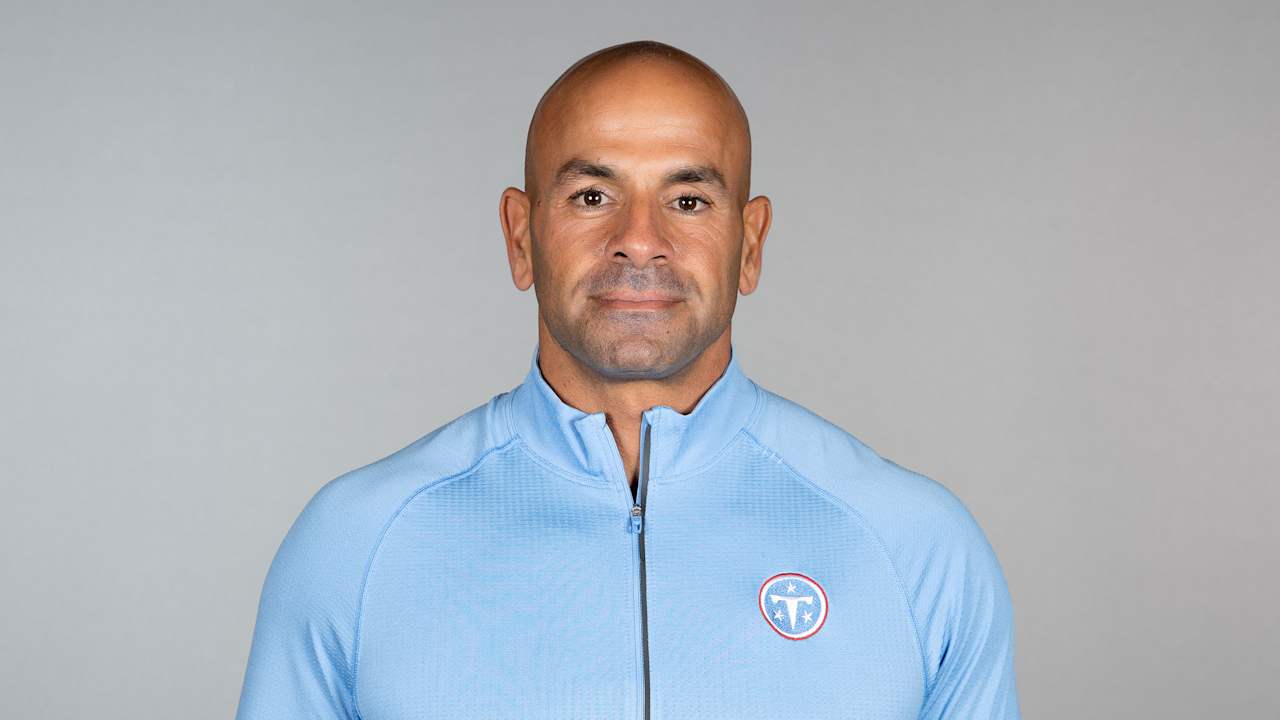
The other side of this trade is brutal in a different way. Tennessee is 1-6, and parting with Simmons only months after making him the NFL's highest-paid defensive tackle by average annual value is an admission about the franchise's competitive timeline. The Titans did not suddenly decide Simmons was a bad player. They decided his best remaining seasons were more valuable as a package of future assets than as victories in a struggling present.
That is a painful message to send a fan base. Simmons was more than a sack total: a long-serving face of the defense, a respected leader and a player whose community work mattered in Nashville and Mississippi. His foundation's impact made him a figure beyond football. Losing that combination of leadership and production is not something a pair of first-round selections instantly replaces.
The timing makes the separation especially striking. On October 28, Simmons spoke as though he expected to remain in Tennessee and said he was focused on what he could control. One day later, the organization had agreed to send him to Chicago. That contrast captures the transactional reality of the NFL: a player can commit to the team, sign a major extension and still be moved when the front office changes its plan.
For general manager Mike Borgonzi and head coach Robert Saleh, the draft haul offers options rather than answers. The 2027 and 2028 first-rounders could become building blocks around quarterback Cam Ward, trade chips for other needs or insurance against the uncertainty of future seasons. The extra fourth-rounder increases the pool. But selections only matter if the organization scouts well, develops talent and resists treating every hole as a quick fix.
There is a financial logic too. A rebuilding team must decide which expensive veterans will still be central when it is ready to contend. Simmons is 29, and defensive tackles absorb tremendous physical punishment. Tennessee may be selling near a peak in his market value rather than waiting for age, injury or reduced leverage to shrink the return. That reasoning can be sound even while the emotional cost is enormous.
The Titans now need to demonstrate that this was a plan, not merely a retreat. Draft capital is a promise of future possibilities; Simmons was a proven difference-maker already wearing the uniform. Fans can fairly ask how a franchise that committed so much money to him in June reached this crossroads by late October. The real answer will be written by the players Tennessee eventually selects, not by the trade announcement.
Seattle Is the First Test. January Will Deliver the Real Verdict
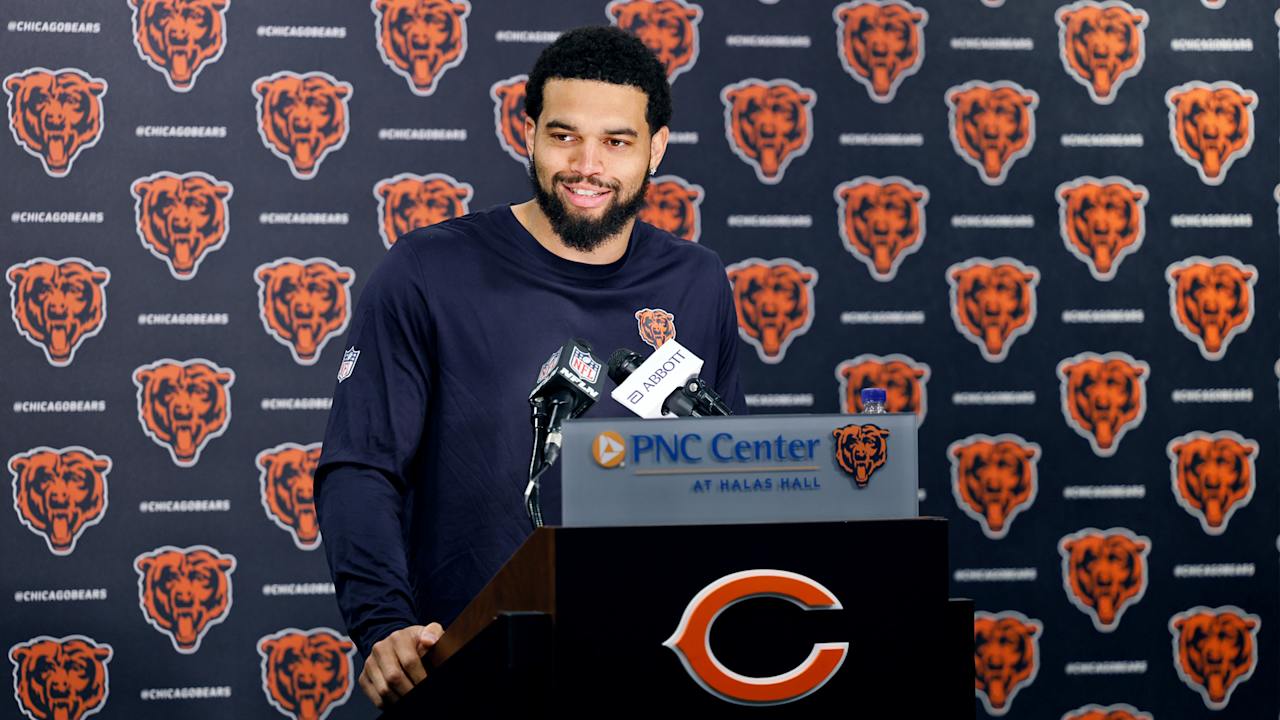
Chicago's next assignment is hardly a gentle introduction. The 5-2 Bears visit the Seattle Seahawks on Monday night, and the prospect of Simmons joining the defense immediately adds intrigue to a matchup with genuine NFC implications. Whether he can play depends on completing the trade process, his physical and the team's readiness assessment. Even if he suits up, how much of the playbook he can absorb in a few days is a practical constraint.
The bigger picture matters more than one Monday night. Chicago is chasing an undefeated Minnesota team in the NFC North, and the Bears are coming off a 2025 season that included a division title, a playoff win over Green Bay and an overtime divisional-round exit against the Rams. That history explains the urgency. This is a team that has tasted January football and does not want a respectable playoff appearance to be the ceiling.
The Simmons deal invites comparison with Chicago's 2018 acquisition of Khalil Mack, another splash move built around two first-round selections. That trade delivered a fearsome defensive presence and immediate excitement, but it also became part of a larger debate about roster balance and sustained contention. The lesson is not that expensive defensive trades are doomed. It is that one spectacular player cannot guarantee the rest of the roster will keep pace.
Poles and Johnson are now tied to a clear wager: Williams and the offense are good enough that the best use of draft resources is to upgrade a potential championship defense today. If that belief is right, Simmons could be the missing piece that changes a third-down stop, a late-game possession or a postseason result. Those are the moments when a high-priced interior lineman can repay years of future draft flexibility.
If the bet fails, the costs compound. Chicago will still need to pay and replace other players, manage injuries and identify inexpensive contributors without its next two first-round selections. A 29-year-old defender with a massive contract does not create the same financial runway as a rookie. The front office has voluntarily narrowed its margin for error, which is the unavoidable price of a win-now strategy.
None of that should diminish Simmons's talent or the excitement of watching him attack an offensive line next to Jarrett. The trade makes Chicago more dangerous on paper and gives Bears fans a reason to imagine a defense capable of complementing Williams at the highest level. But a trade is a statement of ambition, not a trophy. The real grade arrives when opponents have time to game-plan for Simmons and the games carry elimination stakes.

For Chicago, this is a declaration that the future can wait. Two first-rounders and a fourth-rounder are a staggering price, but the Bears believe Jeffery Simmons can turn a promising 5-2 team into something far more intimidating. For Tennessee, the same transaction is an admission that one elite veteran cannot rescue a rebuild on his own.
The smartest verdict today is not a letter grade. It is a set of questions: Can Simmons elevate everyone around him? Can Chicago absorb his contract without hollowing out the roster? Can Tennessee turn its picks into actual stars? The answers will take months and years. What is already certain is that the pressure on both franchises just changed dramatically.
Shop GOATIFY NFL and American football shirts, hoodies and stickers.

















