McLaren Made £588m and Still Lost Money — Zak Brown's £82m Payday Explained
GOATIFYMcLaren's 2025 Formula 1 season looked almost impossible to improve upon: Lando Norris became world champion, the team retained the constructors' crown and its racing business generated record revenue. Yet the newly filed financial accounts tell a more complicated story. Turnover climbed to £588.5 million, but the company ended the year with a £17.4 million bottom-line loss.
The other eye-catching number is the reported £81.9 million remuneration package for chief executive Zak Brown. That figure deserves context: most of it was linked to long-term incentives rather than ordinary salary. Taken together, the accounts illustrate a distinction that is easy to miss in a winning paddock: championship success, commercial growth, executive rewards and profitability do not always move in the same direction.
How a £588.5 million record year still ended in the red
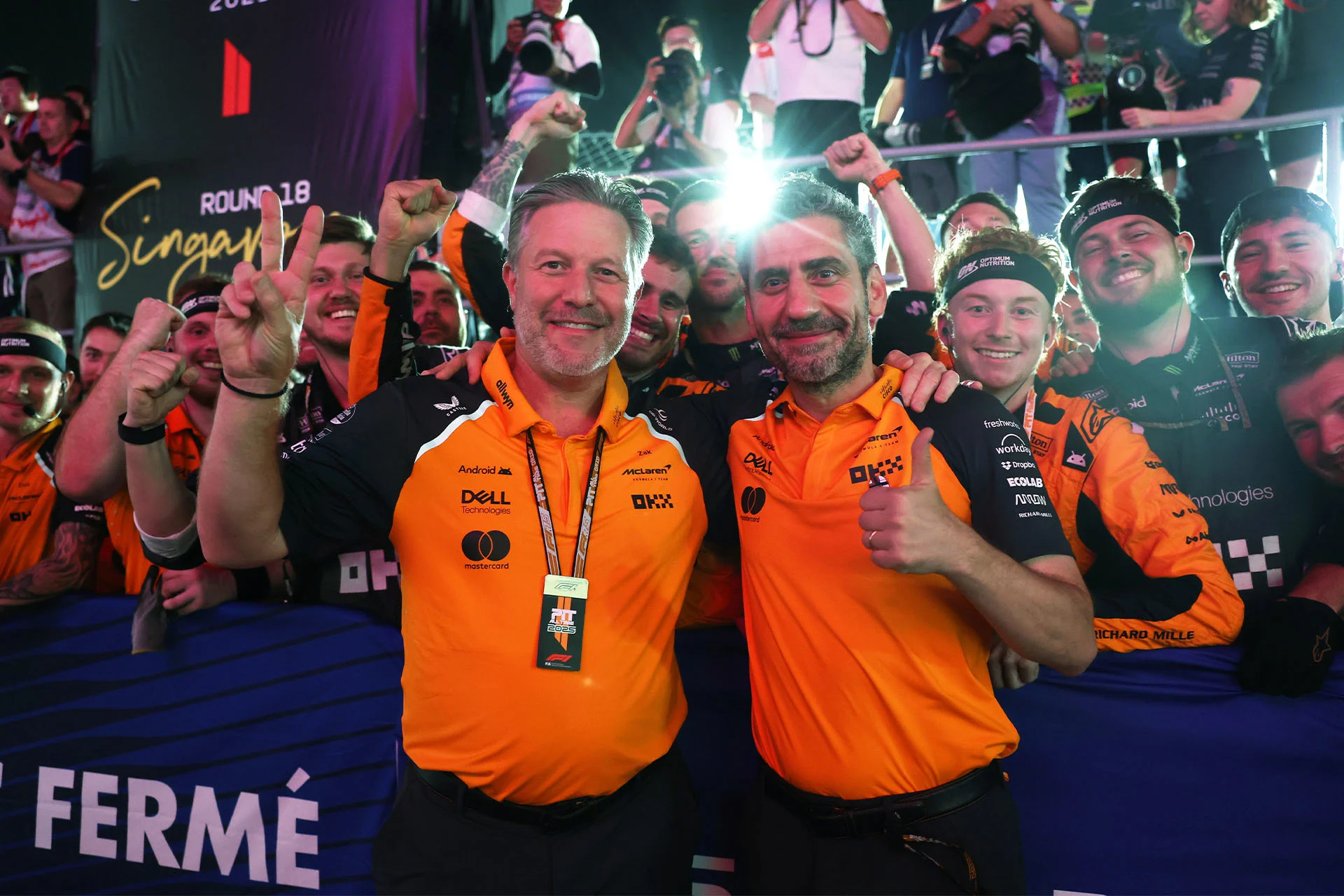
The first figure is genuinely impressive. McLaren Racing's turnover rose from £488.9 million in 2024 to £588.5 million in 2025, a gain of £99.6 million, or just over 20 percent. Winning the drivers' and constructors' championships provided a powerful backdrop for sponsorship, partnerships and the team's commercial operation. Revenue, however, measures money brought in before the costs of generating it are deducted.
Those costs rose faster. The accounts put cost of sales at £534.3 million, compared with £375.0 million the previous year. As a result, gross profit fell to about £54.1 million from £113.4 million even as sales reached a record. That contrast is the central financial fact: more business did not automatically translate into a bigger surplus.
After operating expenses of approximately £129.7 million and other items, the company recorded a pre-tax loss of £42.8 million, versus a £48.5 million pre-tax profit a year earlier. The final after-tax result was a £17.4 million loss, compared with a £53.8 million profit in 2024. Those are different accounting measures, so the pre-tax and net-loss figures should not be treated as interchangeable.
The filing also points to the longer recovery from McLaren's pandemic-era financial pressures, including loans taken when the racing operation needed support. Its reported net assets stood at about £45.9 million, down from £60.2 million. Headcount increased from 1,123 to 1,246, another reminder that sustaining a modern multi-series racing business involves more than the cars on Sunday. None of these figures alone establishes how much was spent on performance development under F1's cost cap; the racing budget and the broader company's accounts are not identical.

Why Brown's £81.9 million package is not an £81.9 million salary

The remuneration disclosure is striking, but the breakdown matters more than the headline. The highest-paid director, identified in reporting as Brown, received £8.215 million in base pay, up from £6.126 million in the previous accounts. A much larger £73.682 million came through long-term incentive payments, compared with £31.077 million the year before. Together those two 2025 figures total £81.897 million.
Calling the whole amount an annual salary would distort the picture. Reports link the extraordinary incentive award to a share transaction in which McLaren's Middle Eastern owners bought out the remaining 30 percent held by outside investors. That makes the payout partly a product of an ownership event, not simply a recurring reward for one season's race results. It is still substantial executive remuneration, but its composition changes how it should be interpreted.
The total has been reported as exceeding what Norris and Oscar Piastri earn combined. Driver contract values are not itemized in the same filing, so that comparison should be understood as a reported estimate rather than a directly audited salary table. Brown's role is also broader than a traditional pit-wall team principal: he leads commercial direction and the racing business while Andrea Stella runs the Formula 1 team.
Brown joined McLaren's leadership in 2016 and became racing CEO in 2018, during a rebuilding period far removed from the double championship of 2025. The incentive figure shows how valuable that transformation has become to investors. It does not, by itself, answer whether the current cost structure will produce healthy recurring profits.
The billion-dollar ambition now faces a tougher 2026 reality
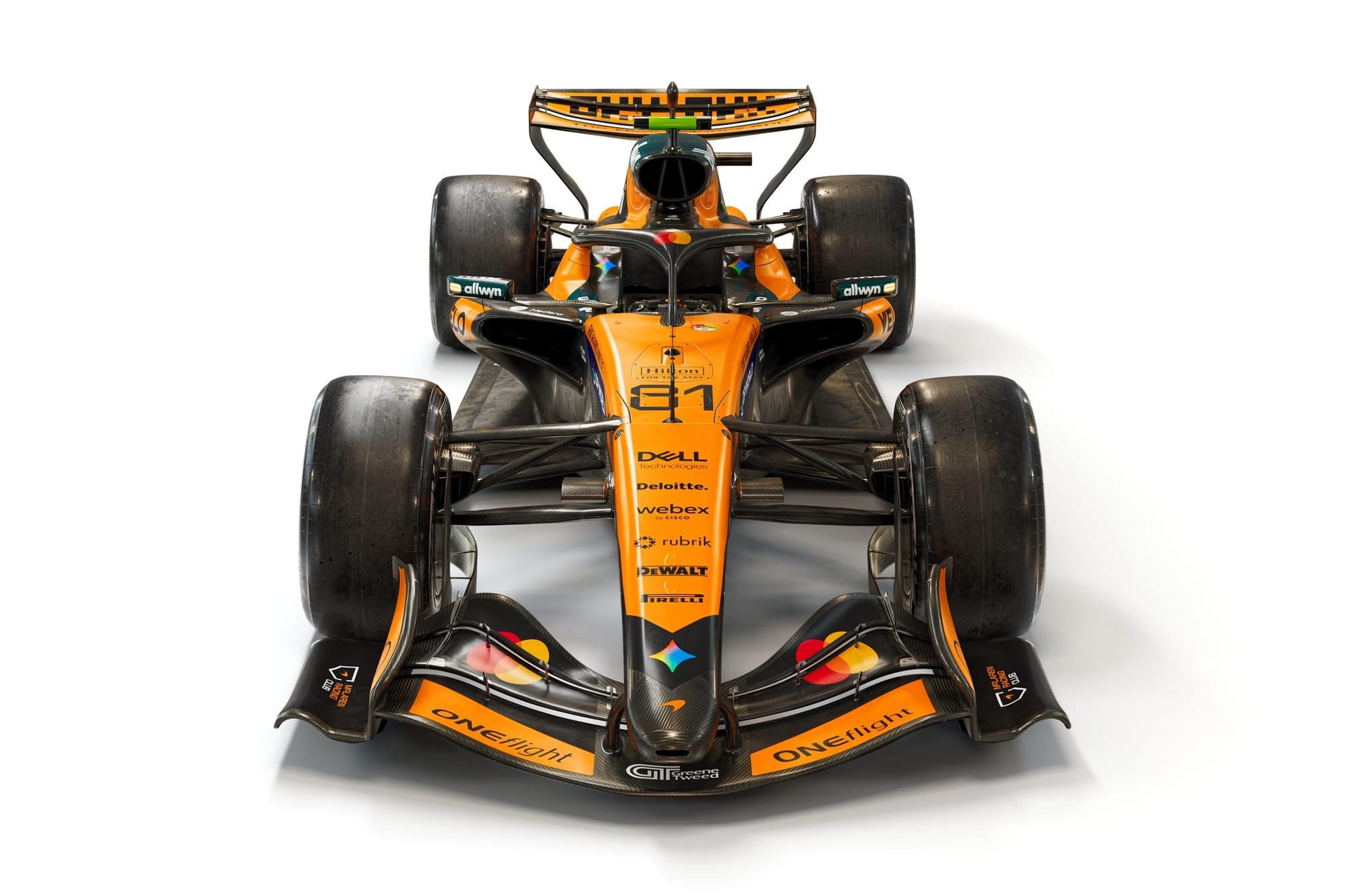
The accounts also arrive as McLaren looks toward an even larger commercial milestone. Reporting has suggested the organization could become Formula 1's first billion-dollar-revenue team in 2026. That is a forecast, not an audited result, and a higher sales figure would not guarantee a return to profit if costs continue rising just as quickly.
There are reasons for the ambition. McLaren entered 2026 with Mastercard elevated to title partner, an expanding roster of commercial relationships and the profile of a team that had just won both championships. Its driver continuity also supports the brand: Norris extended his commitment through at least 2030, while Piastri remains signed to a long-term deal. Those assets help sell partnerships even when individual race weekends disappoint.
On track, though, the new technical rules have reset the hierarchy. McLaren sits behind Mercedes and Ferrari in the 2026 constructors' fight, and the latest drivers' standings have Norris fifth on 188 points and Piastri seventh on 128. Mercedes' Kimi Antonelli leads with 320. The team that dominated 2025 therefore has to develop its MCL40 while defending the commercial expectations created by that success.
That tension is the real test of the business model. More sponsors, staff and revenue can fund an ambitious organization, but the owners will also want to know whether exceptional incentive awards and one-off financial effects obscure a sustainable underlying margin. The financial report measures the title-winning past; the next set of accounts will show whether McLaren can turn its enlarged platform into a more consistently profitable future.
McLaren's numbers should not be flattened into either a crisis narrative or a victory lap. The 2025 double title and record turnover were real achievements, the reported loss was real, and Brown's huge compensation figure was dominated by long-term incentives rather than base pay.
The question now is whether a business that has learned how to win championships and attract partners can control costs while the competitive order changes. McLaren has demonstrated that it can grow rapidly. Its next challenge is proving that growth can reliably pay for itself.