

Harry Kane’s Longevity Playbook: Sleep, Strength, Nutrition and Recovery at 33
UPLIFT IRON CLUBAt 33, Harry Kane is not talking like an athlete trying to hang on. He says his running data is better than ever, his top speeds are at career-high levels, and he feels as good physically and mentally as he ever has. That makes his current routine interesting for anyone who trains seriously: the lesson is not that more work always produces more fitness. It is that the right work, placed at the right time, can keep performance moving forward even as recovery becomes more valuable.
Kane’s approach combines football training, strength work, sleep, nutrition, mobility and deliberate recovery. The useful part is not copying an elite striker’s schedule minute for minute. It is understanding the principles behind it: protect high-quality sessions, reduce junk volume, fuel the work you actually do, and treat recovery as part of training rather than time away from it.
At 33, Kane says the speed data is still improving
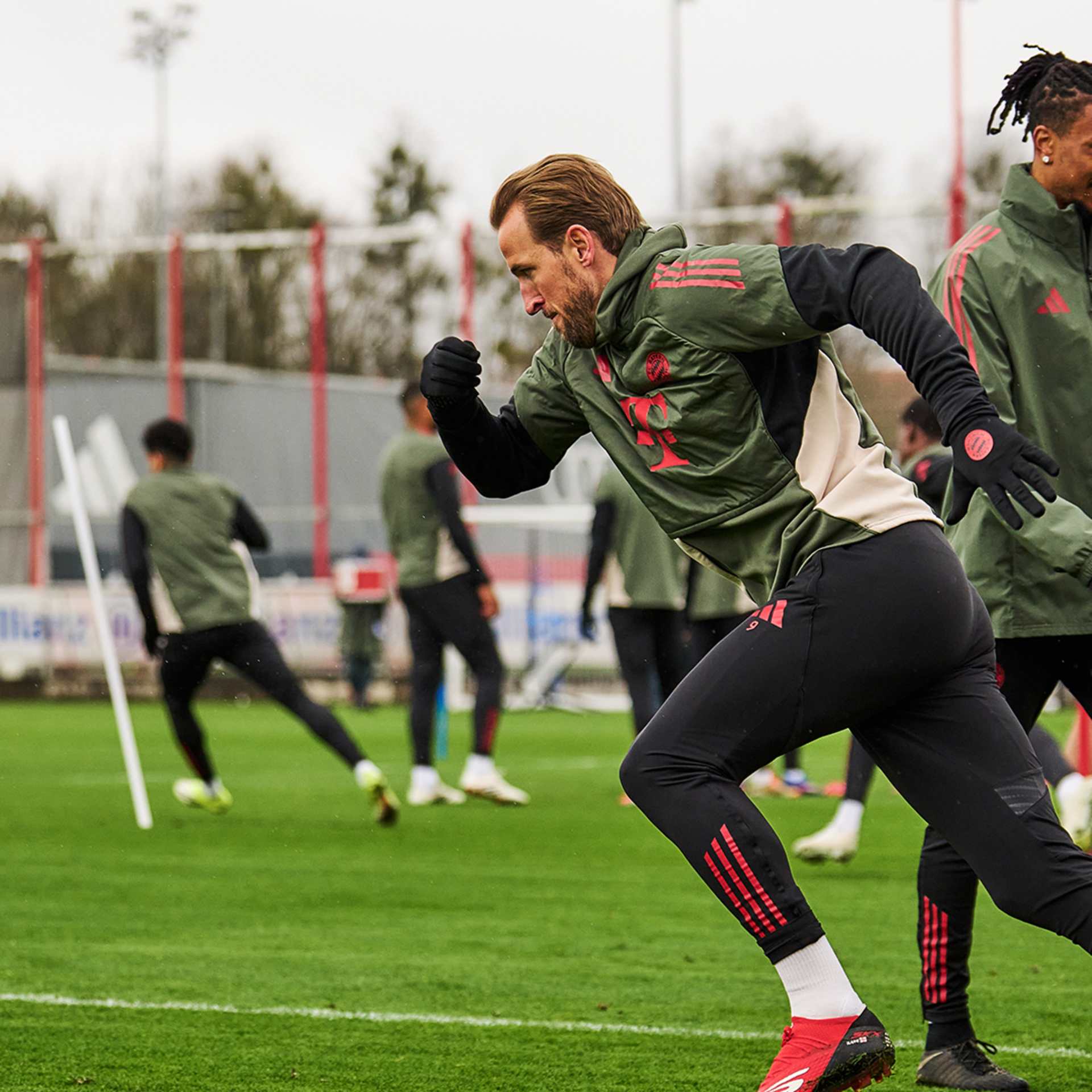
The usual story around ageing athletes is decline: less speed, slower recovery and gradually reduced training capacity. Kane is pushing against that narrative. He says his running numbers are higher than ever and that he is reaching peak top speeds in his career. Bayern’s own performance-testing work shows how closely elite clubs monitor fitness, mobility, speed and coordination rather than relying on age as a proxy for physical ability.
Age still matters physiologically, but chronological age does not tell you exactly how an individual athlete is performing today. Training history, injury load, sleep, body composition, nutrition, motivation and smart programming all influence the curve.

Strength training is fitted around the sport

When Kane has a full week between Saturday matches, Tuesday and Wednesday are his main loading days. Tuesday features larger spaces and more high-speed running, followed by lower-body gym and strength work. Wednesday becomes shorter and sharper, with accelerations and decelerations plus upper-body gym work. Thursday and Friday shift toward tactical preparation and arriving fresh enough to perform.
That is a useful programming idea even outside football. Strength work should support the main performance goal. A recreational runner might put heavy lower-body lifting away from the hardest running session. A lifter who also plays sport may avoid turning every gym day into a maximal fatigue contest.
Less extra work can produce better work
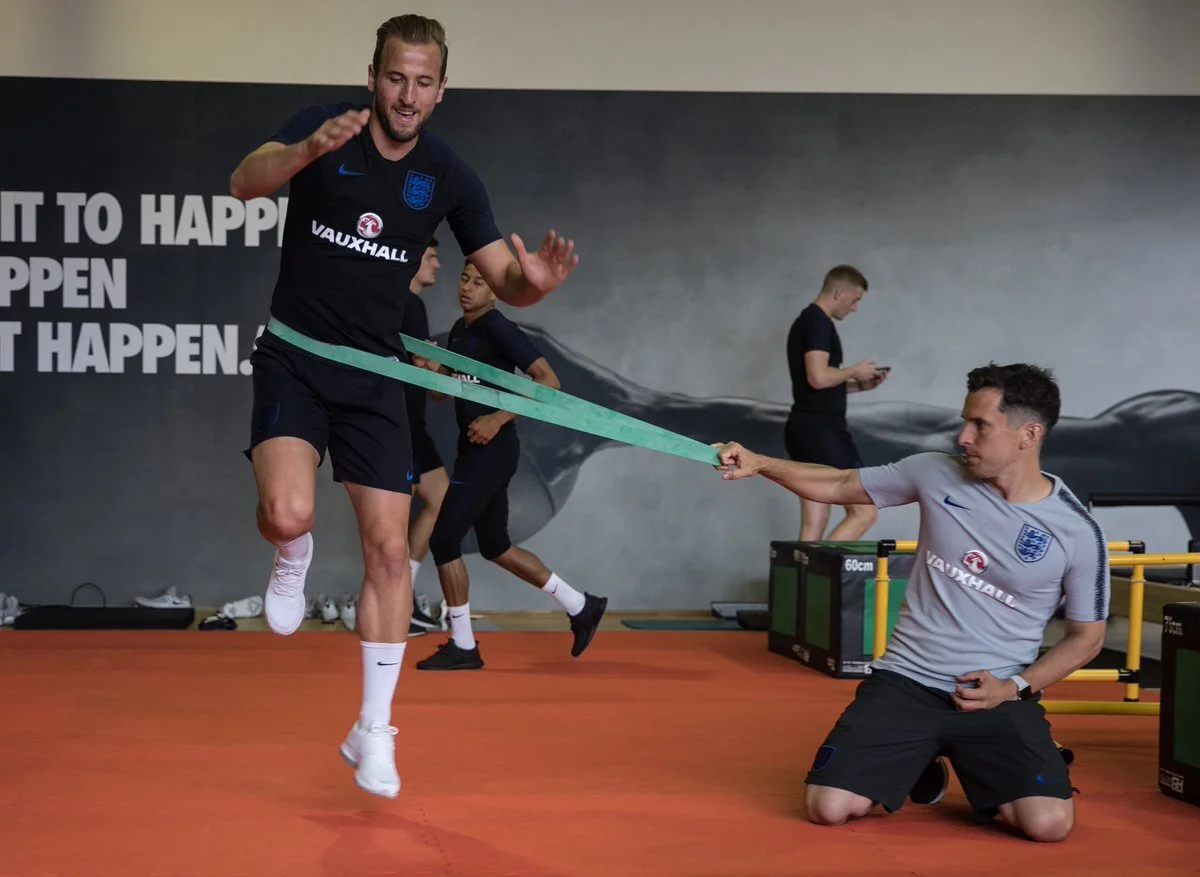
Kane describes a shift in how he handles extra practice. Now he might strike 10 or 15 extra balls rather than automatically smashing 50 after every session. The amount changes with recovery and the competitive schedule. Once the important stimulus has been delivered, extra volume has diminishing returns and still carries a recovery cost.

Sleep is not passive recovery

Kane calls sleep underrated and places it among his non-negotiable recovery habits. Training creates a demand; recovery determines how well the athlete can respond to it. His broader recovery toolbox includes ice baths, infrared sauna, mobility, stretching, treatment and electrical neurofunctional acupuncture. Those are individual choices within an elite support environment. The hierarchy matters: consistent sleep, sensible training volume, adequate food and enough lower-intensity time between hard sessions deserve priority.
Nutrition follows the workload
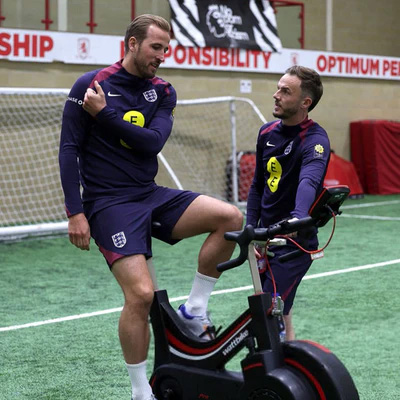
Kane talks about understanding when to fuel properly, when carbohydrate intake can be lower on lighter days and when sufficient protein matters. Food intake is connected to training demand rather than treated as an identical daily template. For most active people, hard training generally creates a stronger need for carbohydrate and total energy, while protein remains important for muscle repair and maintenance across the week.

Availability may be the most underrated performance metric
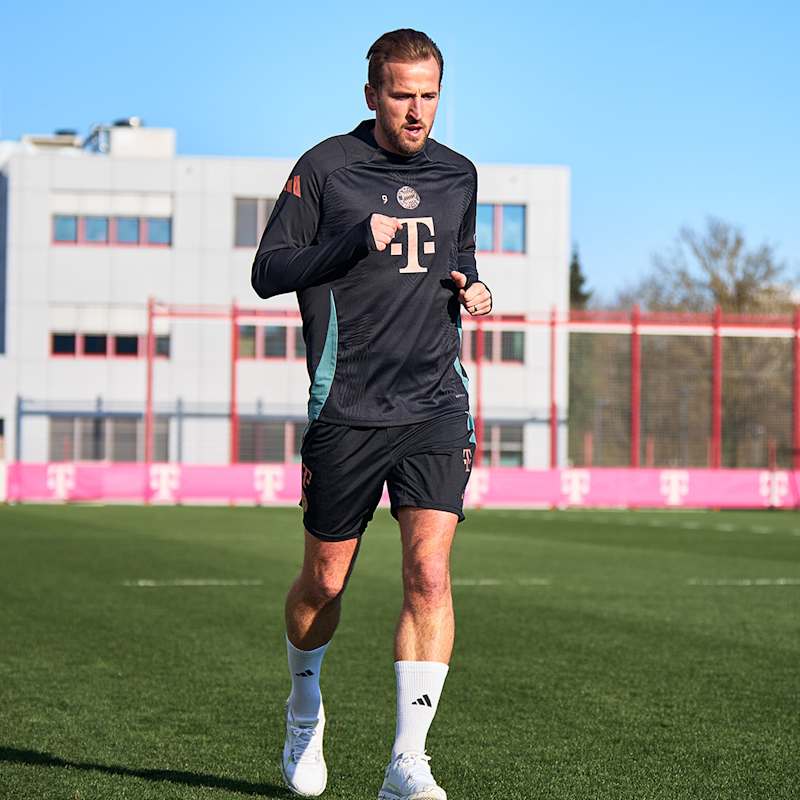
Kane’s clearest longevity principle is that being available is one of the best traits an athlete can offer a team. A spectacular session that leaves you unable to perform the next important session is not automatically superior to a slightly more conservative one that keeps quality high across months. This does not mean avoiding hard work. It means concentrating hard work where it belongs.
The UIC takeaway: train hard enough to adapt, recover well enough to repeat it
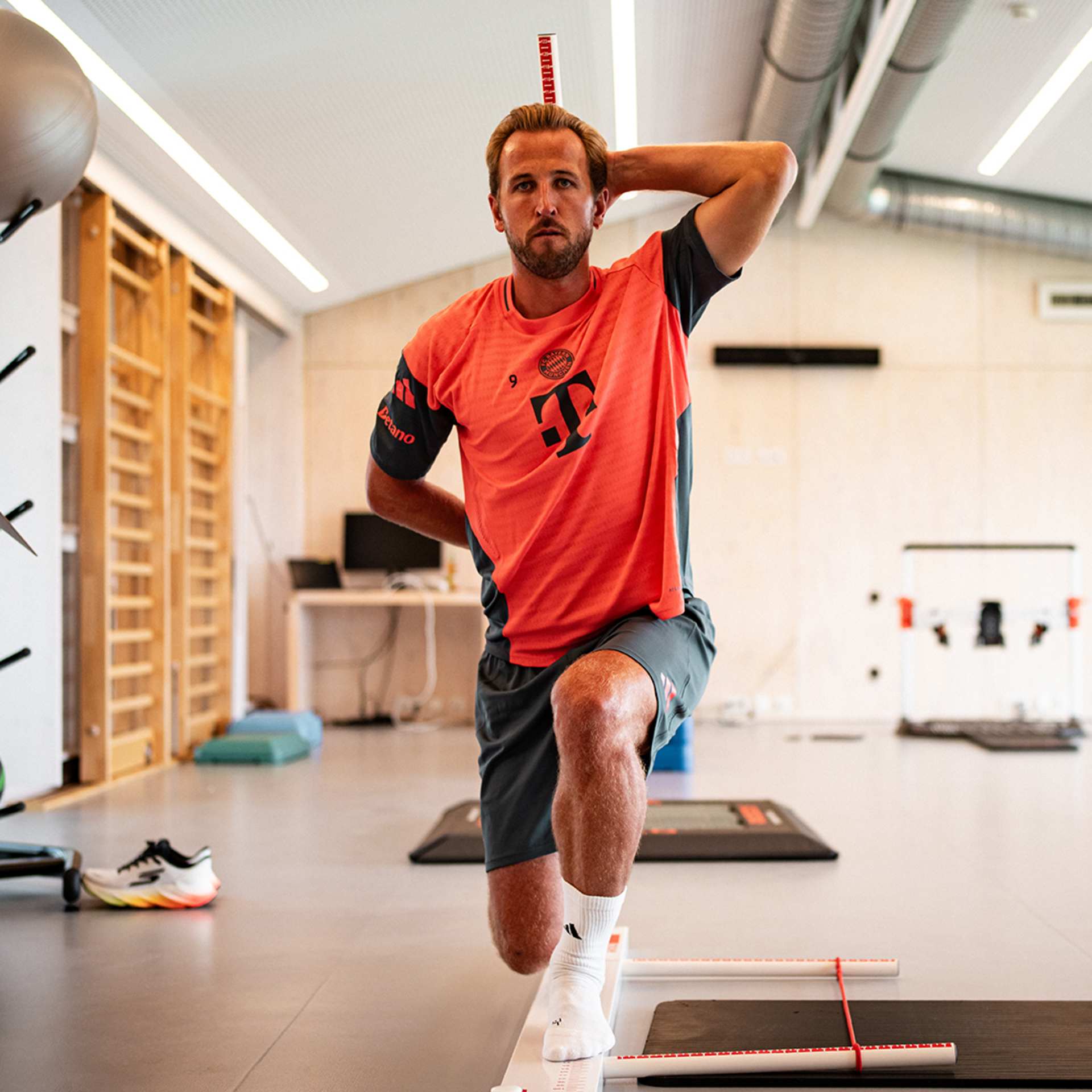
The most useful part of Kane’s longevity routine is the system. High-speed work, strength training and sharp football sessions create the stimulus. Sleep, food, mobility and lower-load days create room to absorb it. Data provides feedback. For lifters and recreational athletes, the same principle scales down neatly: put the hardest work where you can execute it well, eat enough to support the workload, protect sleep, and recover so you can attack the next important session properly.
Gym Shirts, Workout Hoodies & Fitness Gifts
Browse gym humor, workout shirts and lifting gear from Next Cult Brand.
 SHOP THE COLLECTION










