A'ja Wilson Took Over When It Mattered — The Aces Still Know How to Finish
GOATIFYWinner-take-all games are supposed to expose whatever a team cannot hide. For Las Vegas, Game 3 against Indiana exposed the opposite: when the season narrowed to forty minutes, the Aces could still lean on the best player in the series and a championship core that understood exactly how to finish.
A'ja Wilson scored 36 points with 10 rebounds and two blocks as Las Vegas beat the Fever 94-83, taking the first-round series 2-1 and reaching the WNBA semifinals for an eighth straight season. The score looks comfortable. The game was not. Indiana cut the margin to 82-80 with three minutes left before Las Vegas closed on a 12-3 run. That sequence is the real reason this result matters: the defending champions were pushed into a possession-by-possession game and still found the cleanest answers.
Wilson turned an elimination game into her kind of game
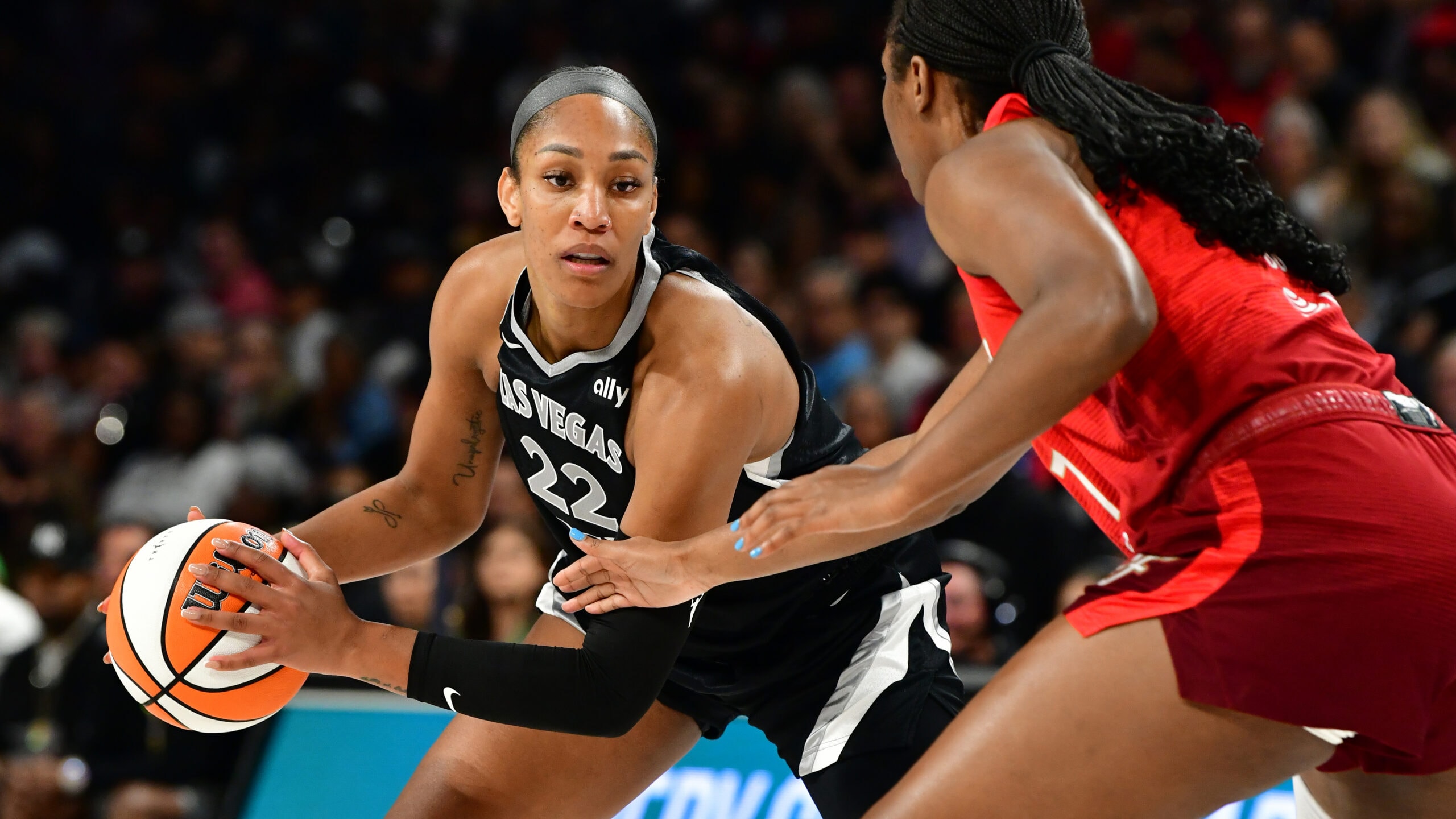
Wilson did not merely lead Las Vegas in scoring. She established the terms of the game. Her 36 points came on 11-of-18 shooting, with two made threes and 12 free throws, a scoring mix that forced Indiana to defend every layer of the floor. When the Fever stayed home on shooters, Wilson could attack her matchup. When help arrived, the Aces could play through the space created around her.
The series makes the performance look even larger. Wilson opened with 38 points and 16 rebounds in Game 1, then responded to the Game 2 loss with another dominant elimination-game line. Across the two Las Vegas wins, Indiana never found a coverage that could consistently make her inefficient. The Fever could crowd her catches, bring size and try to make every touch physical, but Wilson's balance between face-up scoring, interior strength and foul pressure kept producing good possessions.
That matters in a short series because the opponent has almost no time to invent a new answer. Indiana showed it could beat the Aces when its offense exploded in Game 2. It never proved it could take Wilson away. In Game 3, the best player on the floor was also the player most capable of simplifying the pressure: Las Vegas could enter the ball, trust the matchup and build the rest of its offense from the reaction.
Wilson also controlled the foul economy. Las Vegas attempted 35 free throws to Indiana's 20, and Wilson personally took 15. That is not just a whistle story; it reflects how often the Aces put Indiana's defenders in compromised positions. Every hard closeout or late rotation created another chance for Wilson to turn contact into points and slow the game to Las Vegas' preferred pace.

Gray and Young gave Las Vegas forty-minute stability
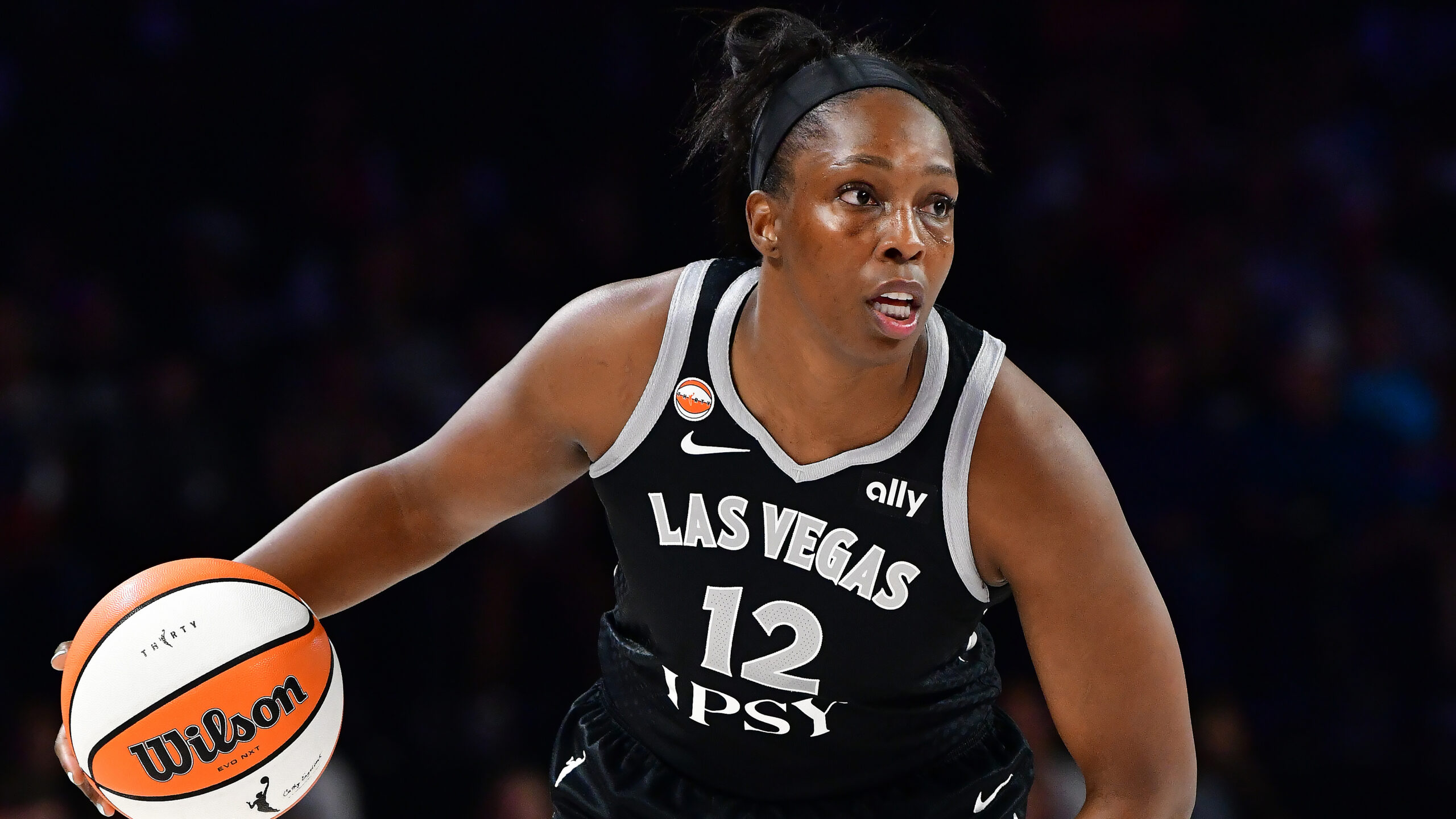
Wilson's 36 created the headline, but Las Vegas needed more than a superstar scoring night because Indiana kept finding ways back into the game. Chelsea Gray scored 23 points with five assists and Jackie Young added 18 points, eight rebounds and seven assists. Both played all 40 minutes. In a winner-take-all game, Becky Hammon effectively removed the idea of a normal rotation and trusted the core that has repeatedly handled postseason stress.
The value of Gray and Young is not just production. Gray gives the Aces a second organizer when defenses load up on Wilson, while Young can shift between scoring, secondary creation and difficult defensive assignments without requiring the offense to be rebuilt around her. That flexibility matters when a starter is missing, as Stephanie Talbot was with a leg injury and Jewell Loyd moved into the starting group.
Indiana's guards were dangerous enough to force Las Vegas into constant decisions. Gray and Young allowed the Aces to answer without becoming one-dimensional. If Wilson drew attention inside, Gray could hunt the midrange or control the clock. If Indiana pressured the ball, Young could attack a tilted defense. Championship continuity is often discussed as an abstract advantage. Game 3 made it concrete: the Aces had three stars who understood how to share the burden without needing a timeout to define whose possession it was.
The workload also says something about trust. Gray and Young did not have to be protected from the moment, and Hammon did not have to search for a closing lineup. When Talbot could not go, Loyd supplied 11 points in 35 minutes, but the spine of the team stayed intact. In a deciding game, Las Vegas shortened the decision tree and asked its most experienced players to solve the same problems repeatedly.
The game was decided after Indiana made it 82-80
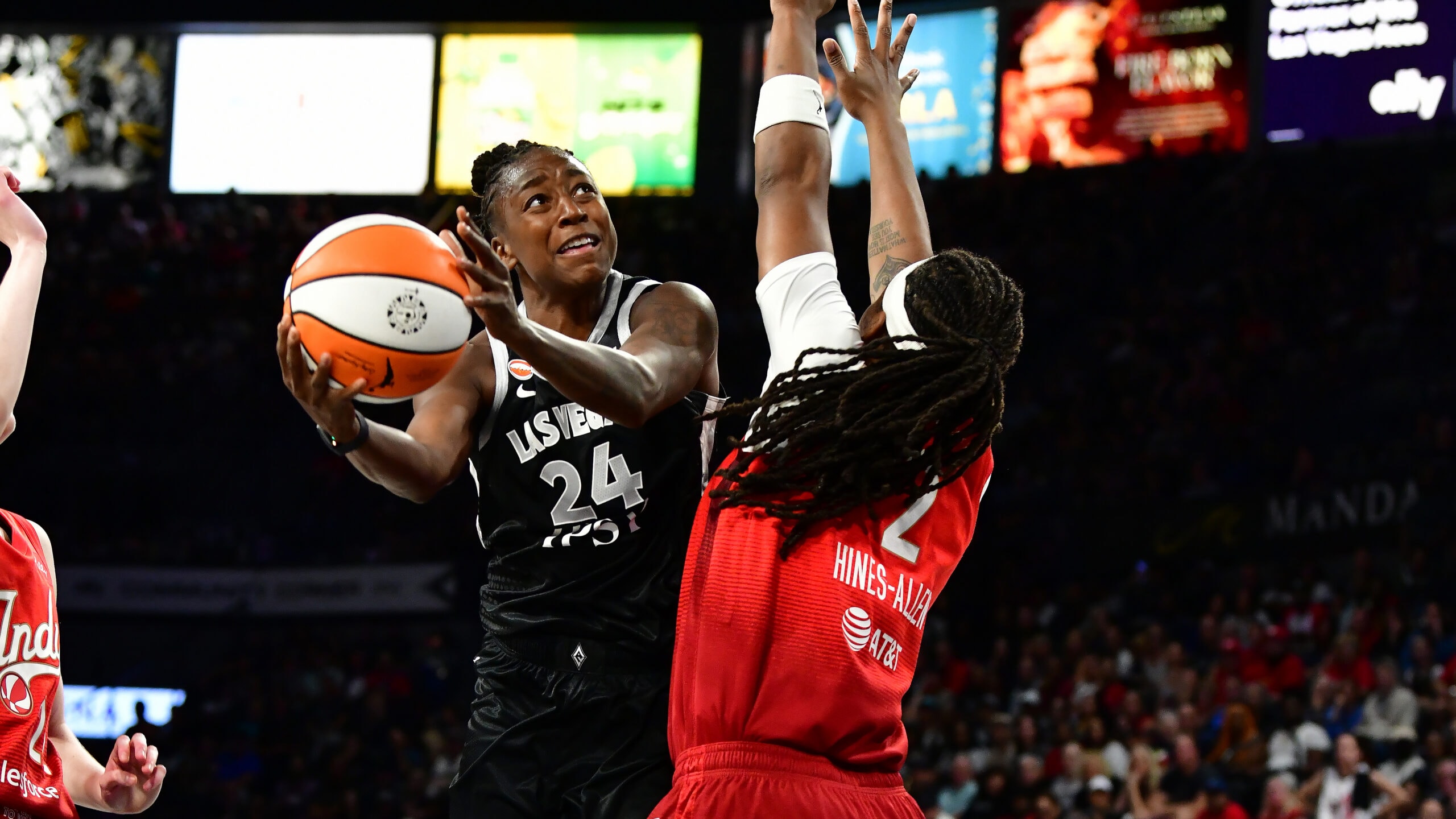
The final score hides the most instructive part of the night. Kelsey Mitchell hit a three to cut Las Vegas' lead to 82-80 with three minutes remaining. At that point, Indiana had done enough to turn a road elimination game into a handful of possessions. The Fever did not need a miracle. They needed one clean defensive stop and one more composed offensive trip.
Instead, the Aces scored 12 of the final 15 points. Gray made two free throws, then later hit a pull-up jumper that pushed the margin back to six. Las Vegas repeatedly got to the line, converting the pressure of the moment into points without needing spectacular shot-making. Indiana, meanwhile, could not turn its defensive activity into a tying possession. A loose-ball foul on Mitchell survived a challenge, and the window closed quickly.
This is where postseason experience is most valuable. It does not guarantee that veterans make every shot; it gives a team a shared understanding of what kind of possession it wants when the game becomes fragile. Las Vegas did not speed up because Indiana had momentum. It kept getting the ball to reliable decision-makers, protected the clock and forced the Fever to defend without fouling. The 12-3 finish was not glamorous. It was controlled, and control is often the difference between a close playoff loss and another round.
The free-throw disparity became especially important in that closing stretch. Las Vegas finished 28-of-35 at the line while Indiana went 14-of-20. Once the Fever were chasing the game, every foul became both points and lost time. The Aces understood that arithmetic. They did not hunt a knockout three; they kept creating contact, making Indiana defend multiple actions and forcing the clock to work for them.
Indiana's next step is learning to win the last possession battle
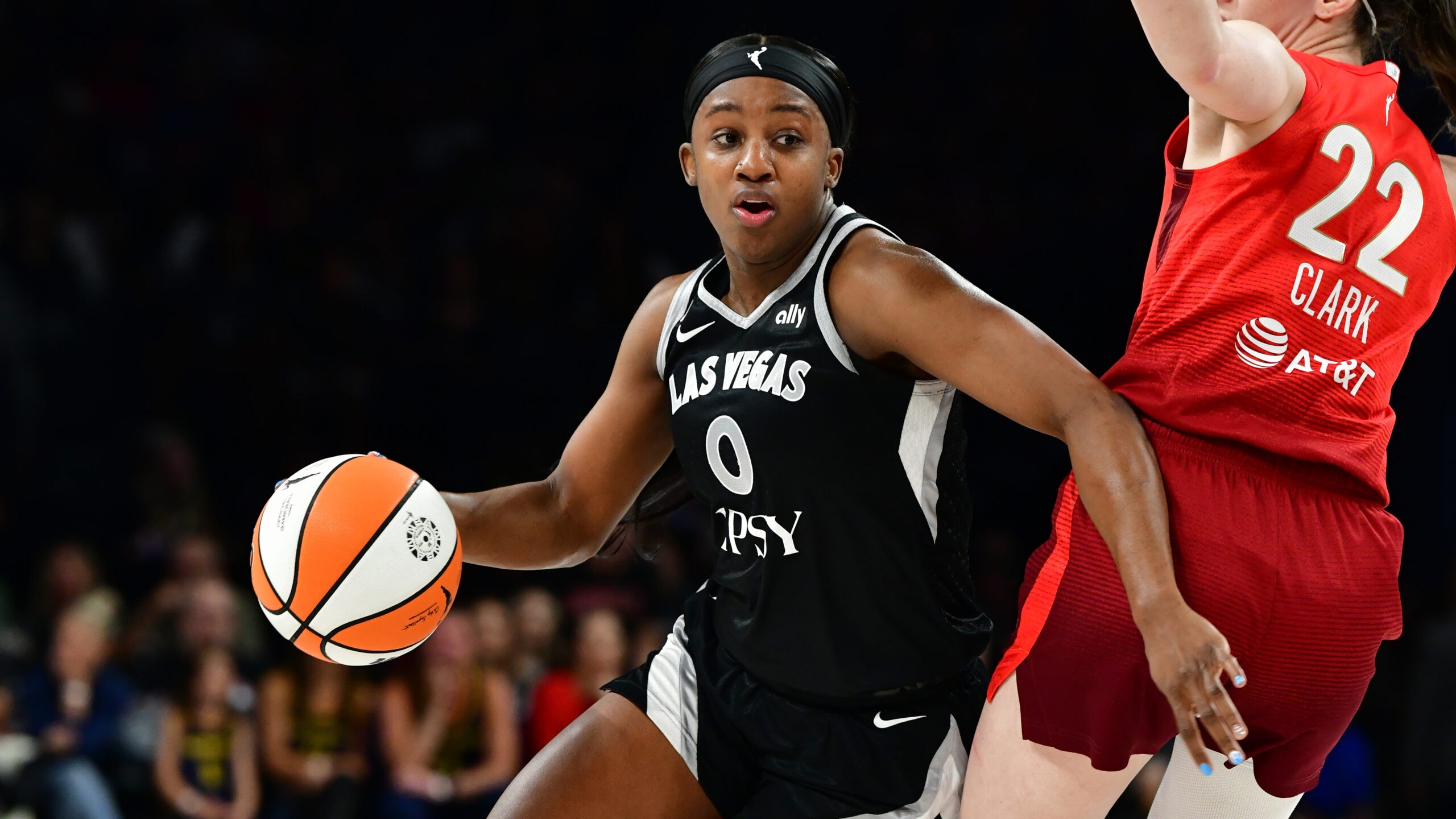
Indiana's season should not be reduced to another elimination by Las Vegas. The Fever forced a defending champion into a deciding game and were two points down with three minutes left on the road. Caitlin Clark scored 18, Kelsey Mitchell had 23 and Aliyah Boston produced 19 points with 10 rebounds. There was enough talent and enough resistance to make the Aces uncomfortable.
But the shooting and decision-making margins were too thin. Clark finished 6-of-18 with six turnovers, while Mitchell went 7-of-23. Together they shot 13-of-41, and Indiana made only 9 of 32 threes after spending the regular season as one of the league's most dangerous perimeter offenses. Las Vegas did not erase Indiana's strengths; it made the Fever work hard enough that those strengths became less efficient.
That is the useful offseason lesson. Indiana does not need to become a different team. It needs more ways to manufacture a good possession when transition disappears, the first action is denied and the game slows down. Clark's passing, Mitchell's shot creation and Boston's interior play already give the Fever multiple foundations. The next layer is late-game precision: fewer empty trips, cleaner spacing and a defensive possession that ends without sending an opponent to the line.
For Clark specifically, this was only her fifth playoff game. The experience gap against a Las Vegas core that has spent years in these situations was enormous. The gap can shrink. Indiana's disappointment is real, but so is the evidence that the Fever are now close enough for the details to matter.
There is also a roster question around Mitchell, who will reach unrestricted free agency after a record-setting scoring season. Indiana's priority should be continuity around the Clark-Mitchell-Boston triangle while adding enough two-way depth that one cold shooting night does not collapse the offense. The Fever have moved beyond proving they belong in the postseason. Their next standard is building a group that can win a deciding game when the first option stops working.

Las Vegas did not advance because Game 3 was easy. It advanced because the difficult parts of the game eventually became familiar territory. Wilson created the matchup problem, Gray controlled the late possessions, Young supplied two-way stability and the Aces turned the final three minutes into a championship-team closeout.
Indiana leaves with evidence that its ceiling is real, but also with another reminder that postseason progress is measured in the possessions after a game becomes 82-80. The Aces already know how to live there. As the bracket moves to a best-of-five semifinal, that experience — paired with Wilson playing at this level — remains the most convincing argument for another deep Las Vegas run.
Shop GOATIFY WNBA products from the WNBA-filtered basketball collection.