

Ocon Denies Violence After Haas Axing — Now His F1 Future Is on the Line
GOATIFYEsteban Ocon was already facing an uncertain Formula 1 future when Haas unexpectedly removed him from the Mexico City Grand Prix. Now the story has taken a more serious turn. The French driver has publicly acknowledged a disagreement within the team while categorically denying reports that any physical violence occurred. That distinction matters: an internal dispute is confirmed by Ocon's own account, but the more explosive allegations remain contested and should not be treated as established fact.
Haas has not publicly explained the decision to replace him with reserve driver Ryo Hirakawa for the remainder of the weekend. The team has confirmed the substitution, and its principal Ayao Komatsu has said illness was not the reason. With Ocon already due to leave at season's end and no confirmed seat for 2027, Mexico has become about more than one missed race. It is a test of how a driver's final months with a team can unravel — and how quickly a career narrative can change.
Ocon's Denial Changes the Story — But It Does Not Explain the Haas Decision
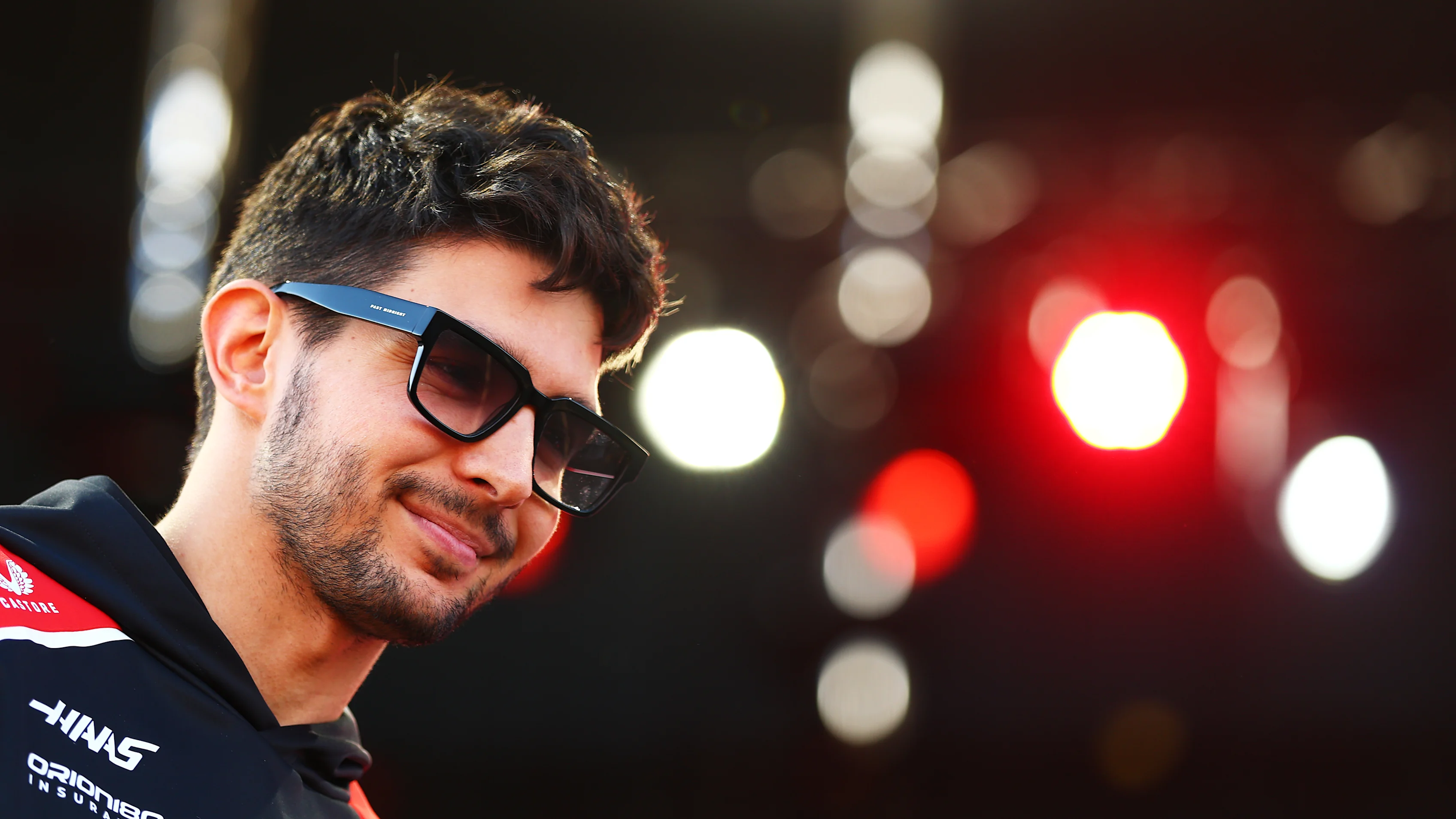
The most important development since Haas announced its driver switch is Ocon's own response. He has acknowledged that a difference of viewpoints led to a discussion with the people involved on Friday night, but he has emphatically rejected allegations that physical violence was used. He also called for professionalism and asked that speculation stop while the matter is addressed. That is a meaningful statement, not an admission of the accusations that prompted it.
There are three separate questions here, and treating them as interchangeable would distort the story. First, did a disagreement occur? Ocon says yes. Second, did Haas remove him from the Mexico City race? Yes: the team confirmed Hirakawa would drive the VF-26 alongside Oliver Bearman for final practice, qualifying and Sunday's Grand Prix. Third, was there a physical confrontation? That has not been independently established, and Ocon expressly denies it. The team's public silence on its reasoning does not turn allegations into proof.
Komatsu's comments have been deliberately narrow. He indicated Ocon was not ill and said the team was concentrating on getting Hirakawa ready to drive. Haas has not announced a disciplinary finding, offered a detailed public account of the meeting or explained whether the replacement will extend beyond Mexico. Those unanswered questions may encourage speculation, but they also create a clear reporting boundary. The verified decision is a weekend substitution; its complete cause and any longer-term consequences remain unresolved.
That distinction is especially important because Ocon is a recognizable Grand Prix winner rather than a rookie on a trial contract. He won the 2021 Hungarian Grand Prix and has spent more than a decade working his way through F1's intensely competitive driver market. The sport can demand accountability for workplace behavior without deciding disputed claims in the court of social media. Whatever the internal discussions reveal, the next reliable update must come from a substantive team decision or a supported factual account, not the loudest version of a rumor.
There is a broader lesson in how this episode is being discussed. A team can make a selection decision without disclosing confidential employment details, and a driver can dispute public accusations without offering a complete account of a private meeting. Both positions leave space for legitimate questions. They do not give outsiders permission to fill that space with certainty. The sporting consequences are immediate and visible; the underlying personnel process is not. Any subsequent investigation, contractual resolution or formal statement would materially change the story and deserves to be assessed on its own evidence.
A Friday Tyre Dispute Exposed the Friction Already Building at Haas
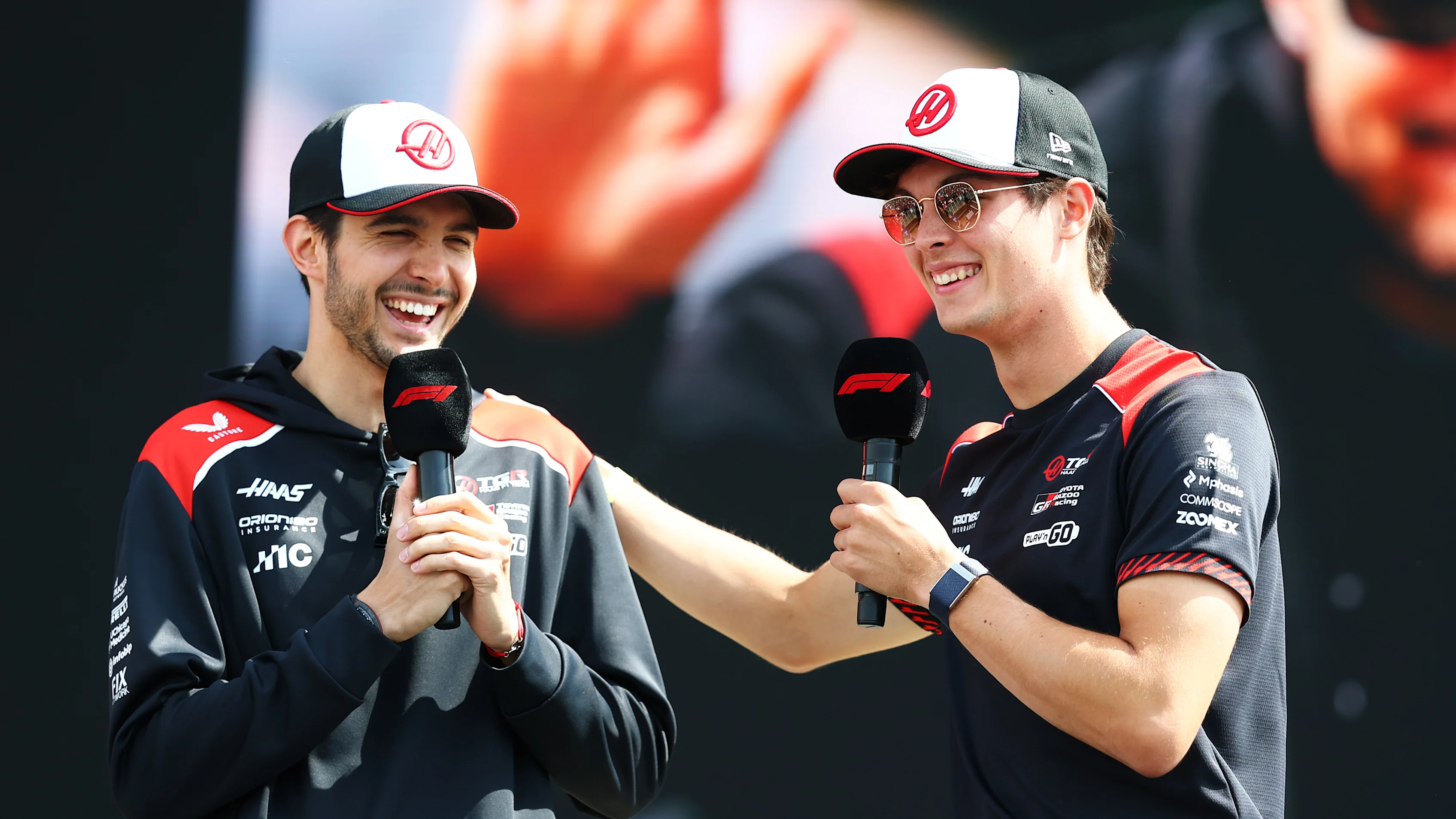
Before the sudden driver change, Ocon's Friday practice session had already revealed tension. During the second hour, he questioned the decision to run medium tyres rather than the soft compound he wanted, pushing back over team radio to race engineer Laura Mueller. On its own, a sharp radio exchange is hardly unprecedented in Formula 1. Drivers regularly challenge tyre selections, timing and run plans because every session has competing objectives: learning long-run degradation, testing a setup change and finding outright speed are not always compatible.
The critical issue is what happens after that frustration leaves the cockpit. A driver is entitled to argue that a run plan is costing valuable information; a team is entitled to coordinate its programme across both cars and the wider engineering group. Those disagreements can be productive when the facts are examined and the chain of responsibility is clear. They become damaging when mutual trust disappears. The public record establishes the tyre disagreement and the later substitution, but it does not establish that one automatically caused the other.
Context makes the situation more combustible. Haas announced in September that Ocon would depart after 2026, ending a partnership that began in 2025. Komatsu had once seen the arrival of a Grand Prix winner as a milestone for a team seeking consistency in the midfield. Yet the 2026 campaign has been difficult. Ocon entered the Mexico weekend with seven championship points, compared with 23 for teammate Bearman, and the team had already committed its next chapter to different personnel. Those figures do not explain a workplace dispute, but they do show how little margin remained for rebuilding confidence.
Ocon's experience still has real value. He understands how to develop a car, manage long races and survive difficult seasons, while Bearman's improvement gives Haas a younger benchmark. But when a driver knows his seat is going away, each weekend also becomes an audition for the rest of the paddock. That can increase the pressure around an ordinary practice decision. It can also create the temptation to interpret every radio message as evidence of a larger collapse. The fairest assessment is that the relationship was under strain before Mexico, and the events of this weekend have made that strain impossible to ignore.
Tyre choices at Mexico City also carry particular strategic weight. The circuit's altitude reduces aerodynamic load and changes cooling demands, while the long run toward the first corner can reward a car that gets its tyres into the right operating window. Engineers therefore need clean comparative data rather than simply chasing the fastest lap in every practice run. That technical context makes a disagreement over compounds understandable, although it does not justify assuming anything about what happened after the session. The engineering debate and the reported interpersonal dispute must remain analytically separate.

Hirakawa Gets a Dream Debut — With Almost No Time to Prepare
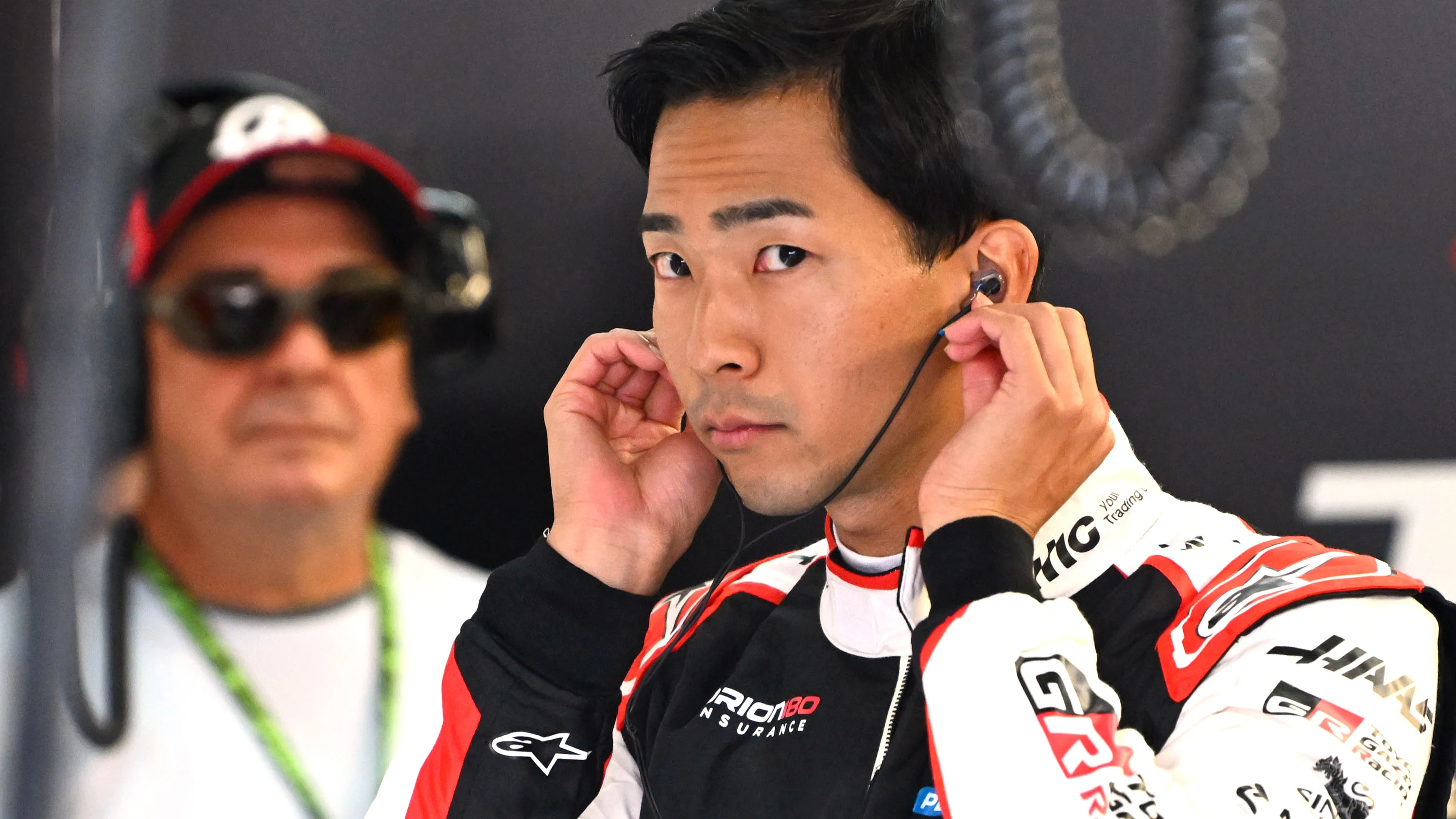
For Ryo Hirakawa, the controversy surrounding the vacancy is separate from the opportunity it created. At 32, the Japanese racer is preparing for his first Formula 1 Grand Prix start after years of succeeding elsewhere. Haas confirmed the late switch on Saturday, only hours before qualifying. Hirakawa had already driven the team's car in Friday's opening practice session, but that was originally a scheduled reserve-driver appearance rather than the opening act of a full race weekend.
He is not an inexperienced racing driver. Hirakawa won the Japanese Formula 3 title in 2012, later collected victories in Super Formula and won the 2017 Super GT championship. His endurance résumé is even stronger: with Toyota, he helped secure consecutive World Endurance Championship titles in 2022 and 2023 and was part of a Le Mans-winning crew in 2022. Those achievements require precision, traffic management and the ability to perform in a highly technical team environment. What they cannot fully replicate is the particular rhythm of a modern F1 race with unfamiliar tyre behavior, pit-stop strategy and close combat against a grid of specialists.
Hirakawa has spent recent seasons building F1 experience through test and reserve roles with McLaren, Alpine and Haas. His Mexico call-up made him the oldest Grand Prix debutant since André Lotterer in 2014. That fact is unusual in an era when teams frequently promote drivers in their late teens or early twenties. It also makes his story more interesting than a conventional emergency replacement: he has earned a chance through a long, successful career in other categories, not through a sudden discovery of raw speed.
Qualifying was predictably difficult. Hirakawa ended up 19th in the classification after the late call-up, with limited time to establish confidence in the VF-26 and its braking and tyre windows. Mexico City's long opening run and high-altitude conditions will create further challenges on race day. A measured race with clean laps, sensible tyre management and useful feedback could be a success even without points. The debut should be judged against the preparation he actually received, rather than against the expectations normally placed on a full-time driver who has spent an entire season with the car.

The Brazil Question Could Decide How Ocon Leaves Formula 1
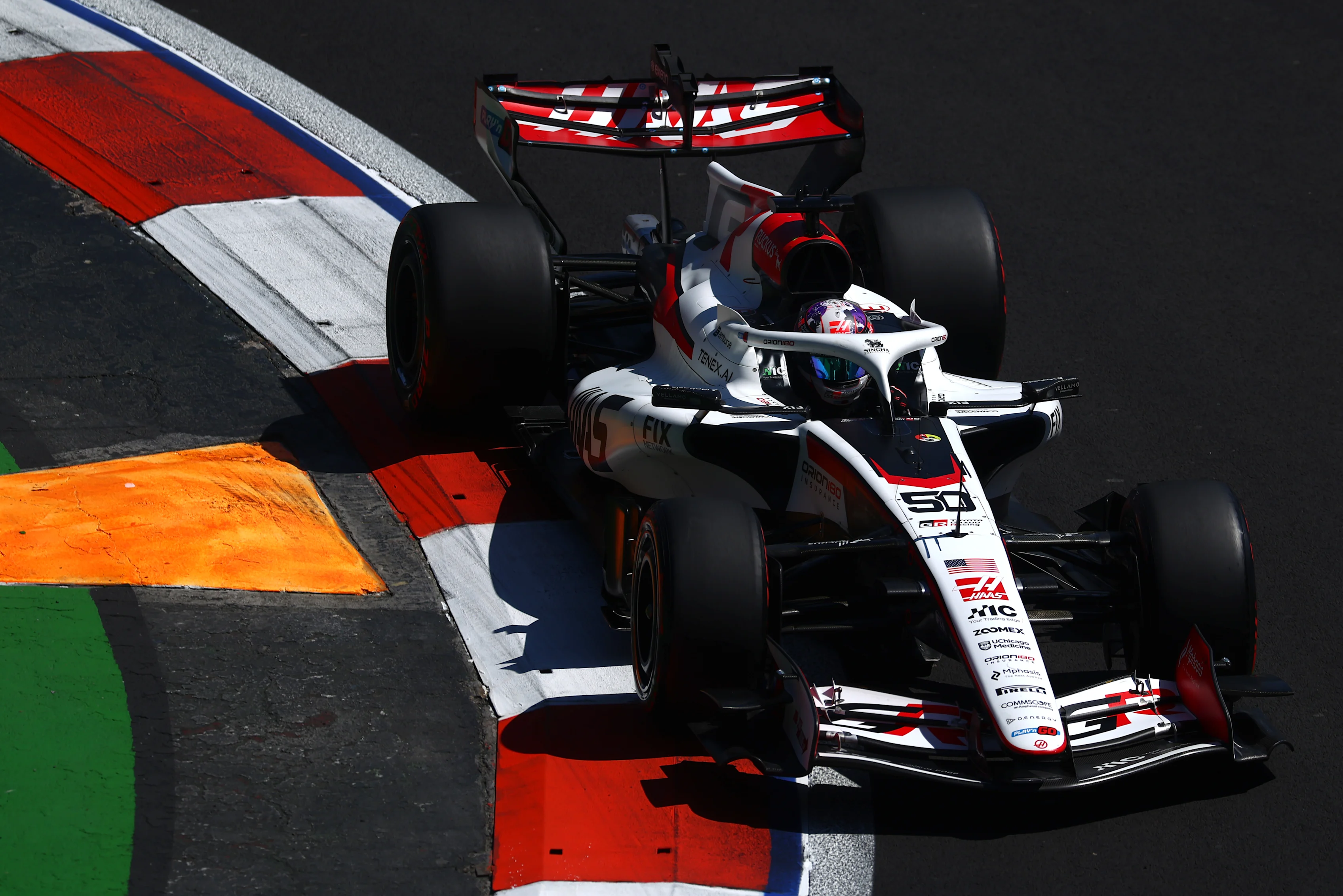
The next question is whether Ocon returns to the Haas cockpit in Brazil. As of November 1, there has been no definitive public announcement that the Mexico substitution will continue for the rest of the season. That matters because a one-race replacement and a permanent early separation are very different decisions, both professionally and contractually. Haas has confirmed only the Mexico arrangement. Predictions about who will drive at Interlagos should therefore be described as possibilities rather than a completed lineup change.
Ocon's departure after the 2026 season is not in doubt. The team has moved toward a 2027 pairing built around Oliver Bearman and Ferrari-backed Rafael Câmara. The Frenchman's immediate problem is that most competitive F1 seats are already committed. A driver who might once have expected his experience to open doors is now having to demonstrate that he can be an effective teammate and development asset even when circumstances are difficult. If the remaining races disappear from his schedule, he loses valuable chances to make that case on track.
Hirakawa's own availability is another complication. His Toyota endurance commitments continue, and the world endurance title picture is still active. Haas also has other reserve and development options. It would be easy to build a dramatic narrative around a single name for Brazil, but the team must weigh preparation, commercial relationships, race-readiness and the practical demands of two simultaneous racing programmes. Its decision will say something about whether Mexico was a narrow response to one weekend or a fundamental breakdown of the existing arrangement.
There is also a longer career perspective. Ocon has previously endured a year without a full-time F1 seat, serving as a Mercedes reserve in 2019 before returning to racing. A similar route is conceivable, but not guaranteed. Teams can value his experience while still deciding that a younger prospect offers better long-term upside. The next few weeks may influence how the paddock interprets both his performances and his working relationships. For Haas, the priority is protecting its championship position and preparing the next generation. For Ocon, it is preserving the possibility that this difficult exit is a pause in his F1 story rather than its final chapter.
There is a commercial dimension too, but it should not be mistaken for a verdict on the people involved. Haas has to satisfy sponsors, protect its engineers and maximise the points available in the constructors' championship. Ocon has to protect a reputation built through years of racing and teamwork. Those interests can collide sharply at the end of a contract. The best outcome would be a clear, professional resolution that allows the remaining race programme to proceed without asking fans to guess at private facts. For now, the uncertainty itself is the most consequential development.

The confirmed story is already extraordinary: Haas removed a race-winning driver mid-weekend, Ocon acknowledged a disagreement but denied allegations of violence, and a 32-year-old endurance champion was handed a first Formula 1 start with almost no warning. The unanswered part is why Haas made the decision and what it means beyond Mexico. Until those facts emerge, neither rumor nor denial alone should be presented as a final finding about an alleged confrontation.
What can be judged now is the sporting cost. Hirakawa gets a rare opportunity, Haas must navigate a tense transition, and Ocon risks losing the last races he expected to use to secure his next chance. Brazil, rather than the speculation surrounding Mexico, may provide the clearest answer about how this partnership ends.

















