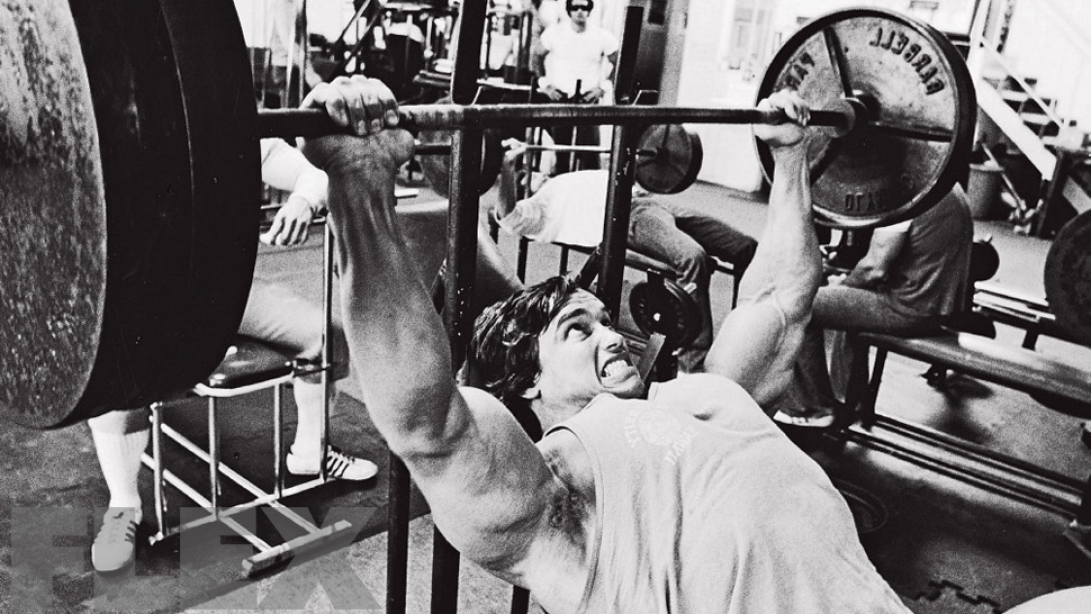
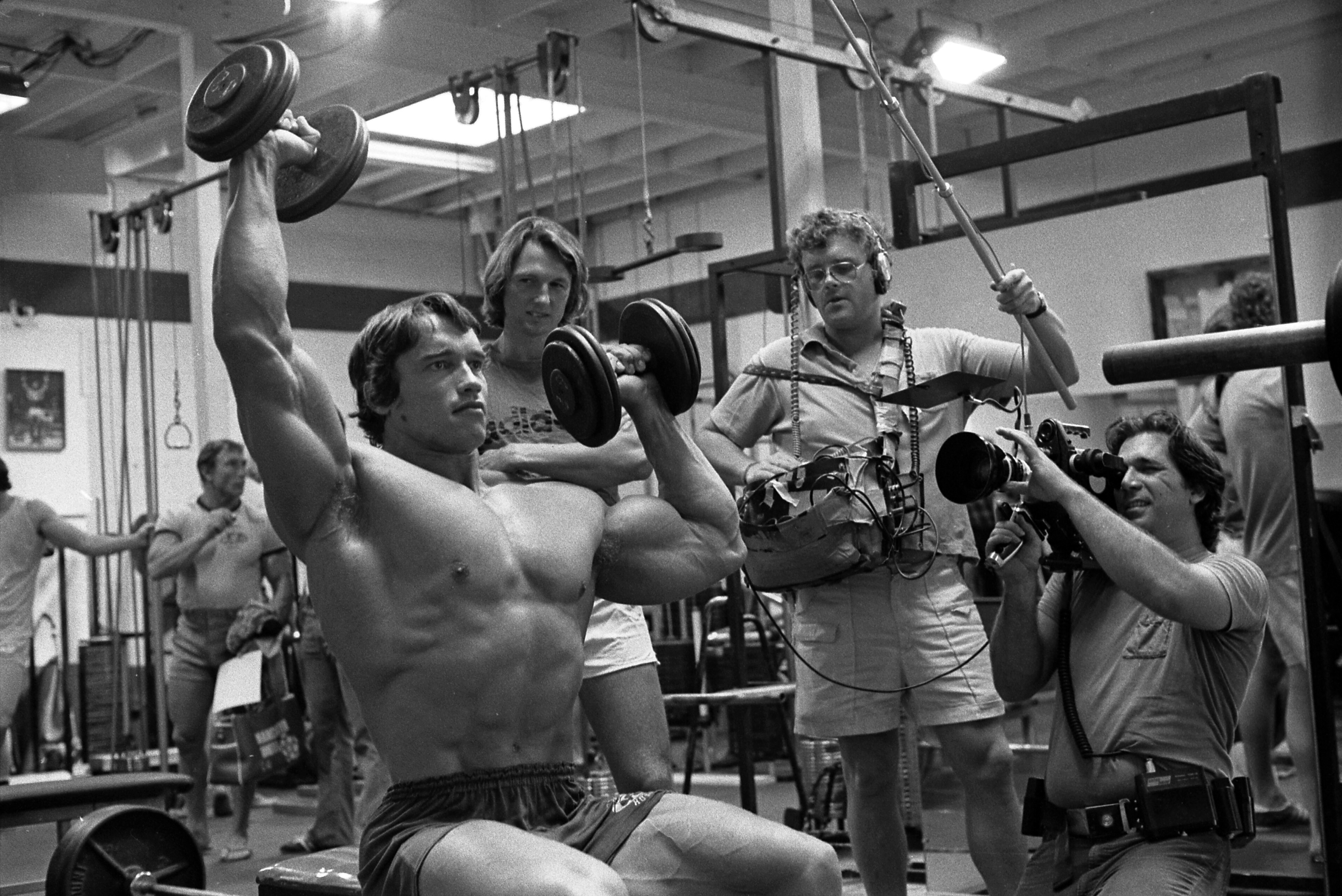
Arnold Schwarzenegger Mind-Muscle Connection: How He Made Every Rep Count
UPLIFT IRON CLUBArnold Schwarzenegger’s bodybuilding style was built around more than adding plates. He was famous for chasing the pump, controlling poses and treating a set as a chance to make the target muscle do the work rather than simply getting the weight from point A to point B.
That idea is now usually called the mind-muscle connection: deliberately focusing attention on the muscle you want to train while you perform the rep. It can sound like old-school gym mysticism, but there is a practical version of it that makes sense. Better attention often leads to better setup, cleaner joint positions and less momentum.
The mistake is turning it into a magic trick. Feeling a muscle is useful, but hypertrophy still depends on hard training, sufficient loading, progression, recovery and enough total work. Arnold’s real lesson is not to meditate through every rep. It is to make the intended muscle earn the rep.
What Arnold Meant by Mind-Muscle Connection

For a bodybuilder, an exercise is valuable because of what it does to the target muscle. That is a different mindset from powerlifting, where the main objective is moving the heaviest legal load through a defined movement.
On a curl, for example, the bodybuilding question is not merely whether the dumbbell reached the top. It is whether the biceps produced most of the useful tension. If the shoulder swings forward, the torso rocks and momentum launches the weight, the rep may still be completed while the target muscle does less of the job you wanted.
That is where internal focus helps. Think about shortening the biceps, driving the elbows into a stable position, and controlling the lowering phase. The cue changes how you perform the rep rather than somehow stimulating growth by thought alone.
This approach also explains why experienced bodybuilders often use loads that look modest compared with their overall strength. The goal of a set may be maximum local tension and fatigue, not demonstrating the largest possible number on the stack.

Slow Down the Rep Long Enough to Feel the Target Muscle

You do not need exaggerated five-second negatives on every exercise, but you do need enough control to know where the resistance is going. A useful test is whether you could stop the rep briefly at several points without the weight dragging you out of position.
For curls, lateral raises, flyes and leg extensions, reducing momentum usually makes the target muscle easier to identify. Keep the eccentric controlled, change direction deliberately and avoid turning the final repetitions into a full-body heave unless you are intentionally using a technique such as controlled cheat reps.
There is also a practical progression here. First learn to perform the exercise with stable mechanics. Then learn to load it harder without losing those mechanics. Mind-muscle connection should improve the rep you can progress, not trap you forever with tiny weights because the burn feels impressive.
If slowing the rep exposes that you cannot control the current load, that information is useful. Reduce the weight slightly, rebuild the pattern, then progress again.
Exercise Setup Matters More Than Thinking Harder

Concentration is easier when the exercise itself gives you a stable platform. A preacher curl supports the upper arm. A chest-supported row reduces the temptation to turn a back exercise into a hip-extension contest. A cable fly lets you position the line of pull so the pecs stay loaded through a useful range.
That means setup should come before mental cues. Adjust the seat, pad, cable height, stance and grip so the target muscle can actually produce force comfortably. Then use attention to reinforce the movement.
This is especially useful when a lifter says they “never feel” an exercise. The solution may not be trying harder to think about the muscle. It may be changing elbow path, range of motion, torso angle or equipment so the exercise fits their structure better.
Arnold’s era had fewer sophisticated machines, but bodybuilders still manipulated benches, grips and positions constantly. The principle survives: put the body in a position where cheating is harder and the target muscle has a clear job.

Use Isolation Work to Practice the Skill

Isolation exercises are a good place to practice internal focus because the movement has fewer competing objectives. During a cable fly, lateral raise or leg curl, you can experiment with small changes and immediately notice whether the target muscle stays loaded.
Use the first working set almost as a diagnostic set. Keep the load challenging but controlled. Notice where tension disappears, where another muscle takes over and whether your position changes as fatigue rises. Then make one adjustment rather than changing five things at once.
That skill can carry back into compound lifts. A bodybuilder bench pressing does not need to turn the exercise into a delicate isolation movement, but better awareness of shoulder position and pec tension can stop the set from becoming all front delts and triceps.
Isolation work is also where chasing sensation is least likely to interfere with performance. You can focus hard on the contraction without worrying that an internal cue will disrupt a technically demanding heavy squat or deadlift.

When Mind-Muscle Connection Helps—and When It Doesn’t

The mind-muscle connection is most useful when hypertrophy and local muscular tension are the main goals. It is less important when the task is to sprint, jump, throw or execute a near-maximal compound lift where attention often works better when directed toward the movement or external outcome.
A heavy squat is a good example. You still need awareness of your body, but thinking obsessively about squeezing one muscle can interfere with the coordinated effort required to stand up with a difficult load. In that situation, cues such as driving the floor away or keeping the bar path stable may be more useful.
So do not turn Arnold’s bodybuilding lesson into a universal training law. Use internal focus on movements where you want to bias a muscle and can safely control the rep. Use broader performance cues when the goal requires the whole body to act as one system.
The UIC take: Arnold’s greatest contribution here is attention to execution. A rep should have a reason. Know which muscle you are training, set the exercise up to give that muscle leverage, control enough of the rep to keep tension where you want it, and then train hard enough for that precision to matter. Feeling the muscle is not the goal by itself—it is feedback that the rep is doing the job you intended.

Arnold & Bodybuilding Gym Shirts
Old-school bodybuilding designs for lifters who still care how every rep looks and feels.
EXPLORE COLLECTION