

Houston Lost No. 1. Morgan Tuck Has $5.58 Million to Fix the Comets.
GOATIFYHouston missed the first pick in the 2027 WNBA Draft. That sounds like the main story until you look at what general manager Morgan Tuck can actually control. The Toronto Tempo won Sunday's lottery after entering with the same 32.9 percent odds as Houston. The returning Comets will pick second. But on Monday, November 16, Tuck made a bigger point: this is supposed to be the offseason in which Houston turns an accumulation of young contracts into an actual competitive roster.
The numbers explain why that matters. Houston reportedly has about $5.58 million in available salary-cap space, more than any other WNBA team at this stage of the offseason. Six of its seven players under contract for 2027 are on rookie deals. That combination gives the front office a top-two draft asset, room to pursue established scorers and enough flexibility to avoid asking one prospect to repair every weakness left by two difficult Connecticut seasons.
That is an opportunity, not a guarantee. Free agents have to want the destination; top prospects can change their draft plans; a pile of cap room cannot defend a pick-and-roll or get a good shot with five seconds left. Houston's real test is whether Tuck can connect those assets into a coherent basketball team rather than simply win the offseason headlines.
The No. 2 lottery result changes the options — not the whole project

Toronto won the rights to the first selection and Houston landed at No. 2. Both clubs had 329 chances out of 1,000, so the result was not an upset of the mathematical odds. It was a coin-flip-style disappointment for a fan base dreaming of a return stamped immediately with the biggest possible college name. The distinction matters: being second in a draft is not the same thing as being shut out of franchise-level talent, especially when the entire class remains subject to declaration decisions.
The Comets have a more complicated identity than a conventional expansion team. This is the Connecticut Sun franchise moving to Houston and reviving a historic name, not an entirely new roster created from scratch. The organization already has an executive structure, a young player group and the consequences of rebuilding choices made before the relocation. Tuck's work over the last two seasons was partly about acquiring controllable contracts and preserving the flexibility that could become valuable once the team reached its new market.
A second pick creates leverage in several directions. Houston can select whichever high-end prospect remains available, consider a trade only if another club offers unusually strong value, or pursue veteran signings while retaining the pick as a longer-term building block. The worst reaction would be treating a lost lottery as permission to chase a recognizable name at any cost. The franchise's timeline is supposed to last longer than its first home opener.
The fact that the lottery and free agency sit next to each other is the essential new development. Teams that are rebuilding without cap flexibility can spend months arguing over the draft board. Houston gets to work on both paths. If a scorer agrees to sign before the draft, that can change the ideal rookie fit. If the rookie class looks different by April, Houston can adjust the kind of veteran support it buys instead of pretending its first theoretical depth chart was sacred.
There is also a distinction between the meaning of No. 2 for headlines and for actual scouting. Toronto's choice may alter whom Houston gets, but it does not decide whether the player becomes a reliable starter, a defensive centerpiece or an eventual All-Star. That depends on development, role, health and the surrounding teammates. A front office that thinks in those terms has a chance to make the second pick look more important in three years than it feels today.
GOATIFY
GOATIFY WNBA
Shop GOATIFY WNBA products from the WNBA-filtered basketball collection.

Caitlin Clark G.O.A.T. - Greatest of All Sweatshirt
A basketball fan design for everyday wear.
Shop Now ↗
Caitlin Clark Golden Goose - WNBA Indiana Sticker
Add basketball personality to your favourite gear.
Shop Now ↗
BALLERina Girl's Basketball Ballet Air Mug
Add basketball personality to your coffee break.
Shop Now ↗
BALLERina Girl's Basketball Ballet Air Sticker
Add basketball personality to your favourite gear.
Shop Now ↗

BALLERina Girl's Basketball Ballet Air Sticker
Add basketball personality to your favourite gear.
Shop Now ↗The reported $5.58 million is Houston's real bargaining chip
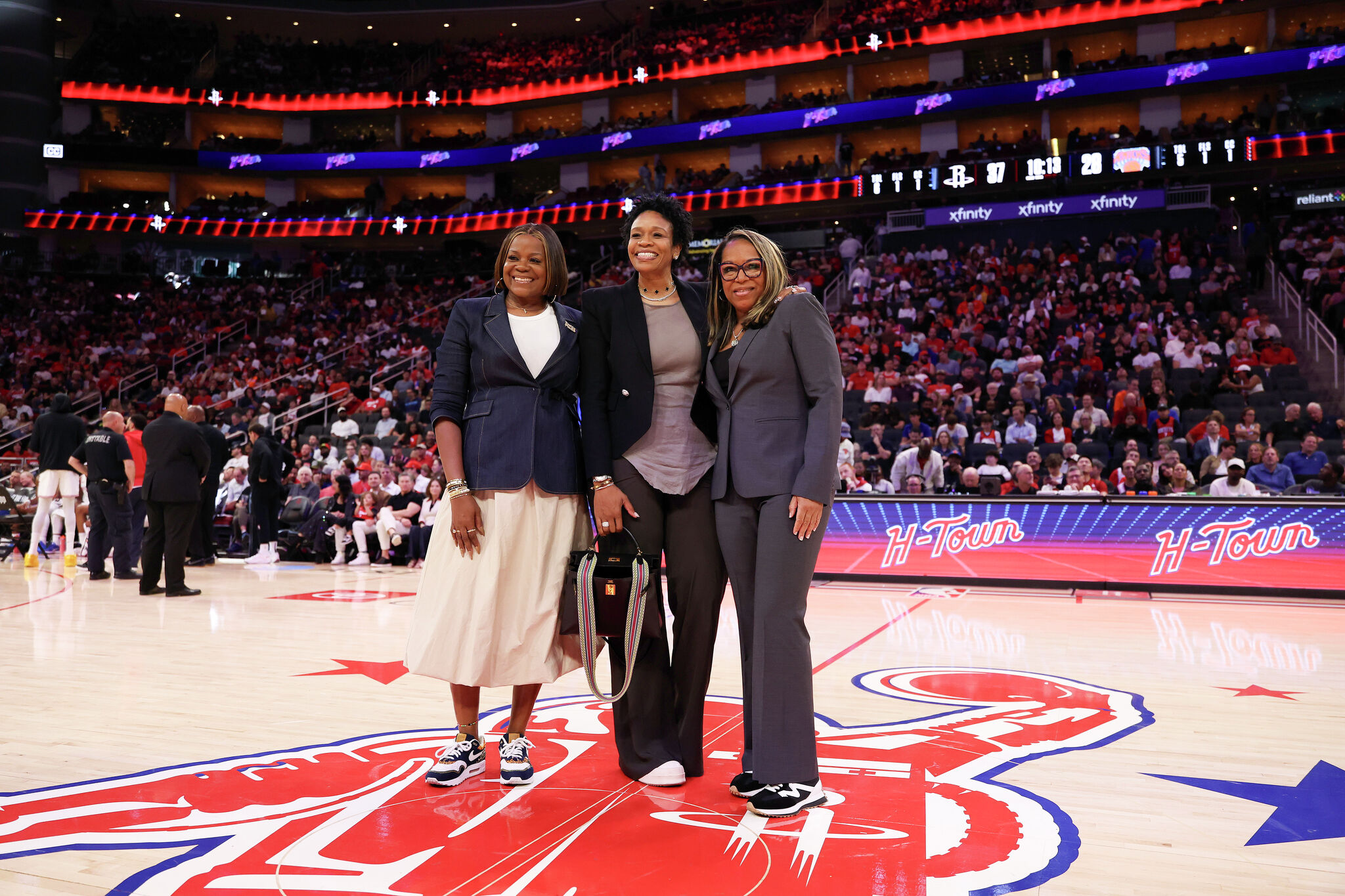
Houston's reported $5.58 million in room is the headline that should change how the league views the revived Comets. It is about $1 million above any rival's reported space entering this offseason, a meaningful difference in a league where individual max contracts occupy a substantial share of a team's total salary budget. That figure is a current projection, not a promise that every dollar can be spent immediately under every eventual roster configuration. Draft-pick charges, contract details and future agreements all matter.
The reason for the flexibility is straightforward: almost everybody currently signed is young. Six of Houston's seven commitments for 2027 are rookie-scale deals; Olivia Nelson-Ododa is the exception on a veteran contract. That is how a team coming off consecutive losing seasons can still enter the next phase with a genuine advantage. The front office accepted the pain of a reset and now has to prove the reset purchased something more durable than a high selection.
There are several ways to spend responsibly. One expensive creator can make sense if she is both available and eager to run an offense. Two complementary veterans may be more useful if they bring perimeter defense, shooting and reliable late-game ballhandling. A team can also preserve some room for opportunistic moves as other franchises shuffle their rosters. Houston does not have to buy the biggest available name to win the offseason; it has to get more quality decisions per possession.
The key is that the cap number buys a chance to negotiate, not permission to assign players to imaginary lineups. Stars such as Napheesa Collier, Jackie Young and Kelsey Mitchell belong in a discussion of potential market talent, but there is no basis to describe any of them as committed to Houston. A contender's appeal, a player's existing relationships and her preferred offensive role can outweigh an attractive contract proposal. The Comets must sell the basketball plan as convincingly as the salary.
Tuck has talked about making deliberate moves rather than collecting players at random. That is the right instinct, particularly because a marquee signing can accidentally create a fresh problem if her strengths duplicate those of a prospect or a developing incumbent. Houston should distinguish between acquiring a respected veteran and acquiring a veteran who addresses its specific failures: stagnant half-court possessions, defensive breakdowns and the absence of an established closer. Money spent without that diagnosis only raises the cost of the same weaknesses.
The missing piece is a dependable fourth-quarter creator, not just a famous name
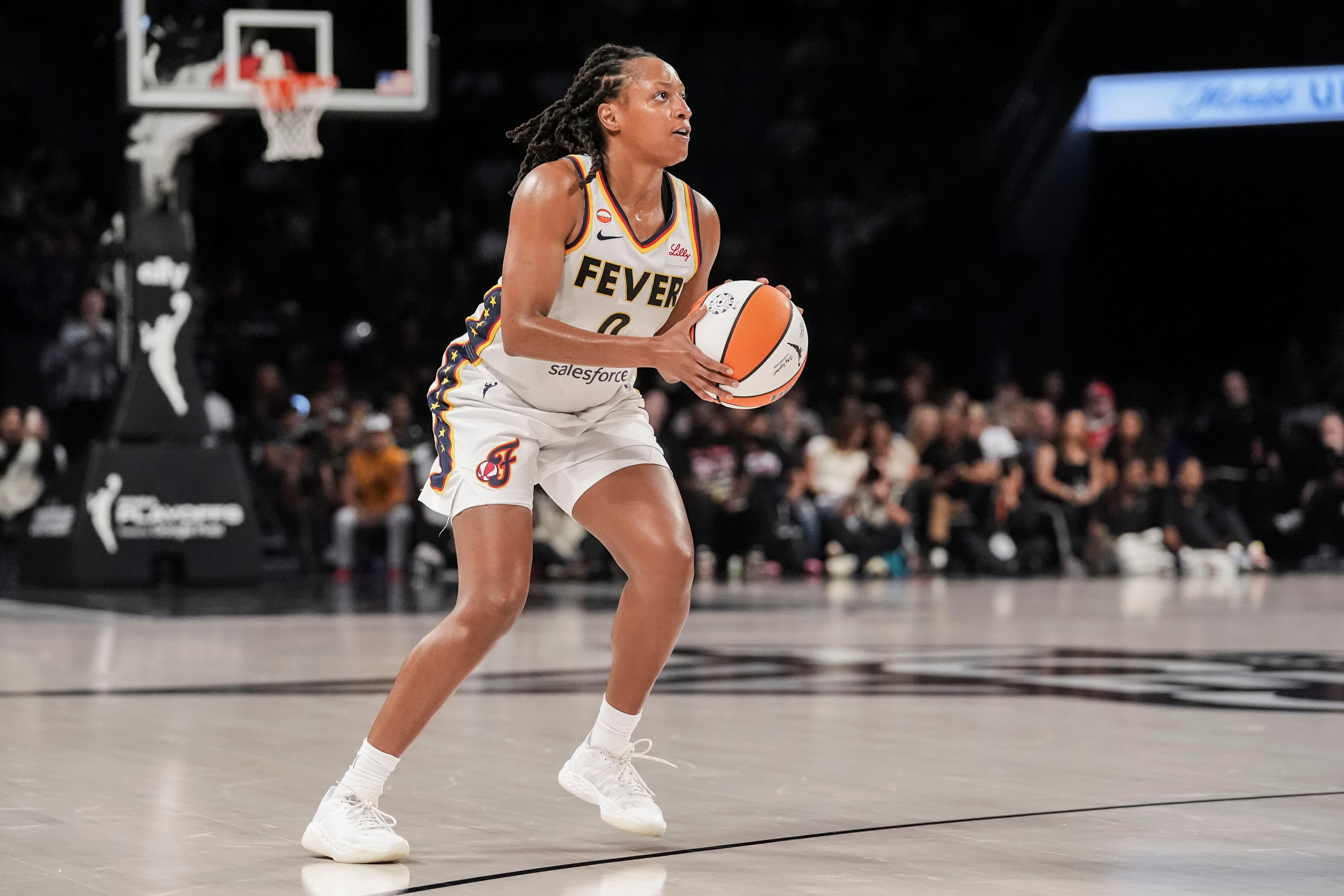
When a team loses 33 games, it is tempting to discuss improvement only in terms of talent upgrades. Yet Houston's biggest practical question is narrower: who creates a high-quality attempt when an opponent has taken away the first action and the clock is collapsing? A faster transition offense can generate easy points, but the final two minutes of a close game often become an exercise in spacing, matchup manipulation and decision-making under contact. Those are skills that typically take years to refine.
The Connecticut-era team struggled to finish games, and its young roster was often asked to improvise possessions against more experienced defenders. The front office can improve that by adding someone comfortable taking difficult shots, but it also needs screening, passing angles and shooters whom defenders cannot abandon. A single scorer trapped near half court is not an offense. The better goal is a structure in which the primary option creates a real dilemma for the defense.
GOATIFY
GOATIFY WNBA
Shop GOATIFY WNBA products from the WNBA-filtered basketball collection.


Caitlin Clark Golden Goose - Women's Sweatshirt
A basketball fan design for everyday wear.
Shop Now ↗
Caitlin Clark G.O.A.T. - Greatest of All Hoodie
A basketball fan design for everyday wear.
Shop Now ↗

Caitlin Clark Golden Goose - Women's Sticker
Add basketball personality to your favourite gear.
Shop Now ↗Kelsey Mitchell is a useful example of the sort of offensive skill Houston could investigate. Her established scoring and movement make her an obvious name whenever free-agent possibilities arise, but that is analysis of a potential fit, not evidence of negotiations. Saniya Rivers reportedly joked about recruiting Mitchell after their time together in Unrivaled. A friendly comment is not a transaction; it simply illustrates how players recognize the difference an accomplished perimeter scorer can make.
The more meaningful question is what Houston would ask from a veteran in a mixed-age roster. Would the newcomer be a lead guard every night, or a late-clock option alongside the young core? Can she handle the ball without turning Rivers into a spectator? Would her defensive limitations force the team to overcompensate elsewhere? Tuck should want a player whose arrival makes the team easier to coach, not one who obliges the staff to disguise a new set of weaknesses.
The same reasoning applies to bigger names and different positions. Jackie Young offers a different two-way profile from a pure scoring guard; frontcourt stars such as Collier would reshape how opponents defend Houston's spacing and interior actions. None should be treated as a realistic signing until the player and the team move beyond speculation. Houston has the financial freedom to call, but the basketball case — role, ambition, support and pathway to meaningful wins — must do the closing.
Madison Booker and Hannah Hidalgo make No. 2 valuable — if they enter
Much of the public debate starts from an assumption: Toronto takes JuJu Watkins, Houston gets the next player on a fixed list, and the discussion ends. That skips two essential facts. First, the order of talent on a draft board is not universal. Second, some of the brightest college names may have a choice about whether to enter in 2027 because of the updated NCAA eligibility landscape. A mock draft is a conditional projection, not a confirmed attendance list.
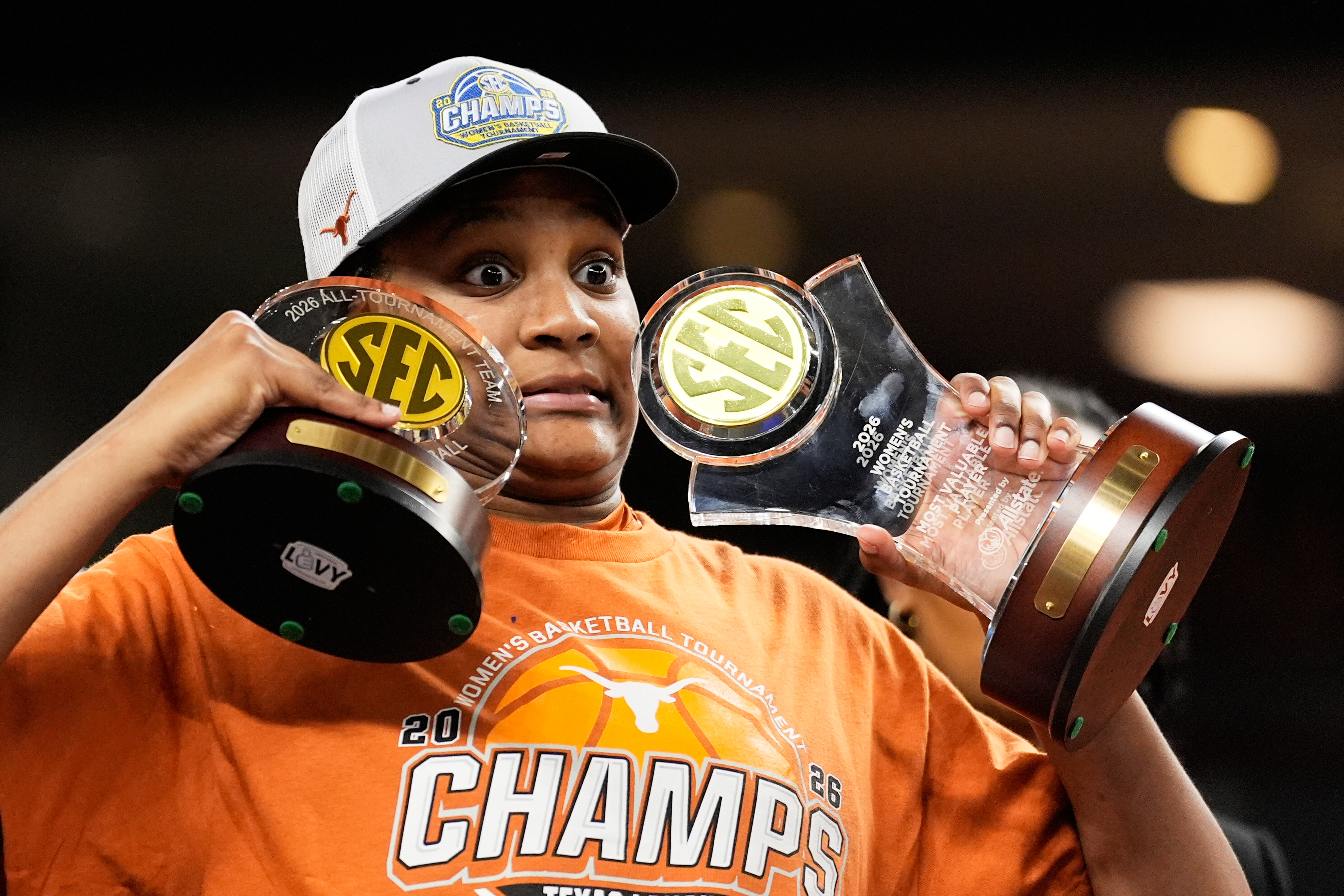
Texas forward Madison Booker is an obvious name to evaluate. She has spent years producing against elite college competition and offers a midrange scoring package, size and versatility that can make sense for a team trying to become less predictable. If Booker declares and is available, Houston could see her as more than a consolation prize. But her actual value depends on how her shooting range, defensive assignments and playmaking translate into the WNBA's speed and physicality.
Notre Dame guard Hannah Hidalgo supplies a contrasting profile. The attraction is pressure: disruptive defense, aggressive ball handling, a willingness to attack gaps and the ability to change the rhythm of a game. The questions are correspondingly different. How will Houston surround a smaller guard with enough size and shooting? What role allows her defensive instincts to help without making every possession a gamble? A scouting department should evaluate those details rather than assume college dominance can simply be copied into a professional box score.
Even Watkins, the presumed name at the top of many boards, cannot be entered into a Toronto lineup before she makes her own decision. That uncertainty should encourage Houston to build a roster with several viable outcomes. A premium wing, a pressure guard and a versatile forward each demand slightly different spacing and defensive support. If the Comets commit too much of their veteran budget to one imagined combination, they risk waking up to a different draft pool and a constricted plan.
GOATIFY
GOATIFY WNBA
Shop GOATIFY WNBA products from the WNBA-filtered basketball collection.


Caitlin Clark G.O.A.T. - Greatest of All Sticker
Add basketball personality to your favourite gear.
Shop Now ↗
BALLERina Girl's Basketball Ballet Air Sweatshirt
A basketball fan design for everyday wear.
Shop Now ↗


BALLERina Girl's Basketball Ballet Air Mug
Add basketball personality to your coffee break.
Shop Now ↗The right answer may be to secure the most dependable veterans first, preserve optionality and take the strongest prospect available in April. Or it may be to let the draft provide a position that makes a particular veteran acquisition unnecessary. The discipline is not choosing one rigid sequence in November. It is knowing what each route costs and being ready to change course when the next piece of real information arrives.
The Sun's difficult rebuild can still become the Comets' advantage
The simplest version of this offseason says Houston is starting fresh. The more accurate version is that the team is carrying a rebuild into a new city and asking the public to judge the results. The previous two Connecticut seasons were punishing on the scoreboard, but they offered minutes, decisions and mistakes to players who may now have useful WNBA experience. Those seasons cannot be made glamorous retroactively. They can only be made worthwhile by the growth that follows.
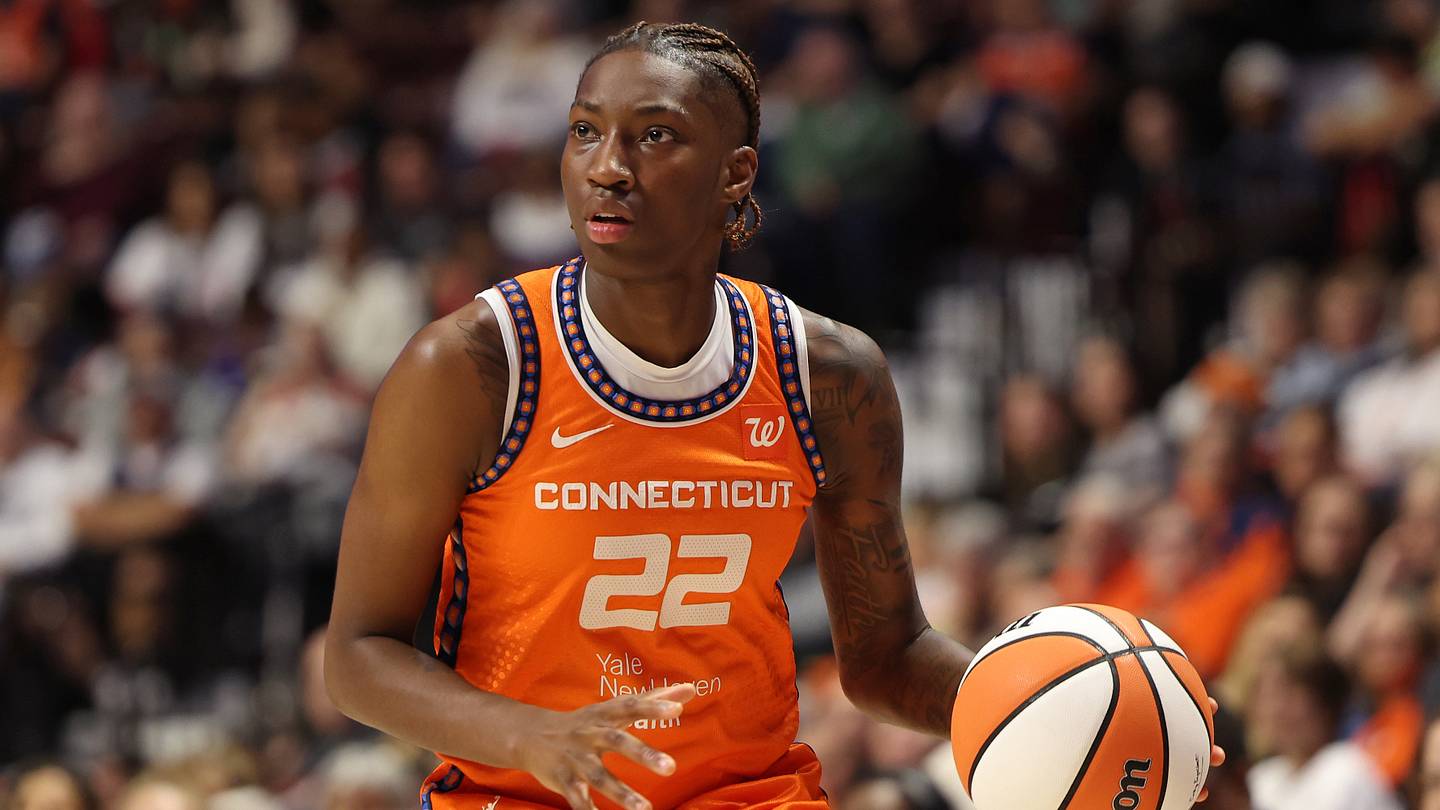
Saniya Rivers is central to that possibility. She flashed athleticism and multi-positional tools during the Connecticut period and has described wanting to push the pace. Houston can make use of that ambition without expecting her to single-handedly run a playoff-level offense every night. A veteran creator could give Rivers more opportunities to attack tilted defenses rather than manufacture everything from a standing start. If she grows defensively too, the backcourt becomes more than a one-person scoring exercise.
Leïla Lacan and other younger contributors present a similar challenge. An executive can value their development and still accept that the roster needs proven help. There is no contradiction in building for 2030 while wanting to be respectable in 2027. The danger is confusing patience with inactivity. Young players learn differently when some possessions are stabilized by teammates who already understand how a winning WNBA offense operates under pressure.
The Houston name raises the expectations. The original Comets won the league's first four championships from 1997 through 2000, a standard no relocated roster can reproduce by simply opening the doors at Toyota Center. Tina Thompson, Sheryl Swoopes and Cynthia Cooper are part of that history, not a shortcut available to the current front office. Fans have every reason to celebrate the revival, but modern Houston must earn its identity through contemporary decisions and consistent performance.
That is why Tuck's offseason should be judged as a connected set of choices. Does she add veterans who can raise the floor immediately? Does the No. 2 selection develop with a clear role? Can Rachid Meziane's staff turn individual potential into a recognizable style? Can the roster compete for the playoffs without sacrificing every future option? The answers will come over a season rather than in a press conference, but the questions already provide a useful way to separate a serious rebuild from an expensive rebrand.
Houston did not get to choose the lottery outcome. It can choose how it uses the No. 2 pick, the reported league-leading cap space and the players already in the building. The best version of this offseason is not one spectacular transaction; it is an upgraded roster in which a veteran can close games, a top prospect can grow and the current young core has a meaningful structure around it.
The Comets could still strike out on the biggest free-agent names, and the draft class could change before April. Those are genuine risks. But the foundation of an actual plan is visible: optionality, financial flexibility and a clear need for late-game creation. For Morgan Tuck, winning the first summer back in Houston will mean making those advantages work together — not spending months wishing the ping-pong balls had fallen one slot higher.
GOATIFY
GOATIFY WNBA
Shop GOATIFY WNBA products from the WNBA-filtered basketball collection.


BALLERina Girl's Basketball Ballet Air Sweatshirt
A basketball fan design for everyday wear.
Shop Now ↗BALLERina Girl's Basketball Ballet Air Sticker
Add basketball personality to your favourite gear.
Shop Now ↗
BALLERina Girl's Basketball Ballet Air Sticker
Add basketball personality to your favourite gear.
Shop Now ↗















