Singapore's F1 Heat Hazard Is Official — Why Cooling Vests Still Aren't Mandatory
GOATIFYFormula 1 has declared the 2026 Singapore Grand Prix a heat-hazard event, putting driver cooling equipment back at the center of a weekend already defined by punishing humidity. The decision follows a forecast heat index above the regulatory threshold of 31 degrees Celsius, meaning every team must prepare a functioning cooling system even if its driver chooses not to wear the vest.
Singapore is especially demanding this year because Marina Bay hosts its first F1 sprint weekend. Drivers face a sprint on Saturday, October 10, followed by the 62-lap Grand Prix on Sunday, October 11. The immediate issue is not whether the race can happen, but how teams manage extra equipment, car weight and the physical toll of two competitive events in tropical conditions.
Cooling Systems Are Required — Wearing the Vest Still Isn't
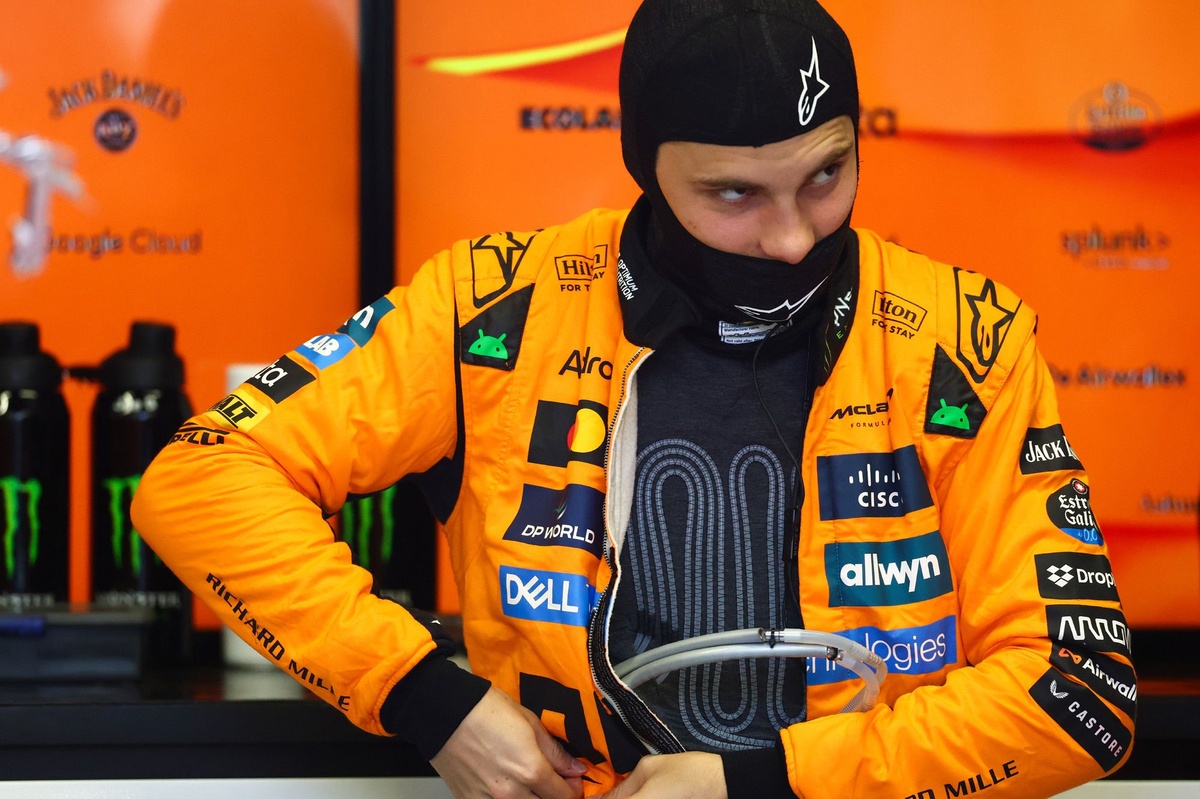
The trigger is specific. Under Article B1.5.10 of the sporting regulations, an official forecast heat index above 31 degrees Celsius activates the heat-hazard procedure. That is a measure of how oppressive the conditions feel, not merely a reading of air temperature. Once the declaration is made, teams must install the hardware for a functional Driver Cooling System.
The equipment circulates cooled fluid through tubes in a fireproof vest worn beneath the driver's race suit. The car needs the supporting pump, plumbing and thermal storage whether or not the driver elects to connect the vest. The regulation compensates for the system's weight by increasing the minimum permitted car weight by two kilograms in practice and qualifying and five kilograms for the race. A driver who declines the vest must carry an additional half-kilogram of ballast rather than gaining a weight advantage.
That distinction matters. The hardware is mandatory when the heat hazard applies, but wearing the vest remains optional. Teams cannot simply remove the cooling system to save weight. Nor does the ballast rule mean every driver must make the same comfort decision. It is a compromise between a common safety standard and the different ways drivers tolerate heat, pressure points and tubing inside an already cramped cockpit.
Reliability is part of the calculation, too. The liquid-cooled garment only helps while the system continues removing heat. Earlier trials exposed concerns about comfort and how long the coolant circuit could work at racing intensity. Mercedes has previously preferred the ballast option at some heat-hazard events because it could not guarantee the system would run effectively over a full race without further development. That makes a mandatory installation different from a guarantee that every driver will use it.
Singapore's sprint format adds another layer. Teams have less conventional practice time to evaluate equipment, while drivers must prepare for a short race and the full-distance Grand Prix in the same hot, humid environment. A cooling decision that seems straightforward in the garage can feel very different after repeated braking, steering loads and long periods in a sealed cockpit.

Marina Bay's Humidity Makes the Heat Hazard More Than a Number

Marina Bay's reputation is earned through a combination of temperature, humidity and workload. Air temperatures can exceed 30 degrees Celsius while humidity often reaches 70 to 90 percent, making sweat less effective at carrying heat away from the body. Drivers may lose three to four kilograms of fluid over a race. The challenge persists after sunset: artificial lighting changes visibility, not the tropical air surrounding the car.
The street circuit is approximately 4.927 kilometers long and features 19 corners. Repeated acceleration and braking, walls that demand constant concentration and the possibility of a safety car all complicate the driver's rhythm. A slow lap behind a safety car can reduce airflow through the cockpit even as the race clock keeps ticking. Cooling equipment is therefore a practical response to a sustained physiological demand, rather than an accessory for a particularly hot afternoon.
The safety push has a clear origin. At the 2023 Qatar Grand Prix, extreme cockpit heat left several drivers in distress; Logan Sargeant retired after struggling physically, and Alex Albon required medical attention. The governing body developed the heat-hazard framework and liquid-cooled vests in response. Singapore became the first Grand Prix to receive the formal designation in 2025, and the procedure has since been used at other demanding venues.
The 2026 season has already provided several examples. Heat hazards were declared for Austria during a European hot spell, for Italy at Monza and for the Bahrain Grand Prix held at Sepang in Malaysia. Those precedents show that the system is no longer a one-off Singapore experiment. Teams now need a repeatable process for checking plumbing, coolant performance and the ballast alternative whenever forecasts cross the threshold.
There is still a competitive question alongside the safety question. The rules try to prevent a team from turning a driver's willingness to suffer into a weight advantage, but they cannot make every cooling vest equally comfortable or every installation equally reliable. Over a sprint and a full Grand Prix, the best solution is the one that lets the driver stay alert and consistent without compromising the car. That is why Singapore will test both engineering execution and physical preparation.
The heat-hazard declaration does not change the race's winner or automatically decide anyone's strategy. It changes the baseline every team must meet before the cars take to the track. Cooling hardware, weight adjustments and an optional vest are now part of Singapore's competitive preparation.
What began as a response to the severe conditions in Qatar has become a recurring part of modern F1. With a first Singapore sprint, a humid night race and little margin for error between the walls, the meaningful test is whether the equipment works when the driver needs it most.