Stupaczuk and Sanz Broke Rotterdam’s Bracket — Now They Get the World No. 1s
GOATIFYFranco Stupaczuk and Jon Sanz arrived in Rotterdam as a dangerous new partnership still trying to turn flashes into a complete Premier Padel week. They will leave the tournament having answered almost every question except the hardest one. After four straight-set wins, including a 6-4, 6-4 upset of Alejandro Galán and Federico Chingotto and a 6-0, 6-4 semifinal dismantling of Mike Yanguas and Coki Nieto, the fifth seeds have reached their first Premier Padel final together.
Waiting for them are the standard everyone is still measured against. Arturo Coello and Agustín Tapia are the world No. 1 pair, the defending Rotterdam champions and are chasing a tenth title of 2026. Yet the path to Sunday’s final has been unusually revealing: Coello and Tapia have already been pushed to deciding sets twice, while Stupaczuk and Sanz have not dropped one. That does not make the challengers favorites. It does make this final far more interesting than the rankings suggest.
Four straight-set wins turned a new partnership into a real threat
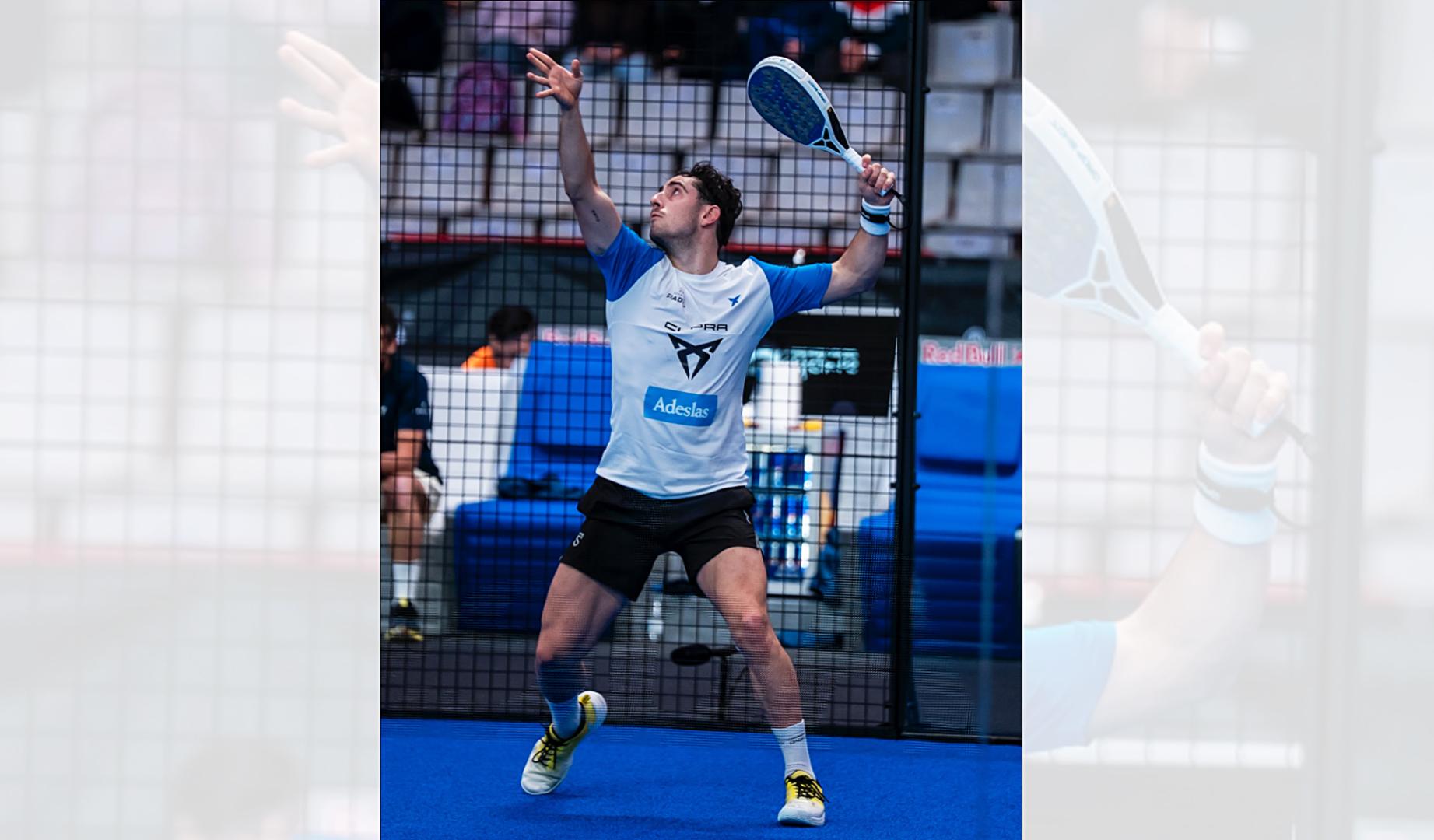
The most persuasive part of Stupaczuk and Sanz’s Rotterdam run is not simply that they reached Sunday. It is how little damage the draw has been able to do to them. They opened with two 6-2, 6-2 wins, then stepped into the first true pressure match of the week against Galán and Chingotto and won 6-4, 6-4. That was not a lucky escape. It was a controlled win over the pair ranked directly behind Coello and Tapia.
The semifinal was even more emphatic. Yanguas and Nieto had just eliminated Juan Lebrón and Leo Augsburger, but Stupaczuk and Sanz took the first set 6-0 and closed the second 6-4. Sanz supplied aggression without turning every point into a low-percentage gamble, while Stupaczuk’s movement and ability to keep rallies alive gave the pair a stable base.
That combination matters because new partnerships often look dangerous only when both players are attacking at once. Rotterdam has shown a more mature version. One can absorb pressure while the other changes the geometry of the point. Four matches without losing a set suggests the chemistry is becoming repeatable.

Stupaczuk gives the pair a floor; Sanz gives it volatility
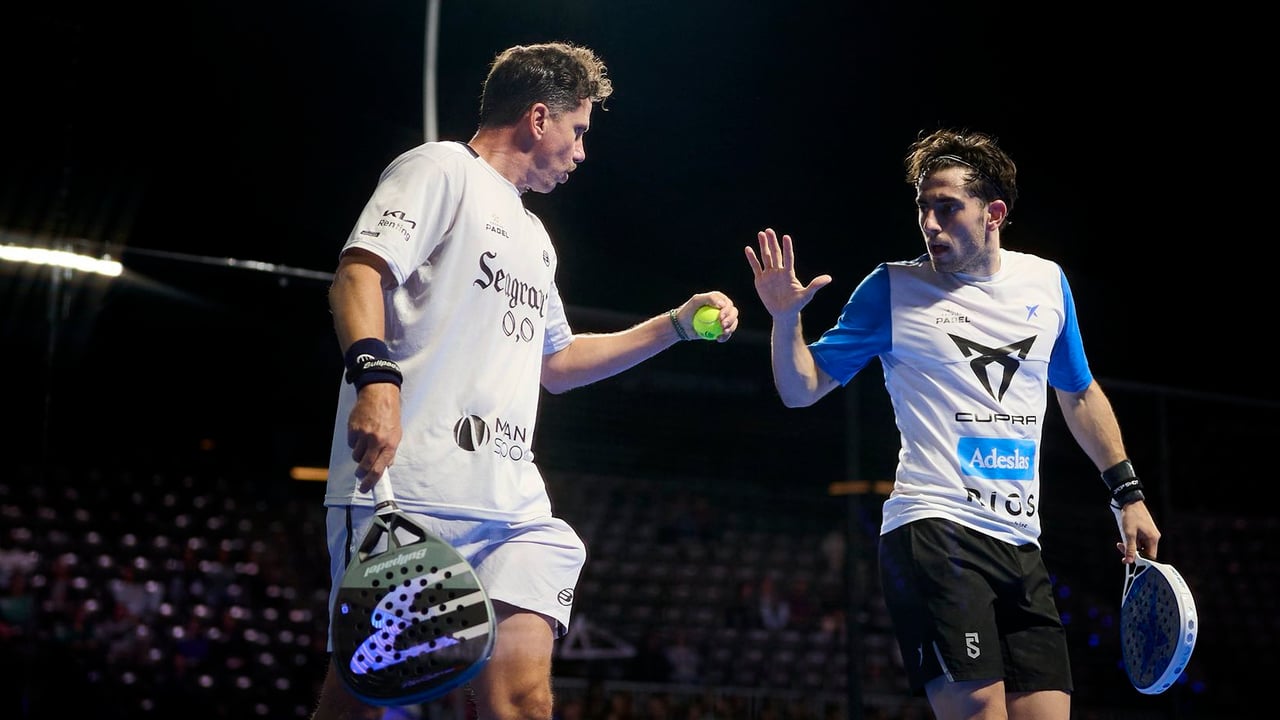
The pairing works because the two players do not need to win points in the same way. Stupaczuk’s greatest value is often structural. His speed, coverage and willingness to play one more ball can prevent a bad exchange from becoming a lost point. He buys time for the pair to recover court position and gives Sanz freedom to look for the acceleration that changes a rally.
Sanz brings the volatility. When his timing is right, he can turn neutral balls into immediate pressure and make opponents defend from positions they expected to attack from. Against Yanguas and Nieto, that aggression was useful precisely because it sat on top of a stable platform rather than replacing one. The result was a 6-0 opening set against a pair that had looked extremely comfortable a round earlier.
The tactical challenge is maintaining that balance when the score tightens. Against Coello and Tapia, forcing an early winner is often exactly what the world No. 1s want. Stupaczuk and Sanz need enough patience to make the favorites play through complete rallies, then enough conviction to attack when the right ball appears. Rotterdam suggests they are finally finding that shared rhythm.
Coello and Tapia have looked vulnerable — then ruthless

There is a tempting argument for the upset: Stupaczuk and Sanz have not dropped a set, while Coello and Tapia have already needed two deciders. But those three-set matches also explain why the world No. 1s remain the benchmark. When they lost the opening set to Tino Libaak and Gonza Alfonso, they answered by taking the next two 6-3, 6-3. When Momo González and Lucas Campagnolo took the second set of the semifinal, Coello and Tapia responded with a 6-1 deciding set.
That ability to change a match is the separator. Coello can dominate huge areas of the court with reach and power, while Tapia can manufacture offense from positions that look neutral. More importantly, they recognize patterns quickly. A plan that works for four games may stop working once they alter serve locations, return positions or who takes the middle ball.
For Stupaczuk and Sanz, the goal cannot be to win the first tactical battle and assume it will last. They need counters ready for the counters. Their best chance is to make the favorites uncomfortable repeatedly, not just once, and avoid the short stretch of rushed decisions that Coello and Tapia routinely turn into a three-game avalanche.
This final can change the way the next draw sees Stupa and Sanz
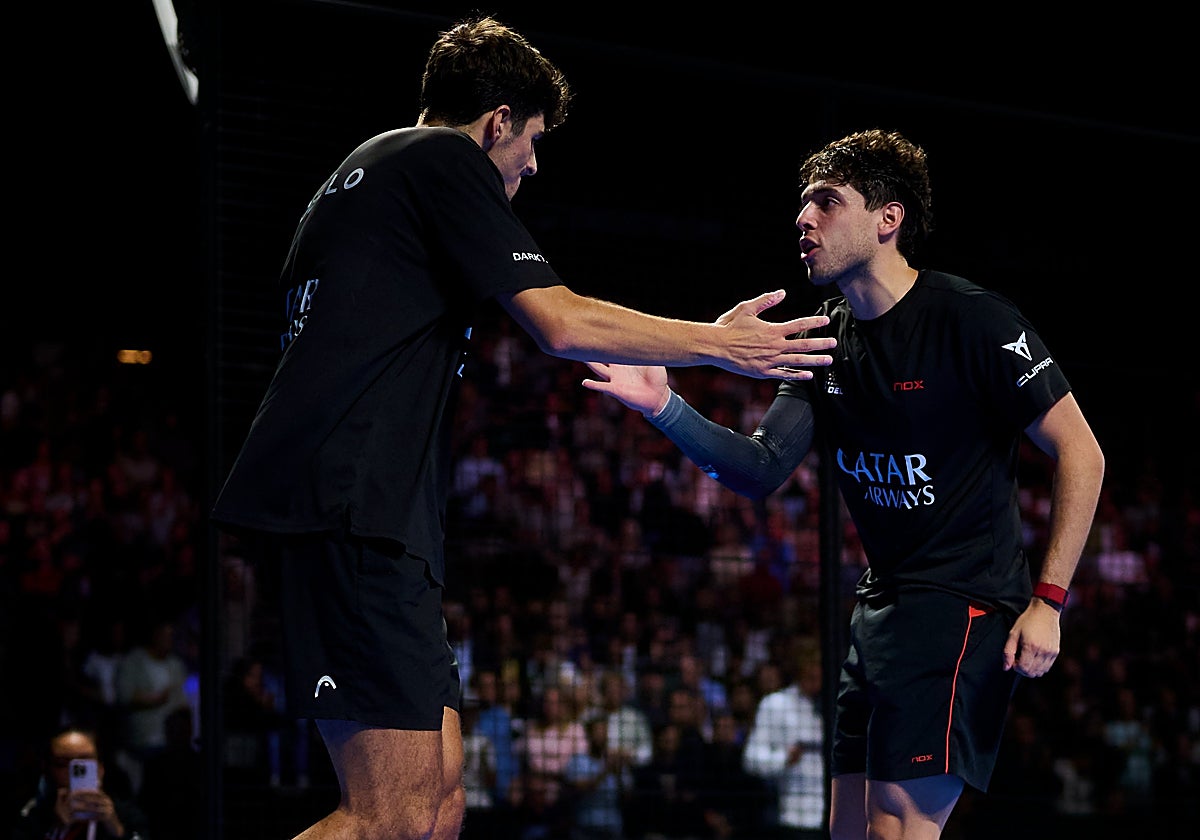
The immediate prize is a Rotterdam title, but the week has already changed the partnership’s position in the men’s field. Reaching the final guarantees Stupaczuk and Sanz a return to the No. 4 spot in the pair hierarchy, a meaningful distinction when draws are built. Better seeding reduces the chance of meeting one of the very top pairs before the semifinal and gives a developing partnership more opportunities to stack deep runs.
That matters because their project is still young. They won the FIP Gold in Belgrade, reached the FIP Platinum final in Lyon and have now converted that momentum into a Premier Padel final. The progression is visible: first a lower-tier title, then another final, then victories over elite Premier Padel opposition on the same week.
Beating Coello and Tapia would accelerate the story dramatically. It would give Stupaczuk and Sanz proof that their formula can survive the sport’s most demanding matchup, not merely exploit an open draw. Even a competitive loss would leave Rotterdam as the week the partnership became a fixture in the top-pair conversation. The opportunity on Sunday is to turn that conversation into a title.

Rotterdam has already been a breakthrough whether Stupaczuk and Sanz finish with the trophy or not. They have beaten the No. 2 pair, overwhelmed another top-six team and earned their first Premier Padel final together without dropping a set. The partnership now has evidence, not just potential.
The final asks for one more step: prove that their new balance can survive the pair that has defined the top of men’s padel. Coello and Tapia remain favorites because they solve problems better than anyone, especially once a match becomes uncomfortable. But for the first time this week, the pressure is not only on the outsiders to prove they belong. The world No. 1s also have to stop a pair that has spent four rounds making the hierarchy look negotiable.
Shop GOATIFY padel products from the Padel-filtered collection scope.