

Chris Bumstead Pushes 140-Lb Dumbbells: What His Final Strength-Phase Upper-Body Session Shows
Uplift Iron ClubChris Bumstead’s latest upper-body session looked less like a conventional bodybuilding pump workout and more like the final exam of a short strength block. The retired Classic Physique champion built the day around heavier loading, lower volume and one very clear target: move the 140-pound dumbbells on the incline press.
The headline number is impressive, but the useful part for lifters is the structure around it. Bumstead did not simply keep adding weight until something broke. He used a focused phase to rebuild strength, accepted a near-miss when five reps replaced the planned six, followed it with another personal best, then explained why the next block will deliberately back away from the same intensity.
The 140-Pound Incline Press Was the Test, Not the Whole Program

Bumstead paired incline dumbbell presses with pull-ups and entered the session aiming for three sets of six during the final week of his strength phase. His first attempt with the 140-pound dumbbells stopped at five reps. On paper, that was one rep short. In practice, it still represented a significant jump in performance after a stretch in which injuries, recovery problems and reduced strength had made heavy training feel far less automatic.
He then dropped to the 130s and hit seven reps, giving the day two meaningful performance markers: 140s for five and 130s for seven. Bumstead described the four-week improvement in his incline dumbbell press as roughly 30 percent. That sort of rebound is also a reminder that regaining previously owned strength is different from building a brand-new strength ceiling.
For a regular lifter, the lesson is not to chase Bumstead’s numbers. It is to give a training block a measurable endpoint rather than a vague goal to “get stronger.”

Why Heavy Pressing Worked Better After a Rebuild
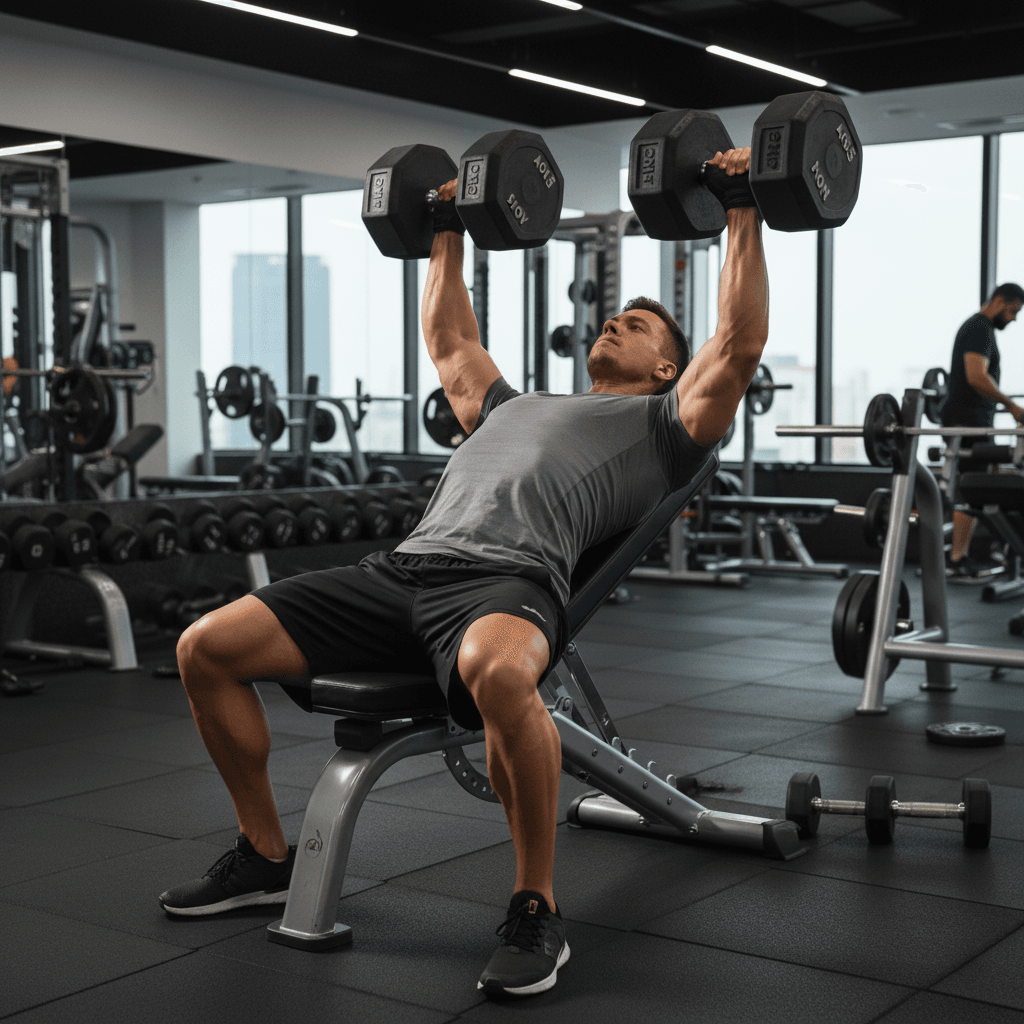
The final session makes more sense when viewed as the end of a progression instead of an isolated PR attempt. Earlier in the phase, Bumstead used higher-repetition work to re-establish coordination. By the last week, the prescription had shifted toward fewer reps and heavier dumbbells. That is a basic but valuable progression model: earn heavy work by first making the movement stable and repeatable.
That matters especially on a lift such as the incline dumbbell press. Unlike a barbell, two heavy dumbbells demand independent control on the setup, descent and press. Shoulder position, scapular control, confidence getting the bells into place and the ability to reproduce the same groove can all determine whether a heavy set feels powerful or chaotic.
Weak-Point Work Kept the Session From Becoming a PR Circus

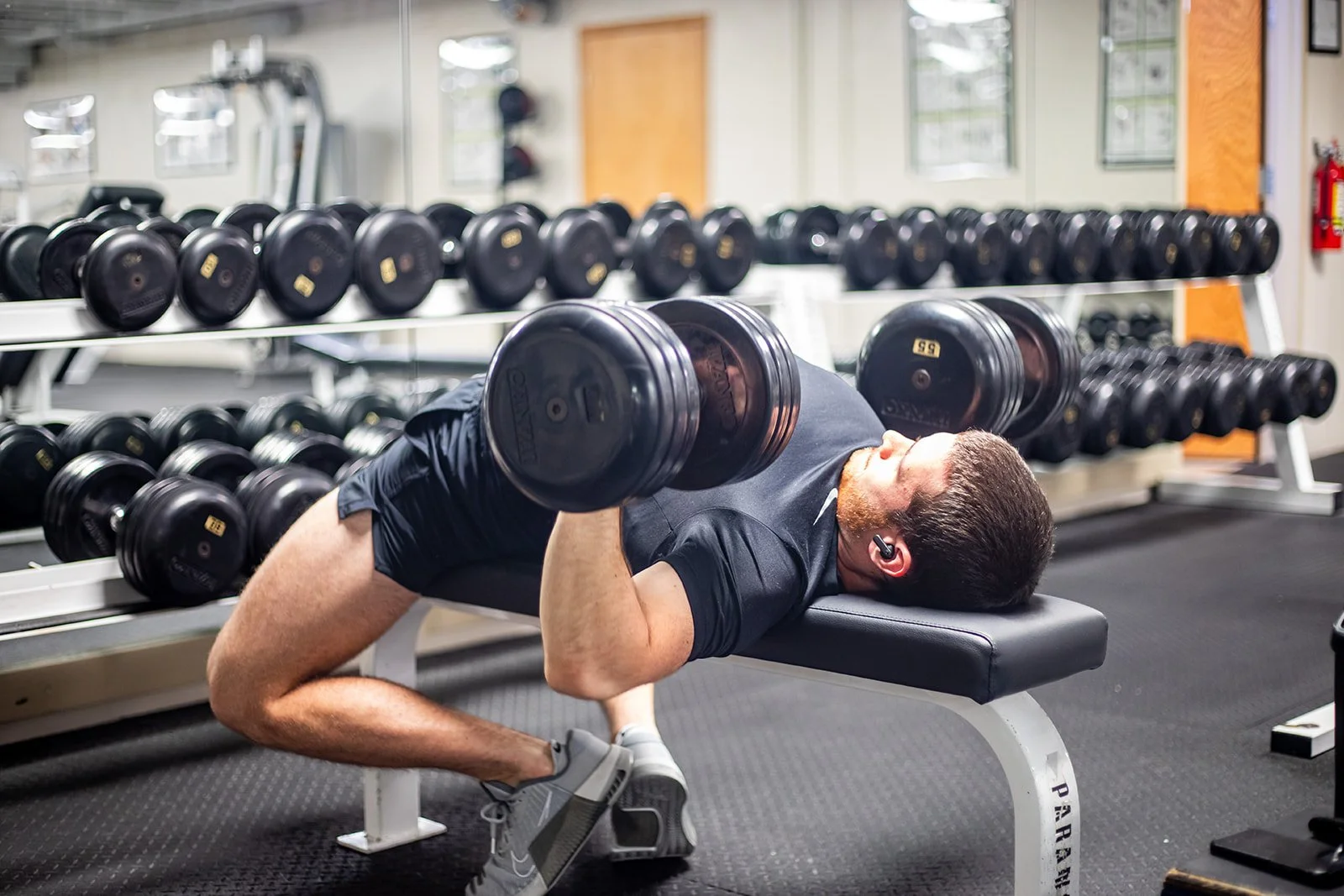
After the main incline work, Bumstead moved to decline dumbbell presses with lighter loads and one-and-a-quarter reps. The first exercise was about proving strength, while the next work was about improving positions that could support future strength.
He paired the pressing with neutral-grip cable rows, then added a Bosu-ball power raise with a hold to reinforce scapular retraction and depression. The session also included biceps work. Put together, it looked like a hybrid strength-and-structure day rather than a powerlifting-style test session.

The Smartest Part Was Knowing When to Pull Back
Bumstead’s next phase is expected to move toward more volume and more familiar bodybuilding organization, including chest-and-triceps and back-and-biceps sessions. That change is important because the successful strength phase did exactly what a phase is supposed to do: it pushed one quality hard enough to create progress, then ended before the same stress had to be repeated indefinitely.
Repeating the same heavy patterns while recovery is compromised can gradually move a lifter toward irritation or injury. One block can emphasize heavier loading; the next can lower the absolute intensity, increase repetitions, change exercise selection and accumulate productive hypertrophy work while joints and connective tissues get a different stress profile.
What Lifters Can Take From Bumstead’s Strength Phase

The practical takeaway is simple: build toward heavy days instead of improvising them. Pick a primary movement, define a rep target, spend several weeks improving execution and loading, and keep assistance work connected to the weak points that matter for that lift. When performance peaks, change the stimulus before fatigue forces the decision for you.
Bumstead’s 140-pound set is the attention-grabber, but the better lesson is the sequence around it: rebuild, progress, test, then rotate.

Bodybuilding Collection
Gym shirts, hoodies and designs built for bodybuilding culture.
EXPLORE COLLECTION










