

German Volume Training: Does 10×10 Really Build More Muscle?
UPLIFT IRON CLUBGerman Volume Training has one of the simplest prescriptions in bodybuilding: pick a major lift, perform 10 sets of 10 reps, and try to hold the same load across all 100 reps. It is brutally memorable, easy to measure and almost impossible to confuse with a low-volume strength plan.
The appeal is obvious. More productive training volume can support hypertrophy, and 10×10 delivers a huge dose in a very compact format. But more work is not automatically better work. Research comparing very high set counts with more moderate volumes suggests that the classic version can overshoot the amount many lifters need.
What German Volume Training Actually Is

The classic setup is built around one large exercise for 10 sets of 10, commonly using roughly 60% of one-rep max. Rest periods are kept fairly tight—often around 60 to 90 seconds—and the load stays the same until all prescribed reps are complete.
That creates a very different stimulus from heavy triples or low-rep powerlifting work. Early sets feel easy, but fatigue accumulates quickly. By the final sets, the challenge is less about maximal force and more about maintaining technique while local muscular fatigue and breathing demand climb.
For lifters who normally underdose hard sets, this can be useful because it removes ambiguity. You know exactly what the session asks for, and progression is obvious: complete the work cleanly before adding weight.
Why 10×10 Can Build Muscle

Hypertrophy depends on exposing muscle to enough challenging work, then recovering and adapting. A 10×10 block can create plenty of mechanical tension and a large amount of repeated practice with the same movement pattern.
It also encourages load discipline. Starting lighter than your ego wants is part of the method. If set one feels like a grind, there is almost no chance sets eight through ten will stay technically useful.

The Research Does Not Say More Sets Always Win
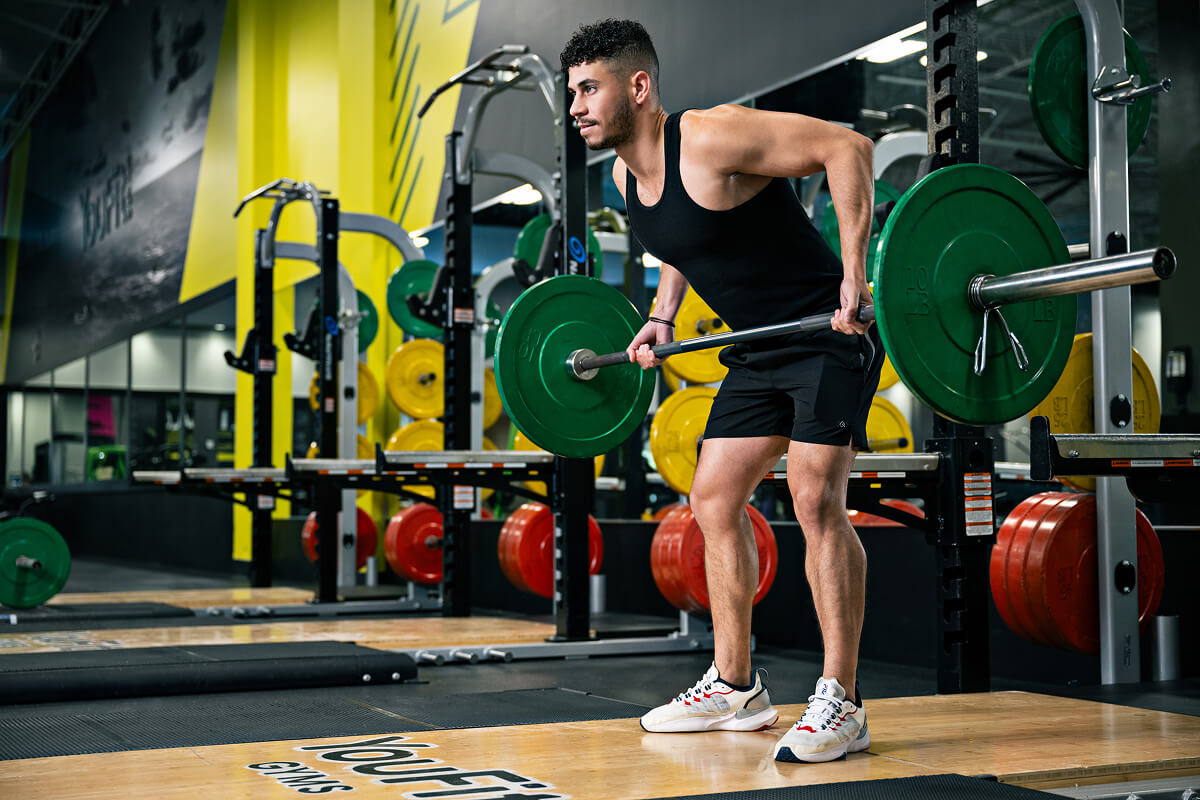
A randomized training study comparing 10-set and 5-set versions of a German Volume Training-style program found no clear advantage to doing all 10 sets. In several measures, the more moderate group performed as well or better. A later 12-week pilot study reached a similar practical conclusion: pushing past about five hard sets per exercise did not reliably create extra gains.
That does not make 10×10 useless. It means the famous number is a training method, not a biological law. Once useful volume turns into low-quality repetitions, recovery cost rises faster than the likely benefit.
For an intermediate lifter, a smarter interpretation may be to borrow the structure without worshipping the number. Five or six hard sets of a primary movement can preserve the focused, repeatable feel while leaving more recovery for the rest of the week.
Exercise Choice Matters More When Volume Is High

One hundred reps of a movement magnifies whatever that movement does well—and whatever irritates you. Squats, presses and rows can work, but there is no prize for choosing the most systemically exhausting option.
If 10 sets of back squats wreck your lower back before your legs are meaningfully trained, a hack squat or leg press may be a better hypertrophy tool. If barbell rows turn into torso heaves after set six, a chest-supported row or cable movement can keep the target muscle doing the work.
The same logic applies to accessory work. You do not need 10×10 on every exercise. The original idea works best when the high-volume emphasis is concentrated rather than sprayed across an entire session.

Rest Times and Tempo Decide Whether the Sets Stay Useful
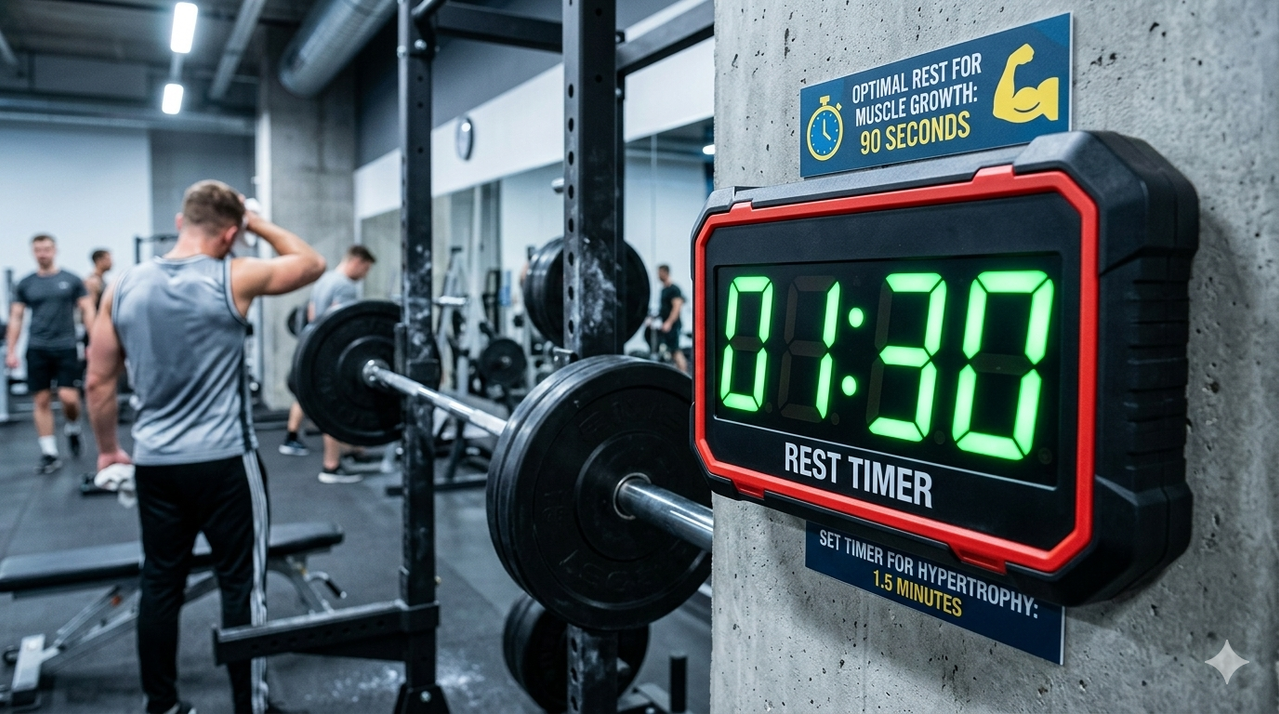
Short rest is part of the classic GVT identity, but rest should not be so short that every later set becomes a technique breakdown. If the goal is hypertrophy, the working muscle still needs to produce meaningful force.
Use a timer, keep the eccentric controlled and resist the urge to turn the final reps into bouncing, shortened-range survival reps. If performance collapses dramatically, add a little rest or reduce the load. Consistency is more valuable than forcing a rule that makes the session worse.
A More Practical 10×10-Inspired Setup
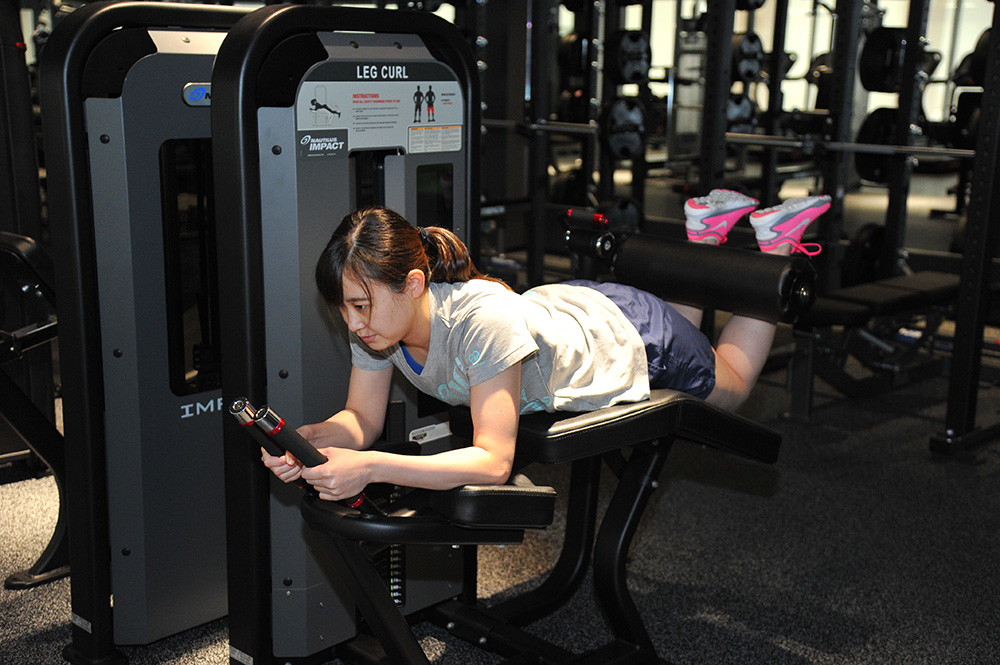
A useful compromise is to keep one high-volume anchor lift and make the rest of the workout normal. For example, run 5–8 sets of 8–10 reps on a squat or press variation, then use two or three accessory exercises for 2–4 sets each. That gives you the psychological simplicity of GVT without making every body part pay the recovery bill.
Track reps, load and technique. When you can complete every set with stable form and a consistent range of motion, add a small amount of weight. If soreness or performance carries over badly into the next session, reduce sets before you assume you need more food, supplements or motivation.
German Volume Training is best viewed as a high-volume tool, not a permanent default. A short block can be challenging and productive, especially for lifters who enjoy repetitive, measurable work. But if five or six quality sets already stimulate progress, there is no special hypertrophy bonus for dragging yourself through ten simply because the program name says so.

Gym T-Shirts & Workout Tees
Training designs for lifters who like hard sets, heavy bars and gym culture.
EXPLORE COLLECTION







