

DP World Tour's $85M Problem — Can Rahm and LIV Stars Save It?
GOATIFYGolf's civil war is turning into an expensive reunion. Jon Rahm, Sergio Garcia and Tyrrell Hatton are among the former LIV Golf names moving back toward the DP World Tour, just as the European circuit confronts an uncomfortable question: can it afford to turn them away?
New reporting on the tour's finances puts the tension into sharp focus. The circuit recorded a modest pre-tax profit in 2025, yet that result sat alongside a substantial operating deficit and tens of millions of dollars in support from the PGA Tour. Bringing back recognizable major champions could make tournament fields more attractive to sponsors and broadcasters. It could also take opportunities away from golfers who never left.
The arguments are already personal. Some established members see returning stars as a commercial lifeline; others see preferential invitations as a reward for abandoning the tour. With LIV's proposed restructuring unresolved, the 2027 Ryder Cup on the horizon and a possible change in the PGA Tour partnership approaching, this is much bigger than deciding who receives a few sponsor exemptions.
A $4 Million Profit Hides a Much Bigger Financial Problem

The headline number sounds almost reassuring: a little over $4 million in reported pre-tax profit for 2025. But treating that figure as proof that the DP World Tour is financially comfortable would miss the central point of the latest disclosures. Reporting on the circuit's accounts describes roughly $77 million of financial assistance from the PGA Tour alongside an underlying operating loss of approximately $85 million. Those figures measure different accounting items, so they should not simply be subtracted from one another to manufacture a precise alternative profit figure. They do, however, reveal how important outside support has become.
The PGA Tour and European circuit are linked by a strategic alliance that extends through 2035, with a significant review or break mechanism potentially becoming relevant in 2027. The PGA Tour also holds a reported 30 percent interest in European Tour Productions, the commercial business associated with the European tour. Those arrangements were negotiated when competing with LIV was an urgent priority for both organizations. If the competitive threat changes, the financial incentives of the partners could change too. That does not mean a withdrawal of funding has been announced. It means the European circuit cannot sensibly build its future on the assumption that today's support will continue unchanged forever.
There is an important distinction between liquidity and profitability. Reports describe the tour as having more than $100 million in cash, which gives management breathing room. A cash reserve is not the same as a sustainable annual business model. A company can have money in the bank and still need to close a recurring gap between the cost of operating its product and the revenue that product generates. Tournament prize funds, television production, international logistics, staff, commercial rights and the work of attracting sponsors all create continuing obligations.
That is where players such as Rahm become more than names on an entry list. A major champion can influence the value of a television window, the strength of a sponsor presentation and the willingness of a casual fan to watch a Thursday round. Rory McIlroy and Justin Rose have emphasized the upside of stronger fields. Their argument is commercially coherent: more recognizable stars create more opportunities to sell the product. But the scale of that uplift is not yet known. There is no public calculation proving that a handful of former LIV golfers will fill an $85 million operating hole.
The sensible reading is neither panic nor triumph. The tour has assets, established events and a global footprint, but it also faces a serious task of reducing dependence on external support. Returning stars could be one ingredient in that process. They cannot, by themselves, substitute for a credible financial plan.

Rahm and Garcia Are Coming Back — But Not Everyone Has the Same Rights
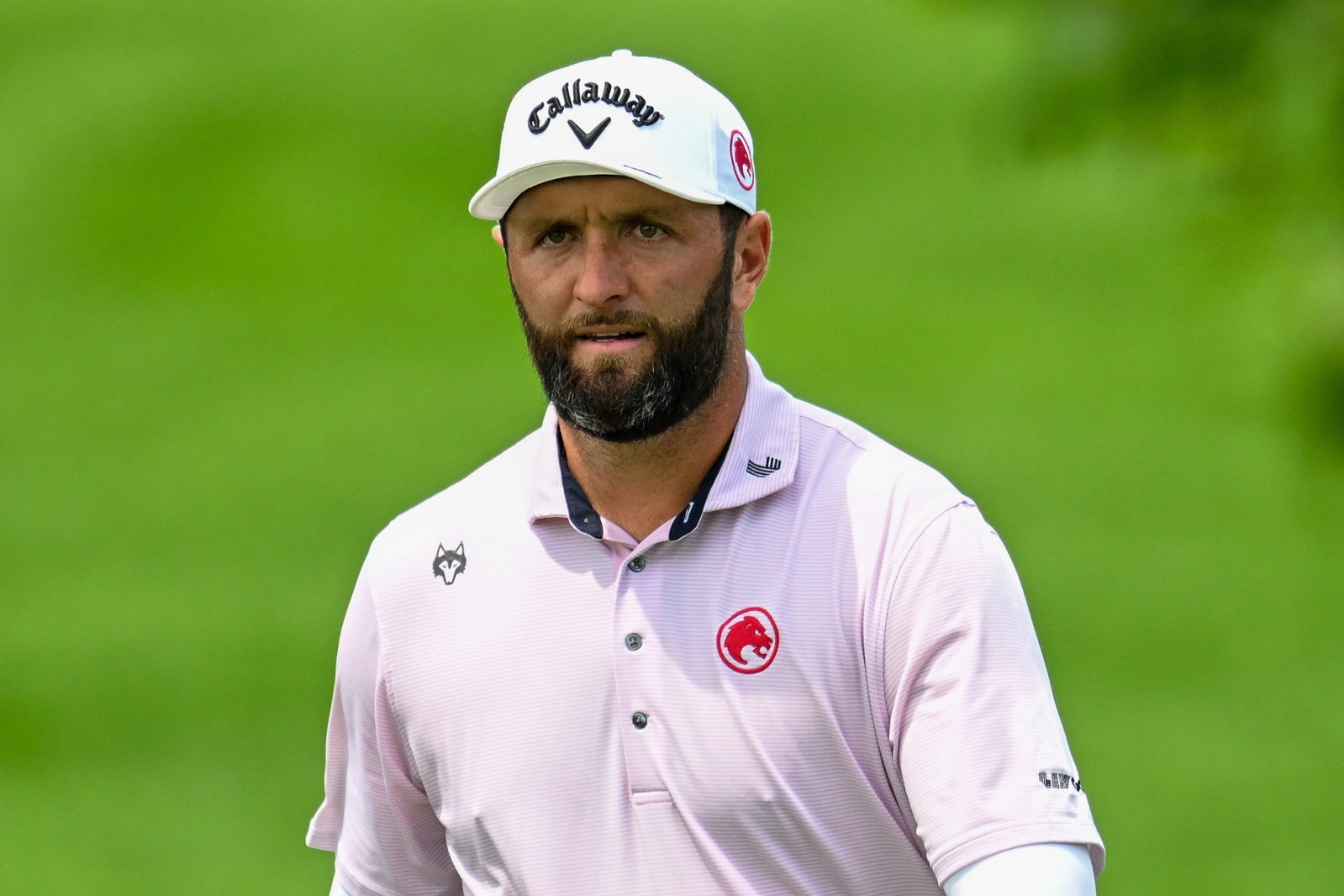
It is tempting to describe the expected influx as a single group of LIV defectors receiving a single deal. The reality is more complicated. Jon Rahm remains a DP World Tour member and reached an agreement earlier in 2026 over outstanding fines and playing commitments. Sergio Garcia has announced that he intends to compete on the European circuit in 2027 and has also left open the possibility of pursuing a PGA Tour return. Tyrrell Hatton is another prominent name moving away from the proposed LIV 2.0 model. Their histories, memberships and potential routes into tournaments are not identical.
Rahm's position is especially important because he is not simply another recognizable former LIV player. The two-time major champion has been among the circuit's biggest attractions and has an established record in Europe. He is entered for the November 5–8 Abu Dhabi Championship, where Rory McIlroy and defending champion Aaron Rai are also expected. The event gives the DP World Tour an immediate example of how a returning superstar can change the conversation around a tournament before a shot is struck. It is a scheduled appearance, not evidence that every question about Rahm's long-term playing arrangements has been settled.
Garcia brings a different set of commercial and sporting considerations. The 2017 Masters champion has a long European Tour history, a deep connection to the Ryder Cup and an unmistakable profile in Spanish golf. At 46, his appeal is not the same as Rahm's current major-winning potential, but his name still carries weight. He has said he wants another chance to contribute to Europe's Ryder Cup effort in 2027, whether as a player or in another capacity. That aspiration is not a selection guarantee, and it should not be confused with an automatic place in every DP World Tour field.
Beyond those headline figures sits a much less settled group. Charles Howell III, Thomas Pieters, Lucas Herbert, Louis Oosthuizen, Branden Grace and others have been discussed as possible beneficiaries of tournament invitations. Joaquin Niemann has also been linked with an exit, but a reported possibility is not the same as a confirmed departure or a secured exemption. Bryson DeChambeau's future has generated attention as well; he should not be counted as a committed DP World Tour returnee without a clear announcement.
The distinction matters because membership rights and sponsor invitations solve different problems. A golfer who retains an eligible membership category can seek starts through the rules that already exist. A non-member seeking invitations depends on organizers creating or allocating opportunities. Those invitations are limited, and every one has an opportunity cost. The tour can welcome back established members without necessarily promising a free pass to every recognizable name leaving LIV.

Luiten and Pepperell Ask Who Pays for the Reunion
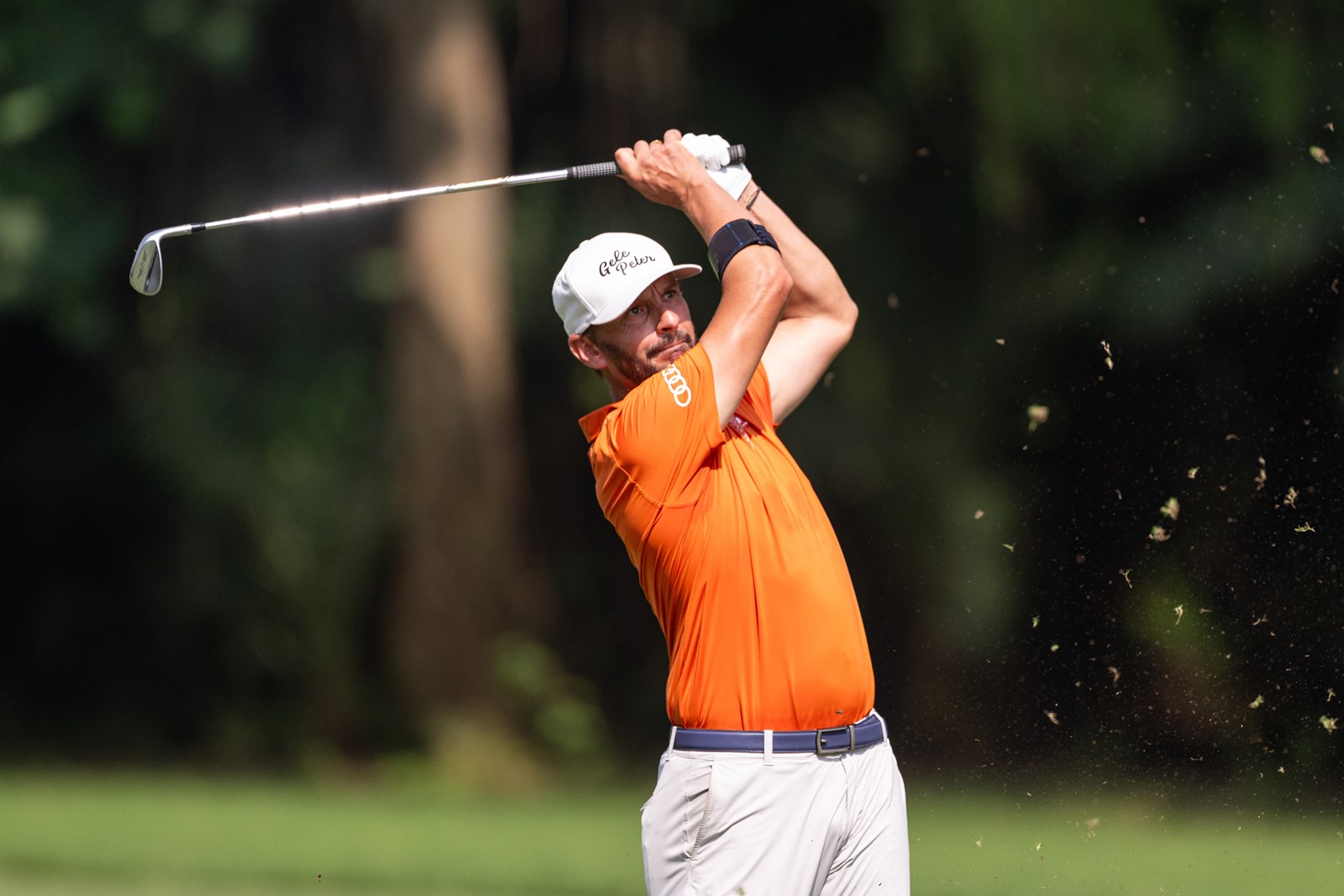
For the golfers who stayed, this is not a theoretical dispute about corporate strategy. It is about whether they will still have somewhere to play. Joost Luiten has been among the most outspoken critics of offering easy pathways to players who chose LIV money. Eddie Pepperell, Ewen Ferguson and other established professionals have raised similar concerns about how the return of big names might affect ordinary tour members. Their argument is not necessarily that every former LIV player must be banned. It is that returning should not automatically restore privileges that other players have had to fight to earn.
The practical mechanism is straightforward. Tournament fields are finite. Sponsor exemptions and special invitations do not create unlimited additional places; in many cases, they redistribute opportunities inside an existing field. An invitation to a former LIV star might be commercially valuable, but it can also mean that a lower-ranked member, a local professional or a graduate from the HotelPlanner Tour misses a start. Missing a start means missing a chance to collect ranking points, earn prize money and protect a playing card for the following season.
Luiten's position has credibility because he has spent years competing on the circuit and understands the pressure at the edge of the eligibility line. He has also remained competitive, finishing tied fifth at the DP World India Championship in October 2026. His criticism is not a plea to protect someone who has stopped playing serious golf. It is a challenge to management to explain why a golfer who kept supporting the tour should move aside for someone who previously decided the tour was not attractive enough.
Pepperell's concern focuses particularly on players whose commercial value may be overstated. A current major champion is easy to market; a former LIV team member without a recent record of drawing audiences is a harder sell. That is why a blanket policy for all returning golfers would be difficult to defend. There is a meaningful difference between bringing Rahm into a premium field and giving a lengthy series of exemptions to a player whose presence may not noticeably change ticket demand or television interest.
There is a counterargument worth taking seriously. Fans generally want to see the best available players competing against one another, and a fractured professional game has denied them that for years. Justin Rose has taken a more welcoming stance toward the return of former LIV players. Stronger fields can improve the value of an event for everyone, including the lower-ranked players who qualify. A commercially successful tournament can sustain better prize funds and more opportunities in the long run.
Both sides are identifying real costs. The tour's challenge is to avoid treating loyalty as an empty slogan while also refusing to sacrifice the future of its product to settle old grievances. A transparent distinction between retained membership rights, performance-based qualifying and limited commercial invitations would make that trade-off easier to explain.

The 2027 Ryder Cup Gives the Tour a Deadline — Not a Blank Cheque
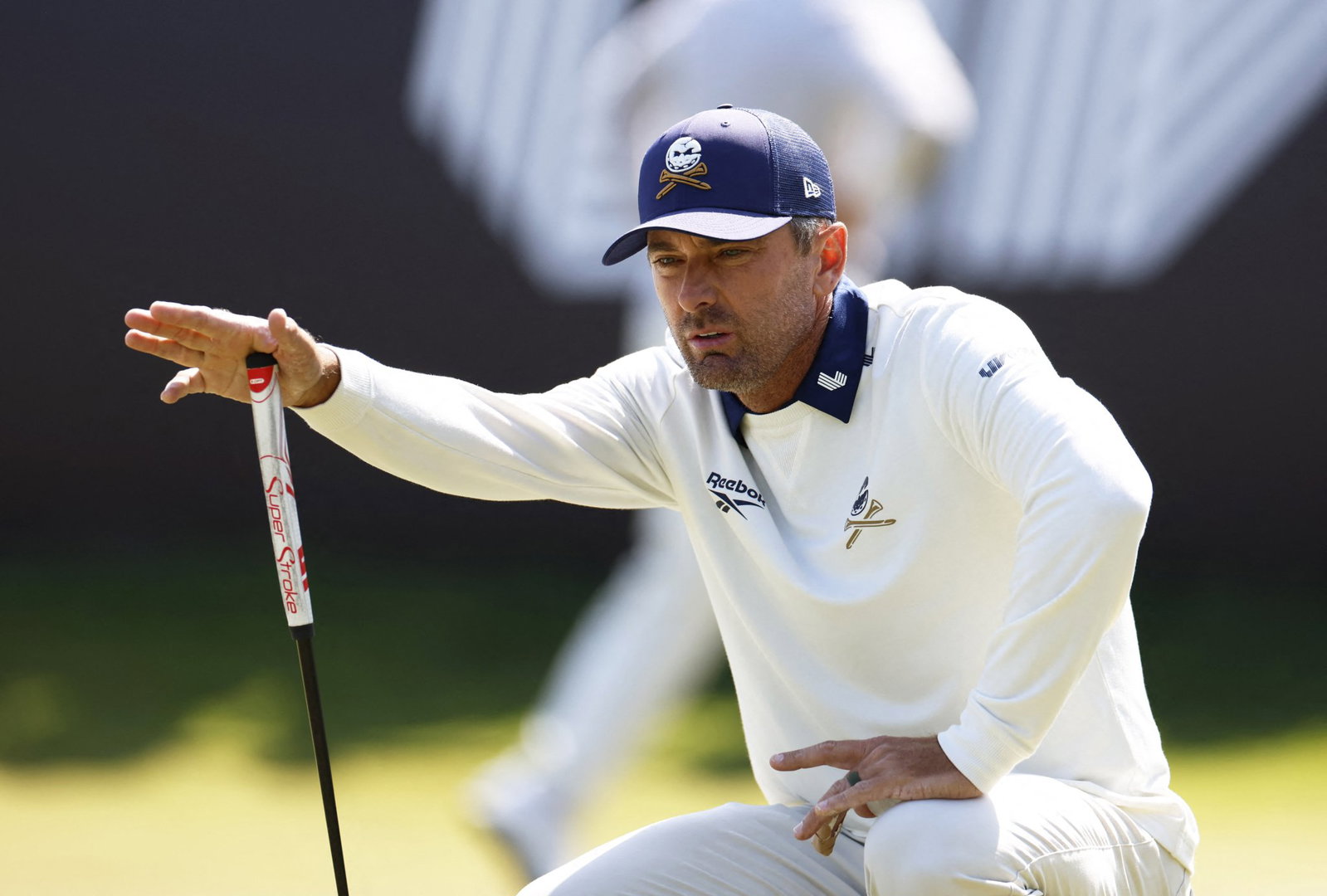
The 2027 Ryder Cup at Adare Manor in Ireland gives European golf an unusually powerful stage. Fans will be paying attention to the continent's biggest names, and tournament organizers have an opportunity to build anticipation across the preceding months. Bringing Rahm, Hatton and Garcia into meaningful European events could make that story easier to sell. But the Ryder Cup belongs to a separate competitive selection process. A famous name returning to the DP World Tour does not automatically earn a place on Luke Donald's team.
Chief executive Guy Kinnings and his colleagues also face a nearer deadline: the end of the current commercial cycle and the possibility of changes to the relationship with the PGA Tour. The tour must decide what it wants its fields to look like, how many invitations it can justify and what financial return it expects. The reported $77 million of assistance is a reminder of the scale of the challenge. Selling a few more hospitality packages would be helpful, but the circuit needs a durable plan across its television rights, sponsorship portfolio, tournament calendar and player pathways.
There is a sensible middle ground. Returning golfers who already satisfy membership criteria should be judged under the existing rules. Players without a qualifying category could pursue Q-School, earn starts through performance or receive a carefully limited number of invitations where organizers can make a credible commercial case. Such a system would not erase every complaint, but it would create an intelligible principle: competitive access is earned, and commercial exemptions are exceptional rather than automatic.
That distinction becomes particularly relevant with names such as Charles Howell III. He had a substantial PGA Tour career and later played LIV Golf, yet he does not carry the same current global attraction as Rahm. The question is not whether he deserves respect for his career. It is whether an exemption to a specific 2027 event creates enough value to justify the opportunity taken from someone else. Tournament organizers should be prepared to answer that question rather than hide behind the general claim that all former LIV players make fields stronger.
LIV itself has not simply disappeared. Its Chapter 11 proceedings and proposed restructuring have created uncertainty, and some players have rejected the new terms, but a reworked competition has still been discussed. The DP World Tour should not assume that every undecided player will leave, or that the market for elite golfers will stop changing. A clear and consistent entry policy is more valuable than a hurried amnesty designed around today's headlines.
For now, the immediate test is the closing stretch of the 2026 season. Abu Dhabi and Dubai will provide a glimpse of how strong European fields can look with familiar stars back in the picture. The real verdict comes later: whether those stars help the circuit build a stronger independent business without undermining the golfers and qualifying systems that kept it operating during the split.
The DP World Tour is being forced to make two decisions at once. It must repair the economics of its business, and it must decide what fairness means after four years of division. Rahm and Garcia can help sell a compelling 2027 season. Luiten and Pepperell are right to insist that established members and aspiring professionals cannot simply be treated as expendable.
The reported operating loss and PGA Tour assistance explain why the commercial pressure is so intense. They do not prove that opening the door to every former LIV player is the answer. The strongest outcome would be selective, transparent and grounded in both sporting merit and measurable commercial value. If management gets that balance right, the reunion could strengthen European golf. If it gets it wrong, the tour risks trading a financial problem for a lasting crisis of trust.

















