

Gabby Williams Scores 28 After Halftime — Valkyries Win WNBA Title in Year 2
GOATIFYAt halftime of the biggest game in Golden State Valkyries history, Gabby Williams had two points and her team was six behind. Atlanta had turned a winner-take-all WNBA Finals into the sort of slow, physical game that punishes every missed shot. A championship that had seemed implausibly close for a second-year expansion franchise was beginning to slip away.
Twenty minutes later, Williams had 30 points, a Finals MVP trophy was waiting, and Golden State had beaten the Dream 68-63 in the first Game 7 of a WNBA Finals. She scored 28 points after the break, including the shot that finally put the Valkyries ahead for good. The franchise had gone from its inaugural season to the top of the league in just two years.
This was more than a star getting hot. It was the payoff for an organization built around defensive discipline, difficult lineup choices and players who had something to prove. The final minutes revealed exactly why that combination held together when Atlanta pushed the season to its last possible possession.
Two points at halftime, 28 after: Williams seized the entire Finals
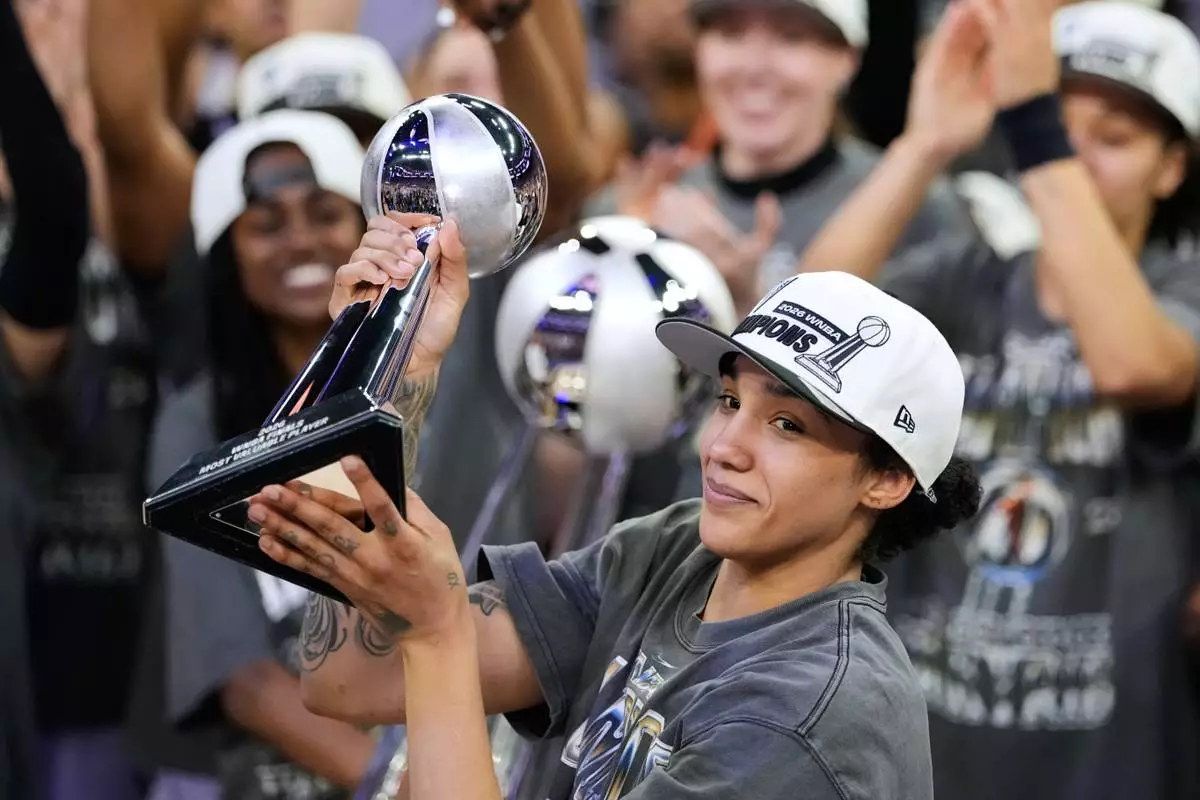
Williams did not force the issue when Atlanta's defense crowded her in the opening half. Golden State scored only 24 points before the interval, and the Dream had a 30-24 advantage. The danger was obvious: when a team has relied on collective defense for months, a long scoring drought can still turn a winnable game into a chase.
The third quarter changed the shape of the contest. Golden State fell nine behind at 37-28, but Williams began attacking the gaps Atlanta had been able to close earlier. After teammates helped reduce the margin, she supplied the Valkyries' final 13 points of the period, sending them into the fourth ahead 45-44. The explosion was not just a shooting streak. She found ways to score against a defense that knew the ball was going to her and had almost no margin for error.
The last five minutes made the performance historic. With the game tied at 53, Williams repeatedly created the next Golden State score. Rhyne Howard eventually leveled it again at 57, but Williams answered with a deep three-pointer with 2:18 remaining. It made the score 60-57, and the Valkyries never surrendered the lead. Two subsequent free throws stretched the advantage and forced Atlanta to chase rather than control the clock.
Williams finished with 30 points on 10-for-23 shooting and added four blocked shots, two steals and three rebounds. Her 28 second-half points set a WNBA Finals record for a half. She also became one of the rare players to score 30 in a winner-take-all Finals game, a striking reversal after scoring only twice before halftime. The 30-year-old's first WNBA title came after earlier stops in Chicago and Seattle, a distinguished international career and repeated near-misses on the biggest stages.
It would be tempting to reduce the title to one brilliant individual performance. But the important detail is when that brilliance arrived. Williams accepted the game's rhythm rather than treating the first half as a personal emergency. When Atlanta's coverages finally loosened, she had the energy and confidence to take possession after possession. The Valkyries did not need her to win every minute; they needed her to own the decisive ones.

Stokes and Burton won the possessions that made 30 points enough
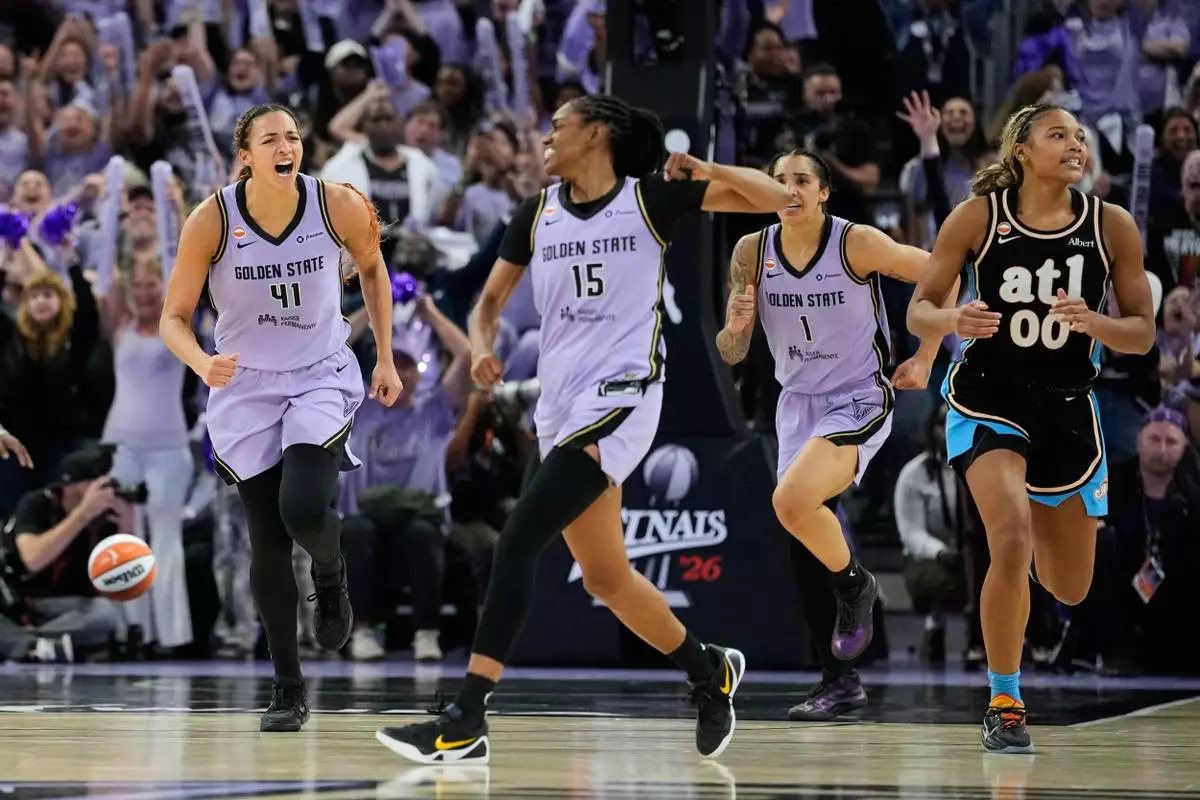
Thirty points from a Finals MVP will dominate the highlights, but Golden State still needed to survive the parts of the game when shots refused to fall. The Valkyries made only five of their 20 three-point attempts. Their offense was not smooth, and they scored just 68 points. Against a better shooting night from Atlanta, even Williams' second-half eruption might not have been sufficient.
Instead, Golden State's defensive identity carried through the most stressful game of its season. Atlanta shot 23-for-69 overall and just six-for-30 from three-point range. The Dream had enough individual shot creators to keep the game close, but very few easy possessions. Jordin Canada led them with 18 points and Allisha Gray added 16; neither could produce the uninterrupted scoring stretch that would have broken Golden State's resistance.
Kiah Stokes was crucial in a way that will not be fully captured by her eight points. She grabbed 13 rebounds and blocked two shots, protecting the interior against a team that repeatedly tried to manufacture second chances. With 53 seconds left, she converted a putback after a Williams miss to move Golden State ahead 64-57. It was the kind of unglamorous play that turns a three-point lead into a situation where the opponent suddenly needs multiple successful trips.
Veronica Burton supplied 10 points and 10 rebounds while continuing to connect the offense. Her last contribution was perhaps the cleanest example of composure in the building. Atlanta cut the deficit to 66-63, forced a jump ball with 8.3 seconds remaining, and had one last opportunity to steal the game. Burton recovered the ball and, after being fouled, made both free throws with 5.1 seconds left. The score became 68-63; the championship was effectively settled.
Golden State's defense did not win by eliminating every Atlanta star. Angel Reese still collected 12 rebounds, and Canada and Gray found their moments. It won by making each basket expensive and every missed assignment recoverable. Stokes' positioning, Burton's decisions and Williams' two-way effort kept the game within reach long enough for one offensive player to catch fire. The 68-63 scoreline was not evidence of an incomplete champion. It was evidence of a team that knew how it wanted to win.

Nakase changed the rotation — and a two-year franchise became a champion
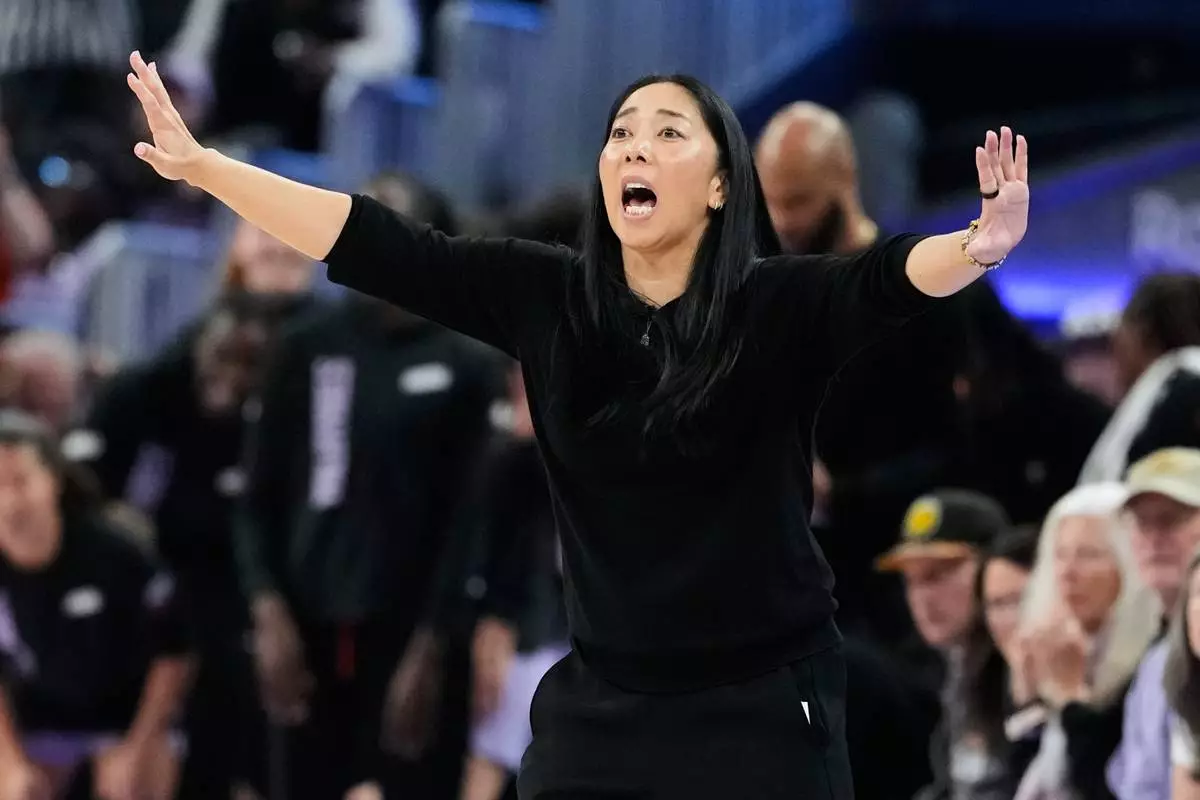
Golden State's championship will be remembered as the fastest imaginable rise for a young WNBA franchise. Yet it did not happen through an uninterrupted sequence of inspired decisions. The Valkyries had to change their starting lineup after falling behind 2-1 in the Finals, and coach Natalie Nakase was willing to disturb a familiar rotation when the matchup demanded it.
She moved Kaila Charles and Tiffany Hayes into the starting group for Game 4, with Kayla Thornton and Cecilia Zandalasini shifting to the bench. Those changes did not magically make every possession work. They did, however, give Golden State a different balance of physicality, spacing and experience. The club went on to win the series 4-3, with Hayes contributing 11 points in the decider against the team for which she had spent a decade earlier in her career.
There is a distinction between having a deep roster and trusting that depth under pressure. Nakase showed that a coach can alter roles without turning the changes into a referendum on individual players. The players who moved to the bench remained part of the solution, and the starters who came in were asked to execute specific jobs rather than become instant stars. That flexibility was especially valuable in a Finals series where each game exposed a different weakness.
The wider franchise story is just as striking. Golden State reached the playoffs in its first season in 2025, then returned as a contender in 2026. It survived Dallas in the opening round, swept the defending champion Las Vegas Aces in the semifinals and beat Atlanta across seven games. Those were not soft routes to a trophy. The Valkyries had to overcome elimination pressure, a championship-tested opponent and finally the burden of winning the last game at home.
Owner Joe Lacob had publicly set a five-year ambition for a title. General manager Ohemaa Nyanin, team president Jess Smith and Nakase helped make it happen in Year 2. That speed will invite comparisons with every expansion project that promises instant competitiveness, but the more useful lesson is about construction. Golden State did not wait for a conventional superstar-led blueprint to materialize. It accumulated defenders, veterans and adaptable contributors, then created a system strong enough for Williams to become the star of the moment.

Atlanta's fourth Finals heartbreak leaves a different question for Reese and the Dream
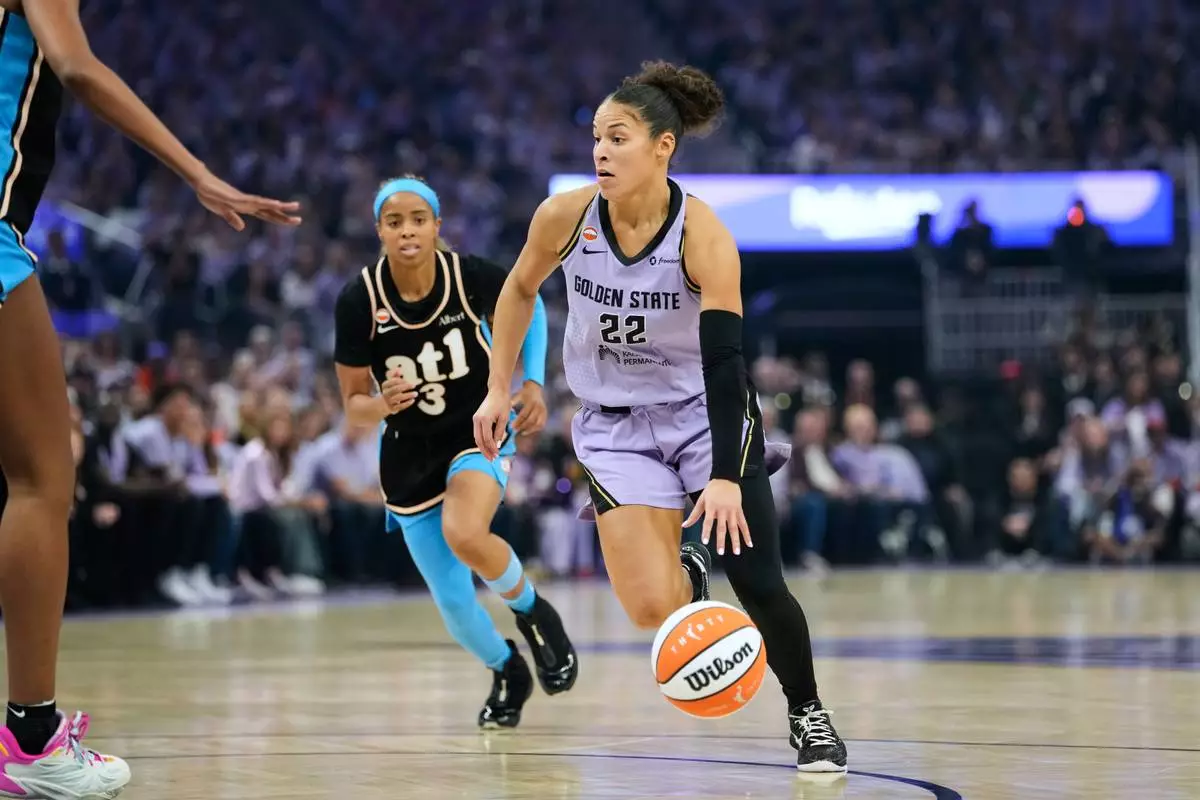
Atlanta was close enough to see the trophy, and that is what will make this defeat difficult to absorb. The Dream led by six at halftime and by nine during the third quarter. They had made Golden State uncomfortable for long stretches and still had the score tied with fewer than three minutes left. A single extra stop or timely three-pointer might have changed the story of the franchise.
But the offensive numbers explain why that last push never became a knockout. Atlanta made only one-fifth of its three-point attempts. Canada and Gray combined for 34 points, yet the Dream's half-court attack repeatedly had to settle for difficult looks. Reese finished with eight points and 12 rebounds, a reminder that a player can influence the glass without finding enough scoring opportunities to control a deciding game. Howard supplied a key late layup, but the collective shooting drought left the Dream vulnerable to one great opposing run.
Reese's broader season should not be judged entirely by eight points in Game 7. She had developed into a central defensive and rebounding force and helped give Atlanta a Finals platform. The challenge now is to turn that interior advantage into reliable offense when an opponent loads up the paint. More dependable perimeter shooting, cleaner late-game execution and stronger links between the ball handlers and the frontcourt would all make the Dream harder to scheme against next postseason.
There is also no shame in the scale of the opponent's performance. Williams did not merely hit an open shot at the end; she scored almost everything Golden State needed across the final half while making major defensive plays. Atlanta's margin for error disappeared because the Valkyries combined a superstar-level closing stretch with a defense that refused to give away the answer at the other end.
The Dream have now reached the Finals four times without winning the championship. That history can become a burden if it is allowed to define every new group. It can also become useful experience. The 2026 team proved it could navigate a demanding postseason and take a championship series to seven games. The next step is not to reinvent its identity out of frustration. It is to identify the precise possessions that were missing in San Francisco and make sure the next close game ends differently.
Golden State's first championship belongs to Williams, Stokes, Burton, Hayes, Nakase and everyone who made a second-year franchise function like a veteran contender. The 68-63 result was not a spectacular offensive masterpiece. It was a stubborn defensive victory, interrupted by one of the greatest second halves in WNBA Finals history.
Atlanta will remember the lead that got away. Golden State will remember a team that kept trusting its structure until its best player found the moment. A club that was supposed to spend years learning how to contend has already learned how to finish. The question for the rest of the league is no longer when the Valkyries will become serious. It is how to beat a champion that reached the summit this quickly.
Shop GOATIFY WNBA products from the WNBA-filtered basketball collection.



















