

McDowell Walks Away From LIV 2.0 — The Exodus Is Becoming a Roster Crisis
GOATIFYGraeme McDowell helped give LIV Golf credibility when the breakaway circuit launched in 2022. Four years later, the former US Open champion has decided not to sign up for its proposed second act. His departure, announced on October 26, is not the biggest name to leave the project, but it is one of the clearest signs that LIV's problem has shifted from financing a new competition to persuading experienced professionals that there is still a worthwhile competition to join.
McDowell is the latest in a wave of departures that already includes Jon Rahm, Tyrrell Hatton, Ian Poulter, Louis Oosthuizen and fellow Northern Irishman Tom McKibbin. A proposed $300 million financing package gives LIV 2.0 a possible future, not a guaranteed roster. For players weighing the next stage of their careers, that difference matters more than the promised branding of the relaunch.
McDowell's exit is about the next four years, not the last four
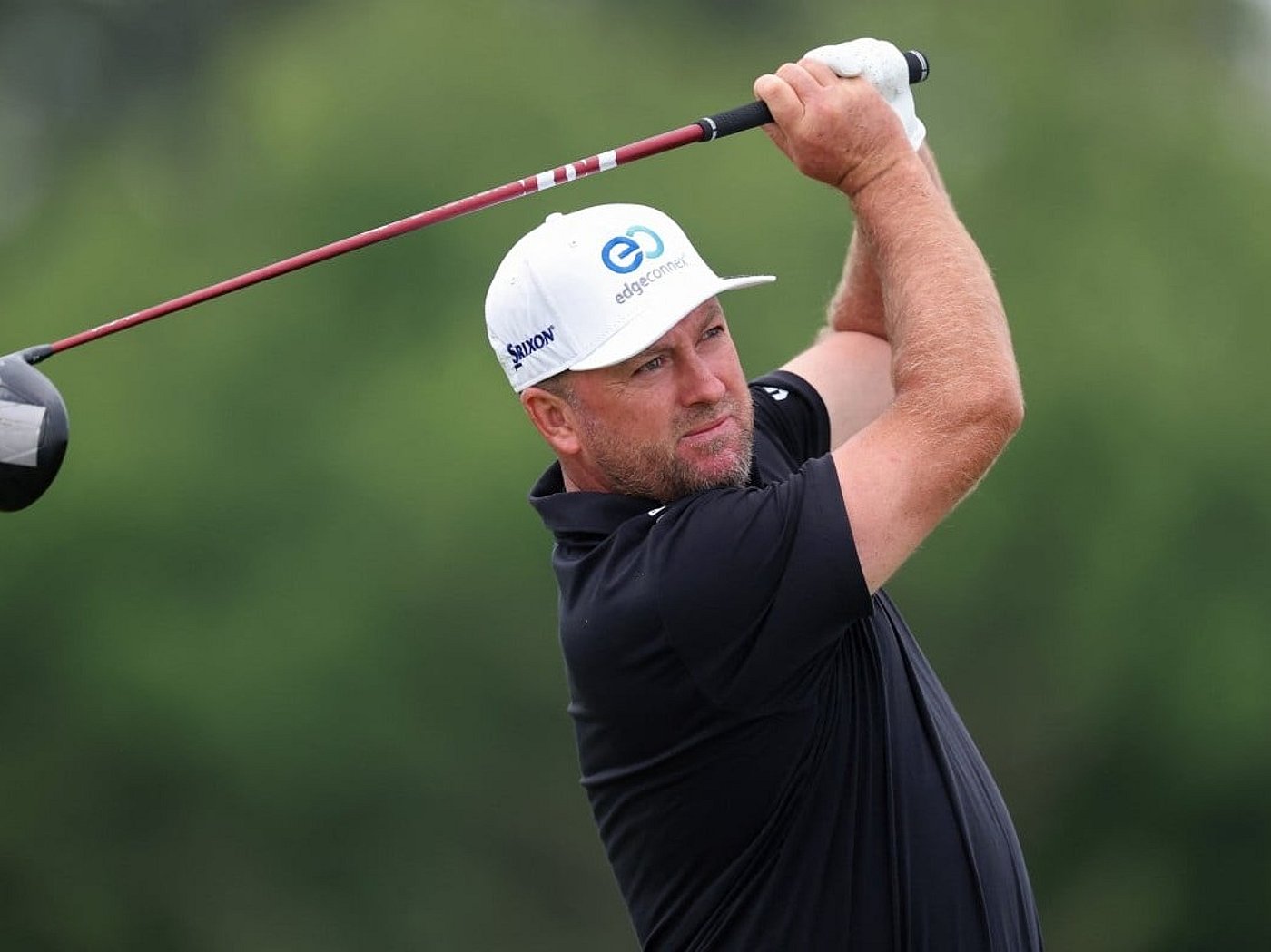
McDowell's announcement was deliberately restrained. He thanked the people involved in his LIV experience, said he would not pursue LIV 2.0 and looked toward another chapter without naming a destination. That is an important distinction. He has confirmed that one door is closing; he has not announced a new tour membership, a specific schedule or a guaranteed place in another competition.
His original move carried genuine weight. McDowell was not merely a veteran accepting a final contract. He was the 2010 US Open champion at Pebble Beach, a former world top-five player and a Ryder Cup figure whose reputation rested on high-pressure match play as much as tournament victories. He was part of LIV's first wave in 2022, at a time when players were being asked to choose between an established competitive structure and an ambitious new model built around teams, guaranteed contracts and a condensed calendar.
The results were mixed. McDowell represented Cleeks, Smash and ultimately OKGC. He never won an individual LIV event, with a runner-up-equivalent finish in Virginia in 2025 his best result. That record does not erase what the move did for his career: it provided years of competitive opportunities and financial security at an age when many players begin reconsidering how much travel and full-field tournament golf they want. Yet it also made the traditional tournaments he valued harder to access.
Earlier this year, McDowell described productive conversations about a possible return to the DP World Tour and said he had settled previous fines. He also spoke about missing the Irish Open, the Dunhill Links, the familiar tour environment and the chance to share a tournament with Rory McIlroy and Shane Lowry. Qualifying for the 2026 US Open at Shinnecock Hills reinforced the attraction of those stages. None of that proves a completed agreement, but it makes the direction of his thinking understandable.
At 47, his calculation is different from that of a 23-year-old trying to build a decade-long ranking and major-championship pathway. McDowell can prioritize meaningful starts, a manageable schedule and a role in the wider game without needing to reconstruct his career around a new league. His exit is therefore both a personal decision and an uncomfortable signal for LIV: the players who once gave the project veteran legitimacy are no longer automatically convinced that the next version serves their interests.

Rahm, Hatton and McKibbin turned individual exits into a roster crisis
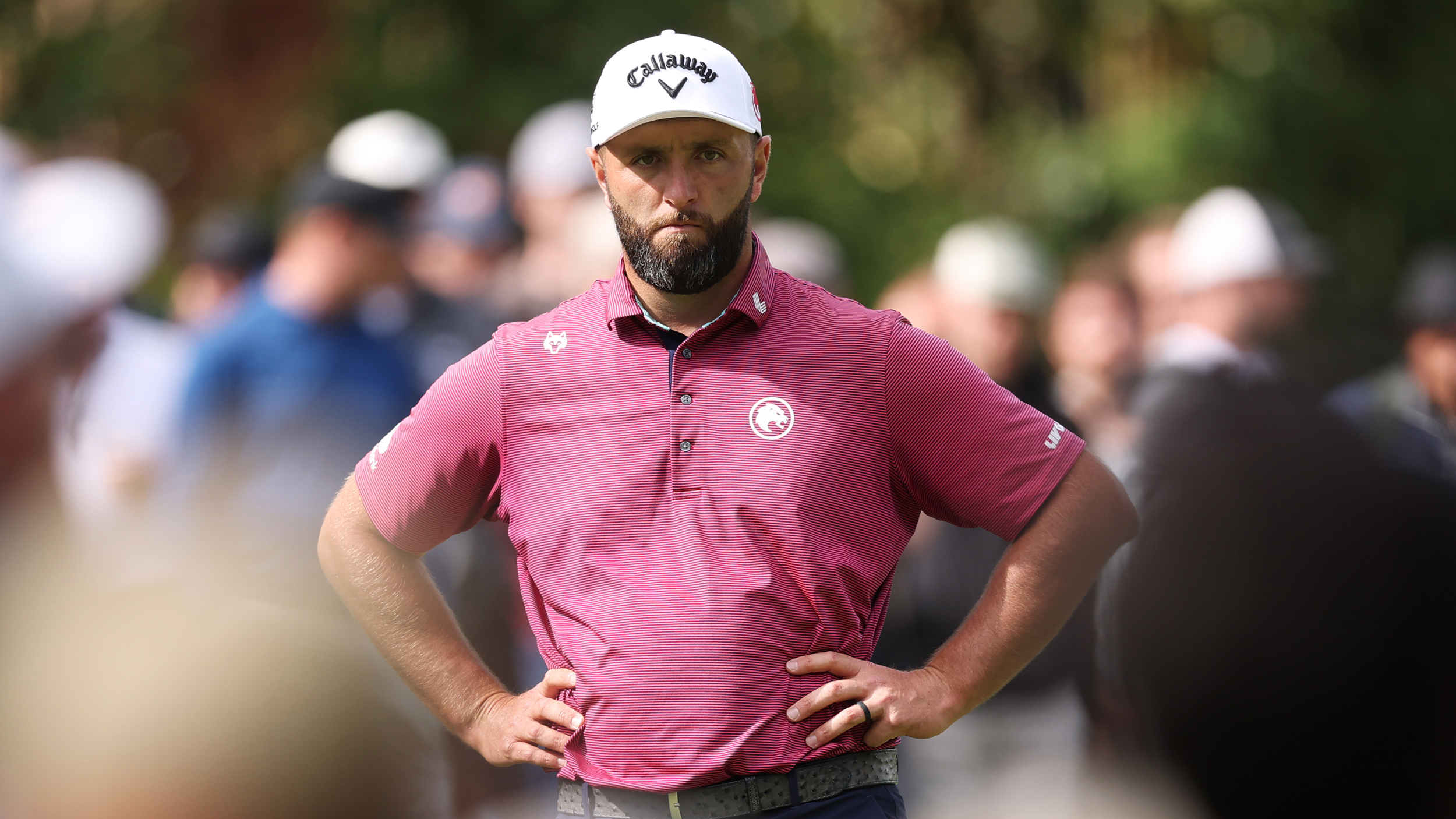
The list of departures is more consequential than its length. Losing a former major champion in isolation would be manageable for a league hoping to rebrand. Losing several of its most recognizable players, multiple team captains and a promising younger prospect within weeks changes the commercial proposition. A team-based competition depends on identifiable personalities, rivalries and continuity. If its leading names leave, the franchises can keep their logos while losing much of the reason supporters followed them.
Rahm's decision was the most dramatic. He won LIV's season-long individual title in each of his three seasons and was central to Legion XIII, one of the circuit's strongest teams. His representatives rejected the terms of LIV 2.0, and his separation from the organization became a legal and commercial question as well as a sporting one. The significance is not simply that a major champion wants out. It is that one of the league's most successful and committed competitors no longer sees the new terms as acceptable.
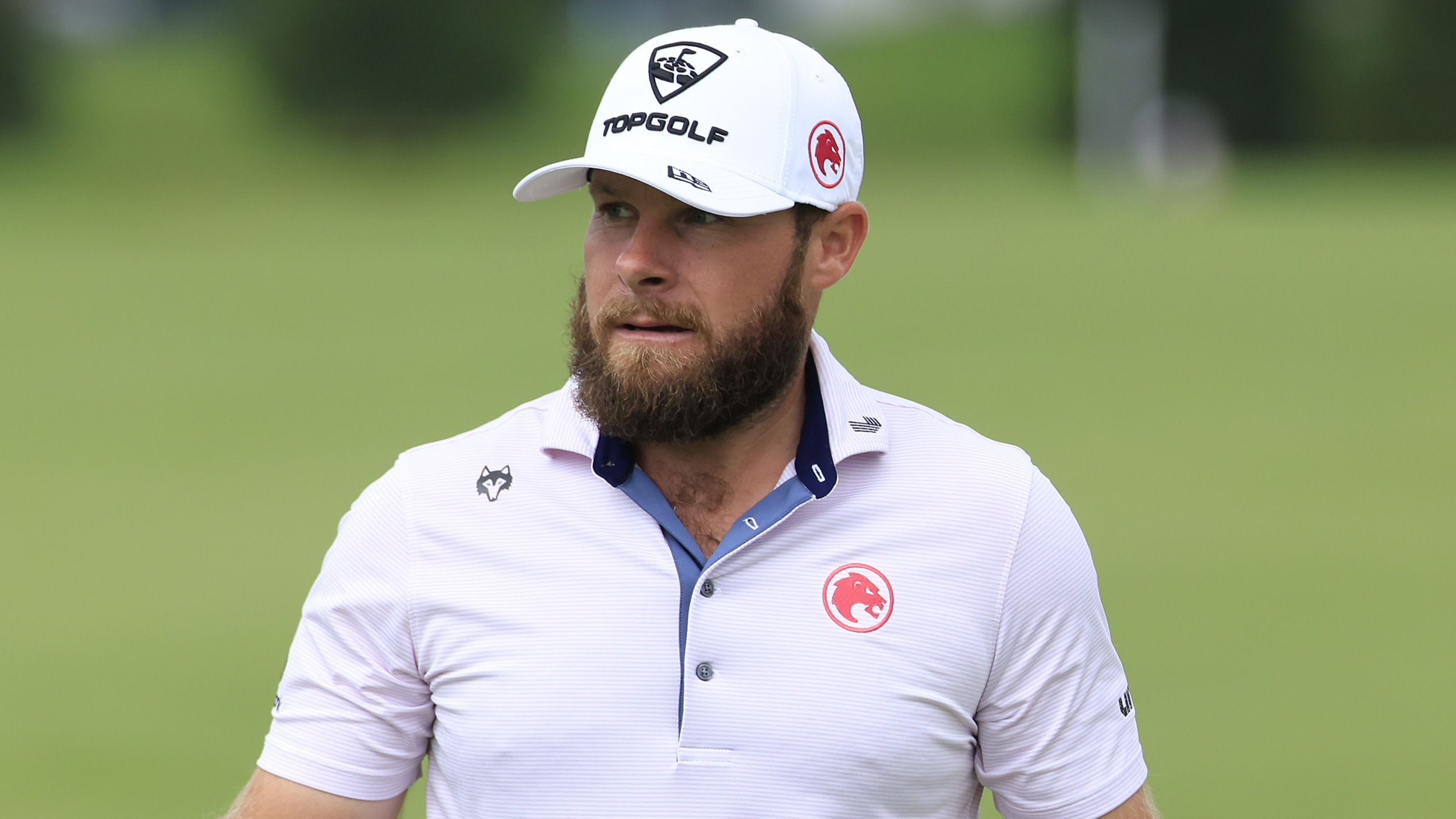
Hatton's departure deepened the problem. The Englishman had been a proven European tour winner and an important partner for Rahm, and he had continued playing selected DP World Tour events while under LIV contract. His 2026 season included a victory at Valderrama and another team success in Indianapolis. Leaving after that level of competitive success sends a more difficult message than a struggling player's decision to change circuits. The question is not whether LIV can produce good golf; its own winners are choosing other paths.
McKibbin makes the exodus more damaging in another way. At 23, the Northern Irishman is not nearing the end of his competitive life. He passed up a PGA Tour card to join Rahm's team in 2025, then used conditional European starts in 2026 to secure a route back. He has said he intends to play a full DP World Tour schedule in 2027. That decision emphasizes the long-term value of rankings, access to majors, national opens and the opportunity to earn future PGA Tour status. It also reflects the significance of the 2027 Ryder Cup in Ireland for ambitious European players.
Poulter, Oosthuizen, Sergio Garcia and others have their own reasons and different levels of certainty about what comes next. Some are considering senior golf, reduced travel or a European schedule; others must navigate eligibility rules. It would be misleading to pretend every departing player has the same plan. What they share is a refusal to anchor the next phase of their careers to LIV 2.0. The departures have turned a once-impressive team roster into a set of individual decisions that management cannot control through a new format alone.

A $300 million rescue is not the same as a bankable field
LIV's original model was powered by the Saudi Public Investment Fund, which spent heavily to recruit established stars and build a global event calendar. When that backing was withdrawn for the period after 2026, the league faced a problem that no ordinary sponsor renewal could solve. Its cost base, player contracts and competitive identity had been designed around access to exceptional capital. A different investor would naturally demand a different economic structure.
The proposed solution involves BC Partners Credit and financing of up to $300 million alongside a Chapter 11 restructuring process in the United States. LIV has outlined a 2027 competition with ten events, divided between five in the United States and five internationally, and a model in which participating players would receive equity rather than simply repeating the old guaranteed-payment approach. These are material changes. They may create a more sustainable enterprise if sufficient investors, creditors and players agree. They do not by themselves guarantee that the relaunch will take place on the advertised terms.
Player commitment is the essential commercial variable. The original October 25 decision window arrived with a comparatively short list of publicly confirmed returnees, including Richard Bland, Ben Campbell, Brendan Steele, Cameron Tringale and Victor Perez. Reports of additional tentative agreements are not the same as signed, binding commitments. Nor is a proposed financing package equivalent to cash already supporting a full tournament schedule. The number and quality of participating golfers influence broadcast appeal, sponsorship valuations, ticket demand and the credibility of team rivalries.
That creates a difficult feedback loop. Stars want to know whether LIV 2.0 will offer a strong field, dependable events and a commercially attractive future. Investors want assurance that enough stars will commit to make those events valuable. Every prominent exit makes the first question harder to answer, which in turn complicates the second. The loop can be broken by credible contracts and an attractive sporting plan, but a headline financing figure cannot substitute for them.
Bryson DeChambeau remains an especially important figure because of his visibility and his advocacy for team golf. His willingness to support the project does not erase the uncertainty around the final field. Meanwhile, the exits of Rahm, Hatton and McDowell illustrate three different forms of lost value: elite performance, current competitive credibility and established name recognition. LIV could still relaunch with a smaller, more focused model. What it cannot assume is that fans, partners and broadcasters will treat a diminished roster as equivalent to the star-heavy product they were sold from 2022 onward.

The real winners may be the tours that can offer a clear route back

Leaving LIV is not the same as walking straight into a full PGA Tour schedule. Players face different contractual histories, suspension rules, exemptions and qualifying options. The PGA Tour's special return pathway used earlier in 2026 was limited, and its existence should not be mistaken for a standing open invitation to everyone now departing. Any individual seeking US membership may still have to satisfy eligibility conditions, wait out restrictions or qualify through a recognized route.
The DP World Tour offers a more immediate sporting narrative for many European players, but its membership rules also matter. McKibbin earned sufficient Race to Dubai points through his 2026 starts to preserve playing rights for 2027. That makes his announced plan concrete. McDowell has discussed a return and previous fines, but he has not publicly confirmed the same completed arrangement. Rahm's situation involves his own existing European membership and legal separation from LIV. These cases cannot be collapsed into one universal reinstatement story.
For fans, the attraction is obvious. A European schedule containing Rahm, Hatton, McKibbin and potentially more former LIV players could strengthen fields that had been fragmented for years. Established events would gain familiar names without needing to build a new league from scratch. Players could also rebuild rankings and competitive rhythms through a schedule that includes national opens and the closing Race to Dubai events. The commercial benefit would extend beyond one marquee tournament if those players actually commit to meaningful numbers of starts.
The 2027 Ryder Cup at Adare Manor adds an emotional incentive, especially for European golfers. Membership and selection eligibility are not merely ceremonial: they influence whether a player can realistically make a team or serve in an official capacity. McDowell has spoken about wanting to contribute, but his participation in any role is speculative. McKibbin has a more conventional playing-career incentive to remain visible in Europe. Rahm and Hatton already know what Ryder Cup golf can mean to a player's standing. The event sharpens their motivations without guaranteeing anyone a place.
There is a broader lesson here about the economics of elite golf. Guaranteed contracts can draw players away from familiar circuits, but they cannot permanently replace every form of competitive meaning. Majors, world rankings, national opens, the Ryder Cup and long-established tour histories remain valuable because they connect today's results to decades of achievement. The next chapter of professional golf may still include a viable LIV product. Yet the clearest opportunity right now belongs to the organizations that can provide departing players with transparent rules, reliable tournaments and a credible route to the stages they most want to play.
McDowell has not announced a detailed 2027 schedule, and LIV has not exhausted every possible route to a relaunch. Those uncertainties should remain visible. But the direction of travel is unmistakable: a league created to attract stars with unprecedented financial offers is now asking many of those same stars to commit to a smaller, riskier and less certain proposition.
The $300 million financing proposal may keep LIV 2.0 alive. It cannot manufacture the confidence of the players who have already left. McDowell's exit matters because it turns another founding-era recruit into a former member, just as Rahm, Hatton and McKibbin are choosing more traditional competitive paths. The next contest will not be decided by a press release. It will be decided by who signs, who actually tees it up in 2027 and which tour can still offer golf's biggest names the future they want.

















