

Hamilton Explodes at Leclerc After Mexico Clash — Five Seconds Isn't Enough
GOATIFYFerrari waited until the 2026 Mexico City Grand Prix to put Lewis Hamilton on pole for a full-length race. Then its two drivers turned the opening lap into an argument over track limits, racecraft and whether a five-second penalty could ever undo the advantage Charles Leclerc had already gained. Hamilton had barely started converting a landmark qualifying result into a possible victory when the biggest threat came from the other red car.
Leclerc emerged in front after their battle through the opening corners, with both Ferraris running beyond the intended racing line in the Turn 4 sequence. The stewards ultimately penalized Leclerc five seconds for gaining an advantage. Hamilton did not consider that an adequate remedy, and Max Verstappen also questioned the size of the sanction. What began as a split-second contest for the same patch of asphalt became a test of Ferrari's internal rules and Formula 1's penalty logic.
From a Historic Pole to Ferrari-on-Ferrari Chaos in Four Corners
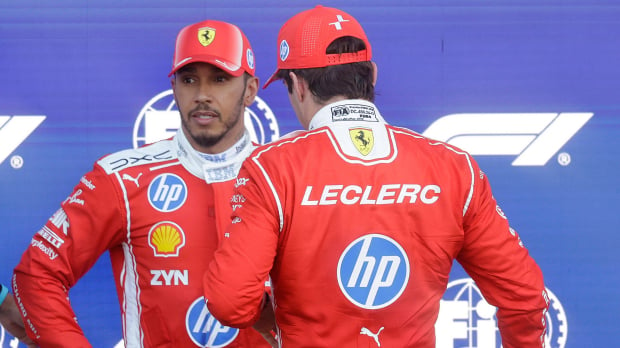
Saturday's qualifying had created the ideal starting point for Hamilton. His 1:16.514 lap beat George Russell by only nine thousandths of a second, delivered his 105th career pole and his first for Ferrari in a regular Grand Prix. Leclerc was third, close enough to challenge immediately on the unusually long approach to Mexico City's first corner. Ferrari had two fast cars in the leading group, but not the luxury of a quiet run to Turn 1.
Both drivers launched strongly and emerged at the front of the early battle. Their contest continued into the next complex, where Leclerc attempted to carry speed around the outside near Turn 4. The Ferrari cars came together in the sequence, and Leclerc ran beyond the track before returning in front. Hamilton also lost the normal racing line. Verstappen took advantage of the disorder to move ahead of Hamilton, changing the order behind the leading Ferrari before the first lap had settled.
The important distinction is between fighting hard for a place and keeping a place through an off-track excursion. Drivers are entitled to contest the corner, and a teammate is not automatically obliged to yield simply because the other Ferrari started on pole. But the question for the stewards was whether Leclerc's route back onto the circuit left him with a position he could not fairly claim. That question matters more than the mere fact that the two drivers touched.
Hamilton immediately pressed Ferrari for an answer over the radio. He believed his teammate should surrender the advantage rather than wait for the officials to calculate a punishment. The response could not be treated as a private disagreement inside the garage: Verstappen was already part of the position battle, and the leading cars were beginning to separate. Every lap that passed made a simple place swap harder to reconstruct.

Why the Five-Second Penalty Made Hamilton Even Angrier
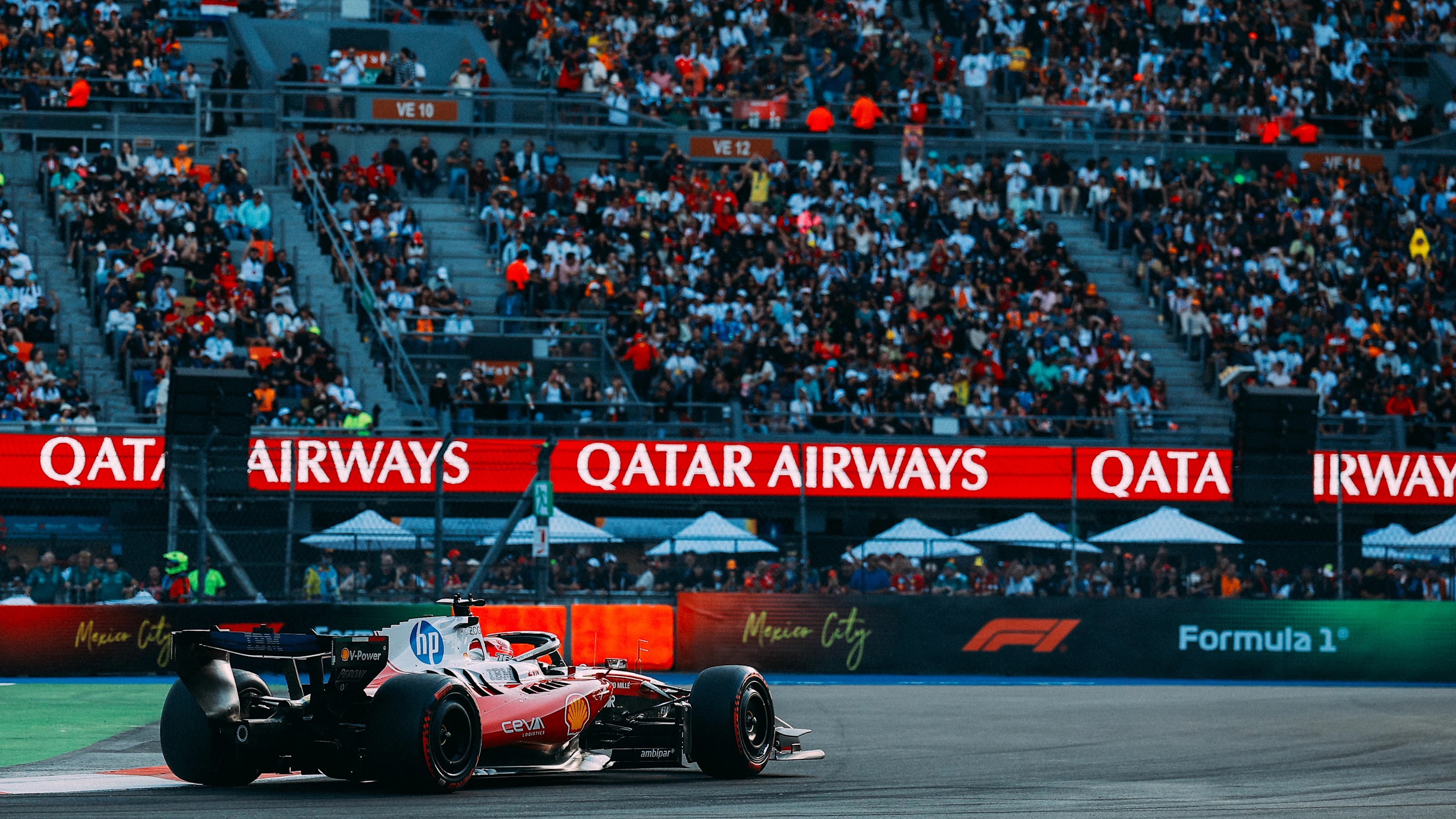
The stewards investigated and issued Leclerc a five-second time penalty, announced on lap 13. That confirmed the essential point behind Hamilton's complaint: the officials considered the advantage gained in the opening-lap sequence worthy of punishment. Yet it did not restore the order immediately. Leclerc could continue at the front and serve the sanction during a pit stop, or have it added to his time if necessary under the applicable procedure.
Five seconds sounds like a precise correction, but a race is not a spreadsheet. The driver at the front may have clean air, less turbulence and greater freedom to control pace and tire management. A car following another contender can lose time through dirty air, compromised braking points and a different pit-stop window. Hamilton's argument was that Leclerc had been allowed to keep the most useful part of the prize while the nominal cost remained fixed.
The alternative Hamilton wanted was a prompt return of the disputed place. That would have changed the running order immediately, but even that remedy is complicated once Verstappen has moved between the two Ferraris. Ordering Leclerc to give a place to Hamilton without accounting for the Red Bull could create another distortion. It is why prompt decisions matter: the longer a race continues, the more strategy, traffic and position changes become entangled with an incident from the opening corners.
Verstappen's reaction showed the controversy was not confined to Ferrari. The Red Bull driver questioned why the sanction was five seconds rather than the harsher ten-second penalties that have featured in recent discussions about racing standards. His view does not establish that ten seconds was required in this case, but it underlines the central problem for competitors: consistency is as important as the written number when everyone must decide, in a fraction of a second, how much room to leave and what happens if someone goes off.

Hamilton's Radio Anger Revealed the Bigger Ferrari Problem
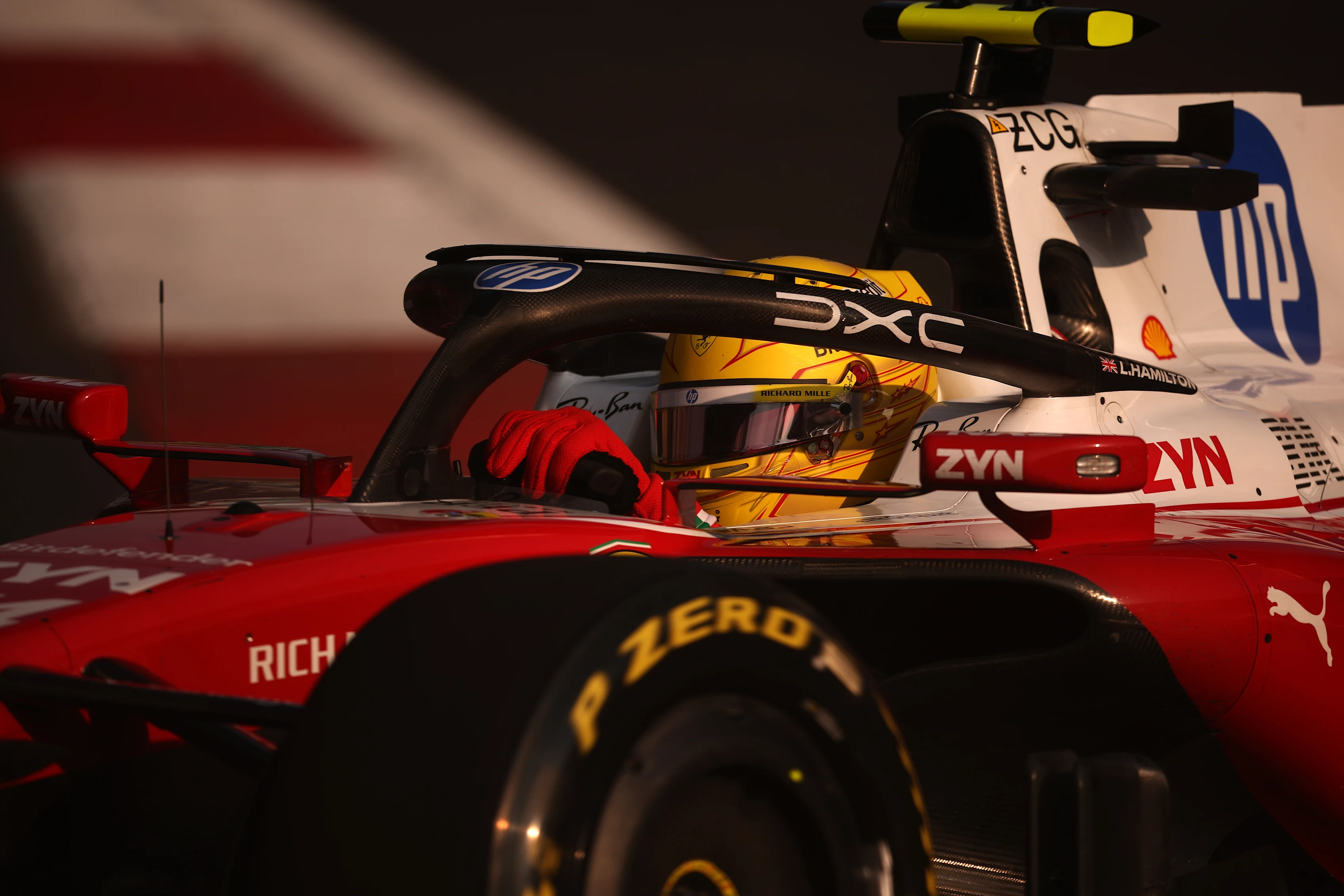
Hamilton's frustration was especially sharp because this was not an ordinary midfield disagreement. The seven-time champion had waited since Hungary 2023 for another full Grand Prix pole, and his Mexico lap finally gave him the cleanest possible opportunity to fight for a win in Ferrari colors. His qualifying breakthrough had also arrived after a difficult Friday in which mechanical trouble interrupted his preparation. Losing the advantage within a handful of corners made the grievance immediate and personal.
Over team radio, Hamilton complained that Leclerc could build a cushion in clean air while others had to race in traffic. Later he argued that the officials' decision effectively rewarded the driver who had retained the lead, referring to expectations discussed before the race. Those messages conveyed more than anger at a teammate. They showed a driver who felt the sporting remedy did not match the actual cost of the incident, and who wanted his team to defend his position rather than accept the matter as settled.
Ferrari faces a particularly awkward balancing act with two drivers who are both expected to race for victories. Leclerc is the established centerpiece of the team's recent era; Hamilton is a seven-time champion who did not move to Maranello to serve as a supporting driver. Neither would accept an automatic instruction to back out whenever the other car is nearby. A team can permit genuine racing while still insisting that its drivers avoid situations that hand places to a third competitor.
The practical question for team principal Frédéric Vasseur is whether the rules are explicit enough before the lights go out. What counts as acceptable side-by-side racing? When should a driver voluntarily return an advantage? Who decides when the officials are still investigating? These questions sound procedural until both red cars arrive at the same corner with a possible win at stake. Mexico showed why leaving the answers to instinct is a costly strategy.
Monza Was the Warning — Mexico Made It a Pattern Ferrari Cannot Ignore
This was not Ferrari's first uncomfortable opening-lap conversation of the season. At Monza in September, Hamilton and Leclerc also tangled in an early-corner fight that sent Hamilton wide and down the order. Afterward the two drivers said they had discussed the incident and moved forward, but they had not adopted a formal written set of rules governing every wheel-to-wheel situation. That earlier episode matters because Mexico revived the same basic disagreement under even brighter lights.
The comparison should not be stretched into a claim that the incidents were identical. Different corners, positions, lines and stewarding decisions make each episode its own case. Monza produced no penalty for the initial Ferrari clash; Mexico produced a five-second sanction for Leclerc. The common thread is not a single technical offense but a team struggling to reconcile two uncompromising drivers when both believe they have earned the right to attack.
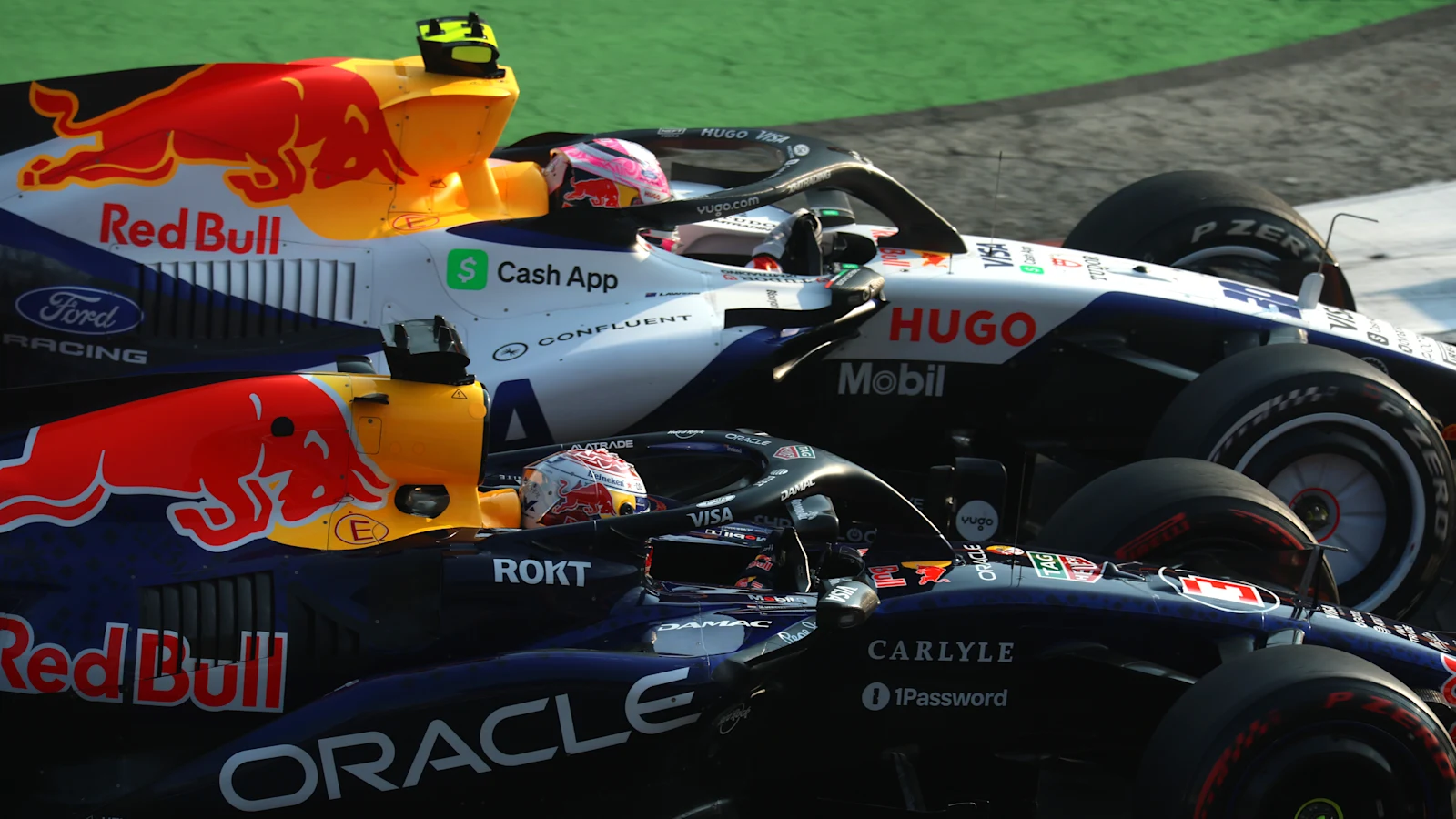
The third party in Mexico was Verstappen, whose presence turned an internal battle into a direct competitive cost. When Hamilton lost ground and Verstappen gained position, Ferrari's argument ceased to be a matter of which teammate should be ahead. It affected the contest against Red Bull as well. The same principle applies to every front-running team: internal freedom is valuable only until it begins handing track position and strategic leverage to rivals.
Mexico City's 4.304-kilometer circuit magnifies these choices. The long opening straight encourages slipstreaming and late-braking moves, while the altitude complicates cooling and aerodynamic performance. A driver who reaches the front can gain a useful rhythm; a driver trapped behind a rival may have to work harder to preserve tires and temperature. That is precisely why a disputed lead on lap one can have consequences far beyond the initial few seconds.
Ferrari does not need to prohibit racing between Hamilton and Leclerc. It needs a credible method for resolving the inevitable disagreement before the team radio becomes the main battleground. The stewards have their own rules to apply, but a team that wants to win cannot outsource every internal judgment to a penalty notice. Mexico provided another warning that speed alone will not settle the question of who gives way.
The five-second penalty gave Hamilton a formal answer, but it did not give him the immediate restoration he wanted. Leclerc's maneuver, Verstappen's intervention and the time spent waiting for a decision exposed how difficult it is to reverse a disputed first-lap advantage once the race has developed. The incident remains significant regardless of the eventual finishing order.
Hamilton's first Ferrari Grand Prix pole should have been a straightforward celebration of renewed pace. Instead, it became the backdrop for another debate about how Ferrari's two stars race each other. If Vasseur wants the next front-row opportunity to produce points rather than recriminations, the rules of engagement need to be clearer before the next Turn 1.

















