

Alpine's Eight-Point Mexico Nightmare: Gasly and Colapinto Lose Everything After the Flag
GOATIFYFor a few hours, Alpine had something worth celebrating in Mexico City. Franco Colapinto and Pierre Gasly had both finished inside the points after a chaotic 71-lap Grand Prix, turning a difficult afternoon into what looked like an eight-point reward. Then the classification changed, the stewards' decisions arrived, and every one of those points disappeared.
Colapinto was given ten seconds for failing to slow sufficiently under a single yellow flag. Gasly received a stop-and-go penalty, converted into a thirty-second addition to his race time, for an infringement under double yellows. The Argentine fell to fifteenth; the Frenchman ended up seventeenth. Alpine went from two points-scoring cars to none, while several rivals collected the places it had lost.
The headline result of the November 1, 2026 Mexico City Grand Prix belonged to Max Verstappen and newly crowned champion Kimi Antonelli. But for the midfield, the drama continued long after the chequered flag. Alpine's reversal was not a marginal adjustment: it altered the constructors' fight, rewarded a remarkable pit-lane recovery by Liam Lawson and handed a point to an unexpected Formula 1 debutant. Here is how a promising result unravelled, and why the details of two different yellow-flag rulings matter.
Eight Points on the Road, Zero After the Stewards Finished

Alpine's first problem in Mexico was simply getting into position to score. Gasly had qualified ahead of Colapinto, but the race immediately scrambled their fortunes. Colapinto made an aggressive, effective getaway from eleventh on the grid and reached seventh in the opening exchanges. Gasly, by contrast, lost ground after an issue with power delivery on the run toward the first corner. That forced him to recover through traffic rather than manage a straightforward top-ten race from the beginning.
The race then refused to settle. Strategy changes, a red flag following Valtteri Bottas' crash and another late safety-car interruption kept the midfield in motion. Colapinto stayed in contention while Gasly fought back through pit strategy and overtaking. There were even awkward moments between the Alpine drivers during the restart phase, when Gasly was pushed toward the grass and later tangled in the same midfield battle as Lawson. Both cars nevertheless made it to the flag in positions that appeared to justify the team's effort.
Colapinto was eighth and Gasly tenth on the road. An unrelated penalty for Oscar Piastri, who was punished after contact with Arvid Lindblad, initially lifted them to seventh and ninth in the provisional amended order. Those places would have been worth six points for Colapinto and two for Gasly. Eight points are valuable anywhere in the constructors' standings, but especially in a midfield battle where one strong weekend can change the gap between rivals.
Then the two Alpine investigations reached their conclusions. Both drivers had passed through caution sectors without reducing speed sufficiently, according to the stewards' review of the evidence. The incidents were separate, and so were the penalties. Colapinto's ten seconds pushed him down to fifteenth; Gasly's larger time addition sent him to seventeenth, the last classified finisher. What had briefly looked like a successful two-car rescue became a scoreless weekend.
There is a reason this result stung more than a routine mechanical retirement. The team had already done the difficult sporting work: recovering positions, managing interruptions and bringing both cars home. The lost points came from conduct that the officials judged unacceptable in a safety-critical part of the race. Alpine could argue about how much warning its drivers had and how much they slowed, but the final standings reflect the decisions, not the finishing order seen on the television graphic at the flag.

Why Colapinto's Single-Yellow Defence Did Not Save His Result
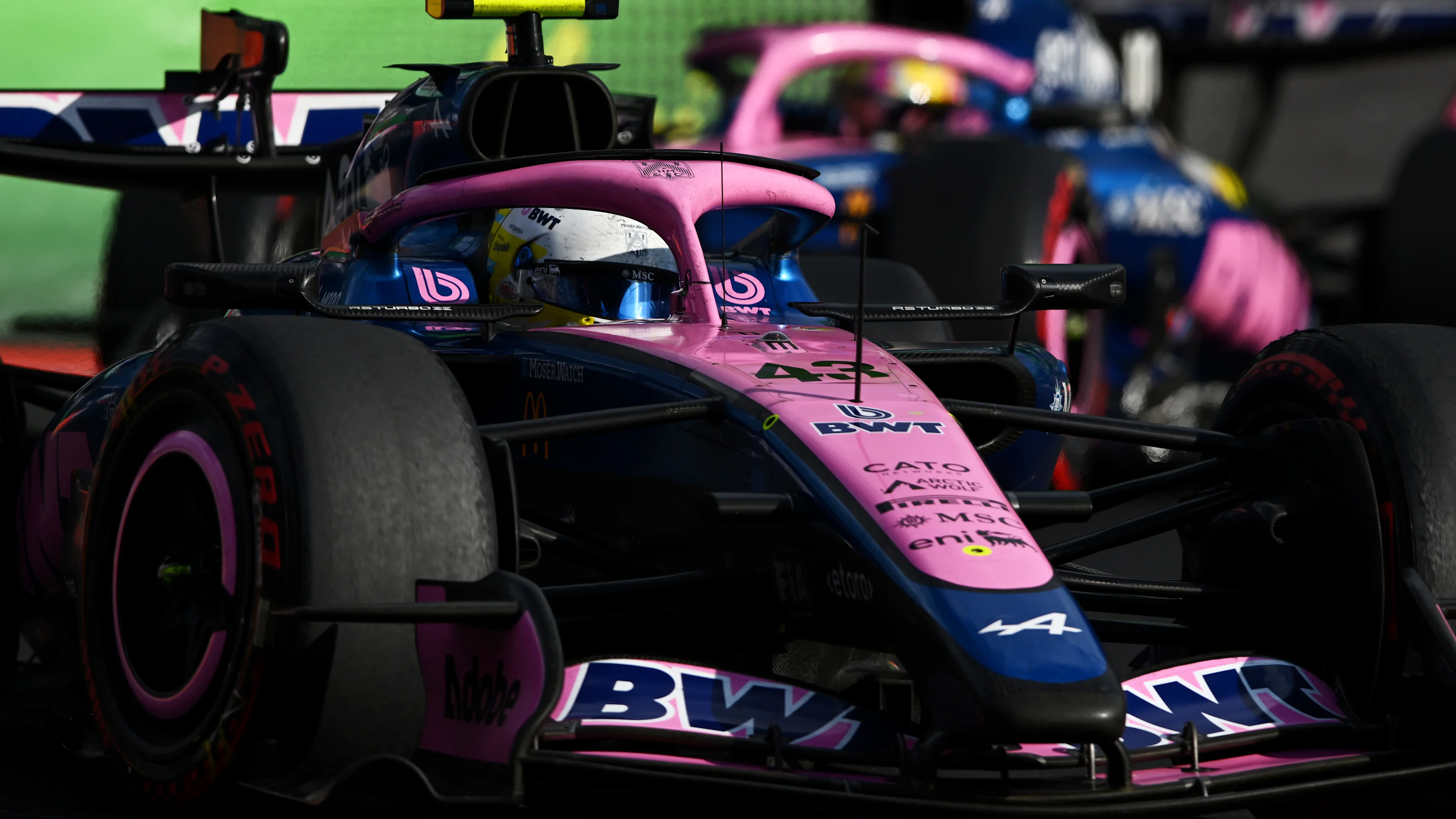
Colapinto's case turned on a precise distinction. A single waved yellow flag warns a driver of a hazard ahead and requires a meaningful reduction in speed, with readiness to change direction if necessary. It is not an invitation to maintain normal racing pace because the car still feels under control. In a tightly packed field, the difference between easing the throttle and genuinely slowing can be decisive for the safety of marshals and other competitors.
Alpine did not simply accept the allegation without argument. The team and driver presented telemetry and photographic evidence intended to demonstrate compliance. The stewards reviewed that material alongside onboard footage and other information, but were not persuaded that the reduction in speed through the single-yellow sector was sufficient. The consequence was a ten-second time penalty, plus one penalty point on Colapinto's super licence.
Crucially, the officials did not find every part of his passage through the incident area to be a breach. There had also been a double-yellow sector immediately beforehand, and the stewards considered whether Colapinto had received enough warning to meet that more demanding requirement. They found sufficient doubt on the warning question and did not penalise him for that earlier sector. The distinction matters: the decision was not a blanket condemnation of his entire lap, but a specific finding about the single-yellow sector for which the evidence was judged adequate.
From the driver's perspective, the loss was brutal. Colapinto had produced a strong opening lap, managed a turbulent race and finally seemed set to convert that work into points. His progress was particularly significant because the team had needed a clean result after a run of frustrating weekends. A late sanction cannot erase the overtakes or the consistency he showed, but it can erase the reward in the championship table. Fifteenth is what the official classification records, not the eighth place he crossed the line in.
Colapinto acknowledged responsibility after the ruling, even while describing the decision as difficult to process. That combination is understandable. Drivers have to react to flag signals while processing traffic, tyre conditions, radio messages and a rapidly changing circuit. The stewards, however, judge compliance from the available evidence after the event. If the car has not slowed sufficiently, a driver's impression that the response was adequate does not settle the question. Alpine now has to turn this incident into a clearer, repeatable caution-zone response before the next race.
Gasly's Double-Yellow Breach Brought the Heavier Punishment
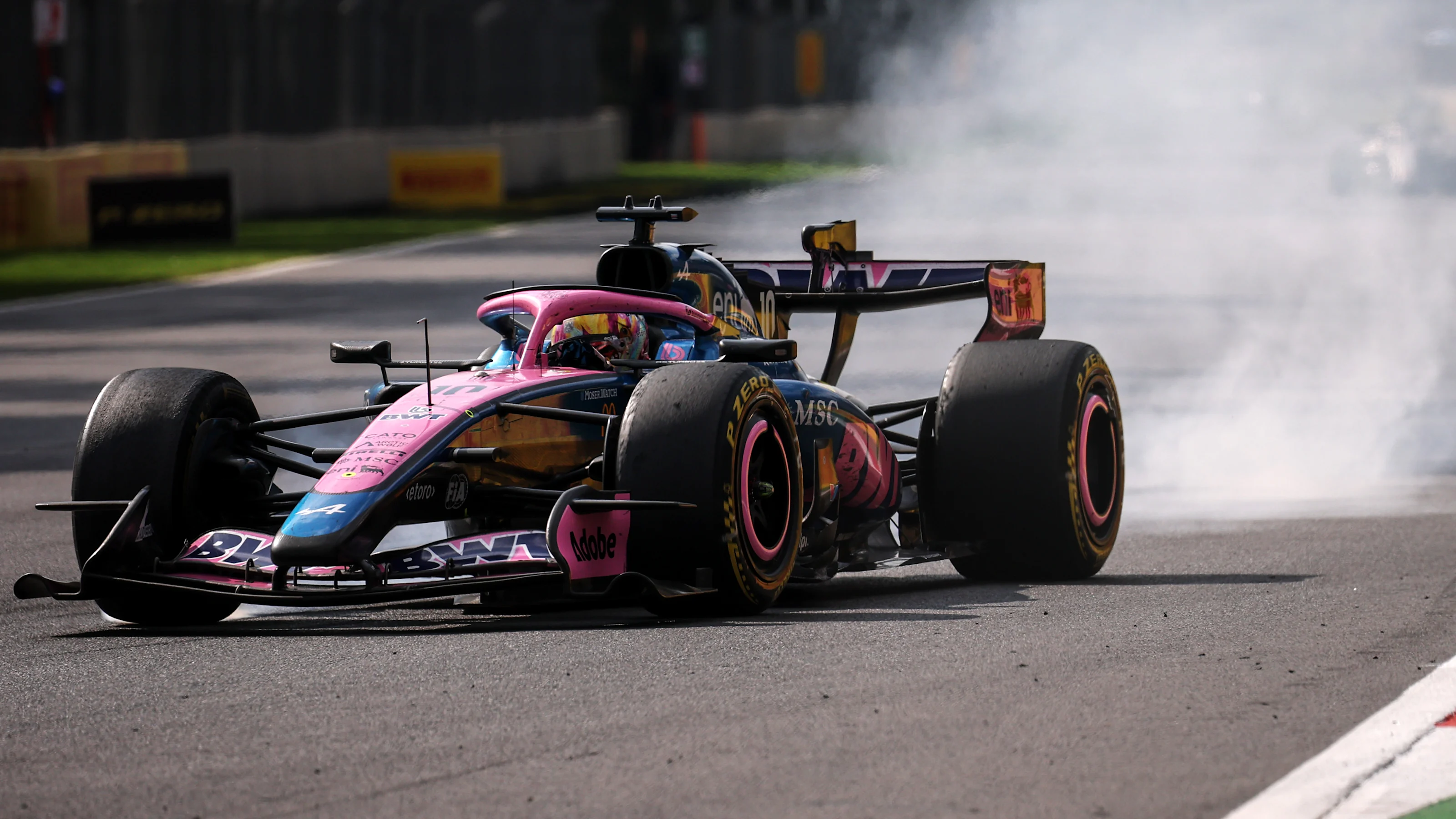
Gasly's case was harsher because the warning was more serious. Double waved yellow flags signal a heightened danger on the circuit, and drivers are required to slow substantially and be prepared to stop. That obligation is deliberately stronger than the response to a single yellow. Officials must be able to rely on cars approaching a hazardous scene at a sufficiently reduced speed, even when the drivers are fighting for positions and every second feels expensive.
Gasly and Alpine maintained that he had made a significant reduction in speed. The stewards studied the telemetry, compared his behaviour with other cars passing through the same sector and concluded that the decrease was too small to satisfy the regulation. They imposed a stop-and-go penalty, which was converted into a thirty-second time addition because the race had already ended. He also received two super-licence penalty points. The conversion made the punishment especially visible in the final classification: a driver who had crossed the line tenth fell all the way to seventeenth.
The sanction followed an afternoon that had already demanded resilience. Gasly's initial launch was promising until the power problem disrupted his acceleration and cost places. He made an early tyre stop and gradually worked back toward the top ten. Later interruptions gave Alpine another opportunity to compete, although the car again struggled with power delivery at the restarts. His race was not flawless, but it was a credible recovery from circumstances that could easily have left him stranded far outside the points.
That is why the ending feels so contradictory. Alpine can take useful information from the car's pace, strategy and ability to recover, yet the official result gives it nothing. Gasly apologised for the yellow-flag mistake and acknowledged that the team had missed a chance to score. Those are separate issues from the power-delivery complaints: technical difficulties explain some of his lost track position, but they do not overturn a safety infringement. Treating them as separate problems is essential if Alpine wants to improve both.
The two penalties also illustrate why the precise flag matters more than a generic description of a driver 'not slowing'. A single yellow and a double yellow convey different levels of danger; the required responses and the consequences for non-compliance can differ accordingly. Colapinto's ten-second addition was damaging enough. Gasly's converted stop-and-go was devastating. Neither ruling should be reduced to a mere administrative reshuffle. The underlying purpose is to protect people around an incident, and the stewards' assessment was that both cars had fallen short of the necessary caution.

Lawson Climbs From the Pit Lane, Hirakawa Scores on Debut — Alpine Pays Twice
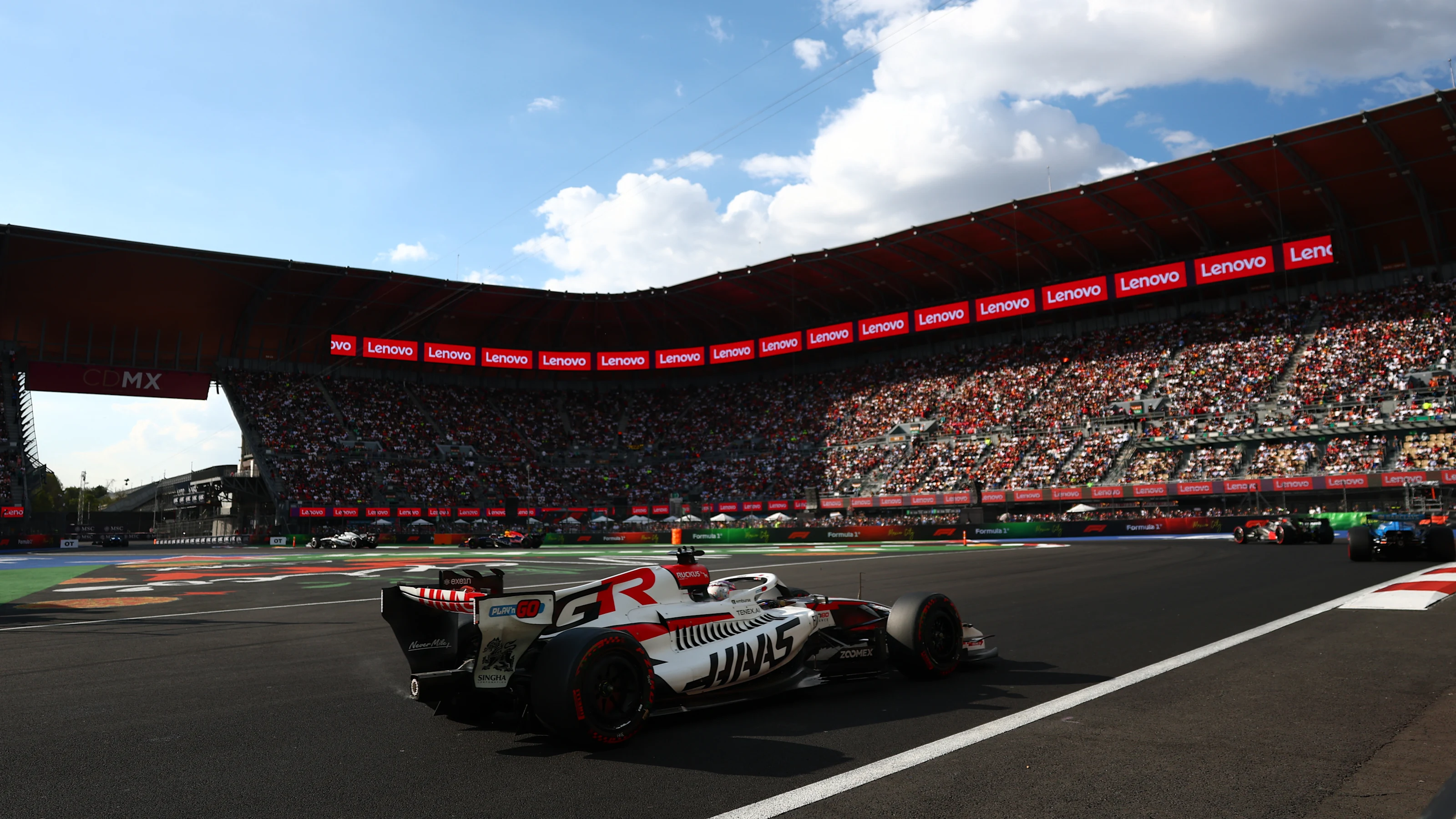
Every points penalty creates beneficiaries. When the officials finished applying the Mexico City decisions, Liam Lawson was classified seventh for Racing Bulls, Gabriel Bortoleto eighth for Audi, Isack Hadjar ninth for Red Bull and Ryo Hirakawa tenth for Haas. That order did not mean those four drivers had all crossed the line in those places. It was the final, amended result after the separate sanctions involving Piastri and the two Alpine cars.
Lawson's seventh place was a striking outcome given where he began. A qualifying disqualification and overnight changes had left him starting from the pit lane, with a new power unit and a difficult recovery ahead. He spent the race picking through traffic and surviving interruptions, then benefited from the post-race rulings to finish with six points. The result strengthened Racing Bulls in its contest with Alpine for fifth in the constructors' standings. It also rewarded a drive that was more than a lucky paperwork promotion: Lawson had to keep the car running and remain close enough to take advantage.
For Bortoleto, eighth was a welcome return to points after a weekend in which Audi had been fighting technical setbacks and limited practice information. Hadjar's ninth was compensation of a different kind. The Red Bull driver had been spun into trouble by contact with George Russell on the opening lap and had to rebuild his race from the back. Both inherited positions because of others' penalties, but both had also navigated a difficult afternoon well enough to remain in contention when the classification changed.
The most memorable beneficiary may have been Hirakawa. The 32-year-old Japanese racer had arrived expecting reserve-driver duties and a practice appearance, only to be called into the Haas race seat for the remainder of the weekend. He qualified nineteenth, learned under pressure during his first Grand Prix and stayed out of the worst incidents. After the penalties, tenth place delivered a world championship point on debut. Haas had lost Oliver Bearman to contact with Nico Hulkenberg, making that unexpected point especially valuable.
Alpine's problem is therefore bigger than the eight points it lost. Some of the points it surrendered went directly to the teams with which it is competing, magnifying the championship effect. A swing of that kind can matter far more than an ordinary weekend where everyone simply finishes where they started. The next stop is São Paulo on November 6–8, and Alpine has only days to address both the technical issues that compromised Gasly's race and the procedures that left both drivers exposed to post-race penalties. The pace in Mexico was encouraging. The final result was an expensive warning that pace alone does not protect a team from avoidable mistakes.

Mexico City showed two versions of Alpine in one afternoon. On track, Colapinto and Gasly fought through interruptions and appeared to rescue a double-points result. In the stewards' room, two separate failures to slow sufficiently under yellow flags wiped out that reward. The official verdict leaves both drivers outside the top ten, Lawson seventh and Hirakawa with a debut point.
Alpine can be encouraged by its race pace, but it cannot bank hypothetical points. If it wants to turn improved performance into a stronger constructors' finish, the next step is as much about discipline and operational clarity as speed. Brazil offers the chance to respond quickly; Mexico will remain the example of what happens when a good race is not quite a complete one.

















