

O'Malley Says Yan Rematch Is Inevitable — But Song Yadong Has a Case
GOATIFYSean O'Malley is treating the UFC bantamweight title picture as if the decision has already been made. Petr Yan has just survived another five-round war with Merab Dvalishvili, Song Yadong was positioned in front of the cameras in Abu Dhabi, and the former champion says neither development changes the obvious next fight: O'Malley versus Yan.
There is one important catch. O'Malley has not announced a signed bout agreement, and the UFC has not confirmed Yan's next challenger. His certainty is a contender's argument, not a booking. But after his wins over Song and Aiemann Zahabi in 2026, plus a razor-close victory over Yan in 2022, it is an argument the promotion will struggle to dismiss without explaining what matters more: recent results, the champion's preference or the biggest possible event.
Yan's UFC 333 escape changed the title race overnight
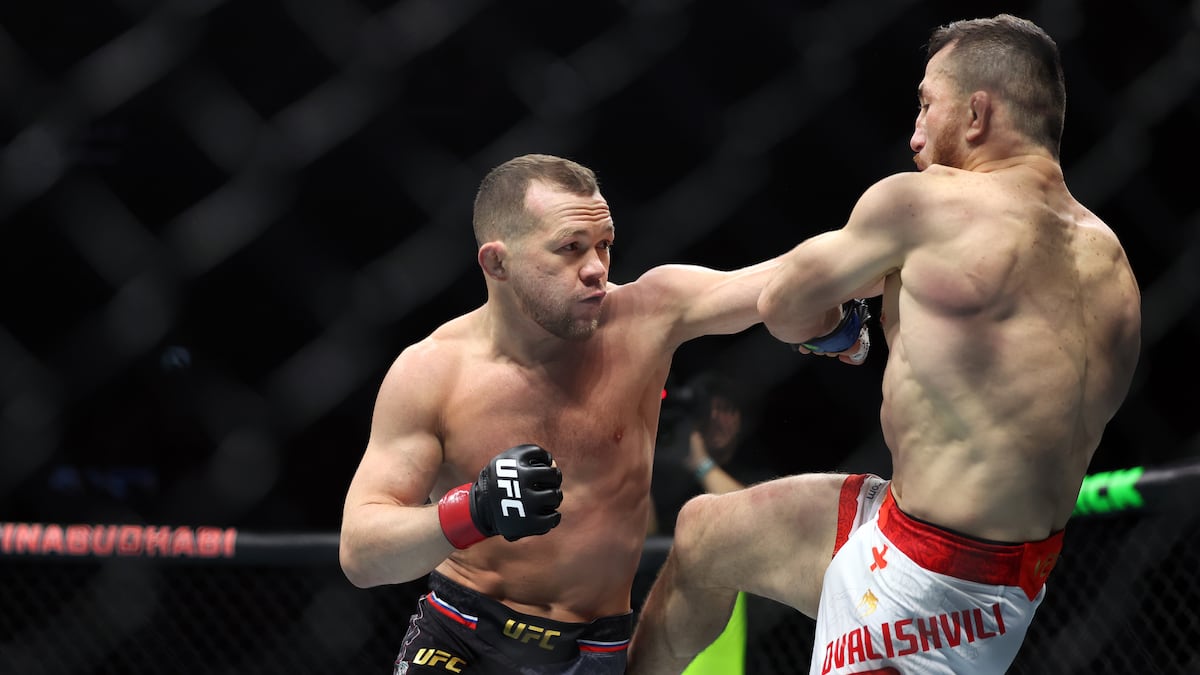
Yan did not leave UFC 333 with the belt because the evening was straightforward. Dvalishvili took the first two rounds on all three official scorecards, repeatedly closing distance and demanding defensive wrestling from the champion. A title defense that initially looked in danger became a demonstration of how much a fight can change when the defending champion begins making the opponent pay for every entry.
Yan's body attack was central to the reversal. The damaging shots in the third round slowed the relentless pace that had made Dvalishvili so effective early, and Yan increasingly found room for combinations while resisting further takedown attempts. By the championship rounds, he was landing the cleaner, more consequential strikes. All three judges scored the fight 48-47 for Yan, who had swept the final three rounds after falling behind 20-18.
That matters for the next challenger because the result did two things at once. It closed the immediate trilogy with Dvalishvili and restored the champion's leverage to choose a fresh problem. Yan is no longer being asked whether he can solve the wrestling pressure of the opponent who once dominated him. He is being asked which of the division's striking threats deserves to test his latest evolution.
O'Malley sees the timing as perfect. He can point to a previous victory over Yan, a recent run of wins and a larger promotional ceiling. Song can point to his own spectacular 2026 results and the fact that the UFC placed him prominently in the arena as Yan's victory was being discussed. The champion's win therefore did not settle the matchmaking question; it made that question more urgent.
Yan's last two victories over Dvalishvili also complicate simplistic style predictions. He is still an elite technical boxer, but the latest fight showed a willingness to invest in body damage, absorb difficult early stretches and defend repeated wrestling attempts without losing composure. Whoever challenges him next will be facing a version of Yan that has recently answered questions about endurance, adjustments and pressure. O'Malley may be right about the commercial opportunity, but there is no easy route to reclaiming the belt.

Song Yadong is more than a convenient camera shot
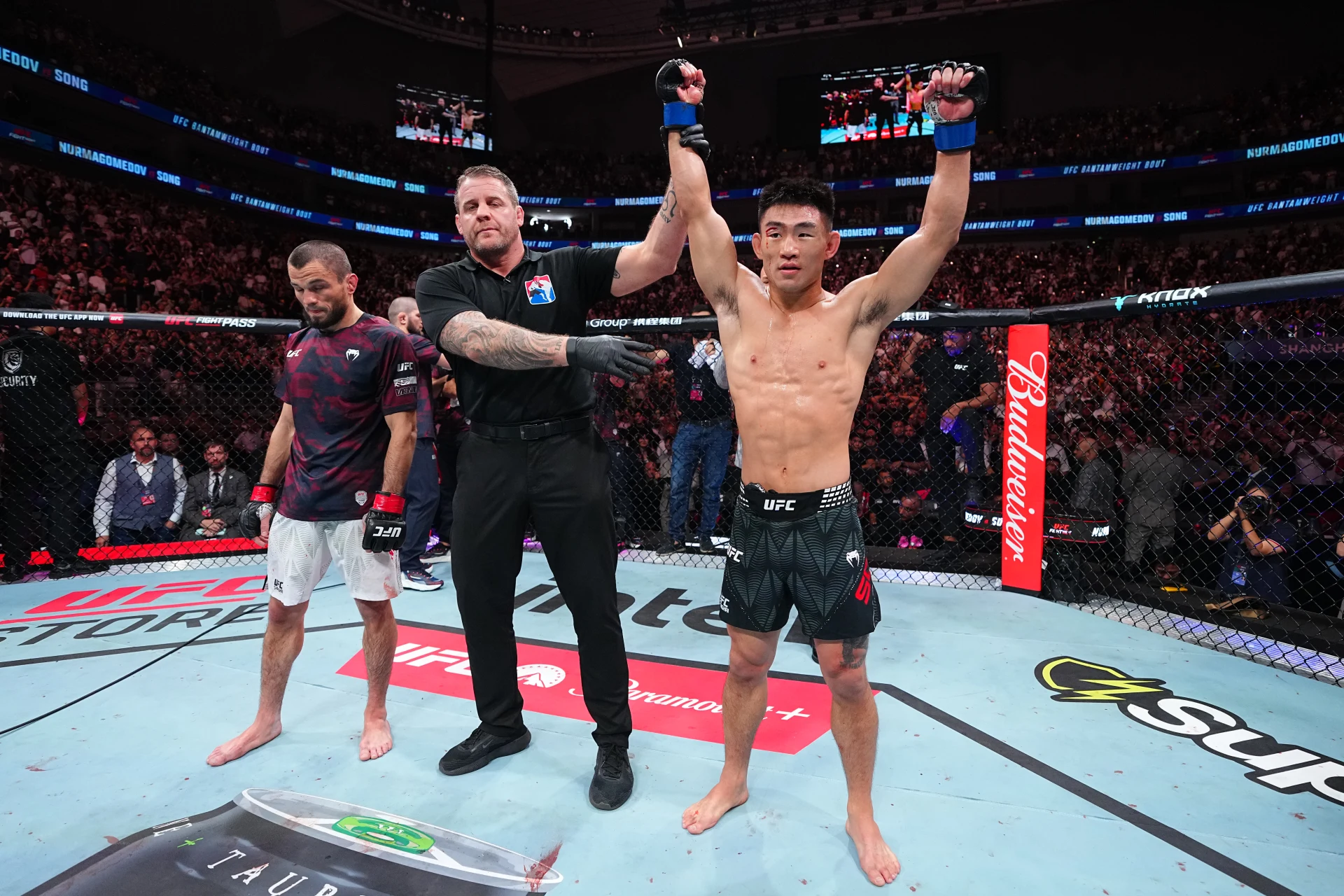
There was a reason Song Yadong's name surfaced immediately after Yan's title defense. Song had been in the building in Abu Dhabi, and his knockout of Umar Nurmagomedov in Shanghai earlier in 2026 was the kind of emphatic performance that changes a contender's standing. He was not merely an available face for a broadcast camera; he had created fresh sporting momentum in one of the UFC's most unforgiving divisions.
Daniel Cormier subsequently explained that the broadcast production team was preparing to show Song in the crowd, which prompted the on-air reference to him as a possible opponent. That clarification matters. A television cutaway is not a formal UFC matchmaking announcement, and a commentator identifying a fighter in attendance does not prove the promotion has made its choice. It also does not erase the possibility that Song is genuinely being considered.
O'Malley's response was to reduce the comparison to head-to-head results. Yan already defeated Song in 2024, and O'Malley beat Song earlier in 2026. If both men have beaten the same challenger, O'Malley argues, there is little sporting logic in making Yan repeat a matchup while the former champion waits. It is a clean argument for a microphone, but it is not the whole ranking system. Timing, the quality of recent wins, health, opponent availability and the champion's own schedule all affect a title decision.
Song's Shanghai knockout is particularly relevant because a highlight finish can carry more immediate promotional force than a narrow decision. His willingness to exchange at speed and punish an opponent entering range makes him a credible threat even if Yan won their first meeting. A fighter's development does not freeze on the night of an earlier loss, and the UFC is entitled to value the most recent version of a contender rather than treat every previous result as permanent.
That leaves a legitimate debate rather than the non-debate O'Malley describes. O'Malley has the stronger rematch narrative with the current champion and a broader audience. Song has a fresh, dramatic statement win and a reason to argue that his next opportunity should not be determined by another man's star power. The important distinction is that neither man's public confidence equals a contract. Until the UFC names the challenger, both cases deserve to be evaluated on what they have actually done, not on which name appeared on a screen first.
The 2022 split decision gives O'Malley his strongest weapon

O'Malley and Yan already have unfinished business in the eyes of many fans. Their October 2022 meeting at UFC 280 was a three-round striking battle that ended in a split-decision victory for O'Malley. Two judges gave him the fight 29-28, while the third preferred Yan by the same score. That narrow margin ensured the result would remain part of the conversation long after both fighters moved into different chapters of their careers.
For O'Malley, the win was a breakthrough. It demonstrated that his timing, length and accuracy could work against an established elite bantamweight rather than only against opponents he could comfortably manage at range. For Yan, it was a frustrating result in a contest where his pressure, wrestling and counters gave him an argument of his own. The first fight was close enough that a second would be a sporting event in its own right, not merely a manufactured sequel.
The circumstances have changed considerably. O'Malley went on to win the bantamweight championship by stopping Aljamain Sterling, defended it against Marlon Vera, then suffered consecutive defeats to Dvalishvili. Yan reclaimed the belt and has since reinforced his status by defeating Dvalishvili again. They are no longer a rising attraction meeting a former champion. They are a former champion and a reigning champion who can each point to a direct victory or a belt as proof of standing.
The tactical question is richer as well. In 2022, three rounds rewarded quick reads and short bursts of scoring. A championship rematch would ordinarily be scheduled for five rounds, asking O'Malley to sustain his movement and precision while Yan makes adjustments across a longer contest. Yan's recent title defense showed exactly why that distinction matters: he lost the first ten minutes to Dvalishvili and still found a way to win the final fifteen.
O'Malley must also show he can manage the kind of persistent pressure that disrupted him against Dvalishvili. Yan is a different wrestler and pressure fighter, but he can threaten level changes and force exchanges near the fence. Conversely, Yan would need to navigate O'Malley's long-range weapons and varied looks without allowing the American to bank rounds behind the jab and counter right hand. The rematch sells itself because the result is genuinely uncertain, not because the fighters are guaranteed to recreate the same 2022 drama.

O'Malley wants a main event, not just another title shot
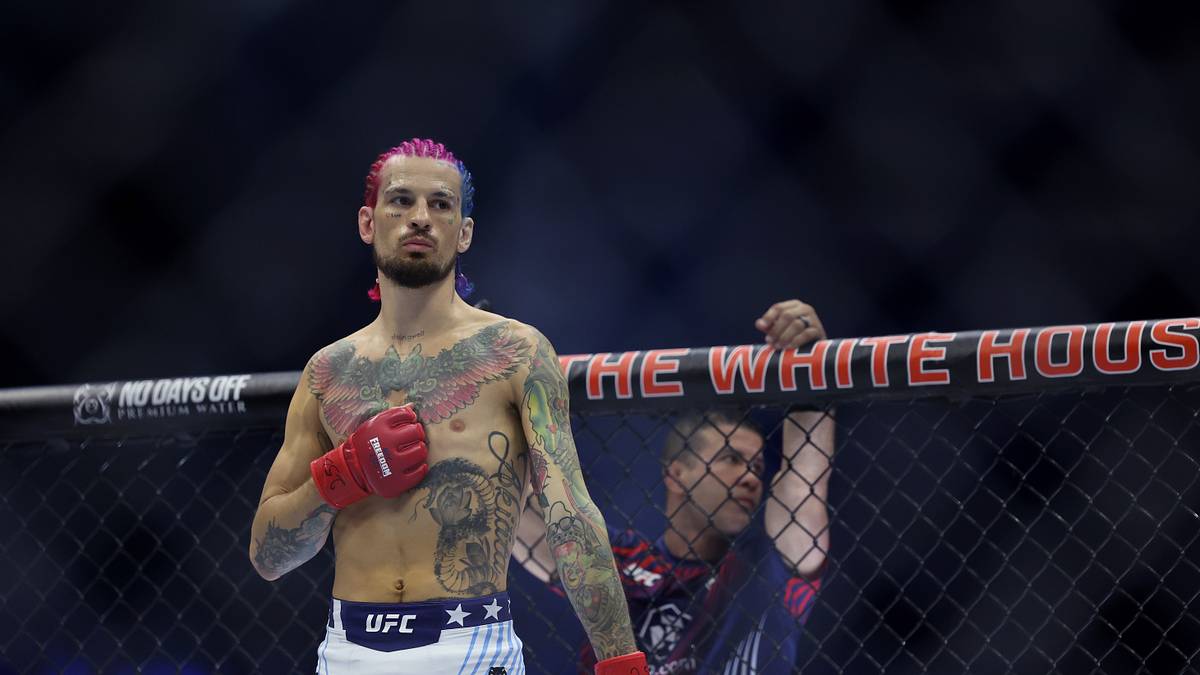
O'Malley is not pitching a quiet title defense tucked beneath a larger attraction. He believes a rematch with Yan can headline a major UFC event and become the most significant bantamweight matchup the promotion has staged. That claim reflects the way he sees his value: not only as an athlete with a prior win over the champion, but as a personality who can turn a technically fascinating fight into a broader conversation.
There is a credible business case. The first meeting produced a disputed scorecard and memorable exchanges. Yan now holds the title. O'Malley has already been a champion and remains one of the division's most recognizable names. A rematch can be explained in a sentence to a casual fan, while a detailed technical preview can satisfy viewers who follow every adjustment in the cage. That combination is valuable when a promotion is choosing which contest receives the largest stage.
But there are limits to the argument. A fighter predicting record interest is not the same thing as independently verified audience projections, and no date, venue or official bout agreement has been announced. It would be premature to write as though the UFC has guaranteed a main event or as though Song has been formally rejected. O'Malley's certainty is a negotiating posture and a genuine expression of belief; the promotion still controls the final decision.
Yan also has a say in the practical timeline. A five-round title defense against Dvalishvili is demanding even when the winner appears composed afterward. Recovery, medical clearance and camp scheduling can matter as much as the promotional appeal of the next opponent. O'Malley has said he is comfortable waiting rather than campaigning frantically, but waiting has a cost in a division where another contender can produce a spectacular win at any moment.
The most sensible way to assess the title race is to separate three questions. Who has the strongest competitive case? Who offers the most compelling new challenge to Yan? And which pairing gives the UFC the best headline? O'Malley may lead the third category and has a serious argument in the first two. Song is not without merit, and Yan's preference remains unknown. Until the contract is signed, the rematch is the leading argument from one contender, not a settled piece of the calendar.

O'Malley has made the next bantamweight title decision difficult to ignore. His past win over Yan, renewed momentum in 2026 and promise of a major headliner make a rematch attractive. Song Yadong's knockout of Umar Nurmagomedov gives the alternative case substance, while Yan's comeback against Dvalishvili proves the champion will not be an easy prize for either man.
The UFC now has a choice that should be decided by more than a television cutaway or a confident interview. O'Malley versus Yan would be a compelling championship sequel. It simply is not official yet.

















