

Edwards Drops 47, Mitchell Steals OT — Wolves' Perfect Start Ends
GOATIFYAnthony Edwards scored 47 points. Minnesota led by 15. And with less than four seconds left in overtime, the Timberwolves still had a clean chance to pull level. None of it was enough. Donovan Mitchell's late jumper, a defensive stand from Peyton Watson and a crucial stretch from James Harden helped Cleveland escape with a 127–125 win on October 26, handing Minnesota its first defeat of the 2026–27 season.
This was more than an entertaining early-season finish. The Timberwolves arrived having beaten three opponents by at least 20 points apiece; the Cavaliers had already endured one spectacular blown lead of their own. For nearly an entire night, both teams looked capable of controlling the game and incapable of putting it away. The final minutes offered a sharper answer about which players could create a stop, an advantage or a shot when every possession became uncomfortable.
Edwards Scored 47 — and Cleveland Still Found a Way

Minnesota's unbeaten start was not built on narrow escapes. The Timberwolves had opened with three emphatic victories, combining Edwards' scoring with disruptive defense and a rotation that looked comfortable attacking in transition. In Cleveland, that confidence was immediately visible. Edwards put up 11 points in the first quarter, Minnesota led 31–24 after twelve minutes, and the advantage reached 15 in the second period. By halftime, the visitors were ahead 60–50, with Edwards already on 20. For a team playing the second night of a back-to-back, it was an aggressive opening statement.
Edwards did not simply accumulate points while the game was already decided. He was the central offensive option when Minnesota needed to keep its advantage alive, especially late in regulation and overtime. He scored on consecutive possessions to move the Timberwolves ahead 108–104 with under two minutes remaining. He then answered Cleveland's extra-period pressure with another three-pointer to tie the game at 121. His final total was a season-high 47, the seventh regular-season game of his career in which he had reached that number. It was a star performance against a team with genuine defensive talent.
But a huge individual total can obscure the cost of possessions that end without a useful shot. Minnesota had opportunities to finish the game before the final buzzer. LaMelo Ball contributed 11 points but committed seven turnovers, while Rudy Gobert collected 20 rebounds and failed to convert any of his nine field-goal attempts. That is a difficult imbalance when Edwards is drawing most of the defensive attention. Cleveland could devote extra effort to denying him the decisive attempt because other possessions were not consistently producing the same threat.
The last sequence made the difference painfully clear. After Mitchell's overtime jumper, Minnesota had a chance to tie, but Edwards missed an open three. Watson secured the rebound and converted both free throws. Edwards then hit a long three at the buzzer, turning the final score into a two-point margin without changing the outcome. It is too early to call this a structural Minnesota problem, particularly after three convincing wins. It is fair to say that Edwards' brilliance alone did not guarantee the shot quality, ball security or secondary creation required to win a game this close.

Harden's Comeback Started Long Before the Final Floater

Cleveland did not win because it suddenly discovered a flawless offense. It won because its veteran guards kept the game alive long enough for the defense to matter. Harden entered the night still trying to establish his rhythm in the new season, and Minnesota's early lead threatened to turn another uneven Cavaliers performance into a discouraging result. The turning point came after halftime, when Cleveland stopped allowing the Timberwolves to dictate every possession and started creating pressure at the other end.
A 12–0 Cavaliers run in the third quarter erased the advantage and briefly put the home team ahead 70–69. Harden scored eight points during that burst. The shift was important not merely because the scoreboard changed, but because Minnesota's offense could no longer operate as if every mistake would be forgiven by another Edwards basket. Cleveland began to string together productive possessions, force the visitors to respond and turn a seemingly one-sided contest into a series of increasingly difficult decisions. The third period ended tied at 86, leaving the final result completely open.
Harden finished with 19 points and nine assists, and the most memorable basket came when regulation was almost gone. With Cleveland trailing, he drove into the lane and converted a short floater with about ten seconds left to make it 113–113. It was a shot that required timing more than spectacle. He did not have to outscore Edwards; he had to create a reliable attempt when the defense was waiting for Mitchell. The Cavaliers then produced the stop that sent the game into overtime, a sequence that made Harden's late scoring count for far more than two points.
The bigger takeaway is about shared responsibility. Mitchell supplied 26 points and seven assists, Mobley contributed 18 points and ten rebounds, and the bench gave Cleveland something valuable when the starters were struggling. None of those contributions was enough in isolation. Together they prevented the Cavaliers from falling into the trap of asking their leading scorer to win every possession. This is the model Cleveland needs if its high-profile roster is going to survive a long season: two capable late-game creators, credible frontcourt support and enough defensive effort to make a single stop matter.
Watson's Block and Mitchell's Jumper Decided the Night

A 47-point scorer can make a defense look helpless for most of a night. The difference between surviving that performance and losing to it often comes down to one defender being in the right place. Watson provided that moment at the end of regulation. After Harden tied the score, Edwards attacked again, but Watson blocked his attempt in the closing seconds. Cleveland had earned an extra five minutes instead of leaving the floor with another close loss. That defensive play was every bit as important as the shot that would eventually decide the contest.
Watson's impact extended beyond one highlight. He finished with 15 points and eight rebounds, offering the Cavaliers a bigger, more mobile option to throw into a late-game lineup. His ability to contest without giving up the play was especially valuable against a Minnesota attack that kept forcing switches and putting pressure on the rim. Cleveland's offense is built around recognized names, but the difference between an expensive collection of stars and a functioning contender can be the work of players who do not dominate the scoring column.
In overtime, Edwards again threatened to turn the night in Minnesota's favor. His three-pointer leveled the score at 121. Mitchell then found a midrange opening and made a fadeaway jumper with 48 seconds remaining to put Cleveland in front for good. It was not the longest shot or the loudest play of the evening, but it was the most decisive. Mitchell finished with five points in overtime and 26 overall, demonstrating why a late-game scorer who can get to a familiar spot is so valuable when a defense has taken away easier options.
The final possessions also showed why a clutch basket needs a defensive finish. Harden added two free throws, Minnesota still had a chance to tie, and Edwards' open three missed. Watson collected the rebound and made both foul shots, pushing the Cavaliers' lead to five. Edwards hit the last shot of the game, but the clock had already made it meaningless to the result. Cleveland did not completely shut down its opponent's best player. It made the few stops it absolutely needed, and it paired those stops with composed execution at the other end.

Thomas' Debut and Mobley's Support Expose the Real Test Ahead
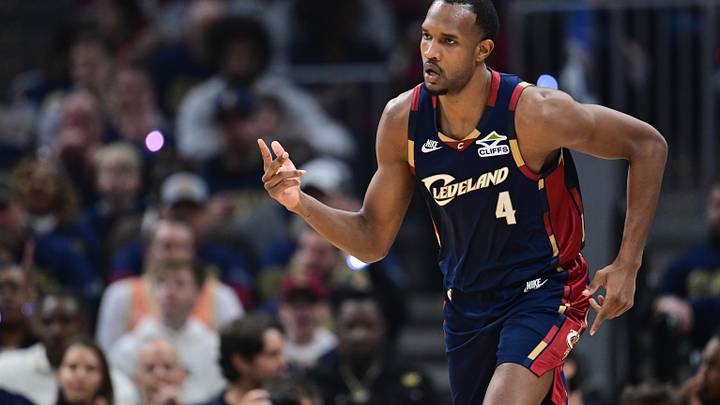
The obvious names dominated the finish, but Cleveland might have learned just as much from its younger contributors. Meleek Thomas scored 16 points off the bench in his NBA debut, including ten in the first half when the Cavaliers badly needed another source of offense. A rookie producing that kind of contribution against a confident opponent is not proof of a finished rotation, but it is exactly the sort of early evidence that can change how a coach distributes minutes. Thomas gave Cleveland a reason to keep searching for answers beyond its most established players.
Mobley's contribution was less dramatic but equally relevant to the team's balance. He added 18 points and ten rebounds, providing an interior presence while Mitchell and Harden handled much of the late creation. The Cavaliers need that division of labor. When their guards are forced to score and organize every possession, opponents can load up on the perimeter. When the frontcourt finishes plays, rebounds and keeps the defense honest, the guards get more workable options. A close win against Minnesota offered a useful example of how those pieces can support each other even on a night when the offense is far from perfect.
Minnesota's loss requires a different kind of perspective. The Timberwolves were 3–0 before tipoff and had not been remotely threatened in the same way during their opening three wins. Edwards remained brilliant despite entering the game with his right knee under daily evaluation. Gobert's rebounding was significant, and Minnesota created a double-digit first-half lead on the road. Those positives do not disappear because one overtime game went the wrong way. Yet the 47-point scoring night also exposed a vulnerability: the team needs steadier decisions and contributions around its leading star when the game becomes a possession-by-possession contest.
Both teams now face the more meaningful challenge of repetition. Cleveland cannot expect a last-second block and a perfectly timed jumper to rescue every inconsistent start. Minnesota cannot assume that a 20-point scoring margin from its first three games will carry over against elite opposition. The Cavaliers host Washington next, while the Timberwolves return home to face Golden State. The standings in late October are not the point. The question is which habits survive once opponents study these sequences, take away the first option and force the supporting cast to decide a close game.
Cleveland's 127–125 overtime victory was a reminder that the highest scorer does not always own the most important possession. Edwards supplied the spectacular total, but Harden kept the Cavaliers close, Watson saved regulation and Mitchell delivered the jumper that Minnesota could not answer. Thomas and Mobley helped ensure there was still a game to win.
For the Timberwolves, one loss should not erase a strong start. It should sharpen the next question: when Edwards draws every defender's attention, who turns that pressure into a clean finish? Cleveland answered its version of that question with several players, not one. That is why this narrow October win might matter beyond the final score.



















