Jalen Duren Headlines the 10 Best NBA Free Agents Still Available Before 2026-27
GOATIFYThe busiest part of the NBA offseason is over, but the free-agent market is not empty. Most teams have already built the core of their 2026-27 rosters, and several of the summer’s biggest moves are complete. Yet a surprisingly useful group of players remains available as training camp approaches.
The list is headlined by Detroit Pistons center Jalen Duren, whose situation is different from everyone else because he is a restricted free agent coming off an All-Star season and an All-NBA Third Team selection. Behind him are proven role players such as Bruce Brown Jr., Gabe Vincent and Kevin Love, younger reclamation candidates like Ochai Agbaji and Cam Thomas, and frontcourt options including Kelly Olynyk and Julian Reese.
Some of these players will land guaranteed deals before the season. Others may have to accept an Exhibit 10 contract, a minimum deal or a smaller role than they expected. The important part is that each still offers something an NBA roster can use.
Jalen Duren Is the One Free Agent Who Could Still Change a Team’s Long-Term Plan
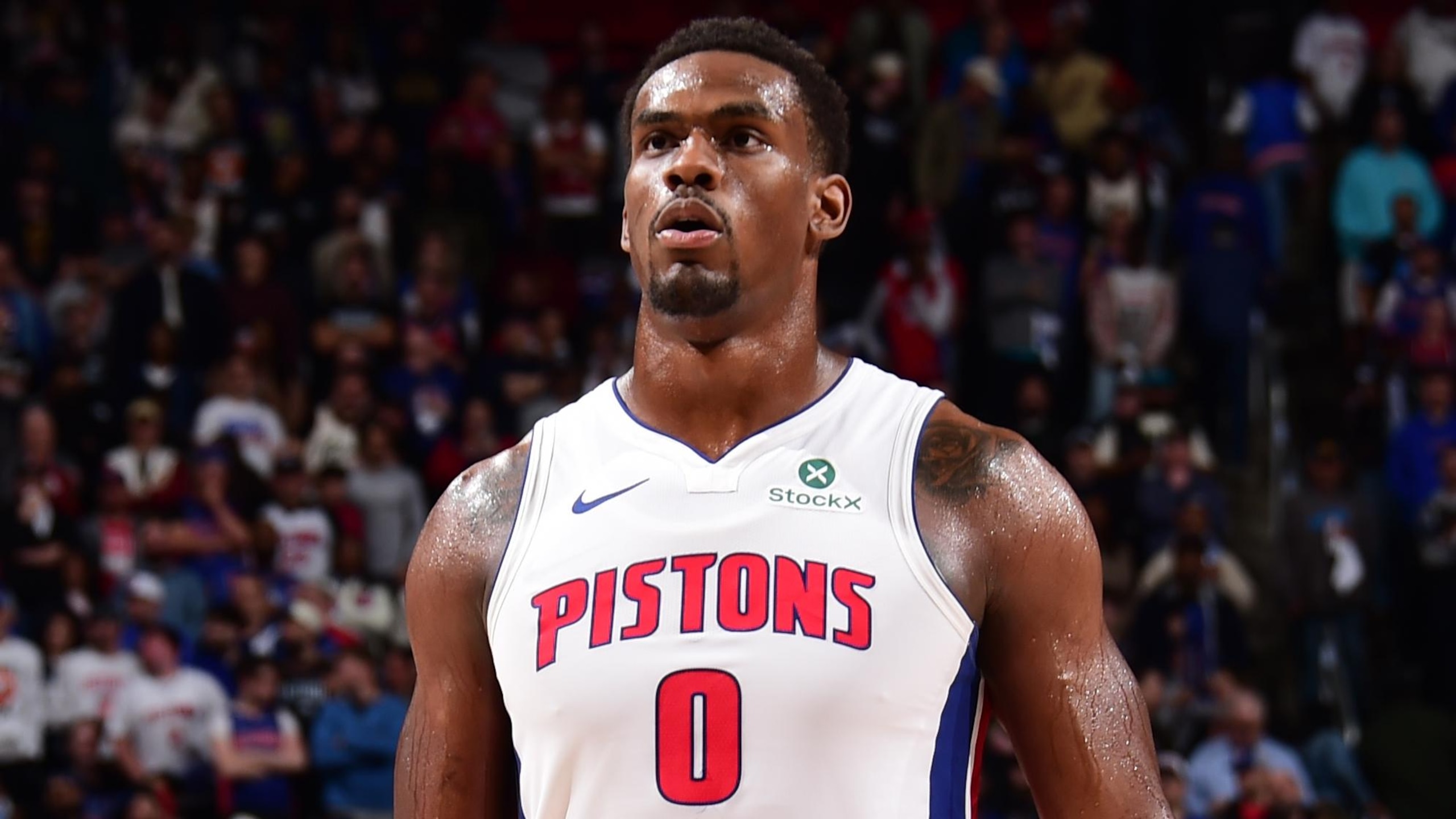
Duren is not a normal September free agent. He is 22 years old, coming off the best season of his career and remains under Detroit’s control as a restricted free agent. That gives the Pistons leverage, but it does not make the negotiation simple.
Duren averaged a career-best 19.5 points per game last season while helping Detroit finish 60-22, the best record in the Eastern Conference. He also made his first All-Star team and earned Third Team All-NBA honors. His growth has not been limited to finishing around the rim. He became a more reliable defensive presence, improved his positioning and played a central role in one of the conference’s toughest teams.
The playoff production was less dominant, which gives Detroit at least some reason to resist a maximum-level commitment. But the larger question is what a young center with Duren’s résumé should cost before he reaches his prime. A long-term deal would lock in one of Cade Cunningham’s most important partners. Letting the situation drag into the season would create a contract storyline around a team that expects to contend again.
If no long-term agreement arrives, Duren can play on a one-year qualifying offer worth roughly $9.6 million. That path would be unusually risky for a player with this much value, but it would also give him a route toward unrestricted free agency later. Detroit therefore has more incentive than a normal team with restricted rights to find a number both sides can live with.

Bruce Brown Jr. and Gabe Vincent Are the Most Obvious Win-Now Guard Options
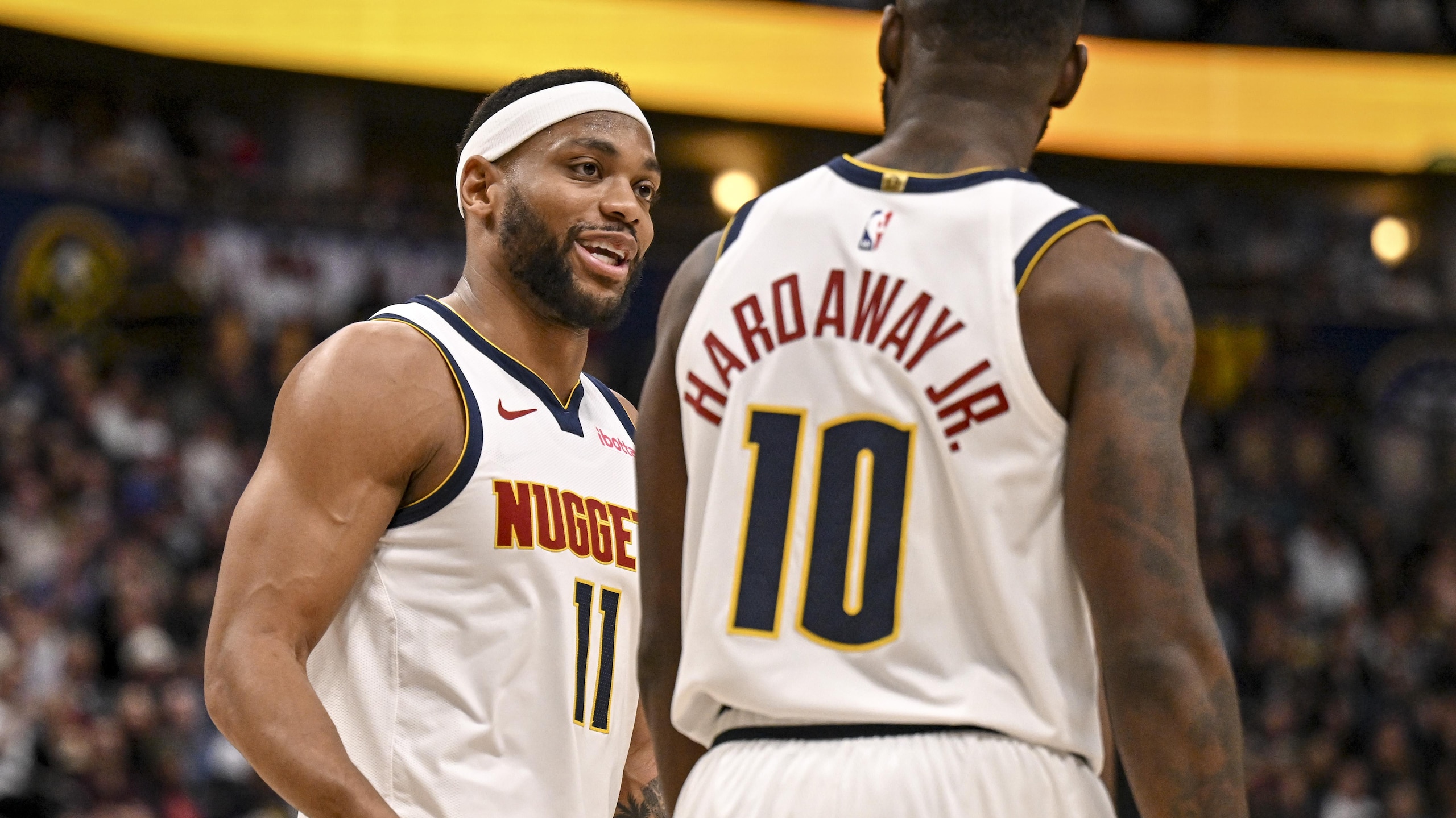
Brown has already shown exactly why contenders value him. He can defend guards and wings, operate without dominating the ball, cut into open space and make enough perimeter shots to avoid shrinking an offense. His championship season with Denver remains the clearest example of how well his skill set can translate to a high-level playoff team.
He returned to Denver on a minimum deal and shot 38.1 percent from three last season, but the Nuggets’ luxury-tax situation complicates a reunion. After other roster additions, keeping Brown as a 15th player would cost far more than his salary alone because of tax penalties. That could make him available to a contender looking for one final rotation piece.
Vincent offers a different version of veteran guard help. His best stretch came with Miami, where his defense, toughness and willingness to take difficult playoff shots made him a trusted part of a Finals team. His later run with the Lakers was less consistent, and his three-point percentage fell after a move to Atlanta.
Still, teams are not shopping for perfection in September. They are looking for players who can survive meaningful minutes, understand scouting reports and keep an offense organized when starters rest. Vincent has done that before. Miami also remains an obvious stylistic fit because the Heat know him well and could use additional point-guard depth.
For both players, the question is role as much as money. A contender offering 15 dependable minutes and a realistic playoff path may be more attractive than a slightly larger role on a rebuilding team.
Kevin Love and Ochai Agbaji Offer Opposite Bets on Experience and Upside
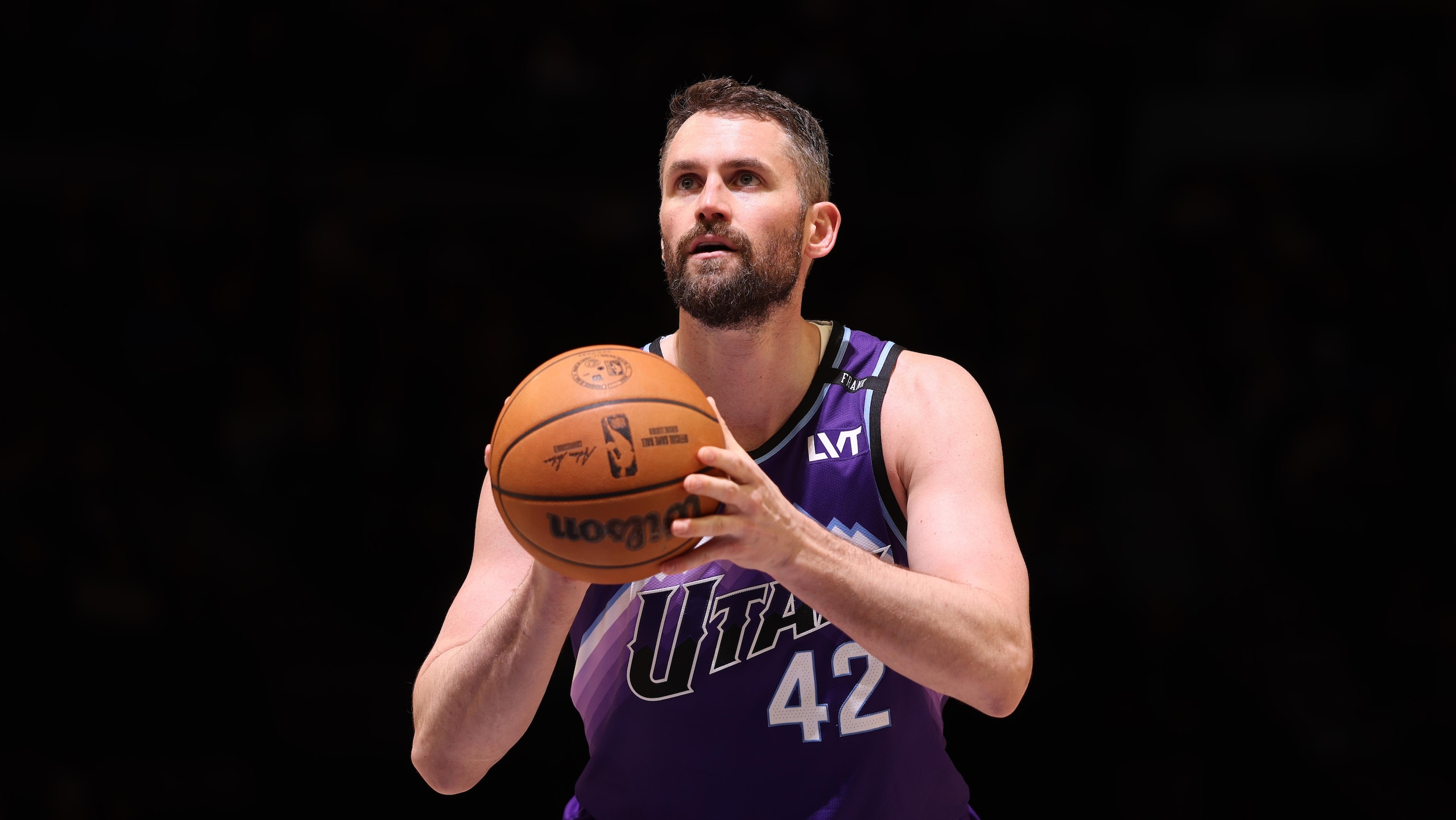
Love is one of the oldest players still on the board, but his case is easy to understand. He is a former champion, an experienced playoff performer and a big man who can still stretch the floor. He averaged only 16.6 minutes off the bench for Utah last season, which is probably close to the workload a new team should expect.
Minnesota remains the sentimental fit. Love began his career with the Timberwolves in 2008 and developed into one of the league’s most productive forwards before moving to Cleveland. A return would give him a chance to finish where he started while joining a team with legitimate postseason ambitions.
The obstacle is financial. Even a modest contract can become expensive for a tax-paying contender. Minnesota must decide whether the basketball and locker-room value is worth the additional tax bill.
Agbaji is almost the reverse case. At 26, he is still young enough for a team to believe there is another productive chapter ahead. His shooting fell sharply last season, dropping to 26.6 percent from three before improving after a move to Brooklyn. That recent improvement matters because the rest of his profile—size, athleticism and defense—works much better if defenses must respect his jumper.
A team signing Agbaji is not buying a finished product. It is betting that his 39.9 percent three-point season with Toronto was closer to his real level than the slump that followed. That is exactly the kind of gamble teams make with late roster spots because a bounce-back year can turn a minimum signing into a useful two-way wing.

Julian Reese, John Konchar and Dalano Banton Can Still Win Useful Depth Roles
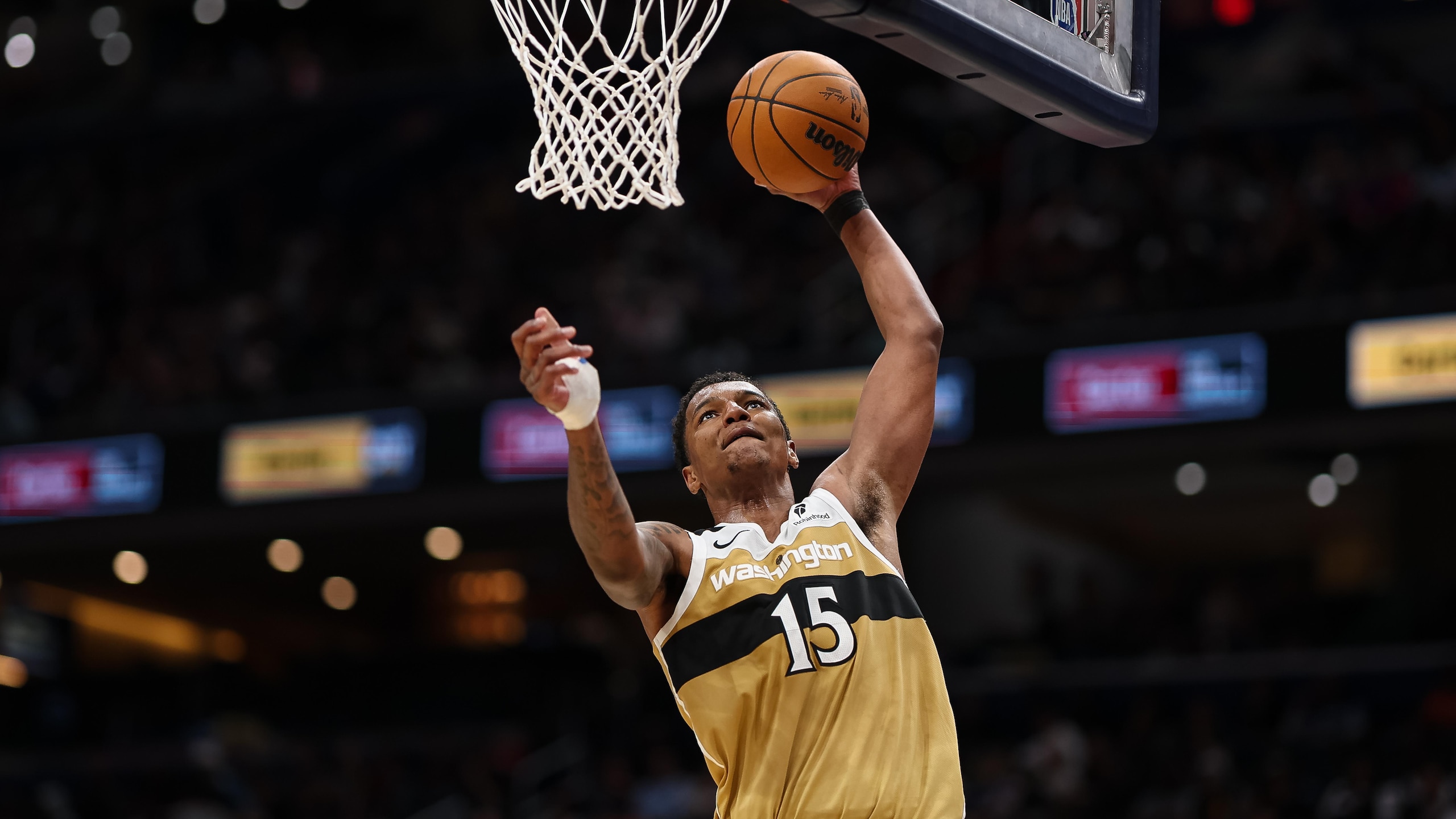
Reese is one of the more interesting names because his NBA sample is small but productive. In 13 games with Washington, including 10 starts, he averaged 11.8 points and 10.5 rebounds in almost 31 minutes per game. Those numbers do not guarantee a full-time rotation role, but they are enough to justify another look.
Denver acquired Reese during a multi-team trade and later released him from his two-way contract, reopening the market. At 6-foot-9 he is undersized for a traditional center, but his mobility and rebounding create a clear path to value. Teams with developmental roster spots should see him as more than a camp body.
Konchar is the safer veteran option. He spent most of his career in Memphis, then moved through Utah and Minnesota. The Timberwolves waived and stretched his salary while creating flexibility for Jonathan Kuminga. That transaction says more about Minnesota’s cap priorities than Konchar’s ability to help an NBA bench.
He is a capable reserve guard, a strong locker-room presence and the kind of player coaches trust to execute a role without needing touches. Miami is another logical destination because the Heat have a need for guard depth and tend to value experienced role players who defend and make quick decisions.
Banton is the most unusual of the three. At 6-foot-8, he can handle the ball like a point guard and gives a team size at the point of attack. His career 30.3 percent three-point shooting remains the obvious limitation. If the shot stays below average, opponents can shrink the floor. If it improves even modestly, his length and ball-handling become far more interesting.
That makes an Exhibit 10 or G League path realistic. Banton may need to earn his way back onto a standard roster, but his physical profile is rare enough that teams will keep evaluating him.
Cam Thomas and Kelly Olynyk Are Still Useful, but Their Best Fits Are Very Specific
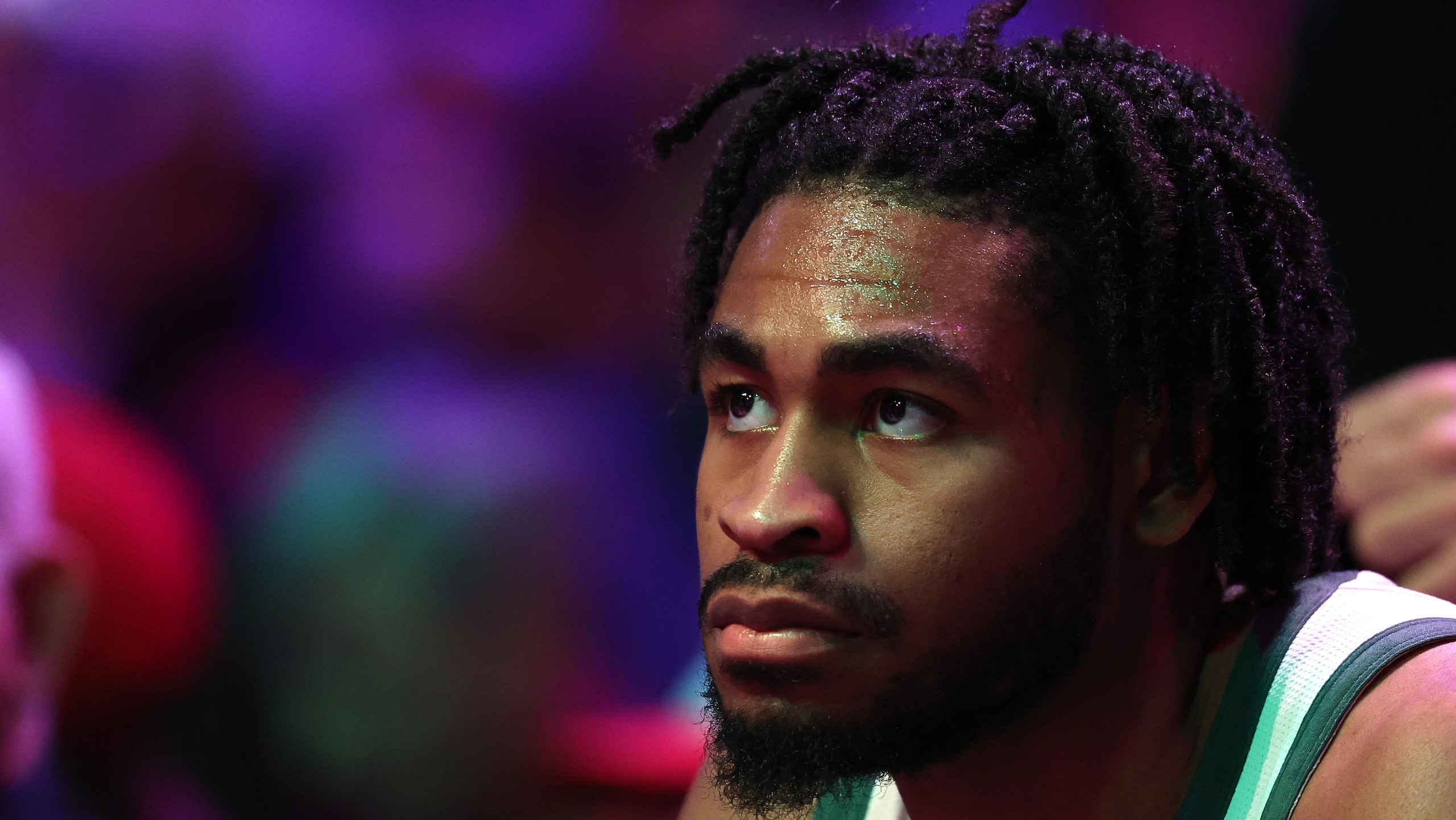
Thomas remains one of the league’s strangest free-agent evaluations because his best skill is obvious. He can score. He has produced big individual nights, created difficult shots late in possessions and previously averaged 24 points per game in Brooklyn.
The problem is that scoring alone has not convinced teams to build a role around him. Brooklyn moved toward a younger developmental direction, and a short stay with Milwaukee did not become a lasting fit. Across 42 games last season, Thomas averaged 13.5 points, a steep drop from his previous scoring peak.
His next opportunity may require a different framing. Rather than asking whether he can be a primary option, a team may need to use him as a bench scorer whose minutes expand when the offense stalls. That role requires accepting fewer shots on some nights and contributing enough elsewhere to stay playable.
Olynyk has almost the opposite résumé. Nobody is signing the 35-year-old to carry an offense. His value comes from understanding space, moving the ball, stretching a defense and helping younger teammates function. He barely played for San Antonio’s Finals runner-up last season, but veterans can matter even when their box-score impact is limited.
A contender that needs a third center, or a rebuilding team that wants a steady veteran around young bigs, could make sense. The role would be modest. The expectation would be professionalism, occasional shooting and enough positional intelligence to keep second units organized.
That is the broader theme of the remaining market. Duren is the only player here who could still command a major long-term contract. Everyone else is searching for fit. Brown needs a contender that can justify the tax. Vincent needs a team that values his playoff experience. Love needs a place where a small role still carries meaning. Agbaji needs a shooting rebound. Reese needs another development opportunity. Konchar and Banton need teams that value their specific utility. Thomas needs a scoring role with clear boundaries. Olynyk needs a roster that wants a veteran big.
The names may not dominate the offseason anymore, but several of them will matter once injuries, camp battles and early-season weaknesses begin creating roster needs. September free agency is often less about finding stars and more about finding the right answer to one specific problem.