Verstappen Says F1 Is Less Stressful Without Horner — but His Red Bull Future Is the Bigger Story
GOATIFYMax Verstappen says Formula 1 feels less stressful since Christian Horner left Red Bull, but the more important part of his latest interview is what that calmer environment means for his future. After signing a new four-year deal, Verstappen is framing the next phase of his career around competitive performance rather than team politics, prestige or nostalgia.
Verstappen does not miss the political temperature of the Horner era
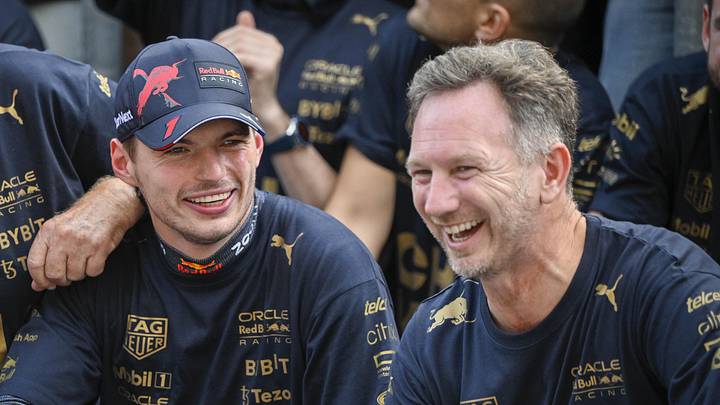
For years, Red Bull's competitive identity was inseparable from confrontation. Horner's public rivalry with Toto Wolff became one of the defining subplots of the 2021 title fight, and later tensions with McLaren chief Zak Brown kept the team-principal battle running even when the competitive order changed. Verstappen was often at the center of the sporting consequences even when he was not the person escalating the politics.
His latest comments draw a useful distinction between entertainment and working environment. Fans may enjoy the sharp press-conference lines and public feuds, but drivers and team staff already operate under enormous pressure. Verstappen's preference is straightforward: if the racing is intense, the relationships around it do not also need to be hostile.
That does not amount to an attack on Horner's record. Verstappen won four championships with him in charge and says Horner has already shown what he can do. What has changed is the driver's appetite for being pulled into speculation about what his former team principal does next. Horner has spoken about unfinished business and has been linked with a return, including the possibility of Ferrari. Verstappen's response is essentially that it is no longer his problem.
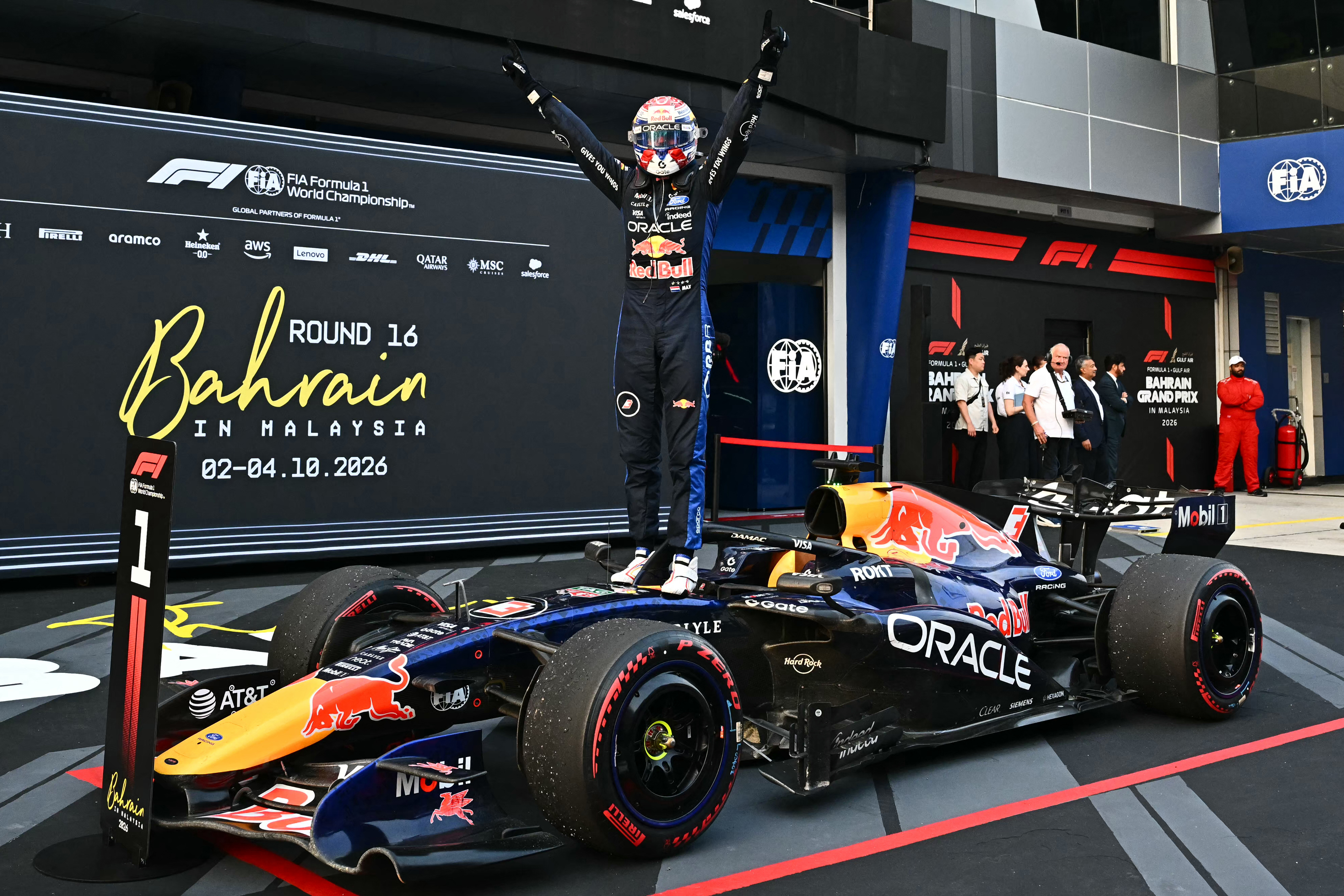
That separation matters for Red Bull under Laurent Mekies. The team has spent 2026 trying to stabilize a difficult new-regulation campaign while also bedding in its first in-house Formula 1 power unit. Verstappen's breakthrough victory in Malaysia was Red Bull's first win of the season and the first for the new power-unit project. A calmer political backdrop does not make the RB22 faster by itself, but it gives the organization fewer distractions while it tries to rebuild its competitive base.
Winning, not nostalgia, is Verstappen's test for the next four years
The more revealing part of Verstappen's interview was not really about Horner. It was about why he stayed at Red Bull and what could eventually make him leave Formula 1 altogether.
Verstappen said he had spoken with other teams, including McLaren, before signing his new four-year Red Bull deal. He also made clear that Ferrari's history alone would not persuade him to move. His test is brutally simple: can the car win? A famous badge is not enough if it means circulating in fifth or sixth place.
That position helps explain why Red Bull's current rebuild appeals to him. Verstappen already has the championships, the wins and the status. What he does not have is much reason to chase a romantic career chapter for its own sake. Taking the team that became his second family through a difficult regulation reset and back toward the front offers a competitive challenge that a prestige move might not.
Malaysia gave that project its first major proof point. Verstappen won from pole in chaotic wet conditions, taking his 72nd career victory and Red Bull's first of 2026. Singapore is a very different test, and one win does not erase the gap to dominant Mercedes, but the result showed that the new Red Bull era can still produce a car capable of converting an opportunity.
His comments about retirement fit the same logic. Fernando Alonso has extended his career beyond 46, but Verstappen does not expect to follow that model. He wants to reassess after this contract and ask whether he can still commit completely. If the answer is no—or if family life and other forms of racing become more compelling—he is prepared to stop.
That makes the calmer paddock more than a throwaway observation. Verstappen is no longer talking like a driver who will tolerate every part of Formula 1 indefinitely just because Formula 1 is the biggest stage. He wants winning machinery, a team environment worth investing in and enough space for life beyond the championship. Red Bull's challenge is therefore not simply to keep him under contract. It is to make the next four years competitive enough that the rebuild continues to feel worth his time.
There is also a practical reason the performance-first approach matters now. Verstappen enters Singapore outside the championship fight despite finally winning in Malaysia, while Mercedes has controlled most of the season. That removes the temptation to pretend one breakthrough has solved everything. Red Bull can use the remaining races to test whether its recent gains travel from Sepang's fast, open layout to slower and more technical circuits. If they do, the rebuild starts to look structural rather than situational. If they do not, Verstappen's contract still gives the team time, but his own comments make clear that time has to produce competitive progress.

For Red Bull, that makes the assignment unusually clear. Verstappen is committed, but his loyalty is not unconditional: the rebuild has to keep producing evidence that the team can win. Malaysia supplied the first major proof point. The remaining races will show whether a calmer post-Horner Red Bull can turn that breakthrough into a sustainable competitive direction.