Guimarães Left Newcastle in Tears — Arsenal's £75m Bet Is Already Paying Off
GOATIFYBruno Guimarães did not leave Newcastle because the club meant too little to him. By his account, the opposite was true: the decision to join Arsenal cost him sleep, produced a tearful farewell to teammates and forced him to walk away from relationships that had become part of his family’s life. The £75 million transfer looks straightforward on a balance sheet. Emotionally, it was anything but.
Two months later, the Brazilian is beginning to explain why he accepted the pain. Arsenal have already seen him score a winner, influence difficult matches and move between midfield roles alongside Declan Rice and Martin Ødegaard. After Wednesday’s 2–2 Champions League draw at Bayern Munich, Guimarães described a squad that treats even an away draw with a European heavyweight as unfinished business.
His new challenge is not simply to justify a fee. It is to take the edge and personality that made him a Newcastle favourite and fit them into a team chasing the Premier League and Europe at once. That is a compelling test for a player who insists he still wants the same connection with supporters that he left behind on Tyneside.
The Newcastle goodbye was personal — but the squad around him was changing
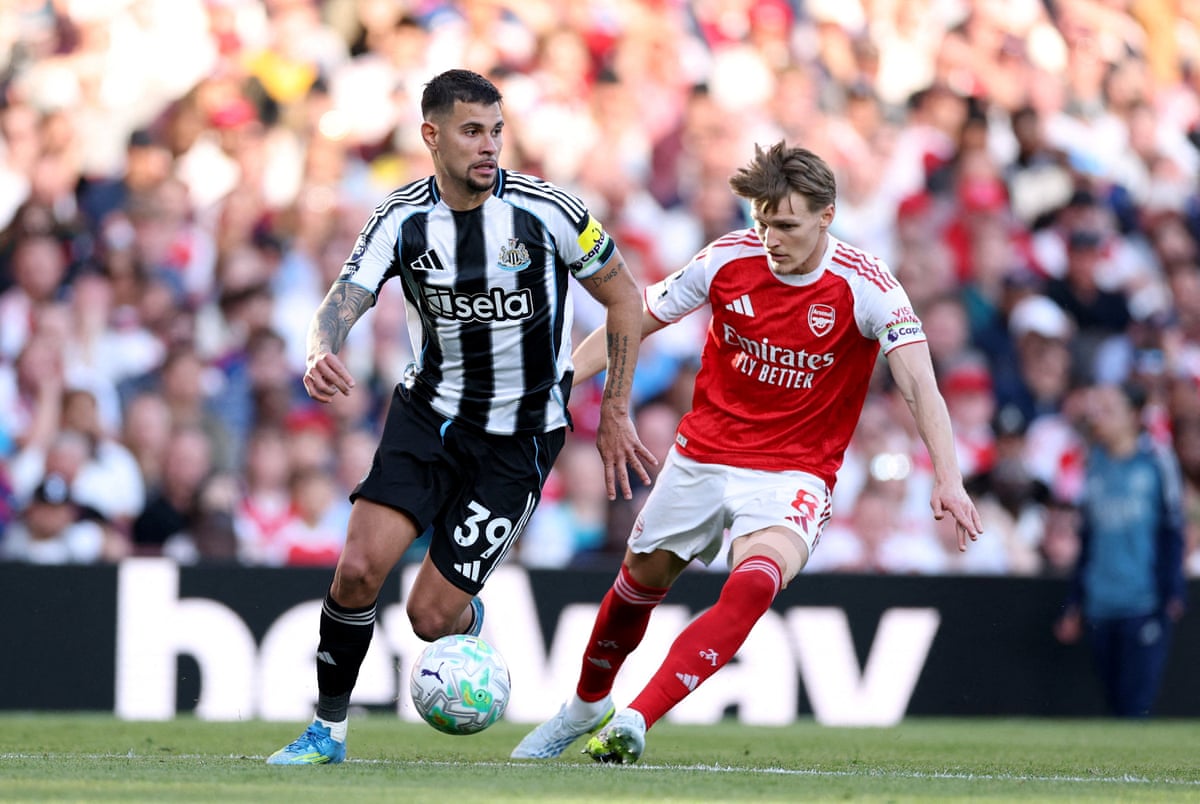
When Guimarães arrived from Lyon in January 2022, Newcastle were still building the foundations of their next era. He became more than a technical upgrade in central midfield. His intensity, willingness to contest every second ball and visible bond with St James’ Park made him a reference point for the team and its supporters. The 2025 Carabao Cup victory was the emotional summit: Newcastle ended a seven-decade wait for a major domestic trophy, and their Brazilian captain helped make that achievement feel possible.
That history explains why a move to another Premier League club was difficult to frame as a clean career step. Guimarães has described the goodbye as an experience that brought him and his teammates to tears. He had built a life around the club, not merely a set of professional appearances. A strong individual World Cup in the summer, overshadowed by a missed penalty in Brazil’s defeat by Norway, added another layer of pressure before he had to decide where the next phase of his career would unfold.
The context mattered. Newcastle were losing important figures in quick succession. Anthony Gordon moved to Barcelona, Sandro Tonali went to Tottenham and Eddie Howe’s tenure came to an end. A side that had climbed into the Champions League and won a trophy was entering a substantial reset. Guimarães could have remained its most recognisable link to the previous era, but he also had an opportunity to join the reigning English champions at a point when he was approaching his prime.
Arsenal paid a reported £75 million for that choice. The fee speaks to his established Premier League quality, but it also reflects how difficult it is to replace a midfielder who can protect the ball, break pressure and set the emotional temperature of a game. Newcastle lost an organiser as well as a fan favourite. Arsenal bought someone expected to change matches rather than simply occupy a position.
The eventual return to St James’ Park will be the most delicate public measure of that separation. Arsenal are scheduled to visit Newcastle on 21 November, giving supporters a chance to see their former captain wearing red. Whether the reception is affectionate, hostile or a mixture of both, Guimarães’ recent comments make one point clear: leaving did not erase what he believes he owed Newcastle.

The first Arsenal goals have already given the transfer a football argument
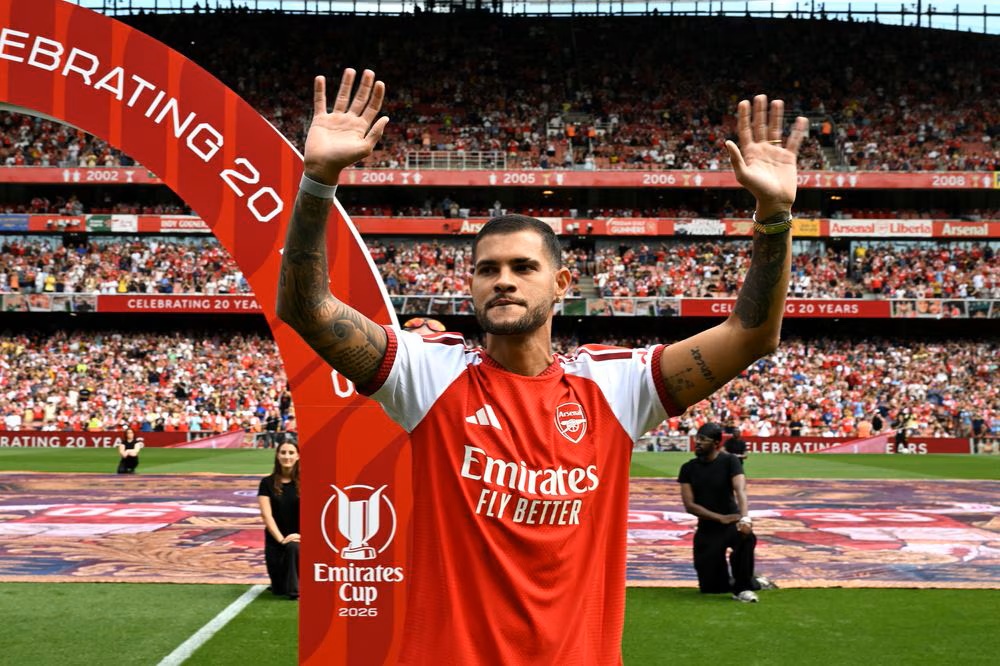
The most convincing way to ease a complicated departure is to make an immediate difference at the new club. Guimarães has begun doing that without needing to dominate every minute. He scored his first Arsenal goal in September’s 2–0 win at Sunderland, a contribution that helped settle a demanding away fixture. On 10 October he followed it with the winner in a 2–1 comeback against Leeds, finishing a move that involved Rice and turning a potentially damaging afternoon into three points.
Those goals are valuable partly because they challenge the narrowest description of his game. Guimarães is often introduced as a combative midfielder who wins duels and moves the ball efficiently, but Arsenal also need runners who can arrive in scoring positions after their forwards have stretched a defence. His timing against Leeds demonstrated that he can be the final player in a move, not just the one who launches it. A £75 million midfielder must contribute to the scoreboard as well as the passing network.
The Champions League trip to Bayern offered a different kind of evidence. Guimarães was close to putting Arsenal ahead in the second half when he met a chance from close range, only for 40-year-old Manuel Neuer to produce a remarkable save. Arsenal eventually drew 2–2 thanks to Rice’s 82nd-minute equaliser. That result is already a significant away performance, but Guimarães spoke afterwards about the frustration of not winning rather than the comfort of escaping defeat.
The numbers underline why the draw was not merely an exercise in survival. Arsenal edged possession at roughly 54 percent and recorded 14 attempts to Bayern’s 13, with both sides putting five on target. The contest was balanced enough that a single intervention could have changed its direction. Neuer’s stop prevented Guimarães from adding another decisive moment to his early Arsenal record, but it also showed the Brazilian reaching a dangerous area against elite opposition.
There is a distinction between being a good signing and being the right signing for this version of Arsenal. The early goals suggest Guimarães can change the rhythm of a match when the team needs a direct intervention. His composure against Bayern suggests he can do so without abandoning the collective structure. Neither guarantees a trophy, and it would be premature to judge a major transfer on a handful of autumn appearances. They do, however, give Arsenal a persuasive early return.
Rice and Ødegaard are turning a crowded midfield into a tactical advantage
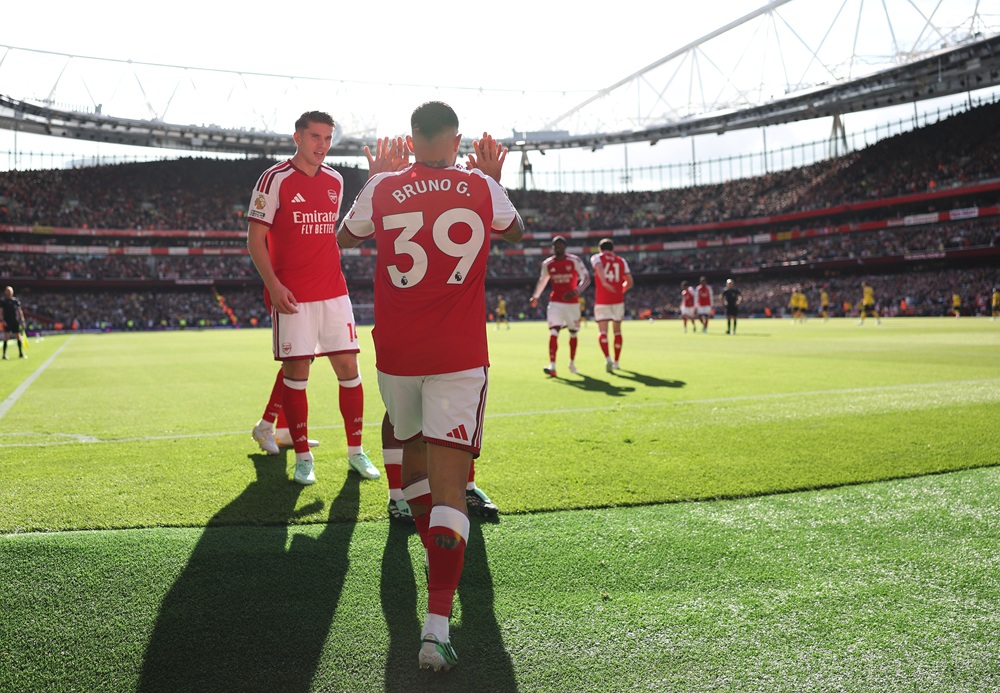
Arteta’s most interesting decision is not whether Guimarães belongs in his best midfield. It is how to arrange the pieces around him. Rice can screen the defence, carry the ball into the next line or attack the penalty area. Guimarães is similarly comfortable receiving under pressure and shifting between deeper and more advanced positions. Ødegaard generally operates further forward, but his movements create spaces that either of the other two can use. A rigid set of job titles would undersell their combined range.
Against Bayern, Guimarães worked more often as the No 6 while Rice moved into the No 8 role. In another match, that relationship can reverse. When Arsenal are protecting a lead, Rice’s ability to cover large areas can make him the natural anchor; when an opponent presses aggressively, Guimarães’ short passing and resistance to contact can help the team play through the first wave. Both can step higher when Arsenal pin a rival inside its own half. The flexibility forces opposing coaches to defend movements rather than one predictable shape.
The pair also have a useful history. Their battles when Guimarães wore Newcastle colours were competitive and occasionally abrasive, yet the Brazilian says Rice welcomed him with a light-hearted message about becoming teammates rather than opponents. That personal reset matters because successful midfield partnerships depend on trust in uncomfortable moments. One player has to know when the other will press, when to cover the vacated space and when to offer a safe passing angle. Those decisions rarely show up in a highlights reel.
Ødegaard provides a different kind of link. His ability to receive between midfield and defence can draw a marker out of position, giving Guimarães a lane to carry forward or Rice a route into the box. It is easy to imagine all three wanting the ball in the same area; the harder task is to make their movements complementary. Arsenal’s staff will continue adjusting the balance, and the competition from other midfield options makes the choices more demanding rather than less.
Arteta’s video-heavy preparation and uncompromising standards appear to appeal to Guimarães. The midfielder has described a dressing room unwilling to settle for a draw even at Bayern. The next immediate test is Everton at home, followed by a run of matches that will require Arsenal to balance domestic expectations with European commitments. The tactical question is whether this midfield can control ordinary league games as effectively as it competes in headline European fixtures.

Guimarães is still learning what it means to belong to Arsenal, and Newcastle supporters are still adjusting to the loss of someone who helped define a successful period. Both feelings can be true. The £75 million transfer was a personal wrench and a sporting opportunity, not an instant rewriting of loyalties.
His first goals, his performance at Bayern and the growing understanding with Rice and Ødegaard suggest Arsenal have acquired more than a familiar Premier League name. The most important evidence will arrive when the season tightens: whether he keeps deciding close matches, whether Arteta finds the right midfield balance and whether the Brazilian can turn early applause into the enduring bond he hopes to build. The November trip back to Newcastle will make that story impossible to ignore.