

Shnaider Outlasts Jovic in Ningbo — Now No. 1 Rybakina Awaits
GOATIFYDiana Shnaider's Ningbo quarterfinal looked in danger before it had properly begun. Iva Jovic had broken the Russian's serve and led 2-0, with chances to extend the advantage. Two hours and 11 minutes later, Shnaider was the player celebrating a 6-3, 4-6, 6-1 victory and a place in Saturday's semifinals against world No. 1 Elena Rybakina.
The score tells only part of the story. The No. 6 seed survived Jovic's cleanest serving stretch, used slices and lobs to change the shape of rallies, and answered the loss of the second set with her most decisive tennis of the afternoon. The result also reversed their February meeting in Dubai and kept Shnaider's hopes of a first 2026 singles title alive. For 18-year-old Jovic, the defeat was a reminder that an opponent's variety can be as dangerous as raw power.
Down 2-0, Shnaider found a different way through
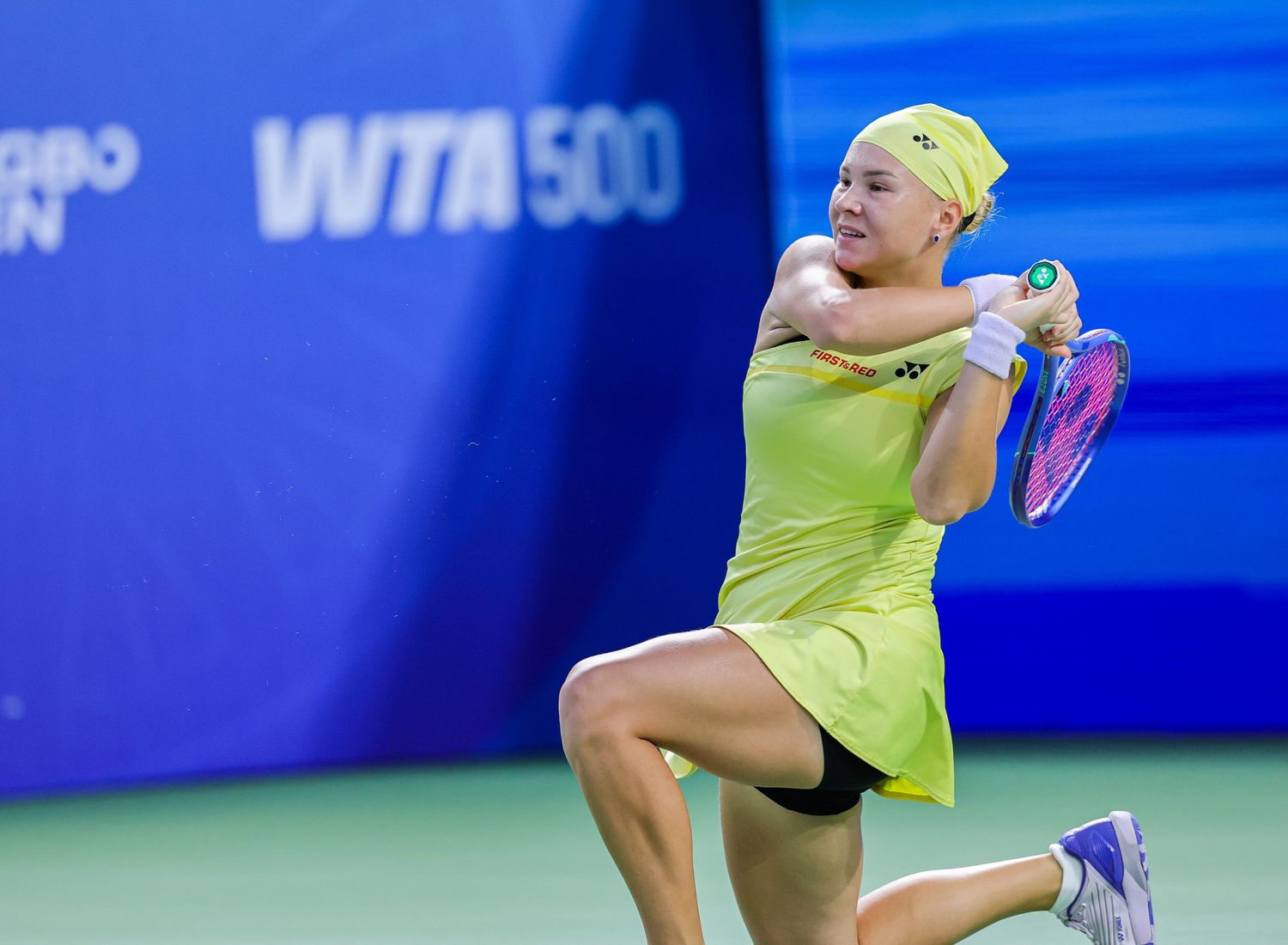
Jovic did not begin like a player who was about to lose the opening set. She broke immediately, held for 2-0 and forced Shnaider to defend several more break points. The Russian faced four chances to fall 3-0 behind and later another two to trail 3-1. Had one of those opportunities been converted, the set could have taken on an entirely different rhythm.
Instead, Shnaider gradually moved the contest away from a predictable exchange of hard groundstrokes. Jovic is comfortable taking the ball early and driving through the court. Shnaider can do that too, but her more effective answer was to vary the height, pace and direction of the next shot. A short slice helped her escape a break point. Later, when Jovic approached the net, Shnaider produced both a passing shot and a lob to deny the American the easy finish she wanted.
That tactical shift is important because the first-set score, 6-3, looks far more routine than the actual opening games. Shnaider had to absorb pressure before she could apply it. Her left-handed patterns naturally ask a right-hander to adjust return and rally positions, but the more meaningful weapon here was uncertainty: would the next ball arrive deep and fast, stay low after a slice, or float over the net-rusher's head?
The response also reflected experience. Shnaider has already played deep into this event in previous seasons, finishing runner-up in 2023 and reaching the semifinals again in 2025. That history does not win a point for her, but it helps explain why an early deficit did not force her into low-percentage swings. She kept searching for a better pattern rather than trying to erase two games with one spectacular shot.
By the end of the set, Jovic's strong start had become a missed opening. The younger player had created the chances, but Shnaider had made the more telling adjustments. In a match between two players ranked close together, that difference in how they managed the uncomfortable moments proved more consequential than the gap between their seed numbers.

Jovic answered with her best set — then lost control of the decider
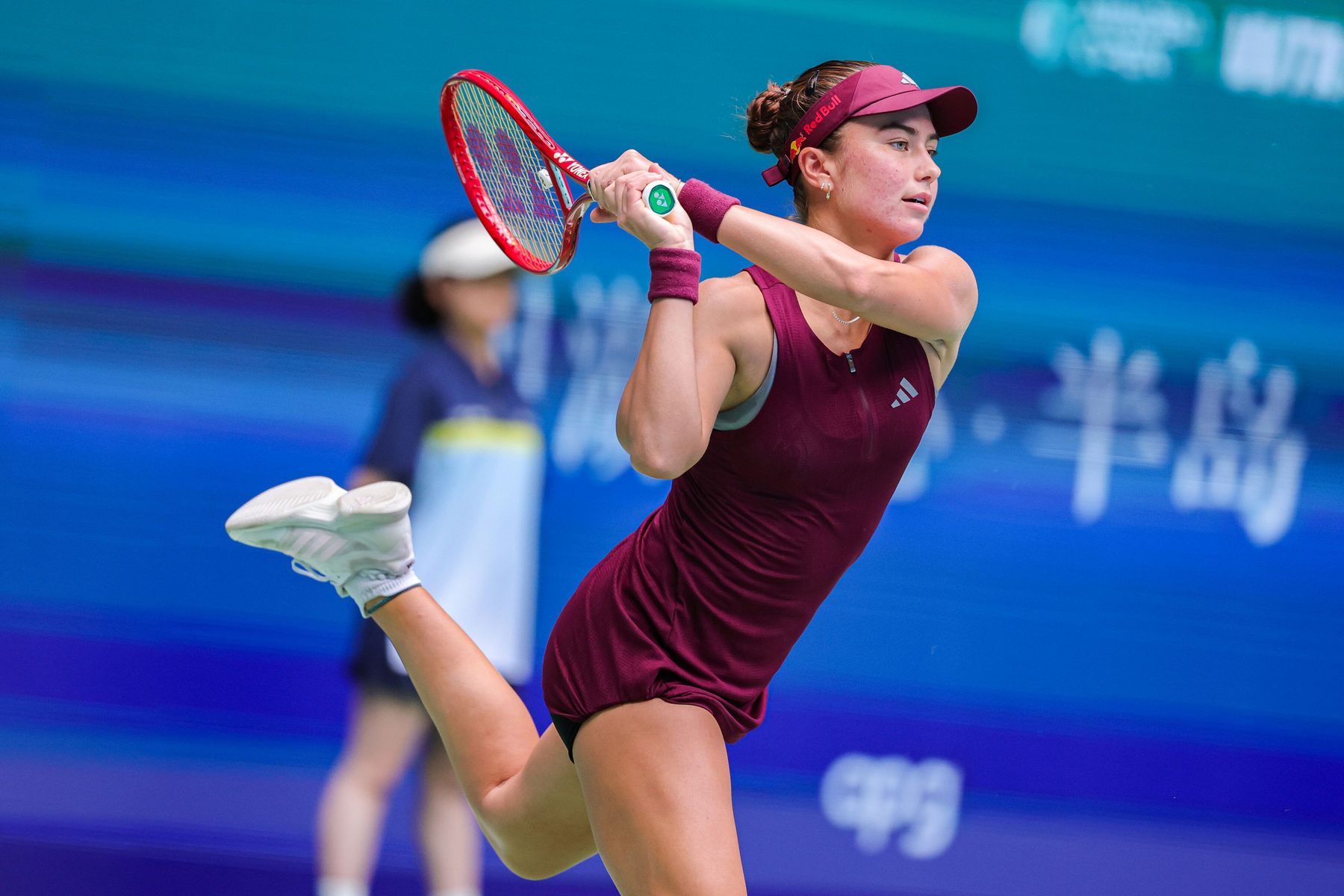
There was nothing inevitable about Shnaider's victory after the first set. Jovic produced a much tidier second, dropping only four points behind her first serve and giving Shnaider no break-point opportunities. That was an emphatic correction after an opening set in which the American had failed to convert her early pressure into a lead.
The only break of the second set arrived with Shnaider serving at 3-3. Three unforced errors and a double fault opened the door, and Jovic took the invitation. The teenager then protected her advantage to win 6-4. It was the sort of controlled serving stretch that can make a player look untouchable for 30 minutes without requiring an endless series of spectacular winners.
Jovic's best rally of the match came at a moment that showed why she remains a dangerous opponent despite the defeat. Serving for the set, she survived a 23-shot exchange that stretched both players from side to side. She eventually brought Shnaider forward with a drop shot and finished with a forehand angled across the court. It was a point built on patience and touch rather than a single overwhelming strike.
But the deciding set exposed the limits of treating the second as a permanent shift in momentum. Shnaider reset quickly. She was willing to defend long enough to create a change of pace, then attack when Jovic's court position became vulnerable. In the fourth game, a hesitation near the net gave Shnaider the chance to lift another lob and secure the first break. Two games later, a backhand winner down the line widened the gap.
Shnaider ultimately closed the third set 6-1, converting her third match point with her fourth ace. The contrast between the second and third sets is instructive: Jovic's serve had briefly removed pressure from her own games, but it did not solve the variety Shnaider was bringing to the rallies. Once that service advantage weakened, the Russian had more ways to win points.
For Jovic, the lesson is not that she needs to abandon aggressive tennis. Her 2026 results, including a title in Guadalajara and repeated deep runs, show the approach is working. The next step is to make her net decisions and rally transitions just as reliable when a clever opponent refuses to supply the same ball twice.
A fourth 2026 semifinal, but still no title this year
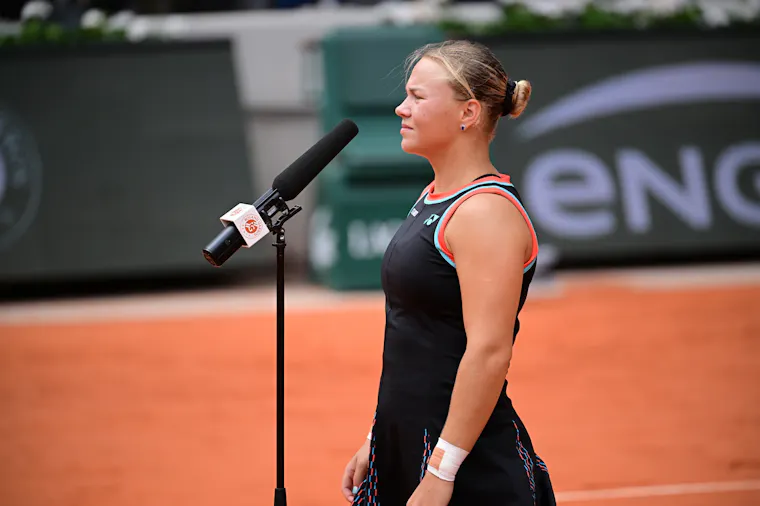
Ningbo is not a random late-season success for Shnaider. The 22-year-old has now reached the semifinals here in three different editions: she was runner-up to Ons Jabeur in 2023, made the last four in 2025 and has returned to the same stage in 2026. Her record at the tournament improved to 10-3 with Friday's win. That familiarity is valuable, although it does not make the next match any easier.
The broader season offers a similarly mixed picture. Shnaider has reached four semifinals in 2026, with earlier appearances in Adelaide, Roland Garros and Washington. The French Open run was especially significant: it was her first Grand Slam singles semifinal and evidence that she could trouble elite opposition over a long fortnight. She has also recorded three victories against top-10 players this year, compared with just one before 2026.
Yet the title column remains empty for this season. Her most recent WTA singles trophy came in Monterrey in 2025. That is not evidence of decline; plenty of excellent players have seasons with strong wins and no trophy. But it does make Ningbo more than another respectable semifinal. Shnaider has an opportunity to turn a collection of promising weeks into a clear end-of-season achievement.
There is a tactical connection between her Roland Garros progress and Friday's hard-court victory. Clay often rewards players who can extend exchanges, vary spins and construct points without relying on a first-strike winner. Against Jovic, Shnaider demonstrated that those same skills can be transferred to a faster surface. Her slices, lobs and ability to move between defence and attack were not decorative extras; they repeatedly changed who controlled the next shot.
The February meeting between the two players adds another layer. Jovic beat Shnaider 6-4, 1-6, 6-0 in Dubai, an emphatic deciding set that suggested the American could take control of this matchup. Friday reversed the result and the final-set pattern. The head-to-head is now level at one win apiece, and neither meeting has been straightforward.
That is why the quarterfinal matters beyond the draw sheet. Shnaider showed she could adjust against a player who had previously overwhelmed her in a decider, and she did so after losing a set in which her opponent barely offered a chance on serve. It was the kind of match that tests whether a player has developed more than just a stronger forehand.
World No. 1 Rybakina is the next test — with Finals implications

The reward for beating Jovic is an even more difficult assignment. Top seed Elena Rybakina advanced past qualifier Katarzyna Kawa 6-1, 3-6, 6-1 in Friday's other quarterfinal. Rybakina hit eight aces, won 81 percent of her first-serve points and created 17 break points, converting six. Even allowing for the lost middle set, those are uncomfortable numbers for an opponent hoping to keep service games short.
Rybakina is the defending Ningbo champion and the current world No. 1. She also owns a 2-0 head-to-head lead over Shnaider in 2026. Their Stuttgart meeting ended 6-3, 6-4 on clay, and Rybakina won their Cincinnati hard-court encounter 6-4, 6-4. Neither score suggests an impossible matchup, but both show that Shnaider has yet to turn competitive stretches into a set against her.
Shnaider's most promising route is to make this semifinal less about a clean first serve followed by a quick strike. Rybakina's serve can shorten points before a returner has established a rhythm, so Shnaider needs to make enough returns and create second-shot decisions. Her low slices and changes of direction could disrupt the taller player's preferred contact height, but only if Shnaider avoids giving away short balls that Rybakina can attack.
The other challenge is managing risk. Against Jovic, Shnaider could sometimes absorb pace and wait for a better opening. Rybakina is capable of ending those exchanges much earlier. Shnaider may have to be more assertive on her own service games while preserving the variety that won Friday's quarterfinal. That balance — attacking without becoming predictable — is the tactical question that makes this semifinal compelling.
The year-end WTA Finals picture adds a secondary incentive. The main eight-player field for Indian Wells is set, but alternate positions remain unsettled after Iga Swiatek ended her season. Marta Kostyuk is ahead in the race, with Jovic and Shnaider among those chasing. Jovic entered this stage 11th in the race and Shnaider 13th; results in Ningbo can still affect the pecking order behind the qualified eight. That is a meaningful stake, though it should not be confused with an opportunity to claim a main-draw place already allocated.
Saturday's winner will reach the final of a WTA 500 event that concludes Sunday, October 25. For Rybakina, it would be another step toward defending her title. For Shnaider, it would mean finally beating the top-ranked player who has stopped her twice this year — and moving one victory away from ending her singles-title drought.

Shnaider's quarterfinal was not simply a comeback from a slow start. It was a demonstration that she can change a match without needing to hit harder on every point. Jovic's second-set response made the contest a genuine test, and the 6-1 decider showed how decisively Shnaider answered it.
Rybakina now offers a different kind of pressure: a world-class serve, a perfect 2026 head-to-head against Shnaider and the confidence of a defending champion. If Shnaider can carry Friday's variety into Saturday while protecting her own service games, Ningbo could become the week that finally turns a strong season into a title opportunity.
Shop GOATIFY tennis products from the Tennis-filtered collection scope.

















