

Steinbrenner Says Yankees Aren't for Sale — Apollo's $2.6B Deal Has a Different Purpose
GOATIFYHal Steinbrenner has delivered an unusually direct answer to the biggest question raised by the Yankees' $2.6 billion agreement with Apollo Sports Capital: the family is not preparing to sell the team. The investment brings a major outside financial partner into one of baseball's most valuable organizations, but Steinbrenner says it is designed to secure the family's ownership for another generation, not hand over the franchise.
That assurance arrived during an October 21 review of a season that ended with another abrupt playoff exit. The Yankees are simultaneously discussing long-term corporate stability and the uncomfortable short-term reality of a 17-year championship drought. The two issues overlap in the minds of fans, but they are not the same. Understanding what Apollo reportedly receives, what Steinbrenner says it will not control, and what New York still has to fix on the field is the best way to judge this deal.
The $2.6 billion deal is designed to keep the Yankees in the family

For a franchise whose ownership is inseparable from its public identity, the most consequential part of Hal Steinbrenner's latest explanation was not the dollar figure. It was the succession plan. The Yankees' managing general partner said the family's $2.6 billion financing and equity agreement with Apollo Sports Capital is intended to provide stability long after he steps away, rather than prepare the club for a full sale.
That distinction matters because the Steinbrenner family has controlled the Yankees since George Steinbrenner led a group that purchased the team from CBS in 1973. A major outside investment inevitably raises questions about who will own the franchise in the next generation. Hal addressed those questions directly during an October 21 media session, saying he and his sisters Jessica and Jennifer do not plan to sell. The stated objective is to give the business the capital and financial flexibility to remain under family stewardship for years.
The deal, announced in August, mixes financing with an equity investment. That is not the same as a conventional sale in which a buyer takes the controlling stake and installs a new decision-making structure. It can provide cash to refinance debt, support existing businesses or pursue new opportunities while the controlling owners continue running the operation. The important unanswered questions for outsiders concern the precise financing terms and how the arrangement affects future obligations, not whether the club has announced a new controlling owner. It has not.
Yankee Global Enterprises is also more than the baseball roster. Its interests have included the YES Network, Legends Hospitality and stakes in other sports properties. That wider business footprint helps explain why the owner frames Apollo's investment around long-term corporate flexibility. Fans naturally judge ownership through wins, free agents and championships, but a holding company's capital needs extend beyond a single offseason. Steinbrenner is asking supporters to separate those two conversations, even though the Yankees' stature makes them difficult to keep apart.

Apollo can become a major investor without running baseball operations

Some reports have described a path for Apollo to hold 16 percent of the Yankees through a combination of an immediate equity position and preferred stock that would convert later. The reported breakdown is 8 percent upfront and another 8 percent in preferred shares convertible after four years. Those details are worth distinguishing from the simpler, confirmed headline that the broader financing agreement totals $2.6 billion. A financing package's face value is not automatically identical to the purchase price of an ordinary common-equity stake.
Steinbrenner's public position is that Apollo will not control the day-to-day operation of the club. Apollo Sports Capital chief executive Al Tylis has a seat on the Yankee Global Enterprises board, but the Yankees' owner says the investor has rights comparable to other limited partners rather than authority to direct trades, coaching appointments or lineup decisions. A board seat gives a participant access to governance discussions; it does not, by itself, transfer control of baseball operations. Hal remains the managing general partner.
Major League Baseball's evolving private-equity rules form another part of the context. Reports in October said the league had increased the permitted stake for private-equity investors to as much as 20 percent, subject to restrictions protecting the controlling owner. Such rules help explain how a large financial partner can be present without replacing the person recognized as the club's control figure. They do not establish what Apollo will recommend privately or guarantee that investors will never express views about business performance.
The more useful question is what changes fans should actually expect. There is no evidence in the owner's remarks that Apollo has been given power to choose the next manager or determine the Yankees' payroll. The investment could improve financial flexibility, but additional available capital does not require every dollar to be spent on player salaries. It may also be used for refinancing, business operations or future investments. Until the club identifies a specific baseball-related use of the proceeds, claims that the agreement either guarantees a spending spree or forces cost-cutting go beyond the disclosed facts.
Financial stability cannot erase the Yankees' October accountability problem
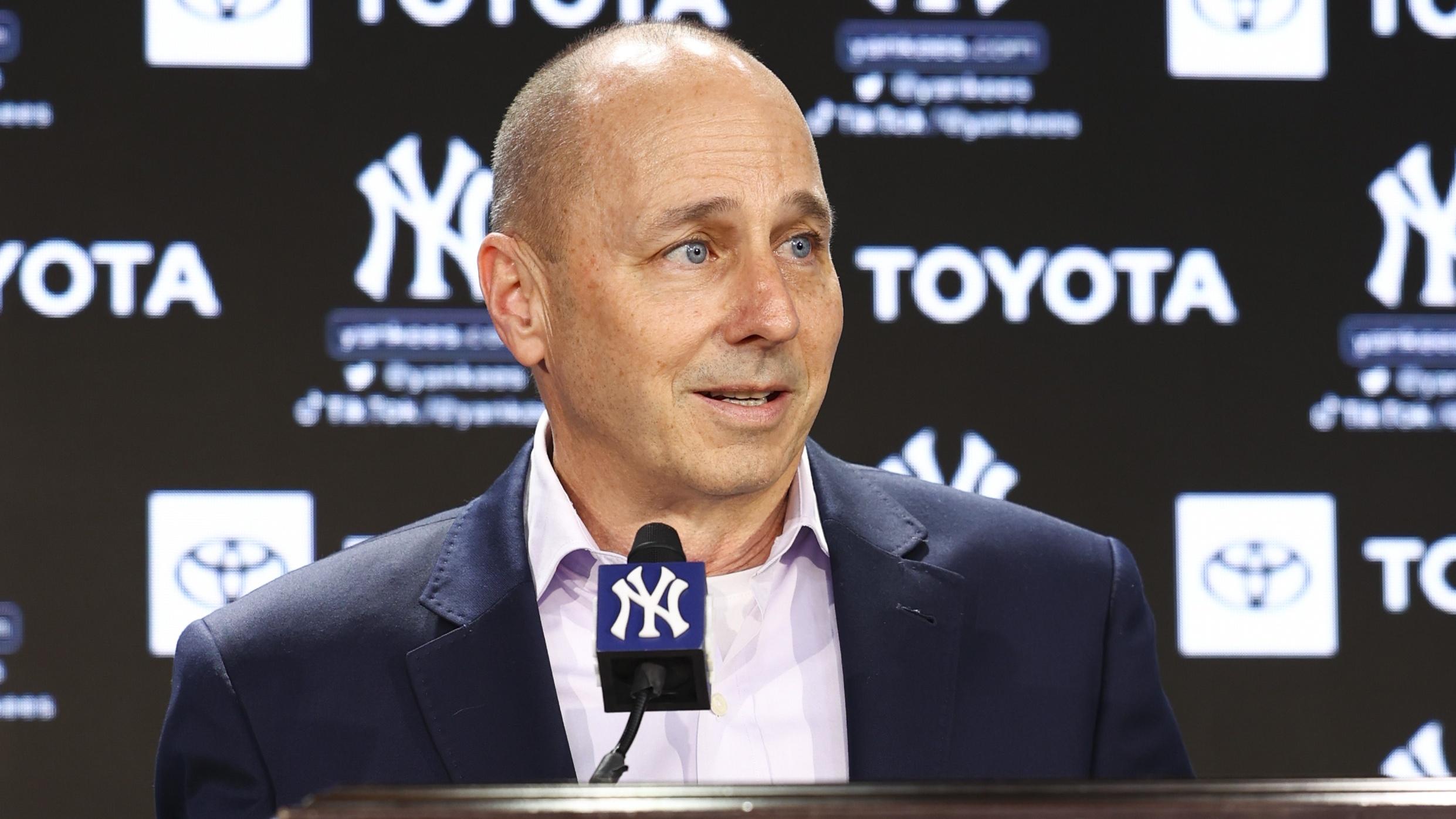
The timing of Steinbrenner's explanation gives it a sharper edge. New York had just suffered another postseason disappointment, and the franchise's last World Series championship remains the one won in 2009. The owner was addressing not only the future of family ownership but also why a well-funded, high-profile club had fallen short again. He called the end of the season unacceptable while maintaining confidence in the executives responsible for the baseball operation.
The numbers from the American League Division Series against Tampa Bay explain the frustration. After a productive Wild Card Series against Boston, the Yankees managed only 12 hits in 92 at-bats across three games against the Rays. They struck out 31 times and finished the series with a .130 batting average, .192 on-base percentage and .239 slugging percentage. Their .431 OPS was an especially stark measure of how little sustained offense they generated. A club can make sensible decisions over 162 games and still be undone by a short series; those results nevertheless demand a serious review of roster construction and offensive resilience.
Steinbrenner defended general manager Brian Cashman and manager Aaron Boone rather than assigning the defeat primarily to them. Cashman is preparing for another season in charge of baseball operations, and Boone is expected back for 2027. The owner placed more of the immediate responsibility on position players who failed to produce in October. That position can be understood as a defense of the organization's process, but it does not settle the argument. The front office selects the players and builds the depth chart; the manager determines how the roster is used; the players still have to execute against elite postseason pitching.
That shared responsibility is why the Apollo investment should not be treated as a baseball solution on its own. A richer balance sheet cannot hit a breaking ball, improve situational contact or restore a missing star to the lineup. It can help preserve options for the organization, but deciding which options to pursue remains a sporting judgment. The ownership message is continuity. The challenge for Cashman and Boone is to make that continuity look like a competitive advantage rather than a reluctance to change course.

The real test in 2027 is whether the roster can survive without Judge

The Yankees' 2026 season also exposed the danger of building an offense that depends heavily on a few enormous contributors. Aaron Judge was limited by injuries and did not appear in the Division Series. Giancarlo Stanton's availability was restricted as well. Those absences do not explain every weak at-bat, but they altered the lineup's threat level and reduced the room for error against Tampa Bay's pitching. It is difficult to judge an October offense fairly without acknowledging who could not play, and equally difficult to call the roster championship-proof when those injuries leave so little margin.
For 2027, the obvious objective is not merely to hope Judge returns healthy. The Yankees need a lineup capable of generating runs through multiple paths: reaching base, advancing runners, putting pressure on opposing defenses and producing extra-base damage when a marquee bat is unavailable. New York has traditionally been able to find power. Its bigger challenge is ensuring that the lineup does not become predictable or easy to neutralize when a top hitter is missing. That means evaluating the balance between contact, patience, speed, defense and slugging rather than assuming another expensive addition automatically fixes the whole offense.
The financial arrangement with Apollo may matter here indirectly. Greater flexibility can help an organization maintain its scouting, development, analytics and player-acquisition infrastructure over many seasons. It may also help ownership weather the business uncertainty surrounding upcoming labor negotiations. None of that substitutes for identifying the right players or developing them well. Fans should judge the next offseason by concrete roster improvements and a clear plan to protect against injuries, not by the size of the financing headline.
Steinbrenner has now made two promises of different kinds. He says the Yankees will remain a family-controlled franchise, and he believes the club can return to championship contention under its existing baseball leadership. The first depends on ownership structure and long-term capital planning. The second will be measured on the field. If New York's lineup becomes deeper and more adaptable, the investment may be remembered as a stabilizing backdrop to a successful era. If another October ends in an offensive collapse, the explanation that the family has secured the franchise's financial future will provide little comfort to fans still waiting for another title.
For now, the clearest takeaway is that Apollo's money changes the Yankees' financial partnership, not their publicly identified baseball decision-maker. Steinbrenner has said the investment supports family succession and that the outside partner will not run daily operations. The reported equity structure deserves scrutiny, but a minority position is not the same as a franchise takeover.
Whether the deal proves successful for supporters will depend less on its headline valuation than on what the organization does next. The Yankees have enough financial scale to compete; they now need better postseason offense, a healthier and more resilient roster, and decisions that translate resources into October wins. The family's plan for staying in charge is clearer. Its plan for ending the title drought still has to work.

















