Micro Workouts: Can 10 Minutes Really Build Strength and Fitness?
UPLIFT IRON CLUBWhat Micro Workouts Can Actually Do
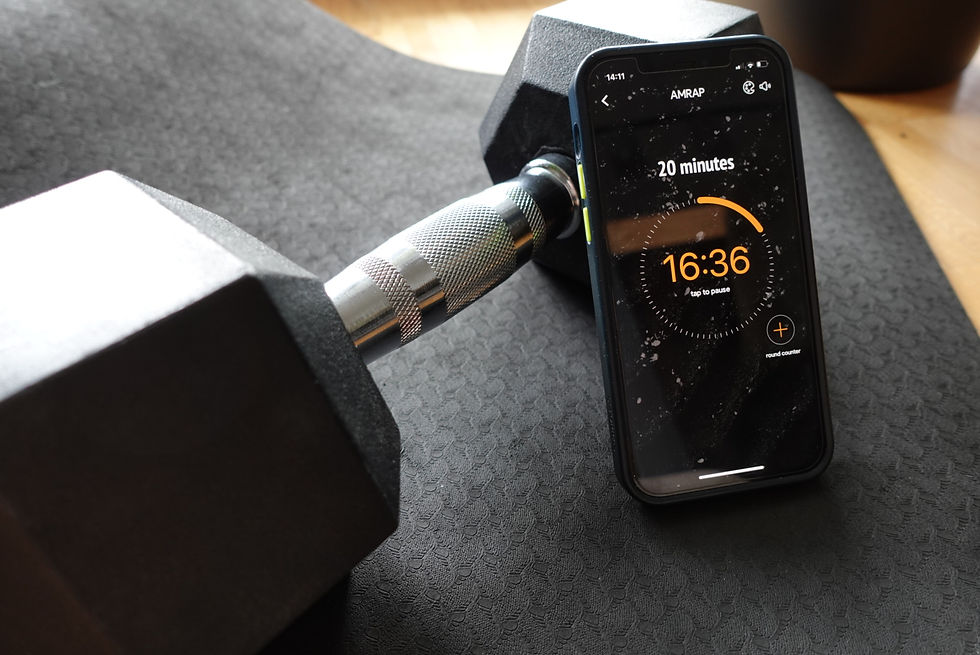
The useful idea behind a micro workout is not that ten minutes has somehow become equal to every forty-five-minute training session. It is that a short block can still contain enough meaningful work to improve something. If the choice on a chaotic day is between ten focused minutes and doing nothing, the short session can preserve momentum, add weekly training volume and give you another chance to practice movements you want to improve.
The distinction is important because “short” gets marketed as “effortless.” Real training does not work that way. A ten-minute session has less room for warm-up sets, equipment changes, long rest periods and five different isolation exercises. That forces you to choose. One or two compound movements performed with a challenging load can fit. A sprawling bodybuilding session cannot. The constraint is not a flaw; it is the point.
For strength and muscle, the productive part is still muscular tension and sufficiently hard sets. A five-minute walk after lunch can be excellent for general activity, but it is not the same stimulus as hard goblet squats or push-ups taken close enough to your current capacity that the final reps slow down. Calling both “exercise snacks” does not make their adaptations identical.
Micro sessions are especially useful for consistency. A lifter who repeatedly misses full workouts because work, travel or family obligations blow up the schedule can use a short fallback session to keep the week from becoming a write-off. They also work well as small add-ons: ten minutes of rows on one day, split squats on another, or loaded carries after a walk. Over a week, those pieces can become a meaningful amount of training.
The right expectation is modest but powerful: a micro workout is a compressed training opportunity. It can build fitness and, when the loading is appropriate, contribute to strength and hypertrophy. It does not suspend the normal rules of progression, recovery or specificity.
Ten Minutes Still Needs Progressive Overload

A short workout becomes training when you can answer a simple question: what will be better next time? That might mean one more rep with the same dumbbells, a slightly heavier load, cleaner range of motion, a harder bodyweight variation or the same work completed with less unnecessary rest. Without a progression target, ten minutes can easily become a loop of random sweat that feels productive but never creates a clear reason for the body to adapt.
Start by choosing a movement you can set up almost instantly. Goblet squats are ideal because one dumbbell can challenge the legs without a rack. Dumbbell Romanian deadlifts cover the hinge pattern. Push-ups can be scaled from an elevated surface to the floor and then loaded. One-arm rows need little more than a dumbbell and a stable support. Pick movements that are safe enough to perform hard without spending half the session arranging equipment.
Then give the session a repeatable structure. For example, set a ten-minute clock and alternate goblet squats with push-ups. Perform six to ten controlled reps, rest long enough to keep the next set technically clean, and repeat. Record the load and total quality reps. The next time, try to add a rep or two across the session before increasing weight. That is much more useful than changing the circuit every time because novelty looks exciting on a screen.
Do not confuse density with panic. Short workouts often encourage racing the clock, but strength work still needs enough recovery to produce force. If your first set uses a weight you could lift twelve times and your fourth set collapses at five because you never stopped breathing hard, you have shifted the session toward conditioning. That may be fine if conditioning is the goal. It is less useful if you wanted high-quality strength volume.
The simplest rule is to protect the reps that matter. Use the clock to limit wasted time, not to force ugly repetitions. Progress the same small menu of movements for several weeks and a ten-minute block starts behaving like a real program rather than a fitness commercial.

Build Around Movements With Almost No Setup
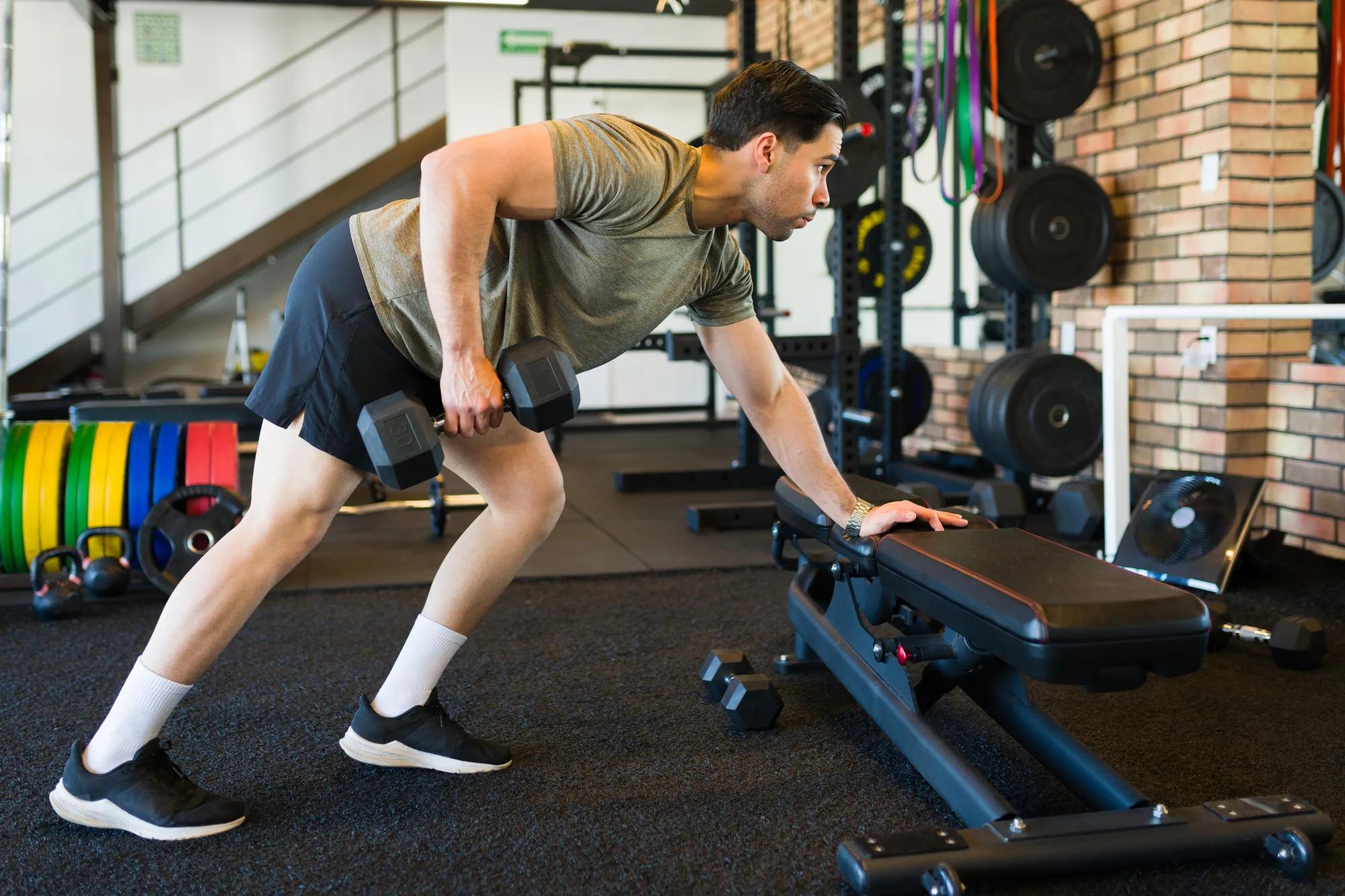
Time-efficient training is often won before the first rep. If your ten-minute session requires finding a free rack, loading six plates, changing cable attachments and waiting for three machines, the format is dead on arrival. Micro workouts reward exercises with a low setup cost and a high training return.
A useful menu is surprisingly small. For the lower body, goblet squats, split squats, dumbbell Romanian deadlifts and reverse lunges cover a lot of ground. For pushing, use push-ups, dumbbell floor presses or overhead presses. For pulling, one-arm dumbbell rows are hard to beat. Loaded carries are excellent when you have a clear lane to walk. You do not need all of them in one session. In fact, trying to cram them all in usually makes the workout worse.
One strategy is to give each micro session a job. Monday might be squat plus push. Tuesday could be row plus carry. Thursday might be hinge plus overhead press. Friday could repeat the movements that matter most to your goal. This lets you accumulate weekly sets without asking one tiny workout to train every muscle equally.
Exercise selection should also account for warm-up needs. Heavy barbell squats or deadlifts can absolutely be trained efficiently, but a lifter approaching serious loads may need several ramp-up sets before the working weight is appropriate. That can consume most of a ten-minute window. Dumbbells, machines and bodyweight variations often let you reach useful work faster. That is not because they are inherently superior; they simply match the time constraint better.
There is also a practical safety advantage. When you are rushed, complicated setup and maximal loading are a bad combination. A short session should feel focused, not frantic. Choose exercises you already know, keep the equipment close and remove transitions that add no training value. The less time you spend hunting for gear, the more of those ten minutes can be spent producing actual tension.
Exercise Snacks Are Useful, but They Are Not Magic
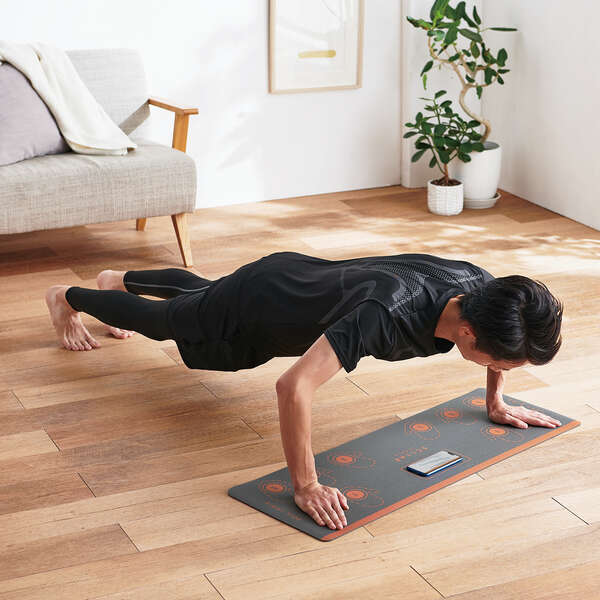
“Exercise snack” is a good phrase because it captures the convenience of doing a small amount of activity instead of waiting for the perfect uninterrupted hour. The problem starts when the metaphor gets stretched into a promise that every tiny burst produces the same result as a complete training plan. Adaptations still follow the work you actually perform.
If your goal is simply to move more, break up sitting and feel less sedentary, a few bodyweight squats, stairs or brisk walking during the day can be valuable. If your goal is a bigger chest, stronger legs or a heavier row, the micro session needs resistance that challenges those tissues and enough repeated exposure to progress. Ten easy push-ups will eventually stop being a meaningful strength stimulus for someone who can already do thirty.
This is why micro workouts fit best as either a deliberate minimum dose or a supplement. During a brutal week, three ten-minute strength sessions can keep the habit alive and preserve useful work. During a normal week, the same sessions can add targeted volume to muscles that recover quickly. A lifter might keep two normal full-body workouts and add short home sessions for delts, arms or calves rather than pretending the short sessions must replace everything.
There are also times when the format is a poor match. Heavy technical lifts need preparation. New exercises need practice. Very high weekly hypertrophy volumes are difficult to fit into tiny windows without training almost every day. And if you spend eight of your ten minutes warming up for a demanding barbell movement, the clock has become an artificial restriction rather than a useful tool.
The mature approach is to use the shortest session that still serves the goal. Sometimes that is ten minutes. Sometimes it is thirty. Sometimes you need a full hour because you are training several patterns with serious loads. Micro workouts are not a loophole around training principles. They are a scheduling tool—and a very good one when the workout is designed around the time you actually have.

A Practical Micro-Workout Week for Busy Lifters
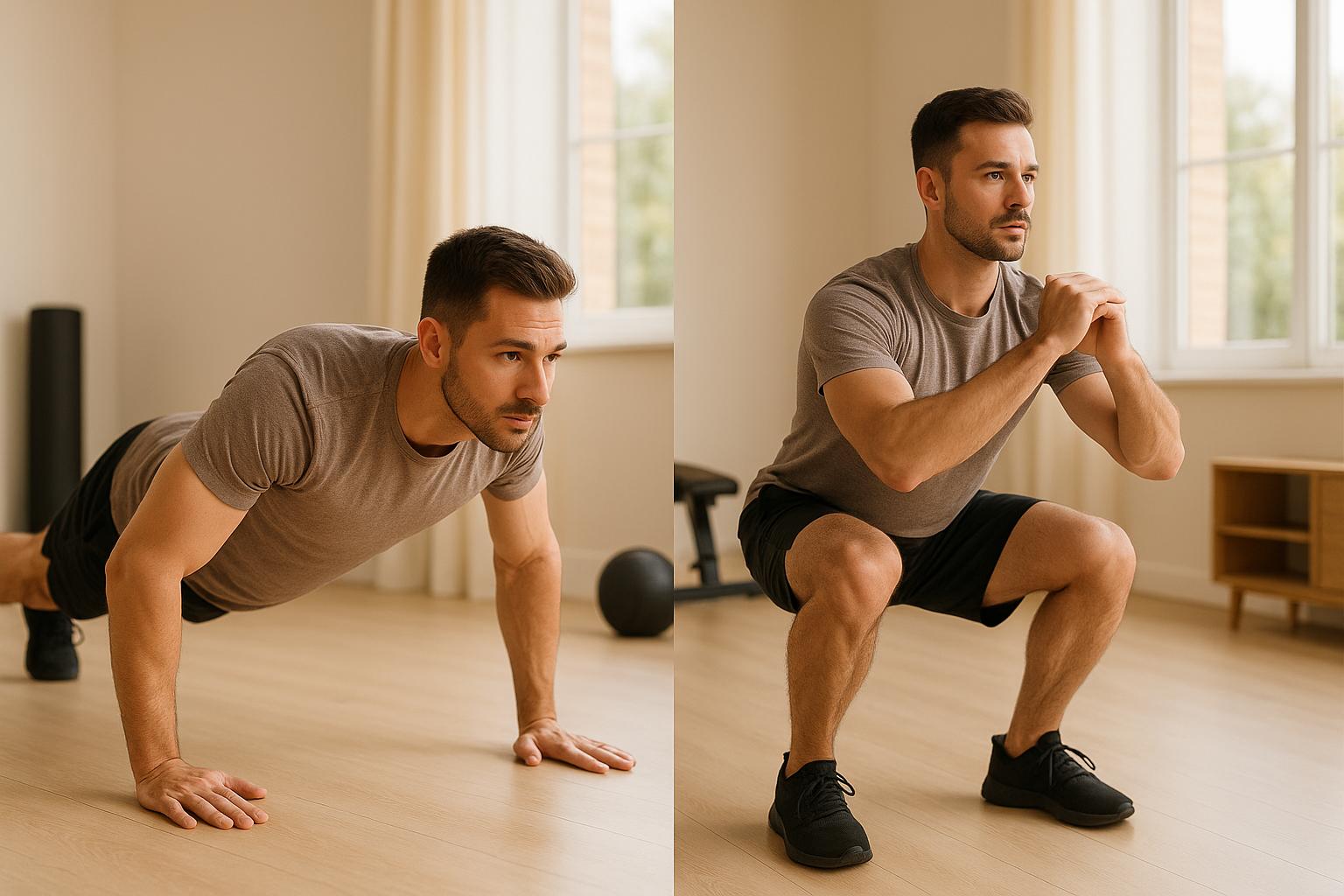
A good micro-workout plan should look boring enough that you can actually measure it. Here is a simple four-day template using a pair of dumbbells and bodyweight. Keep each session to roughly ten minutes, but do not race. The goal is to accumulate hard, controlled sets.
Day one — squat and push: alternate goblet squats for eight to twelve reps with push-ups for six to fifteen reps. Stop each set with roughly one or two clean reps still available. Rest as needed and repeat until the ten-minute window closes. Day two — pull and carry: perform one-arm dumbbell rows for eight to twelve reps per side, then a thirty-to-forty-five-second farmer carry. Alternate those until time expires.
Day three — hinge and press: use dumbbell Romanian deadlifts for eight to twelve reps and standing dumbbell overhead presses for six to ten. Day four — repeat your priority: if legs matter most, repeat day one with split squats replacing goblet squats. If upper body is the priority, repeat rows and presses. The fourth session is where the plan becomes personal without becoming random.
Write down the load, reps and number of work sets. When you reach the top of the rep range across the session with stable technique, increase the dumbbell load by the smallest practical jump. If your dumbbells are fixed and cannot get heavier, add reps, slow the lowering phase slightly, choose a harder variation or add another quality set. Change one variable at a time so you can tell whether you improved.
Warm up according to the movement, not according to a ritual. A few bodyweight squats and light reps may be enough before a moderate goblet squat. A heavy press may need an easier ramp-up set. If you need more preparation on a particular day, take it. The ten-minute label is not worth forcing cold joints into hard work.
Finally, audit the week rather than judging one session in isolation. Four ten-minute sessions give you forty minutes of deliberate resistance training. That may be enough to move a beginner forward and can be a useful maintenance or supplemental dose for an experienced lifter. If progress stalls because each muscle only receives a couple of hard sets, the answer is not to make the ten minutes more chaotic. Add another micro session, lengthen one or two workouts, or return to fuller sessions when your schedule allows.
That is the real promise of micro training. It makes the minimum useful session easier to start. Ten minutes is not a magical physiological threshold; it is a practical doorway. Walk through it often enough, keep the work measurable, and those small sessions can become a surprisingly durable part of a serious training week.

Funny gym shirts, tanks, hoodies and workout gear for lifters who like training hard and not taking gym culture too seriously.
EXPLORE COLLECTION