Djokovic Is 32-0 in Beijing — and Zverev Just Learned Why the Streak Still Matters
GOATIFYNovak Djokovic’s perfect Beijing record finally looked vulnerable. Alexander Zverev broke immediately, took the first set and forced the 39-year-old into the kind of physical, high-tempo match that has exposed him at points this season. Then the old pattern returned. Djokovic stayed close enough to make every late service game feel dangerous, broke at 5-4 in the second set and repeated the trick at 5-4 in the third to win 4-6, 6-4, 6-4.
The result moves Djokovic to 32-0 at the China Open and into another semifinal, this time against Daniil Medvedev. The number is extraordinary, but the way he reached it matters more for the rest of 2026. After needing treatment in earlier rounds, Djokovic just went more than two and a half hours with one of the season’s strongest players and looked sharper as the pressure increased.
Djokovic won the match at the ends of sets
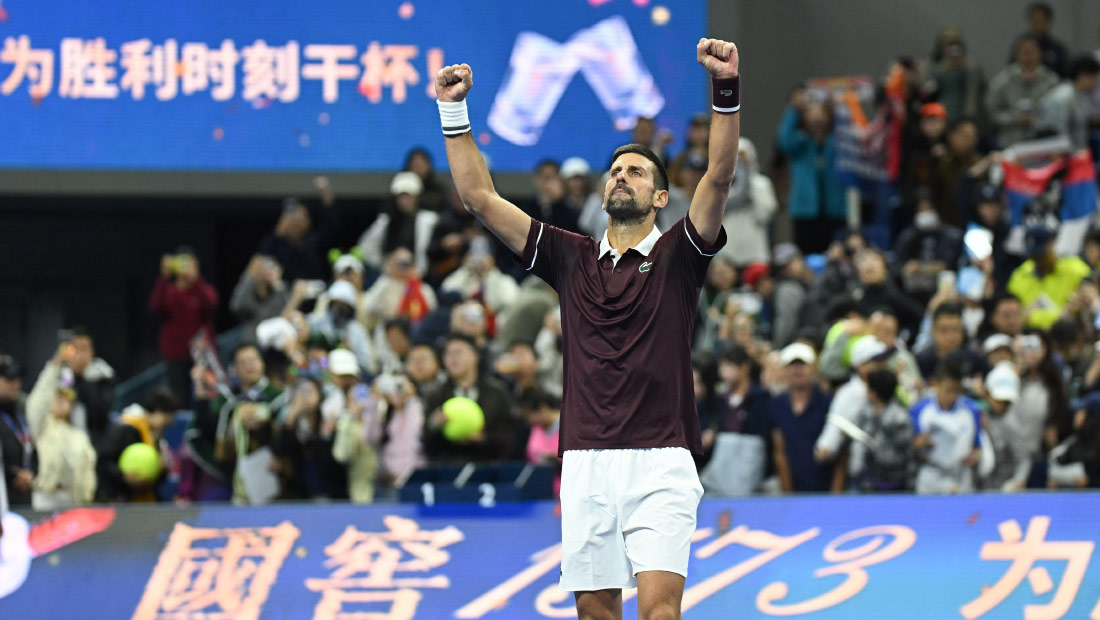
Zverev’s opening set was built on the cleanest possible start: an immediate break and enough serving control to protect it. Djokovic did not dominate the middle of the match after that. He did something more familiar. He kept the score close, made Zverev serve under maximum scoreboard pressure and waited for one loose game to become decisive.
At 5-4 in the second, Djokovic found the break that levelled the match. At the same score in the decider, he did it again. That symmetry explains the match better than raw shot totals. Zverev had stretches where his serve and baseline weight looked superior, but Djokovic kept converting neutral scorelines into pressure tests. When the set reached its most expensive service game, the returner looked calmer than the server.
That has been a defining Djokovic skill for years: he does not need to control every game to control where a set is decided. Against a player with Zverev’s serve, creating two late break opportunities is already difficult. Converting both is why a competitive match became another Beijing win.
The tactical value of that patience is easy to underestimate. Djokovic did not need to chase low-percentage winners simply because Zverev had the bigger first strike. By extending enough neutral rallies and protecting his own service games, he made each late-set point carry more weight. That is where his return position, anticipation and ability to redirect pace become especially damaging. Zverev was not being overwhelmed every minute; he was being asked to execute perfectly at exactly the moments when one loose ball could erase an entire set of good work. In a three-set match, that kind of pressure management can be more decisive than outright shot-making dominance.

The physical answer was almost as important as the score
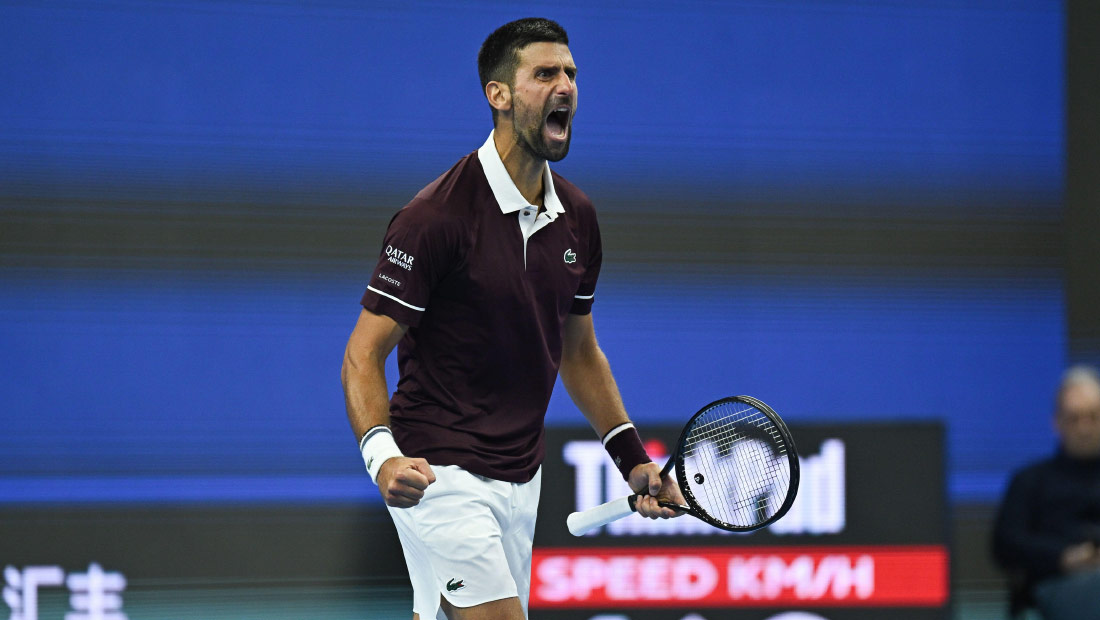
Djokovic’s first two rounds in Beijing came with physical concern. He required treatment and had to fight through long matches, which made Zverev a particularly uncomfortable quarterfinal opponent. The German can force repeated explosive changes of direction and can turn routine service games into extended baseline exchanges when his first serve is not ending points.
Instead of fading, Djokovic became more stable as Sunday’s match developed. The third set was not a shortened escape; he had to keep absorbing pace, defend his backhand corner and find enough depth to prevent Zverev from stepping inside the baseline. For a 39-year-old whose 2026 season has repeatedly been interrupted by physical issues, that is meaningful information.
It does not guarantee recovery for the semifinal. A two-hour, 34-minute quarterfinal creates its own cost, and Medvedev is another opponent who can stretch rallies and force patience. But the immediate question was whether Djokovic could physically stay in a top-level match long enough for his tactical advantages to matter. Against Zverev, the answer was yes.
The next test is recovery rather than proof of toughness. At this stage of Djokovic’s career, the difference between being able to finish one demanding match and being able to reproduce that level 24 or 48 hours later matters enormously. Beijing therefore gives his team useful evidence on two fronts: his movement did not collapse as the match lengthened, and his decision-making remained disciplined enough that fatigue did not force him into reckless tennis. That combination is more encouraging than a quick win would have been. The semifinal will show whether the body can absorb the workload without taking away the precision that made the comeback possible.
Thirty-two straight wins turns Beijing into its own Djokovic record
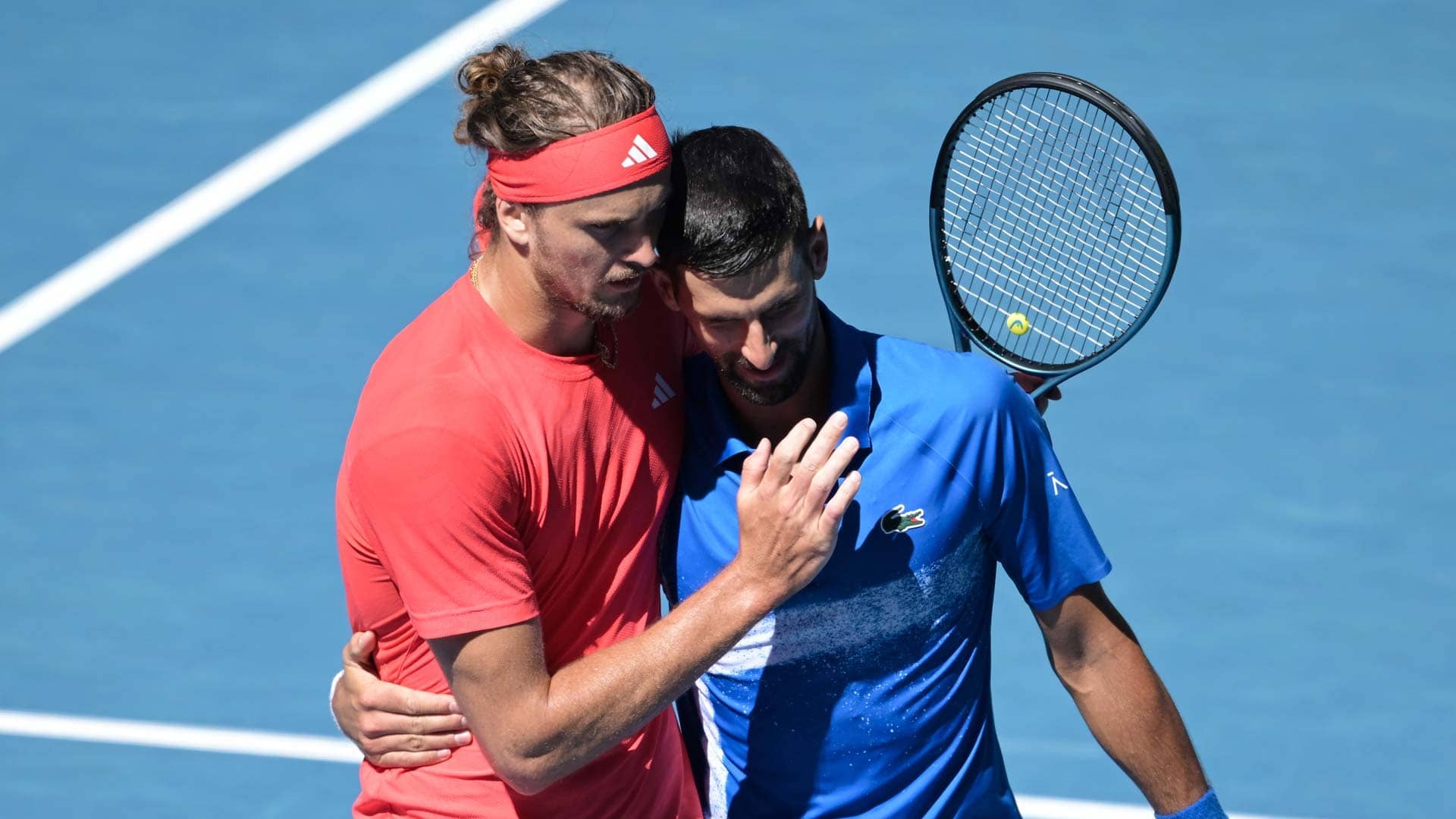
Djokovic had not played the China Open since 2015, yet the tournament resumed as if the missing eleven years were an intermission. His victory over Zverev pushed his career record in Beijing to 32-0. Every previous appearance ended with the trophy, and he is now two wins from a seventh title.
The streak is unusual because it spans different versions of Djokovic. The player who first won here was building toward his prime. The player who returned in 2026 is managing a much smaller schedule and a body with far more mileage. The surface, field and tour have changed around him, but the outcome in Beijing has not.
That continuity can become self-reinforcing. Djokovic knows exactly what winning on these courts feels like, while every opponent enters knowing nobody has solved him here. Zverev did not lose because of history, but history changes the emotional cost of every missed opportunity. Once Djokovic survived the first set and dragged the match into a deciding hour, the unbeaten record stopped being trivia and became part of the pressure.
The streak also changes how this run should be judged. Beijing is not merely another stop where Djokovic happened to string together several victories. It is a venue where his returning patterns, court positioning and comfort under pressure have repeatedly matched the conditions. That does not make him unbeatable, but it gives him a reference point that younger opponents do not possess. When a match becomes uncomfortable, he can draw on dozens of previous successful moments on the same court. For an older player managing a selective schedule, that kind of familiarity can be worth as much as raw match volume because it shortens the tactical adjustment period and reinforces trust in patterns that have worked before.

Zverev’s No. 1 route just became much harder
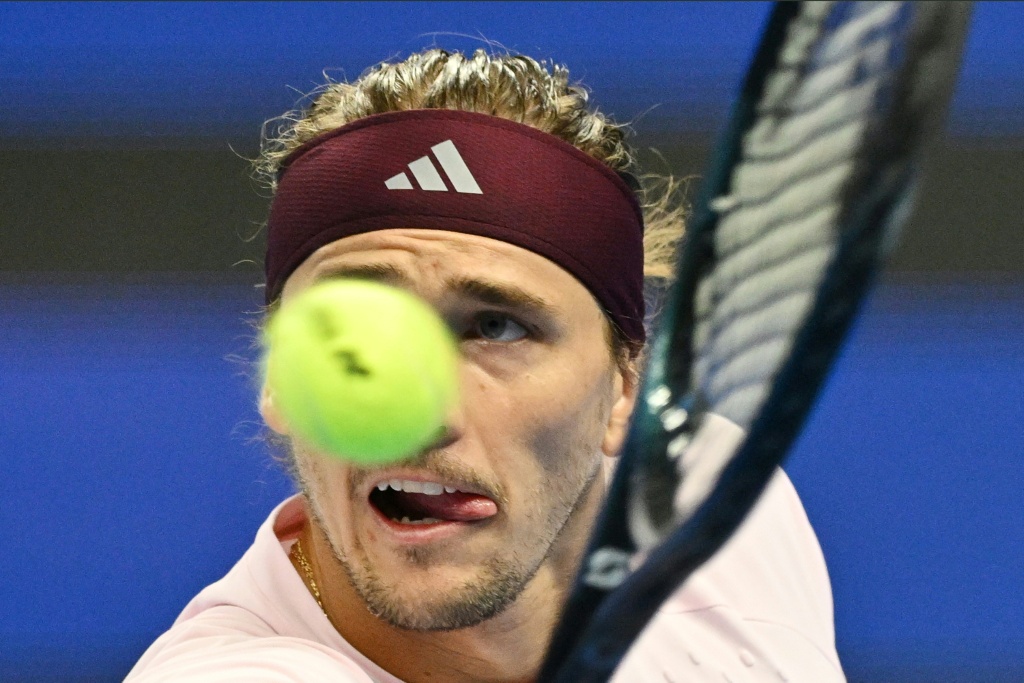
Zverev entered the Asian swing with a rare opening in the rankings race because Jannik Sinner’s knee injury has kept the world No. 1 out since Wimbledon and forced him to withdraw from Shanghai. Winning Beijing and Shanghai would have given Zverev the clearest route to taking the top ranking. Djokovic removed the first half of that equation.
The loss does not end Zverev’s ability to gain ground while Sinner is absent, but it removes the clean two-title path and adds another reminder of how unforgiving ranking opportunities can be. Zverev was the top seed, had already won Roland Garros and the US Open this season, and took the first set. He still could not close out a 39-year-old opponent playing his first Beijing event in eleven years.
For Djokovic, the ranking implications are different. His schedule is no longer built around chasing every available point, but deep runs still matter for qualification and seeding, and beating the player who has been among the season’s strongest performers is a more useful signal than simply collecting another quarterfinal. Beijing has given him both points and proof.
For Zverev, the practical response is not to overreact to one defeat but to protect the opportunity that remains. The ranking race is still shaped by who can accumulate points while rivals are absent or compromised, and the Asian swing gives him more chances to do that. What changed in Beijing is the margin for error. Instead of carrying the momentum of a title into the next event, he now has to reset quickly after losing a match he had positioned himself to win. That is part of becoming No. 1 as well: not simply producing peak tennis, but recovering from a missed opening before another contender turns it into a larger gap.
Beijing has always been one of Djokovic’s most comfortable stages, but 32-0 is no longer just a historical curiosity. Against Zverev, the streak became evidence that his problem-solving, return pressure and late-set nerve can still overwhelm an elite opponent even when he is not controlling the match from the start.
Medvedev is next, and another long baseline fight will test the recovery as much as the tennis. But Djokovic has already changed the tone of his Asian swing. He arrived with questions about his body and his ability to string together demanding matches. He leaves the quarterfinal with the top seed beaten, the Beijing record extended and a seventh title suddenly close enough to feel real.
Shop GOATIFY tennis products from the Tennis-filtered collection scope.