

Shnaider Blew a 4–0 Lead — Then Saved Three Break Points to Win Tokyo
GOATIFYDiana Shnaider was six games from a comfortable Tokyo title, and then the final almost slipped out of her hands. She led Leylah Fernandez 6-4, 4-0 in the 2026 Pan Pacific Open championship match before the Canadian staged an astonishing comeback. When the contest reached a deciding set, Fernandez created three early break points. Shnaider saved every one, recovered her rhythm and completed a 6-4, 5-7, 6-2 victory on Sunday, November 1.
The two-hour, 18-minute battle gave the 22-year-old third seed her first title of the season and sixth career WTA singles crown. It also offered a better test of her resilience than an easy straight-sets win would have done. Four previous semifinals had ended in defeat during 2026. Tokyo finally gave Shnaider a championship opportunity, and she had to survive a major reversal to take it.
Shnaider Led 6-4, 4-0 — Then the Match Turned Upside Down
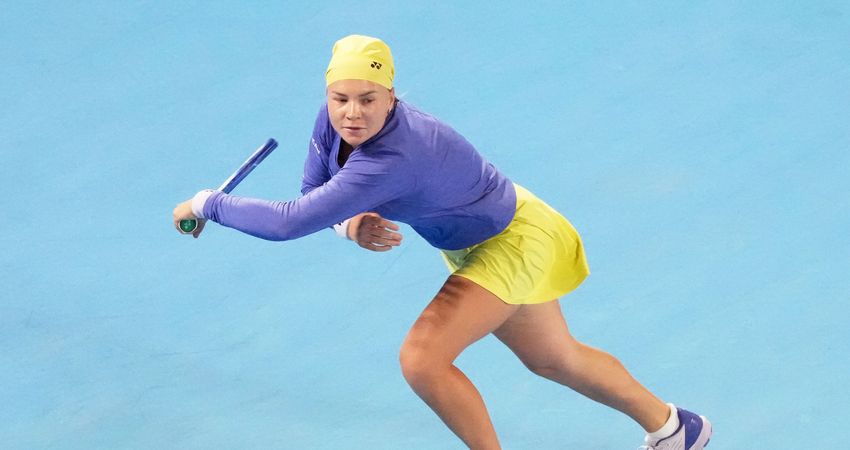
At 6-4, 4-0, the result looked close to settled. Shnaider had established the lead, appeared to be moving toward her first trophy of 2026 and needed only two more games to finish. Fernandez had other ideas. The Canadian won seven of the next eight games, turning a set that had seemed lost into a 7-5 victory and forcing a decider.
The sequence changed the entire character of the final. A four-game lead can tempt a player into thinking about the presentation ceremony rather than the next point. The opponent, meanwhile, has little to lose and can compete with a different kind of freedom. Those are interpretations of the momentum, not claims about particular shots or tactics, but the scoreboard tells the essential story: Fernandez kept the match alive long after the second set appeared beyond recovery.
Shnaider suddenly faced a problem far bigger than one lost set. She had spent the year reaching important stages without collecting a singles title. Losing four semifinals can make every late-round setback feel heavier. Now, in her first final of the season, she had allowed a dominant position to disappear. The mental challenge was to treat the third set as a new contest rather than an extension of the opportunity she had missed.
Fernandez deserves substantial credit for creating that predicament. Recovering from 0-4 against a top-level opponent in a final requires persistence through a series of service games that could each end the comeback. The Canadian's response was not a brief burst of resistance. It was a sustained run that took control of the scoreboard and shifted pressure onto the player who had been leading.
That is why the eventual result is more revealing than the score alone. Shnaider did not cruise through a one-sided championship match. She had to accept that the contest had changed and find a new way to win it. The final became a test of recovery rather than merely a display of early superiority.

Fernandez's Comeback Was the Latest Evidence of Her Asian-Swing Revival
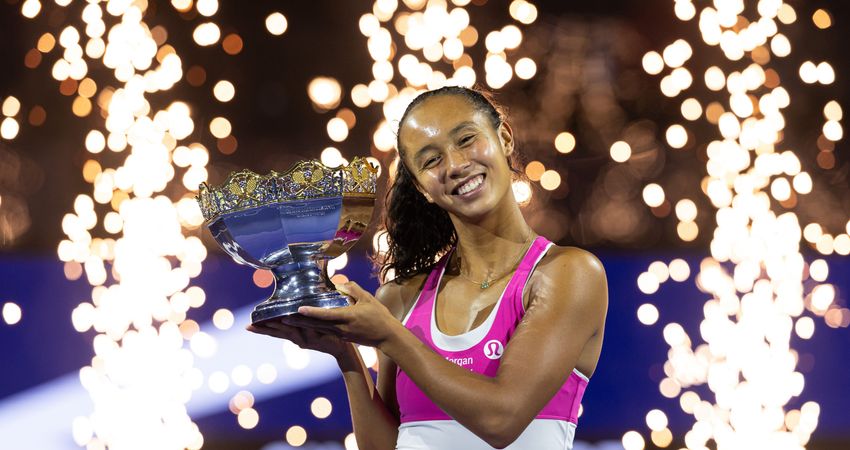
Fernandez arrived in Japan with momentum that went well beyond this tournament. She had won the Singapore Open in September and reached the Ningbo final the week before Tokyo, where she lost to world No. 1 Elena Rybakina. Another final in Tokyo meant she was producing deep runs repeatedly rather than relying on one exceptional week.
Her semifinal performance had offered an early warning to Shnaider. Fernandez defeated Kamilla Rakhimova 7-5, 6-3 after facing deficits, continuing a pattern of refusing to let a difficult start define a match. Against Shnaider she required an even more dramatic response. Seven wins in eight games brought her back from a seemingly impossible position and placed the title within reach again.
The Canadian's recent record gives the comeback useful context. Her Tokyo final defeat was only her fifth loss in 21 matches. That kind of consistency does not make her unbeatable, but it does explain why a large deficit was not enough to remove her from the contest. Fernandez has repeatedly demonstrated that she can make an opponent earn the final point, especially during this late-season run.
There is also a compelling head-to-head storyline. Fernandez won the first two meetings with Shnaider, but the Russian then took three consecutive matches before this final. Tokyo extended that sequence to four straight Shnaider victories, including three during 2026. Fernandez has shown that she can challenge Shnaider, yet the rivalry's recent outcomes favor the player who ultimately lifted the trophy.
For Fernandez, the loss should be evaluated alongside the progress. She has a September title, two consecutive finals in Ningbo and Tokyo and a long stretch of winning tennis. The immediate frustration of losing another championship match is real, especially after such an extraordinary comeback. But her performances suggest she has rebuilt the consistency required to threaten the best players.
The challenge now is converting more of those competitive positions into wins against opponents who have solved her game repeatedly. Tokyo demonstrated both her capacity to transform a match and the fine margin that remains between a stirring comeback and a title. Neither part of the story should be ignored.
Three Saved Break Points Became the Defining Game of the Final
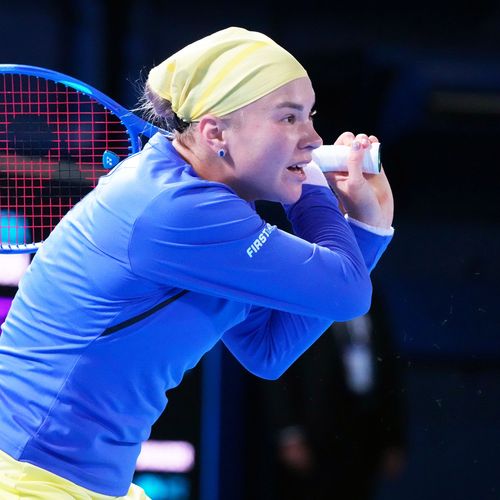
Fernandez entered the third set with all the momentum. She held serve and then created three break points against Shnaider. If the Canadian had converted one, the comeback would have moved from an impressive second-set escape to an immediate advantage in the decider. For Shnaider, it was the moment when the lost 4-0 lead threatened to become the defining mistake of the entire tournament.
Shnaider saved all three break points and held to make it 1-1. The score remained level, but the meaning of the game was enormous. She had stopped Fernandez from carrying the second-set surge straight into a break advantage. More importantly, she had shown herself that the previous collapse did not have to determine what happened next.
After the players exchanged holds, Shnaider broke in the fifth game. She won the following three games to close out the deciding set 6-2. The finish was authoritative, but it depended on that earlier service game. A player who has surrendered a major lead often needs one stabilizing moment before the tennis begins to look natural again. Shnaider found hers under maximum pressure.
This is an important distinction between momentum and control. Fernandez had momentum because she had just won the second set and was creating opportunities. Shnaider regained control by surviving the break points and then converting her own chance. The change did not require an elaborate tactical theory. The verified sequence of games explains why the direction of the match shifted.
It also shows why a championship score can hide the true difficulty of a victory. Shnaider won the first and third sets by comfortable margins, yet neither number captures the danger at the beginning of the decider. Three points separated her from a potentially very different outcome. Her ability to defend them, recover and then accelerate made the win feel earned rather than inevitable.
The title was secured not by avoiding adversity, but by responding after adversity had already arrived. That is a quality Shnaider can carry into future finals and difficult matches. Tokyo provided a clear example of how quickly control can vanish and how quickly it can be rebuilt.

Four Semifinal Losses, One Tokyo Breakthrough and Six Straight Finals Won
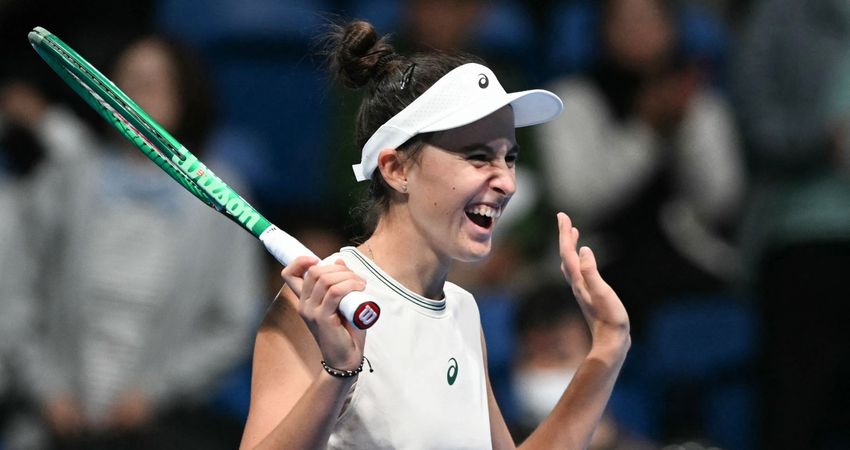
The final was the last chapter of a demanding week. Shnaider had already needed three sets to beat Aliaksandra Sasnovich 6-3, 5-7, 6-3. In the quarterfinals she survived a particularly severe examination against Alexandra Eala, winning 2-6, 7-6(5), 6-4 after coming within two points of defeat in the second-set tiebreak. Neither match resembled a straightforward march through the draw.
Her semifinal against 18-year-old wild card Mia Pohankova was another competitive assignment. Shnaider prevailed 6-4, 7-6(7), but the second-set tiebreak remained tight. That victory finally carried her into a first singles final of 2026 after four semifinal defeats earlier in the season. The week demanded endurance, recovery and the willingness to compete through awkward stretches.
Once she reached the championship match, Shnaider extended a remarkable career pattern. Her first WTA final ended in defeat to Ons Jabeur at Ningbo in 2023. She has now won six consecutive finals since that initial setback. Tokyo was her sixth career singles title, her fourth on hard courts and her third at WTA 500 level.
The victory is projected to lift her back to a career-high ranking of No. 11. That number reflects more than a single good week. Shnaider has been a persistent presence deep in tournaments even during a season without a title until November. The trophy changes the tone of that season because it supplies the missing championship result.
Her route also explains why the final's third-set recovery should not be treated as an isolated flash of resilience. She had already come through a three-set battle against Sasnovich, an escape against Eala and a tense semifinal against Pohankova. Each match demanded a different response. The final simply asked the most dramatic question of all: could she recover after losing a 4-0 lead with the trophy nearly in her hands?
By answering yes, Shnaider finished 2026 with a result that carries weight beyond the ranking points. She has shown that the pressure of a final does not automatically undermine her game, even when a seemingly certain win becomes uncertain. The six-straight-finals statistic is impressive; the circumstances of the sixth make it more persuasive.
Shnaider's Tokyo title will be recorded as a 6-4, 5-7, 6-2 victory, but the crucial details sit between the sets. She led 4-0, watched Fernandez transform the second set, faced three break points early in the third and refused to let the collapse become the ending. The ability to recover under that pressure made her first title of 2026 particularly meaningful.
Fernandez leaves Japan with another final and strong evidence that her Asian-swing resurgence is real. Shnaider leaves with her sixth career trophy, a projected return to No. 11 and a championship memory that required more than an easy afternoon. Tokyo did not show a player who never loses control. It showed one who could take it back.
Shop GOATIFY tennis products from the Tennis-filtered collection scope.

















