Yoshinobu Yamamoto Just Put the Dodgers One Win From Another NLCS
GOATIFYA battle of aces was supposed to make Game 3 of the NLDS feel balanced. Yoshinobu Yamamoto turned it into a reminder that October has become his stage. The Dodgers right-hander struck out a postseason career-high 10 over seven innings, allowed one run on four hits and carried Los Angeles to a 3-1 win over Atlanta and a 2-1 series lead.
The result matters beyond one dominant start. Los Angeles entered Atlanta after splitting the first two games at home, while Chris Sale had been saved specifically for this matchup. Instead, Yamamoto outpitched him, the Dodgers finally produced enough damage against Sale, and the defending champions moved within one win of a third straight NLCS appearance.
Yamamoto turned one dangerous inning into seven dominant frames
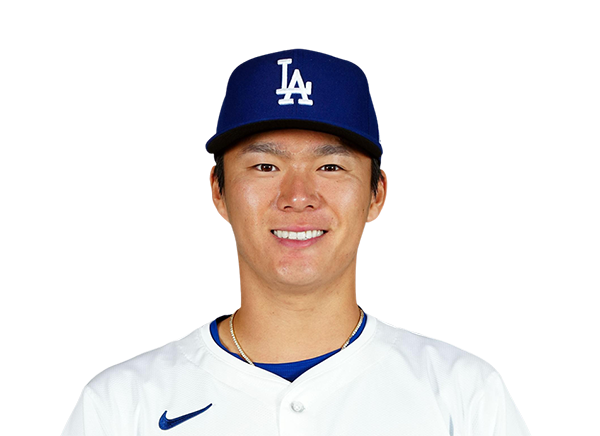
The most important part of Yamamoto's night was how little Atlanta could do once he established his splitter and command. He retired 12 of the first 14 Braves he faced and did not allow the lineup to build sustained pressure until the fifth inning.
That inning was his only real test. Atlanta loaded the bases with one out and scored on a Drake Baldwin groundout, trimming the margin without producing the hit that could have flipped the game. Yamamoto escaped, then finished seven innings with 10 strikeouts and only one run allowed. The performance made him the first Dodgers pitcher since Blake Snell in the 2025 Wild Card round to post at least seven innings, 10 strikeouts and one or fewer runs in a postseason start.
The bigger pattern is becoming difficult to dismiss. The Dodgers have won 10 of the 11 postseason games in which Yamamoto has appeared. His 2025 World Series run already established his willingness to take the ball in extreme situations, including relief work in Game 7. Game 3 against Atlanta added another kind of proof: he can control a swing game from the first inning rather than merely survive it.
The pitch mix explains why the strikeout total climbed. Atlanta had to honor the fastball at the top of the zone while Yamamoto could finish at-bats with the splitter below it. That vertical separation makes hitters commit before they can identify where the ball will finish. When the splitter is arriving from the same tunnel as the fastball, even disciplined lineups can look rushed.
His regular season made this less surprising than the stage suggested. Yamamoto finished 2026 with a 2.53 ERA, 182 strikeouts in 185 innings and a 0.87 WHIP. The Dodgers dealt with repeated rotation injuries, but he remained the stable piece. October is simply magnifying the trait Los Angeles relied on all year: he gives them length without sacrificing swing-and-miss stuff.
The Dodgers finally changed the script against Chris Sale
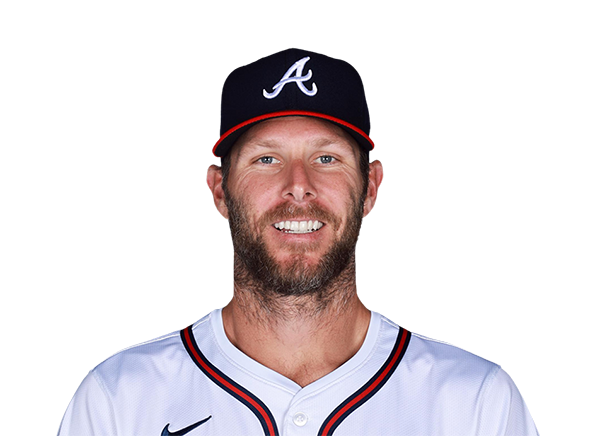
Sale had dominated Los Angeles in their August meeting, throwing a complete-game shutout while Yamamoto allowed only one run in a 1-0 defeat. That history shaped the anticipation around Game 3, especially after Atlanta deliberately kept Sale available on regular rest.
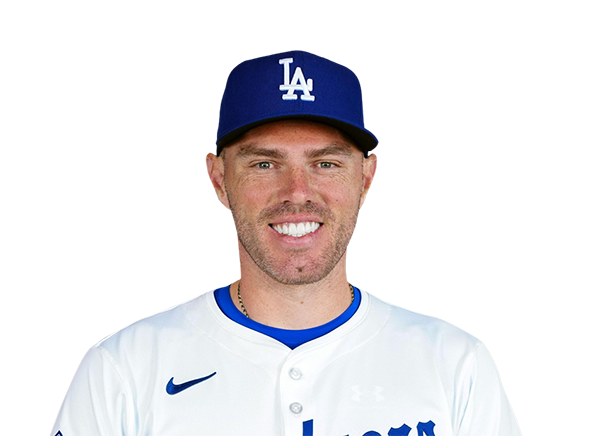
This time the Dodgers did enough. Kiké Hernández and Freddie Freeman supplied the home-run damage, and Los Angeles forced Sale out after five innings. Freeman's homer was his 18th in postseason play, while Hernández again added to a career built around October production.
The contrast mattered because Yamamoto never gave Atlanta the same opening. The Braves finished 0-for-6 with runners in scoring position, and the fifth-inning groundout was their only run. In a matchup built around two elite starters, Los Angeles won both sides of the margin: its hitters created just enough separation, and Yamamoto made that separation hold.
The home runs also changed the kind of game Sale could pitch. Atlanta's left-hander did not need to collapse for Los Angeles to gain control; he only needed to make a couple of mistakes while Yamamoto made almost none. That is the danger in an ace-versus-ace matchup. A solo homer can carry the value of a multi-run rally because the opposing offense may not get another clean chance.
Freeman's contribution carried extra weight in Atlanta, where he spent the first 12 seasons of his career. The Dodgers did not need a huge offensive night from the middle of the order. They needed enough damage to prevent Sale's strong stretches from becoming another shutout, and their veteran hitters supplied exactly that.

A 2-1 lead gives Los Angeles the leverage Atlanta tried to create
A 2-1 lead in a best-of-five series changes the pressure immediately. Historically, teams that win Game 3 after a 1-1 tie have advanced roughly seven times out of ten. The Dodgers now have the first chance to end the series in Atlanta rather than return home for a winner-take-all Game 5.
That also changes how Dave Roberts can think about his pitching staff. Yamamoto has shown he is willing to work in relief or on shorter rest if the postseason demands it, but a Game 4 clincher could preserve him for the NLCS instead of forcing another emergency appearance.
For Atlanta, the frustration is sharper because the plan worked up to the point where the game started. The Braves won Game 2 without using Sale and got their ace on regular rest for the pivotal matchup. Yamamoto simply beat the plan. The series is not over, but Los Angeles now owns the leverage Atlanta spent two games trying to create.
The immediate question is whether Los Angeles can finish the job without turning its rotation into an emergency plan. Tyler Glasnow is positioned for Game 4, giving Roberts another power arm with a chance to close the series. A win would let the Dodgers reset before the NLCS and keep Yamamoto on a normal schedule.
If Atlanta extends the series, Los Angeles still has the advantage of returning home for Game 5. That is why Yamamoto's seven innings were valuable beyond the scoreboard. He reduced the bullpen burden, protected the rotation plan and transferred virtually all of the urgency to the Braves. One start changed both the standings and the Dodgers' menu of options for the next several days.

Yamamoto's 10-strikeout night did more than give the Dodgers a postseason win. It reversed the August script against Sale, protected a narrow lead when Atlanta finally created traffic and put Los Angeles one victory from another NLCS.
The Dodgers have a roster full of stars, but October keeps narrowing the spotlight onto the same pitcher. Yamamoto entered this postseason with a reputation for handling the biggest innings. Game 3 strengthened it: when the series finally reached its first true swing game, he was the player who made it feel least uncertain.