

Larry Wheels Built a Career Around Doing Things Most Lifters Are Told Not to Try
UPLIFT IRON CLUBLarry Wheels made extreme strength his brand
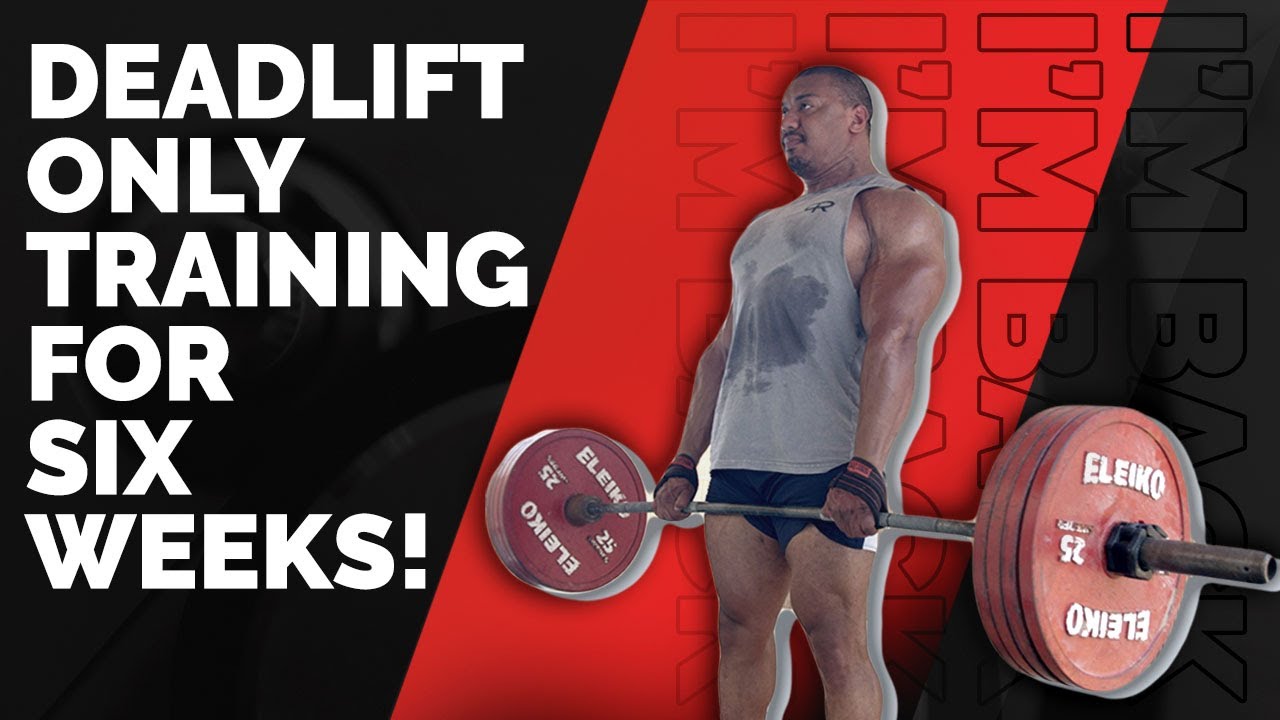
Larry Wheels built his public identity around the sort of lifts that make normal gym rules look optional. That reputation did not arrive from one viral clip. Long before the crossover into bodybuilding, strongman and arm wrestling, he was already known for combining a bodybuilder’s muscularity with powerlifting numbers that looked wildly out of scale with his age.
His origin story helps explain the mentality. In interviews, Wheels has described starting with crude homemade weights before getting access to a real gym as a teenager. Once proper equipment became available, the appeal of measurable strength took over. Squat, bench and deadlift gave him numbers he could chase, and social media gave those numbers an audience. The combination was perfect for an athlete willing to test limits in public.
That willingness is what separates the spectacle from the useful lesson. Most lifters should not copy the specific weights, one-arm stunts or max-effort frequency they see in highlight clips. What is worth copying is the obsession with measurable progression. Wheels’s career grew around hard numbers: more weight, more reps, a bigger total, a stronger variation. Even when he moved toward bodybuilding or strongman, the training still had an objective outcome rather than being random hard work.
The spectacular lift is usually the visible end of a much less spectacular process. Warm-ups, repeated technique practice, recovery, coaching and long stretches of submaximal work rarely make the thumbnail. The lift that goes viral is not the whole program.
The deadlift was never just a party trick
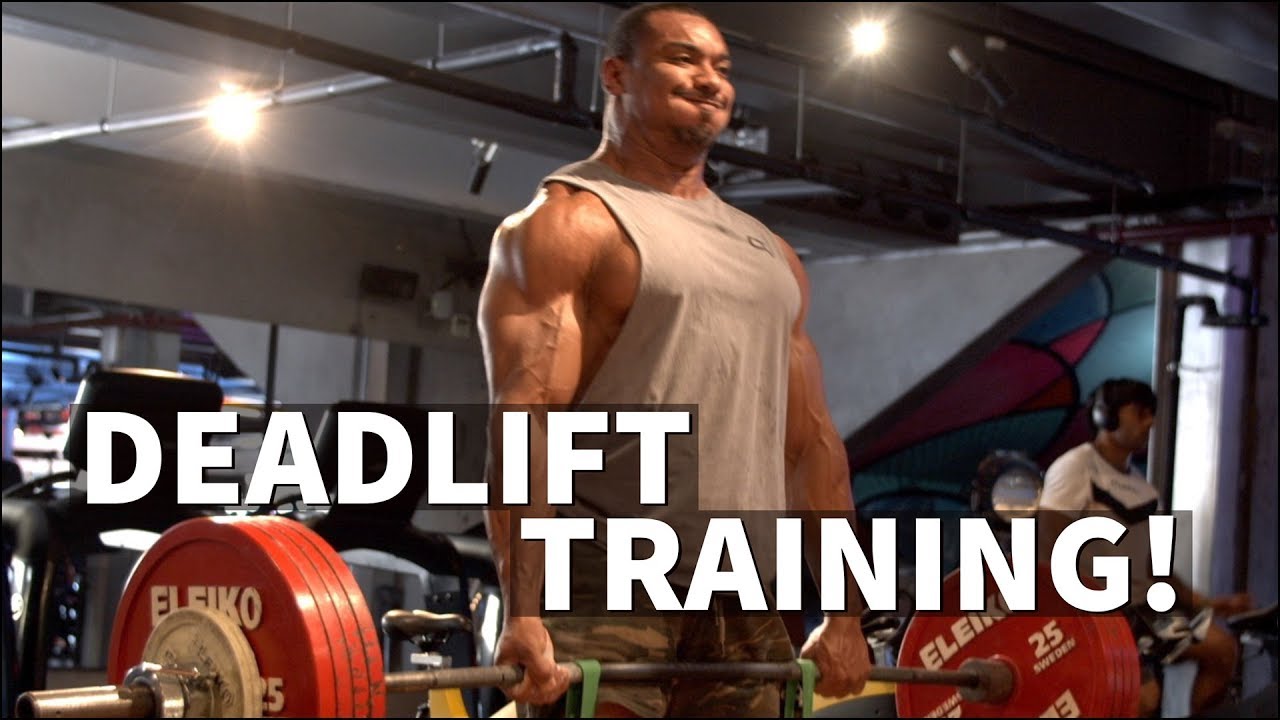
Deadlifting became one of the clearest examples of how Wheels mixed risk, skill and progression. Muscle & Fitness published a deadlift-focused session built around working up to a heavy set, then following it with rows, pulldowns and arm work. The structure matters because it looks more conventional than the internet mythology around him: one primary strength movement, then assistance work that supports the back, grip and upper-body musculature.
The headline numbers can tempt lifters to reverse that logic. They see a huge pull and decide that the fastest route to strength is testing a huge pull every week. Usually the opposite is more productive. A heavy single or rep PR works best when it is the result of accumulated training rather than the training itself. Wheels has used structured programming, coached phases and lower-frequency heavy work precisely because maximal strength needs recovery.
For an ordinary lifter, a useful Wheels-inspired deadlift day might mean one top set that is hard but technically controlled, followed by two or three back-off sets and a few assistance movements. Rows build the upper back, Romanian deadlifts or hamstring work strengthen the hinge, and trunk work helps maintain position. The exact exercises matter less than preserving a clear hierarchy: the competition-style lift first, support work second.
There is also an important psychological lesson. Extreme lifters are good at making hard weights look normal. That can distort expectations. If your deadlift is improving by small increments while your technique stays stable, you are doing the same basic job at a different scale. The goal is not to make your training look like Larry Wheels; it is to make your next training block stronger than your last one.

Bench pressing showed the value of technique and coaching
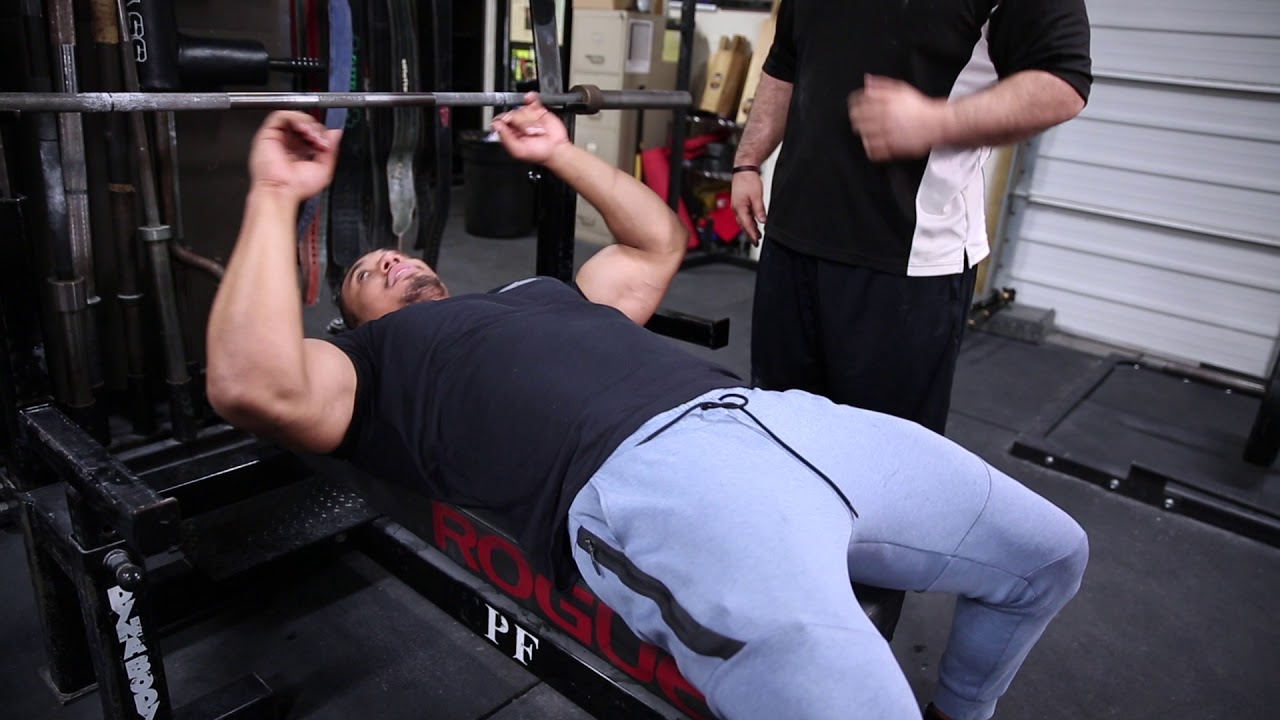
Wheels’s bench press history is another reminder that raw aggression is only part of elite strength. Footage with coaches and other top powerlifters shows pauses, grip choices, warm-up pyramids and repeatable setup. That is less cinematic than throwing another plate on the bar, but it is where heavy pressing becomes reproducible.
When Wheels trained with John Haack, coverage highlighted differences in grip width and how both lifters controlled the bar before driving to lockout. His published bench programs have also used paused work, overload variations and planned rep targets rather than constant spontaneous maxing. Those details matter because the bench punishes small technical errors when the load gets high.
Normal lifters can borrow this without copying specialized boards, chains or slingshots. Use one setup every rep. Pick a grip that lets the forearms stay reasonably vertical near the bottom. Touch the same area of the chest. Keep the upper back tight and treat the pause as control rather than dead time. Then progress the load only when that pattern remains repeatable.
The broader point is that coaching changed the shape of Wheels’s training. Interviews around his rise mention working with strength coach John Gaglione and learning to moderate some of the all-out habits that had produced recurring minor injuries. That evolution is more useful than the highlight reel. Being strong enough to create enormous forces makes technique and fatigue management more important, not less.
Powerlifting, bodybuilding, strongman and arm wrestling all fed the same idea
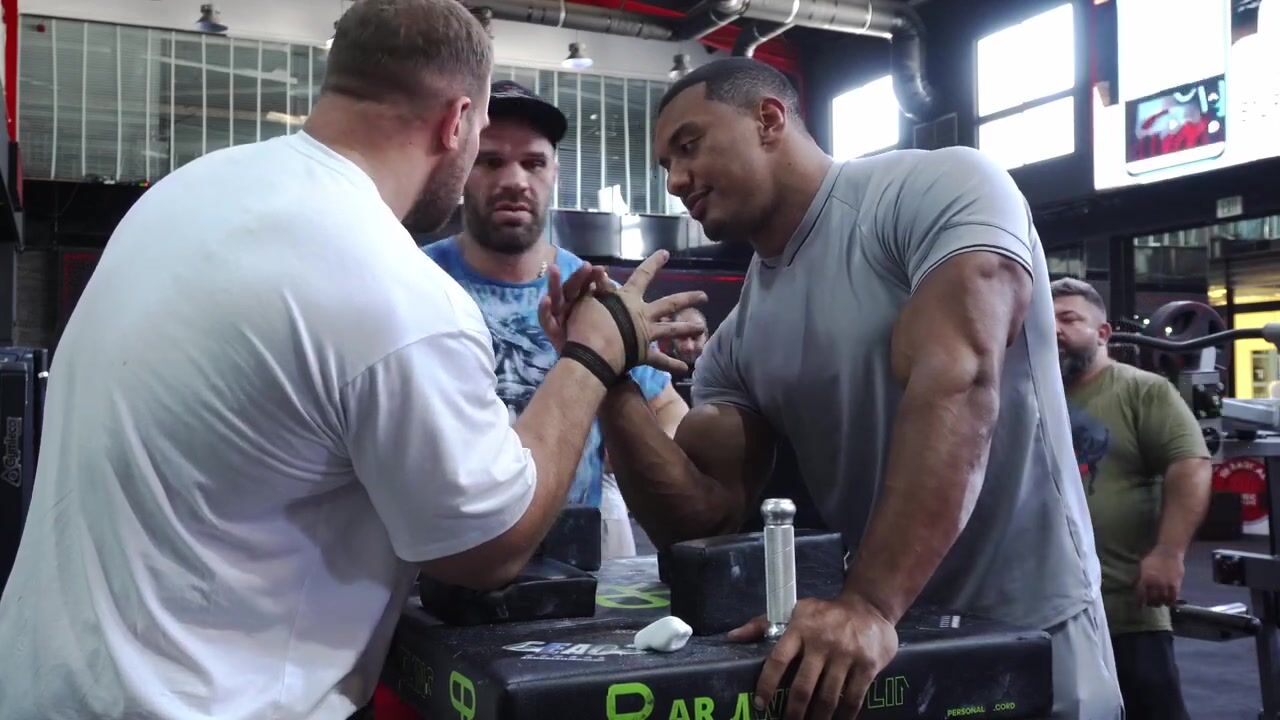
One reason Wheels remained interesting after his first powerlifting records is that he kept changing the test. He competed in bodybuilding, trained strongman events, pursued arm wrestling and continued returning to the barbell. Those sports reward different qualities, but they overlap around a simple theme: produce force with a body that can tolerate training.
That crossover exposed both strengths and limits. A powerlifter can be brutally strong in a squat, bench and deadlift without automatically having the technical efficiency of an experienced strongman on a log or the hand and tendon conditioning of a seasoned arm wrestler. Wheels’s willingness to enter those environments made the learning process visible. Being strong gives you a head start; it does not erase skill.
For lifters, that is a useful antidote to specialization anxiety. You can spend a season prioritizing hypertrophy without losing your identity as a strength athlete. You can add carries, sleds or conditioning without ruining your squat. You can even train a new skill for fun. The key is accepting that each new goal needs some dedicated practice and that not every quality can peak at once.
Wheels’s best training phases reflect this. When powerlifting is the target, the big three get priority. When bodybuilding matters, volume and muscle-group work increase. When a strongman event is coming, the event itself has to be practiced. The extreme version of multi-sport strength still follows the same programming principle as a normal gym plan: decide what matters most right now, then let the rest support it instead of competing with it.

The part of Larry Wheels you should not copy is the recklessness
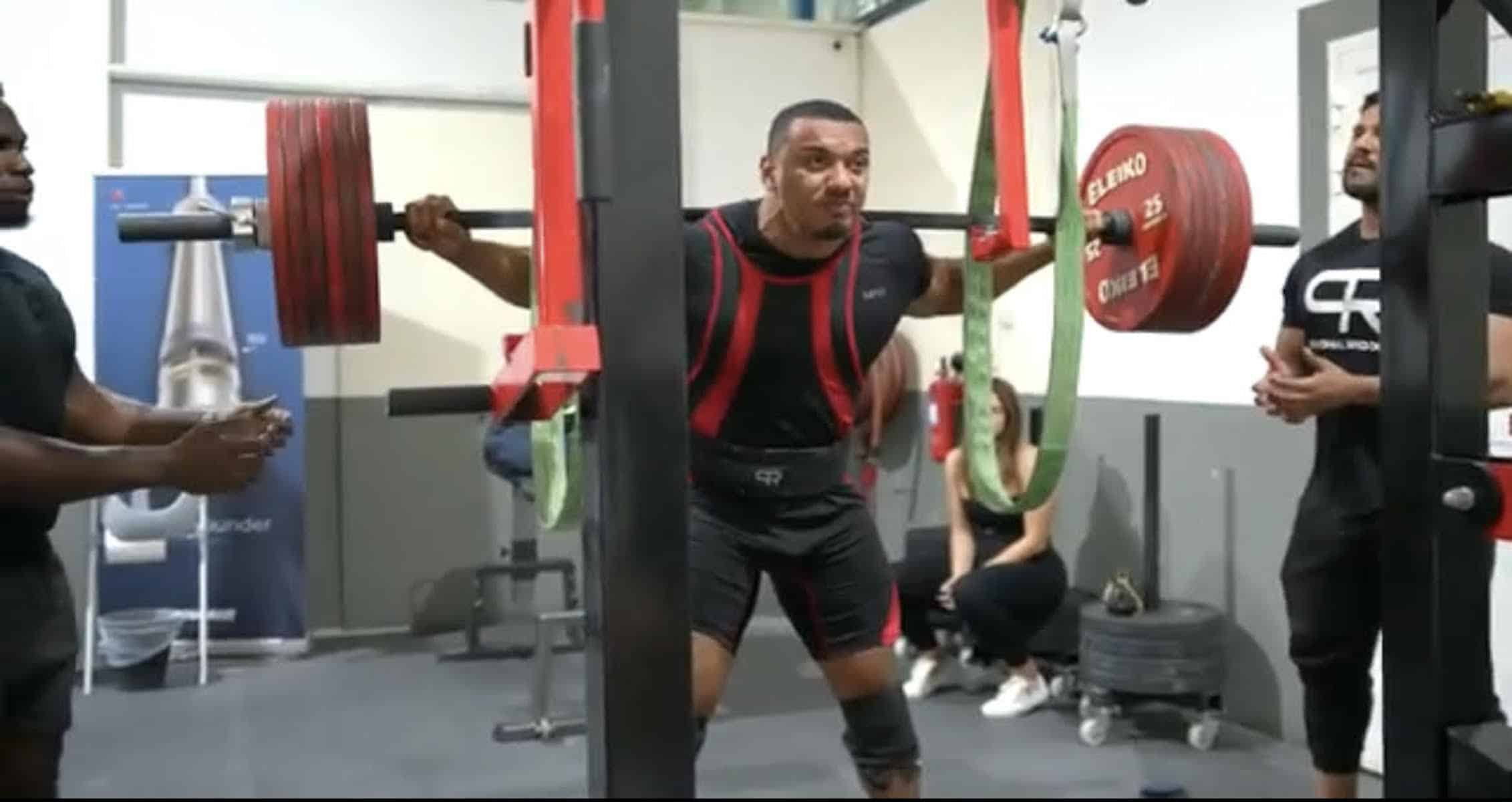
A career built around exceptional feats also makes a good case for respecting the cost of exceptional feats. Wheels has spoken publicly about injuries, recovery, drug use and periods when pushing harder was not the same thing as progressing better. That context matters whenever a viral lift gets treated like a training recommendation.
Heavy strength training always involves risk, but risk is not binary. A technically clean triple at a planned load is not the same decision as an improvised max after fatigue. Using safeties, spotters and a competent setup changes the downside. Leaving a rep in reserve during ordinary training changes how often you can practice. Taking a deload or reducing frequency can be the move that keeps a long training year intact.
The same caution applies to performance-enhancing drugs. Wheels has discussed past use openly and has warned about consequences. That history should not be turned into a shortcut narrative. The training information that transfers to most people is the boring part: progressive overload, enough food, enough sleep, intelligent exercise selection, technique and recovery. Pharmacology does not replace those variables, and copying someone else’s drug use is not a rational way to copy their results.
So what should a normal lifter take from Larry Wheels? Chase numbers, but earn them. Keep a clear main lift. Use assistance work to solve actual weaknesses. Learn from stronger people. Change goals deliberately instead of randomly. And when a lift becomes risky enough that the downside is larger than the training benefit, have the discipline to save the stunt for someone whose career actually depends on doing stunts.
Another underrated part of strength progression is repetition quality. A lifter does not need a new variation every week to keep training interesting. Repeating the same squat, bench or deadlift setup gives you feedback: bar path, speed, sticking points and recovery become easier to judge. Wheels’s most impressive numbers came from years spent returning to the same basic patterns, not from avoiding them. Novelty can be useful, but specificity is what turns practice into skill.
Likewise, recovery should be treated as part of the program instead of time away from it. If a maximal session makes the next three sessions worse, the cost was larger than the single-day benefit. Strong lifters earn the right to train heavy by managing the days around the heavy work. That principle applies whether your deadlift is 180 kilograms or more than twice that.
Keep progressing deliberately.
That is the irony of Wheels’s career. The internet remembers the impossible-looking rep. The sustainable lesson is that the athletes who last eventually learn when not to take one.

Funny gym shirts, tanks, hoodies and workout gear for lifters who like training hard and not taking gym culture too seriously.
EXPLORE COLLECTION










