Fury vs Joshua Is Finally Official — So Why Are the Promoters Still Fighting?
GOATIFYTyson Fury and Anthony Joshua spent years being the fight British boxing could not quite make. Now that the date, venue and broadcast are finally in place, the strangest battle around the event is happening outside the ring.
Fury and Joshua are scheduled to meet on December 11 at Principality Stadium in Cardiff, with Netflix carrying the fight globally. Yet Eddie Hearn and Dana White are still publicly contradicting each other over White and Zuffa Boxing's role. Hearn says the signed structure excludes them from promoting the event. White says he is not only involved, but that the UFC production operation will produce the show. The fighters have finally stopped being the uncertain part of Fury-Joshua; the business around them has not.
The fight is signed — the argument is now about control
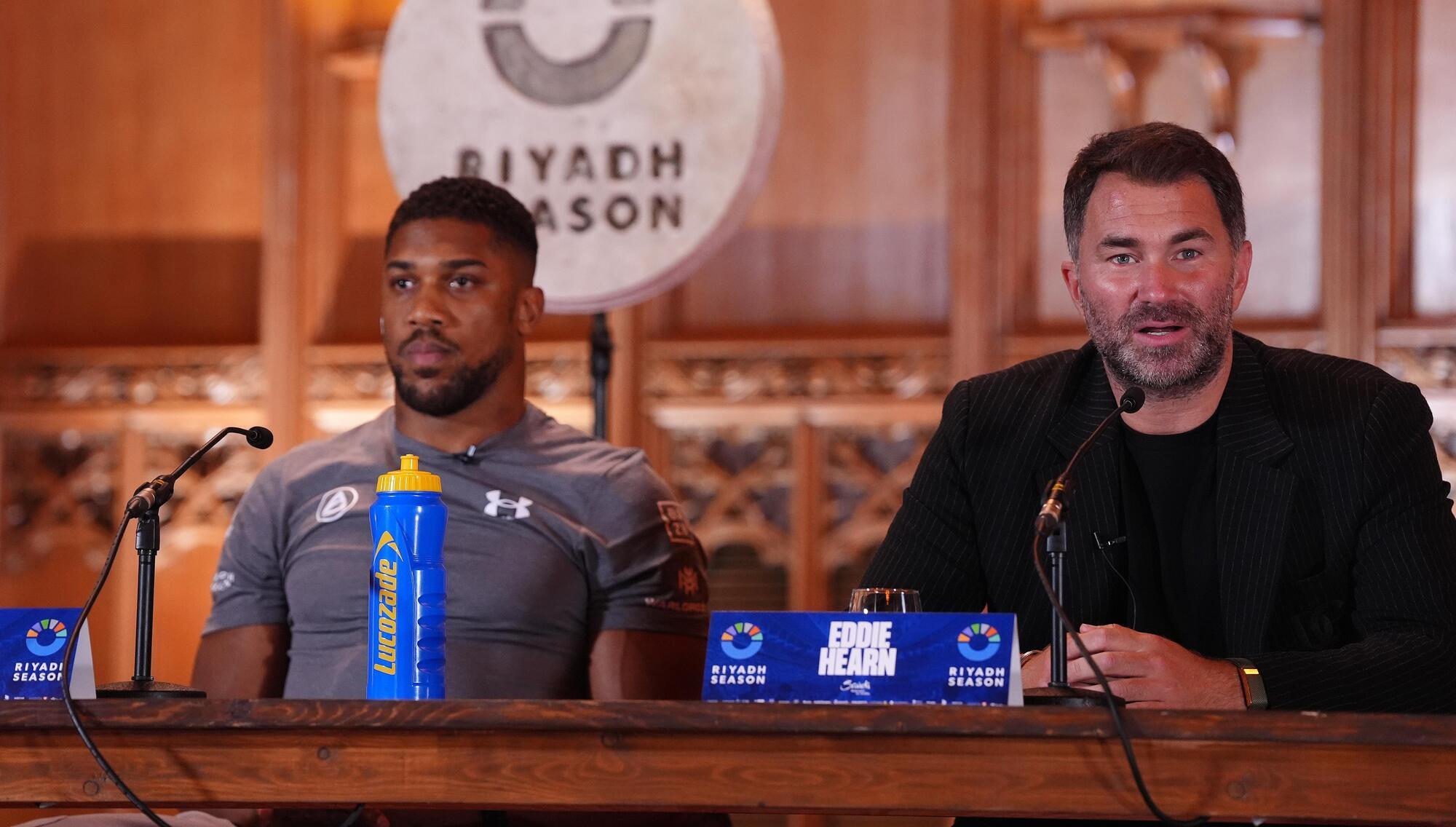
The fight itself is much more settled than the argument around it. Fury and Joshua have appeared together at the launch event, the bout is scheduled for December 11 in Cardiff, and Netflix is carrying it globally. The remaining public disagreement is about authority around the event rather than whether the two heavyweights have agreed to fight.
Hearn says White and Zuffa Boxing are not official promoters under Matchroom's agreements. White says his side is involved and that the UFC production operation will produce the show. Those positions may ultimately describe different functions, because producing a broadcast and being the licensed promoter of record are not necessarily the same job.
That distinction matters. Boxing traditionally bundles fighter relationships, promotion and event presentation together. Fury-Joshua may instead demonstrate a hybrid structure. The public noise makes the event look unstable, but the underlying question is narrower: which company controls which part of a massive show that is already contracted around two superstar fighters?

Dana White is testing how far the UFC model can travel into boxing
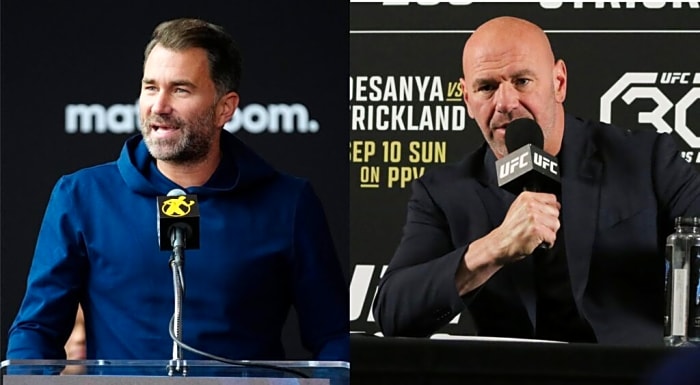
White's interest is bigger than one heavyweight event. Zuffa Boxing is an attempt to bring a more centralized combat-sports model into a sport built around independent fighters, managers, sanctioning bodies and promoters. Fury-Joshua is the perfect stage to demonstrate influence because it is enormous and globally distributed without White needing to own either fighter's career.
Production is especially important. The UFC has spent decades building a repeatable live-event television machine. If that operation produces the Netflix show, White can have a meaningful operational role even if Zuffa is absent from formal British promotional paperwork. Hearn's counterpoint is equally clear: production expertise does not erase contractual rights or turn an outside company into Joshua's promoter.
The argument therefore sounds personal while being structural. Hearn is defending a model where the promoter's relationship with the fighter carries leverage. White comes from a model where the platform and event system carry the leverage. Saudi investment and Netflix distribution make the boundary easier to blur.
That split also changes what success would look like for White. He does not need Zuffa Boxing's name above every poster to prove the model can matter. If his production team helps deliver a polished global broadcast for one of the biggest heavyweight fights of the decade, it becomes a proof of concept for future events where Zuffa may seek a larger commercial role. Hearn, meanwhile, has every reason to draw a bright line around promotional ownership because Matchroom's value rests on its fighter relationships, negotiating position and ability to build events around them. The Cardiff fight can accommodate both functions, but only if everyone stops treating production, promotion and representation as interchangeable words.
Joshua has more leverage than a normal fighter in this dispute
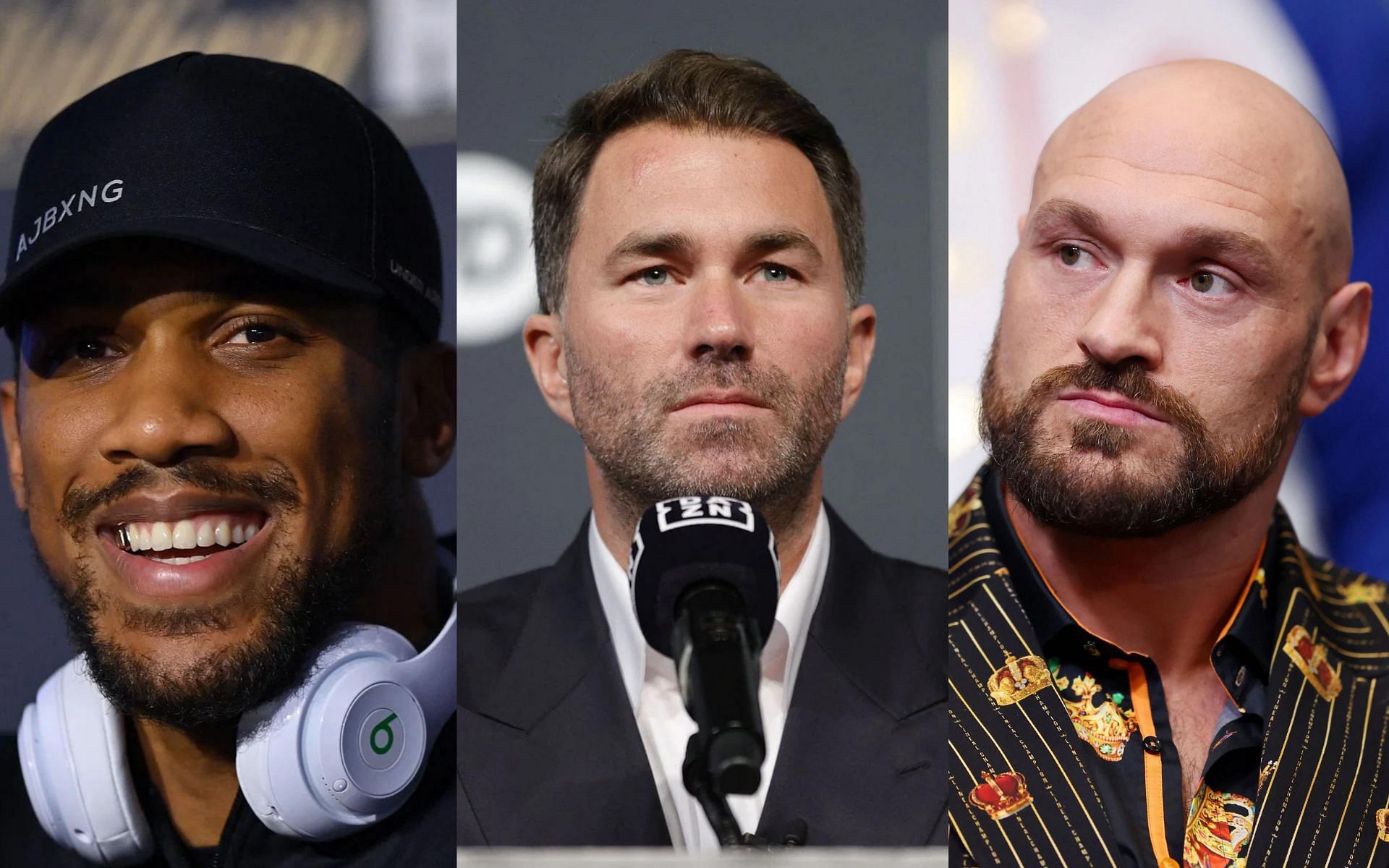
Joshua is not a passive asset in this argument. Hearn says the former champion accepted a substantial reduction in potential earnings to bring the fight to Britain rather than stage it in New York. The exact figure matters less than the principle: Joshua wanted the event at home badly enough to use his leverage to shape where it happened.
He has also publicly backed Hearn during the dispute over White's role. That matters because mega-fight politics normally assume enough money eventually overrides promoter loyalty. Joshua's position suggests limits. His relationship with Matchroom spans virtually his entire professional career, and Fury-Joshua is as much a legacy event as a payday.
Nobody benefits from turning that leverage into another cancellation. Both fighters are late enough in their careers that another failed negotiation would be uniquely damaging. The rational outcome is a functional compromise: licensed promoters retain their rights, production specialists perform the jobs they are contracted to do, and nobody needs to pretend those are identical roles.
The irony: Fury and Joshua now look calmer than the business around them
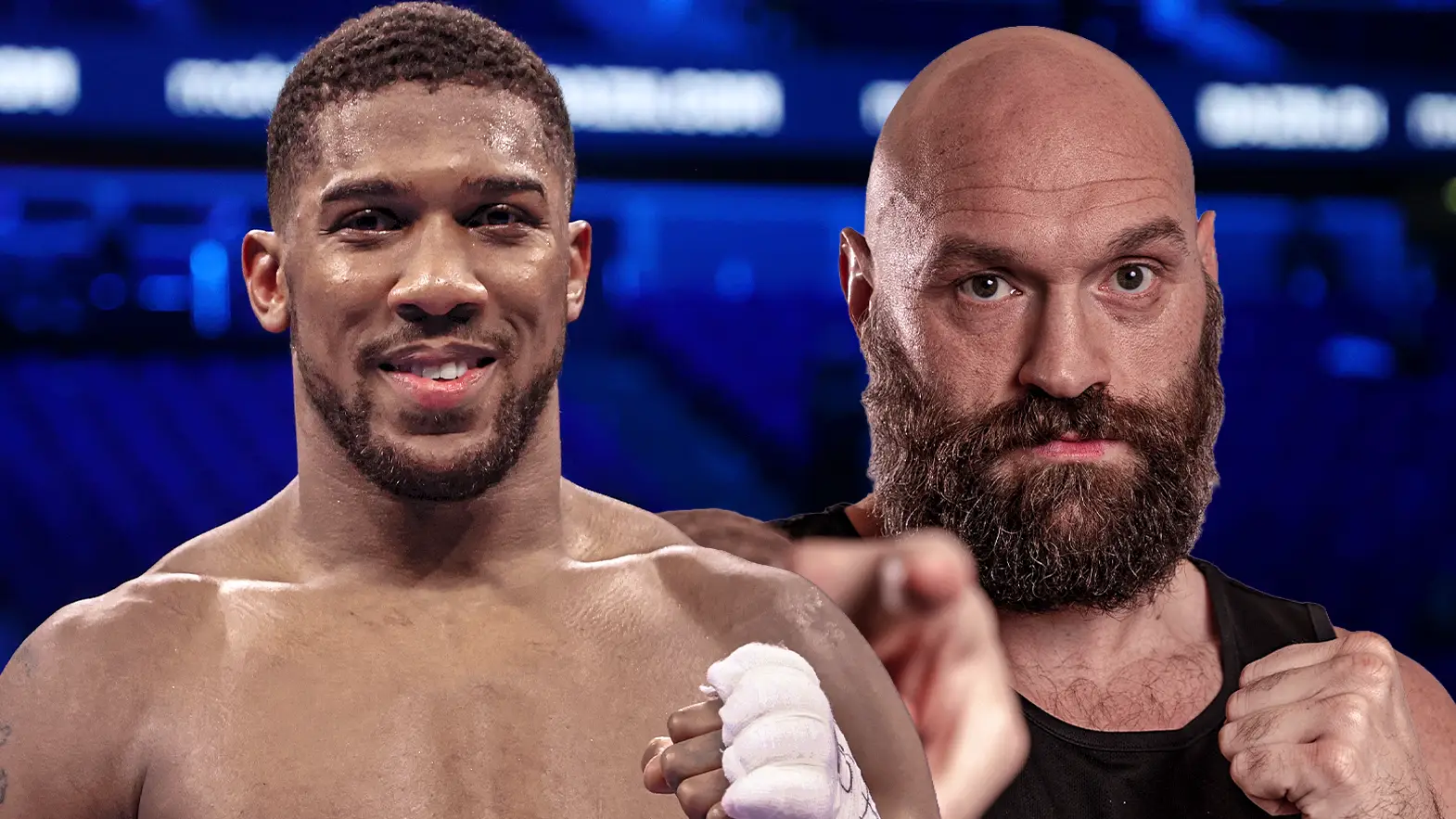
The launch event produced a reversal few would have predicted years ago. Fury and Joshua, whose rivalry spent a decade generating insults and hypothetical matchups, were comparatively respectful. Fury praised Joshua's achievements, the pair joked during their face-off, and the atmosphere suggested two veterans who understand what the fight means to their careers.
That makes the promoter feud feel unnecessary. Fury-Joshua does not need a secondary storyline to sell it. Two former heavyweight champions, contrasting styles, a domestic rivalry, a major stadium and a global streaming platform already provide enough. Every day spent debating who is allowed to call himself a promoter risks making the event look unstable rather than more interesting.
The best sign for December is that the fighters finally appear aligned on the essential point: they want to fight. Both cleared comeback bouts and stood together in London. After years in which the athletes were the missing piece, the task for everyone around them should be simple: stop creating new obstacles and let the machinery disappear behind the spectacle.

The irony is that Fury-Joshua spent a decade being delayed by the usual boxing obstacles: rival broadcasters, rival promoters, timing, belts and money. Now the fight is contracted, the venue is booked and the broadcaster is global, yet another argument over control has appeared around it.
That does not automatically mean December 11 is in danger. It does mean the build-up is revealing a bigger contest over who gets to define major boxing events in the next era. Hearn is defending the value of fighter relationships and contractual promotional rights. White is testing whether the UFC's production machine and Saudi backing can give him influence without the traditional path. Fury and Joshua, meanwhile, have reached the point where their names are bigger than either argument. The smartest outcome is for the business to become invisible and let the fight finally be the story.