

Treadmill Walking After 50: The Incline, Speed and Safety Settings That Matter
UPLIFT IRON CLUBTreadmills are often treated as the boring corner of the gym, but for adults who want dependable cardio without worrying about weather, uneven ground or complicated programming, that predictability is exactly the advantage. A fresh Tom’s Guide feature highlighted a personal trainer’s recommendation for older adults: use the machine’s controls instead of simply walking at one flat setting forever.
The most useful idea is modest rather than extreme. A gentle pace, a small amount of incline, gradual progression and basic safety habits can turn treadmill walking into a repeatable conditioning tool. For lifters over 50, the same approach can also add aerobic work without turning every cardio session into a recovery problem.
Start With a Pace You Can Control Before Chasing Incline
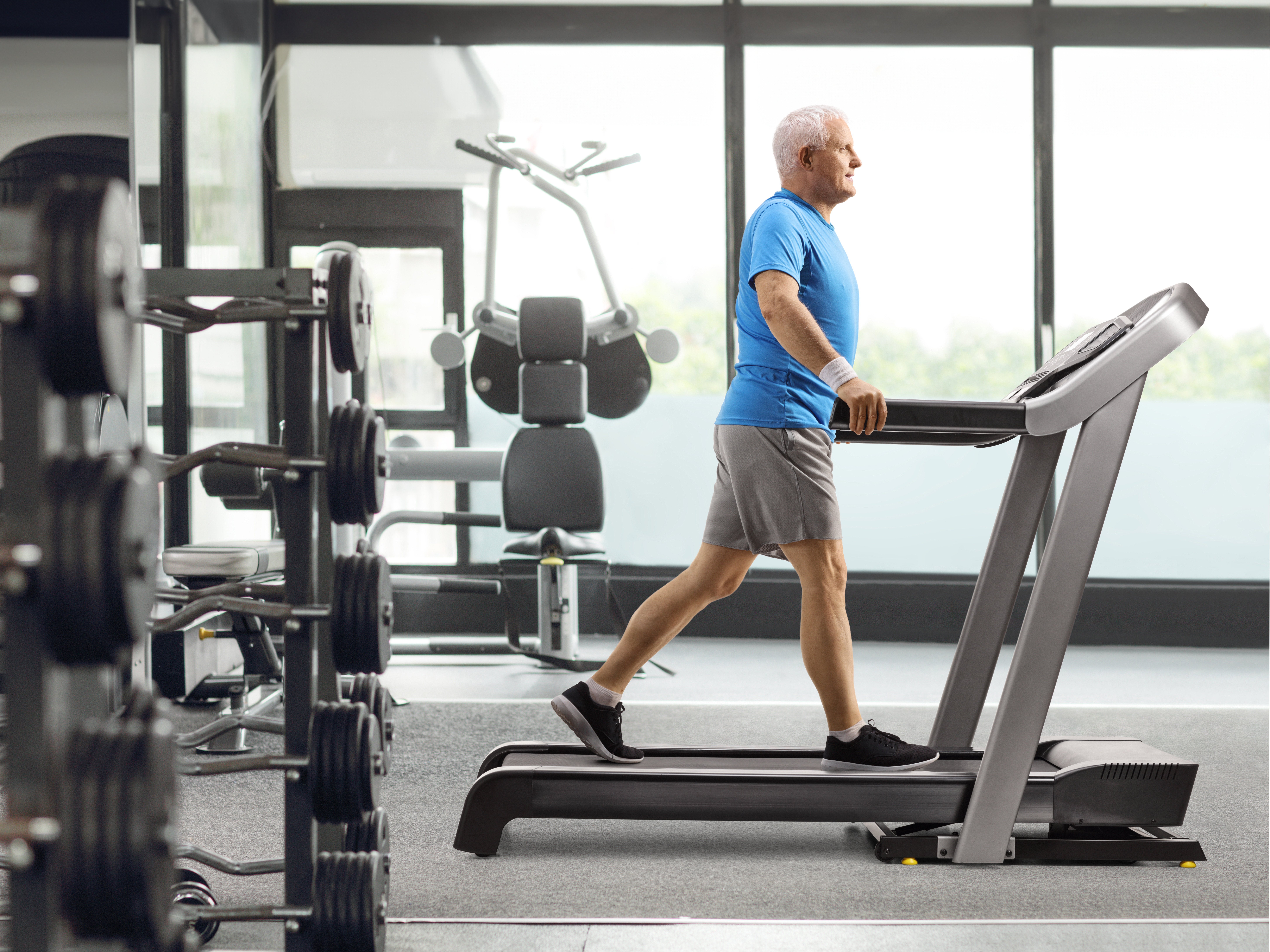
The first useful treadmill setting is not a magic speed. It is a pace that lets you walk normally. If the belt is moving so quickly that you are reaching for the rails, shortening every step or leaning backward to keep up, the number is too high for the purpose of the session.
That matters more with age because confidence and balance can change even when strength remains good. The controlled environment of a treadmill is valuable only when the person using it is actually in control. Begin with several minutes of easy walking, let your stride settle, then increase speed in small steps rather than jumping straight to a number you think you “should” be able to hold.
For moderate cardio, conversational effort is a practical guide. You should be breathing harder than at rest but still able to speak in short sentences. CDC guidance for adults 65 and older recommends at least 150 minutes of moderate aerobic activity each week, alongside strength and balance work. Treadmill walking can contribute to that total without replacing the lifting that helps preserve muscle and function.
A 1–3% Incline Can Make Walking Harder Without Turning It Into Running

The Tom’s Guide piece highlights a modest 1–3% incline as an underused option for older exercisers. That is a much more sensible starting point than steep social-media treadmill challenges that ask people to crank the deck upward and hang on for survival.
A small incline raises the demand without requiring a dramatic increase in belt speed. That can be useful when faster walking feels awkward, when running is not desirable, or when you simply want a little more cardiovascular work from the same time on the machine. The important word is small. There is no need to turn a basic walk into a hill-climb test on day one.
Incline also changes muscular demand. Calves, glutes and the muscles around the hips have to contribute differently as the slope rises. For someone who lifts, that means incline walking belongs in the same recovery budget as other lower-body work. A gentle incline after an upper-body session may be easy to tolerate; a long steep walk the night before heavy squats may not be.

Use the Safety Controls Before You Need Them
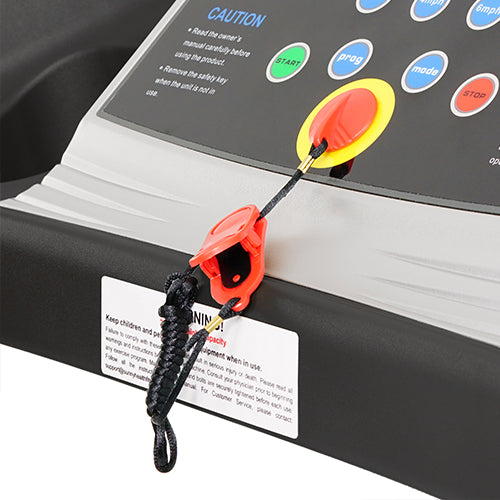
The least exciting treadmill feature may be one of the most important: the emergency stop clip. Attach it before the belt starts moving. If you drift too far backward or lose your footing, the tether can stop the machine rather than letting the belt continue under you.
Handrails are useful for getting on and off and for regaining balance, but they should not be used to justify a speed or incline you cannot otherwise control. Constantly hanging from the rails changes posture and gait. If you need to pull yourself forward to stay on the machine, reduce the setting and rebuild from there.
Make changes gradually as well. The console makes it easy to jump from easy walking to a much harder workload in one button press, but your tendons, feet and calves do not adapt at touchscreen speed. Increase one variable at a time: a little more duration, then perhaps a little more speed or incline.
A Simple Treadmill Session for Lifters Over 50

You do not need a complicated interval program to make treadmill walking productive. Start with five easy minutes at 0–1% incline. Then spend 15–25 minutes at a pace that feels purposeful but sustainable, using roughly 1–3% incline if that feels comfortable. Finish with another three to five easy minutes.
If you want more challenge, change one thing. Add five minutes to the middle block, raise the incline slightly, or introduce short periods of faster walking. The Tom’s Guide feature also suggests run/walk intervals for people who are ready for them, but running is optional. Walking faster or using incline can raise effort without forcing impact that you do not want.
For lifters, two to four treadmill sessions per week can fit around resistance training depending on total activity and recovery. Keep easier walking on hard leg days, and place longer or more demanding incline work after upper-body training or on separate days. The goal is to make cardio support your ability to train and stay active, not compete with it.

The broader lesson is that treadmill training gets better when the controls have a purpose. Speed sets the base demand. Incline lets you increase effort without necessarily increasing impact. Duration builds work capacity. Use those tools deliberately and a treadmill becomes much more than a place to collect steps while staring at the clock.

Cardio Shirts & Endurance Gear
Running, walking and conditioning designs for people who know cardio still counts.
EXPLORE COLLECTION










