Reese Drops 30 and 16 — Atlanta's First Finals Win Changes Everything
GOATIFYAtlanta needed more than a better shooting night to rescue its WNBA Finals. After watching a late lead disappear in Game 1, the Dream needed their best player to control the contest for all four quarters. Angel Reese answered with 30 points, 16 rebounds, three assists and two blocks, powering a 79-65 victory over the Golden State Valkyries on Monday, October 19, to level the best-of-seven championship series at 1-1.
The final margin makes the response look comfortable. It was anything but that through halftime. Golden State's defense had already shown how quickly it could squeeze Atlanta's offense, and both teams carried foul trouble into the second half. Then the Dream changed the rhythm: they disrupted passing lanes, turned mistakes into transition points and made the third quarter a test the Valkyries could not pass. Reese was the headline, but Atlanta's defensive identity was the mechanism behind its first WNBA Finals victory.
Reese's 30-and-16 response was about much more than volume
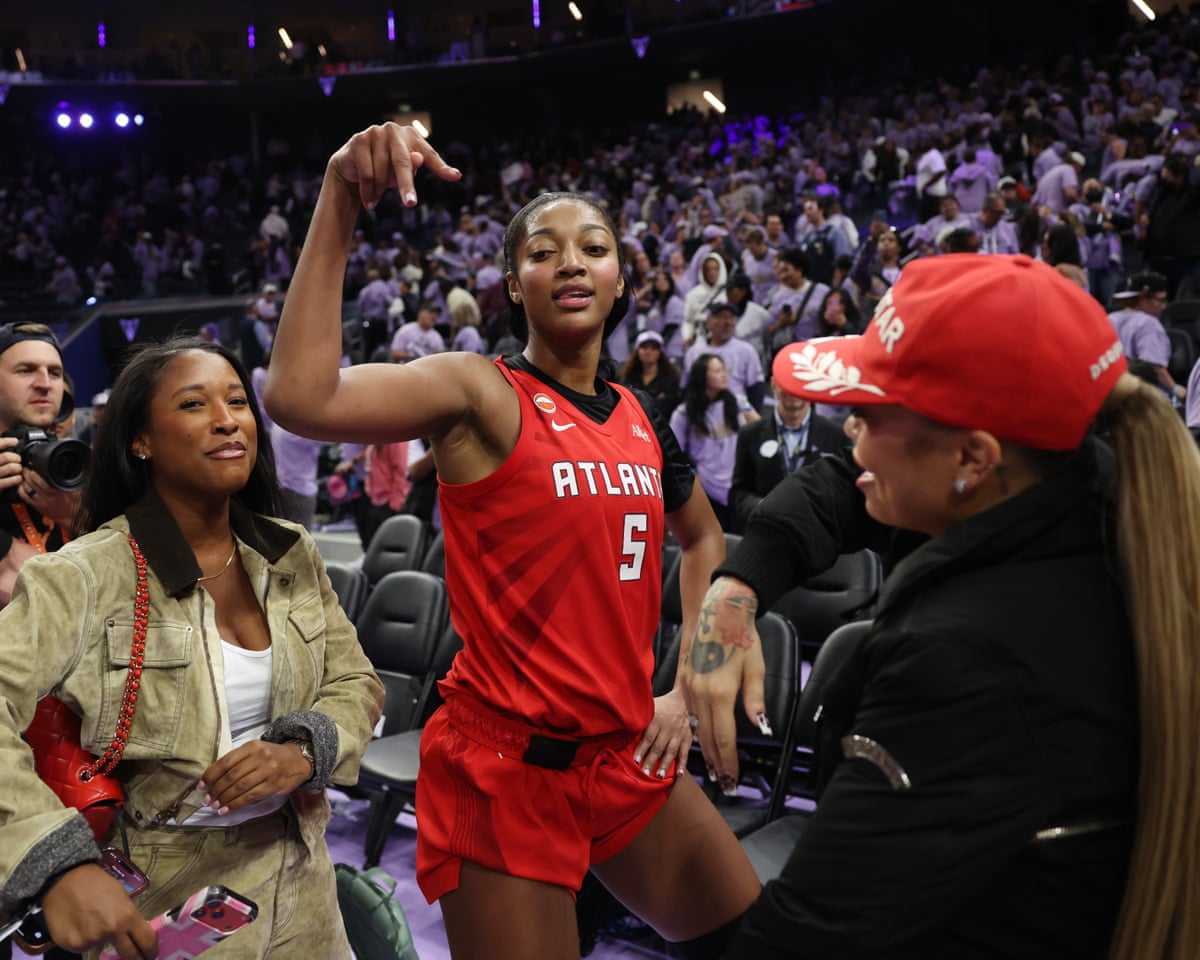
Reese had already established that she could hurt Golden State in the paint. In Saturday's opener she scored 14 points and grabbed 12 rebounds, but she was shut out after halftime as the Valkyries closed the game on a decisive defensive run. The lesson was not that Atlanta needed to abandon its interior attack. It was that the Dream needed to sustain their physicality and make Reese part of the offense even when the initial action stalled.
On Monday she scored 15 points before the break and finished 10-for-16 from the field and 9-for-11 at the foul line. The efficiency matters because it was not simply a matter of forcing more attempts. Reese converted high-value chances, drew contact and made Golden State defend repeated possessions around the basket. Her 16 rebounds helped keep the Dream competitive in the physical exchanges that had defined Game 1. She also contributed three assists and two blocks, giving Atlanta influence on possessions that never ended with her shot.
The performance entered the Finals record book. Reese became only the third player to produce at least 30 points and 15 rebounds in a WNBA Finals game, joining Jonquel Jones in 2019 and Breanna Stewart in 2020. At 24, she was also the youngest to reach that combination. Those are impressive milestones, but the timing makes them more significant: this was a response to a defeat that had exposed the Dream's late-game execution.
Head coach Karl Smesko saw a different level of intent before tipoff, and Golden State's Kiah Stokes acknowledged how assertively Reese attacked. The important distinction is between aggression and impatience. Reese carried three fouls at halftime, yet stayed effective rather than turning her frustration into a disqualifying fourth or fifth. Atlanta got the physical presence it needed without sacrificing her availability for the closing stretch. That balance is exactly what the Dream will need again when the series moves home.

Six Howard steals and 24 turnover points flipped the Finals matchup
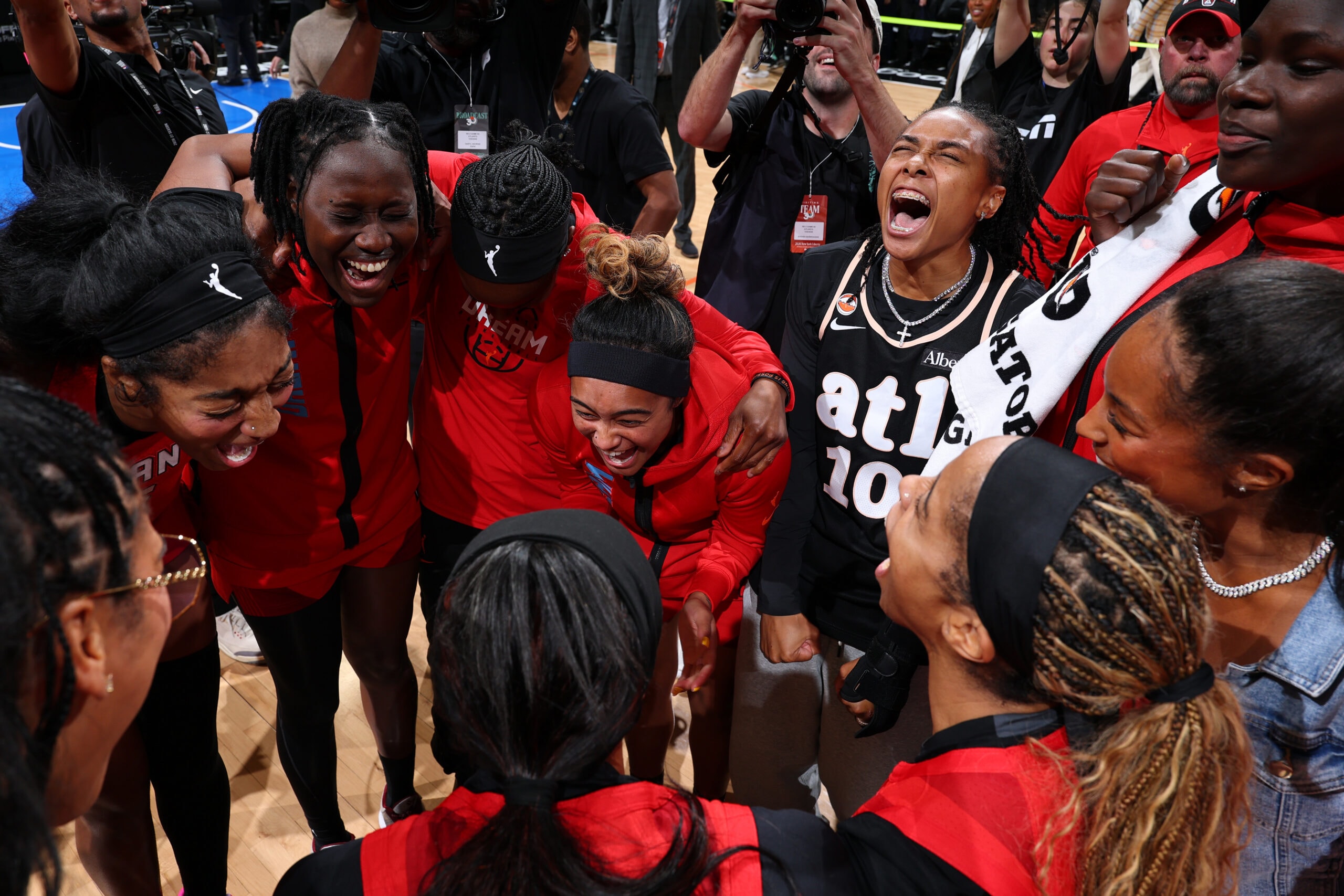
Golden State built its Finals advantage on disciplined defense, but Atlanta showed in Game 2 that it can make the Valkyries play the same uncomfortable kind of basketball. Rhyne Howard recorded six steals, a WNBA Finals single-game record. That number captures more than individual anticipation: Atlanta repeatedly took away clean passing windows and forced Golden State to make rushed decisions before its offense was set.
The resulting arithmetic was devastating. The Valkyries committed 19 turnovers, and Atlanta converted them into 24 points. The Dream also generated 19 fast-break points while Golden State managed none. A team that had scored only eight points off turnovers in Game 1 suddenly found an additional source of offense without needing to solve every half-court possession. That matters in a series where both defenses are built to deny easy first options.
The third quarter was the decisive stretch. Atlanta entered halftime ahead just 39-37, and the game was tied at 40 early in the period. By the end of the quarter, the Dream led 60-46, having won those ten minutes 21-9. Golden State shot 4-for-15 in the period; Atlanta was hardly fluid from the field itself, but its pressure produced enough possessions and trips to the line to create separation. The Dream went 12-for-12 on third-quarter free throws, turning a defensive edge into scoreboard control.
Howard's foul trouble made the sequence even more revealing. She had four fouls before halftime, yet the Dream did not need a huge scoring night from her to seize the contest. Her disruption was worth far more than her three points. Canada helped organize the defense from the backcourt, while Reese protected possessions on the glass. The team-wide effect was cumulative: each forced pass and contested rebound made Golden State's next possession feel more urgent.
Atlanta's challenge now is to repeat the process without relying on a record six-steal night. The Valkyries will adjust their spacing and ball security, so the Dream must keep generating pressure through positioning and effort rather than gambling for highlights. In Game 2, the defense created the offense. That is the template Golden State has to break.
Canada and Gray gave Atlanta the support Golden State couldn't match
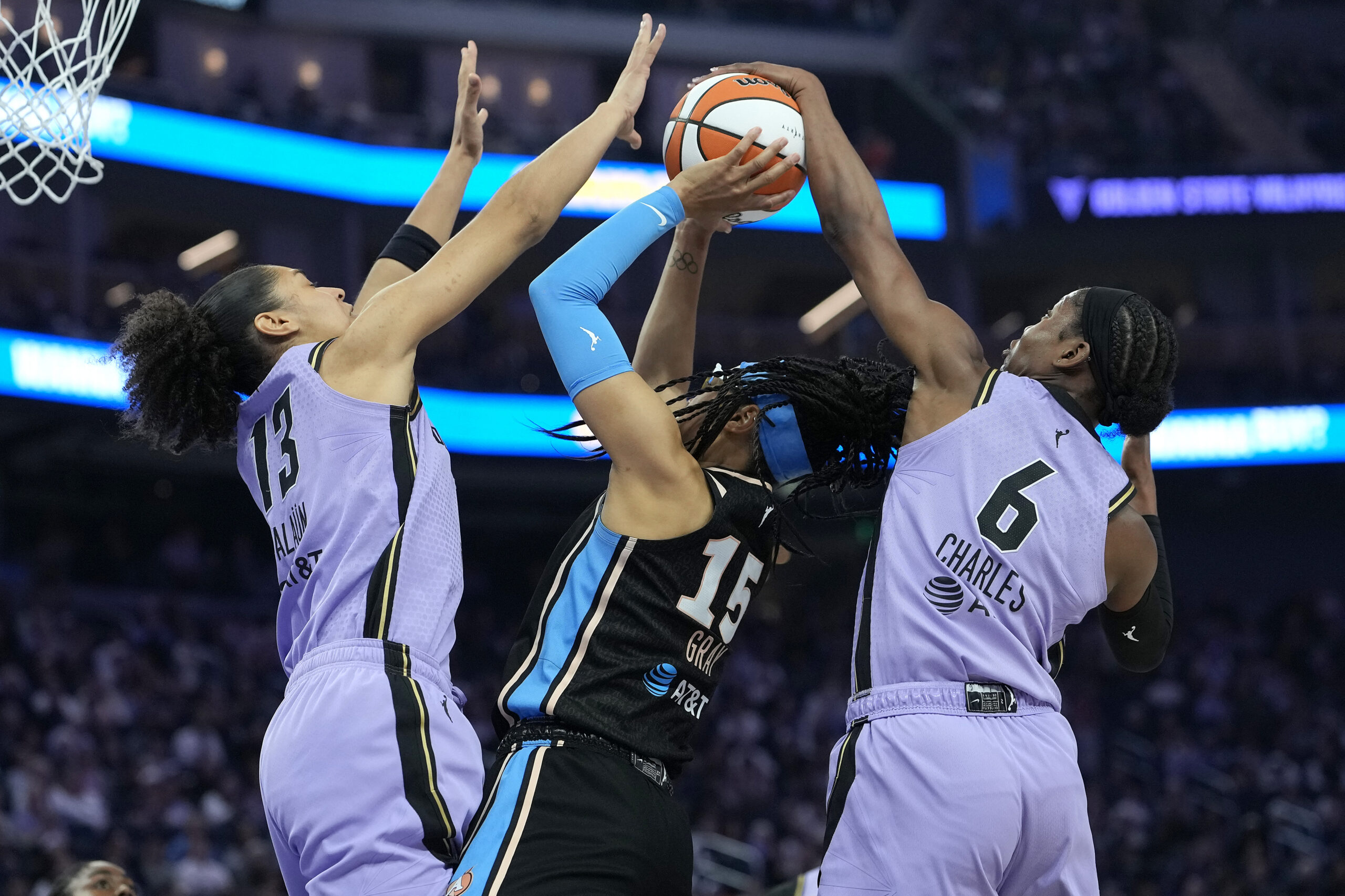
Reese supplied the headline line, but a 30-point performance does not explain why Atlanta won by 14. Allisha Gray scored 18 points, including three made three-pointers, giving the Dream a perimeter threat Golden State could not ignore while loading up around Reese. Jordin Canada added 13 points, 10 assists and seven rebounds, a near triple-double from the guard directing Atlanta's attack.
Canada's influence went beyond the box score. Her deep buzzer-beating three at the end of the third quarter provided a dramatic punctuation mark to Atlanta's strongest stretch, but the ten assists are the more repeatable ingredient. Golden State wants to turn every possession into an individual test against strong defenders. Canada helped Atlanta move the ball into favorable spots before the defense could reset, particularly once the turnover-fueled tempo started to build.
Golden State's response was much more fragmented. Gabby Williams, who had carried the Valkyries with 26 points in Game 1, finished with 14 on 3-for-15 shooting in Game 2. The team as a whole shot 34.4 percent from the floor and made seven of 24 three-point attempts. Those numbers explain why even solid defensive possessions were not enough to sustain a comeback. Missed shots repeatedly handed Atlanta chances to run, and Golden State rarely strung together the clean offensive possessions needed to reduce the deficit.
The Valkyries still found useful contributions outside their leading scorer. Kiah Stokes collected 11 rebounds and blocked four shots, while Kaila Charles hit three three-pointers. Golden State's bench outscored Atlanta's reserves 33-11, consistent with the depth that helped the expansion franchise reach the Finals in only its second season. But that advantage could not offset the starters' struggles or the turnover gap.
The contrast leaves Golden State with a clear tactical question. It can continue trusting its defensive identity, but it also needs a more reliable method of getting Williams into favorable positions and making Atlanta defend the entire floor. If the Valkyries must rely on late-clock jumpers against a set defense, Reese and Howard will be free to dictate the game's physical terms again.
Game 3 in Atlanta will test whether this was a reset or a turning point
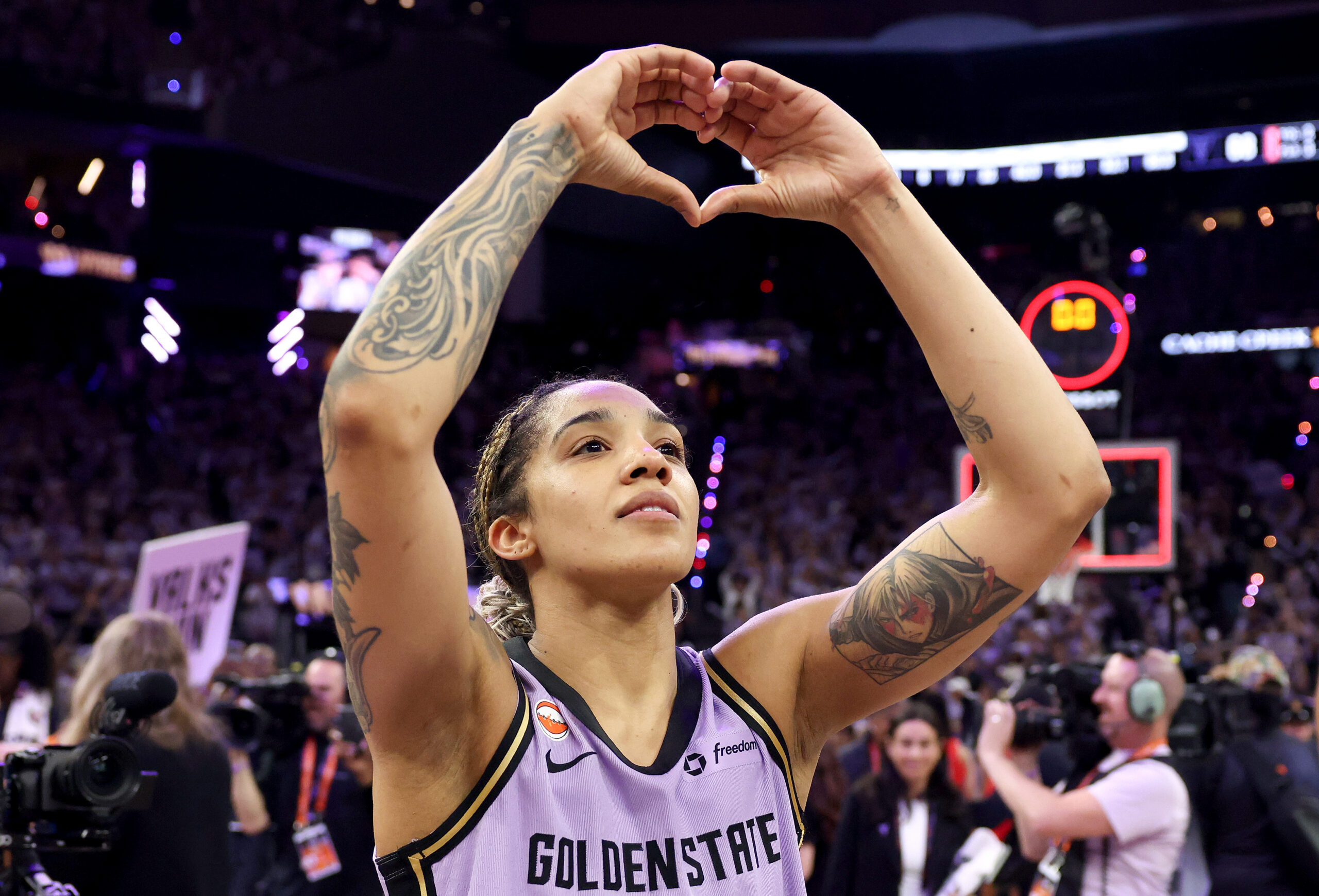
Atlanta has taken away Golden State's opportunity to seize a 2-0 lead at Chase Center, but one road victory is not the same as controlling a seven-game series. The Dream and Valkyries are tied 1-1, with Game 3 scheduled for Wednesday, October 21, at 8 p.m. Eastern. The next two games are in Atlanta at State Farm Arena, a much larger venue than the Dream's usual Gateway Center Arena. A sellout crowd should give Atlanta a different energy from the hostile atmosphere it faced in San Francisco.
The venue change has basketball implications only if the Dream maintain their on-court discipline. Atlanta cannot count on 24 points off turnovers every night. Golden State coach Natalie Nakase will have film showing where her team's ball handlers exposed the ball, how Reese found space and why the third quarter got away from them. Expect a stronger emphasis on passing angles, getting into offense earlier and keeping Howard from turning deflections into open-court chances.
For Atlanta, the first priority is to keep Reese involved without making the attack predictable. Golden State still has the size and rim protection to contest her, as Stokes' four blocks showed. The Dream can make those matchups harder by moving Reese between interior touches, screens and second-chance opportunities, rather than asking her to score against a crowded paint on every possession. Gray's perimeter shooting and Canada's playmaking are essential to that balance.
Golden State also has a genuine strength to lean on. Its reserves won the bench scoring battle decisively in Game 2, and the club finished the regular season 32-12 behind a defense that ranked first in the league. A 14-point Finals loss does not erase that foundation. But the Valkyries must convert stops into their own efficient possessions instead of allowing Atlanta's defense to dictate the pace of the next play.
The stakes have shifted from whether Golden State can defend home court to whether Atlanta can turn its first Finals win into sustained momentum. Both clubs are chasing the first championship in franchise history. After Reese's response and Howard's record-setting disruption, the series is now a live argument about which defense can create enough offense to survive four wins.

Game 2's defining number was not only Reese's 30 points. It was the combination of her 16 rebounds, Howard's six steals and the 24 points Atlanta scored from Golden State turnovers. Those numbers explain how a tight 39-37 halftime game became a convincing 79-65 win — and why the Dream finally claimed the franchise's first Finals victory.
Golden State has a legitimate counter: protect the ball, get Williams cleaner looks and make its bench advantage matter without surrendering the paint. Atlanta has the momentum and two home games ahead, but it still needs the same focus that turned Monday's third quarter. Game 3 will show whether Reese's masterpiece was a one-night correction or the beginning of a genuine championship swing.
Shop GOATIFY WNBA products from the WNBA-filtered basketball collection.