Arsenal Are Talking to Nusa's Camp. Leipzig Could Demand €100m.
GOATIFYArsenal are being linked with a winger whose value keeps rising faster than the window approaches. The latest reports say the Premier League champions have held preliminary discussions with the representatives of RB Leipzig's Antonio Nusa, with scouts watching the Norwegian closely. That is a meaningful sign of interest, but it is not an agreement with Leipzig, a formal bid or a transfer that is ready to be announced.
At 21, Nusa has begun the 2026-27 season with the sort of production that makes expensive recruitment departments listen: four goals and seven assists in nine Bundesliga appearances, and six goals plus eight assists in 15 matches across competitions. Leipzig's reported valuation is already in the €70 million to €90 million range, while a continuation of this form could push their expectations beyond €100 million.
For Arsenal, the question is not simply whether Nusa is talented enough. It is whether the left flank is worth another extraordinary investment, how quickly a direct dribbler would fit Mikel Arteta's system and whether there is any realistic route to a deal before the summer of 2027. For Leipzig, it is a question of leverage: their most exciting wide attacker is developing in real time, and they have little incentive to sell him cheaply while the season is still running.
Arsenal's scouts have reason to watch — but watching is not a deal

The latest transfer update places Arsenal in an increasingly active position. Reports describe preliminary contact with Nusa's representatives and scouting visits to his recent games. Those are the kind of steps clubs take when they are narrowing a shortlist, but they can also be part of normal due diligence on a highly rated player. The distinction matters: there is no confirmed fee, no completed agreement with the player and no indication that Leipzig have accepted an approach.
What has changed is the evidence on the pitch. The Bundesliga's current figures credit Nusa with four goals and seven assists from nine league appearances. Across 15 competitive outings, the reported total is six goals and eight assists. A player producing at that rate is no longer being evaluated only on the promise he showed as a teenager at Club Brugge. He is helping decide matches now, at an age when he should still have substantial room to improve.
Leipzig's 2-0 win at Schalke on October 31 offered a particularly clear example. Nusa scored the opener from the penalty spot and created the second for Rômulo. The club's match report identifies him as directly involved in both goals. That combination of scoring and supplying the final pass is precisely what attracts elite teams: it suggests a winger who can do more than beat a full-back and deliver an aimless cross.
There are caveats worth keeping in view. Nine league appearances are a short sample, and goal contribution totals alone do not show whether those chances were consistently repeatable. They say nothing about the quality of decisions made when space disappears or whether a player will be equally effective against organised Premier League low blocks. The early months are an excellent audition, not a guarantee that a large transfer will work.
Nusa's Champions League appearances provide a different test. In Leipzig's November 4 loss to Manchester City, he scored against elite opposition, strengthening the impression that the attacking threat is not restricted to easier domestic fixtures. But the result was still a defeat, a useful reminder that an individual performance can be compelling without making the surrounding team unbeatable. Scouts will be studying his positioning without the ball, speed of circulation, work against two defenders and durability through a demanding schedule as closely as the highlight clips.
GOATIFY
GOATIFY Soccer
Explore GOATIFY Soccer designs as Nusa's current Bundesliga production puts elite wide attacking talent in the spotlight.

Corner FC Arsenal Parody Football London Fans Tee
A football fan design for everyday wear.
Shop Now ↗
Park The Bus Arsenal Parody Football Decal Sticker
Add football personality to your favourite gear.
Shop Now ↗

Manchester Shitty Toilet Parody Crewneck Sweatshirt
A football fan design for everyday wear.
Shop Now ↗

Nevereton Everton Parody Football Liverpool Hoodie
A football fan design for everyday wear.
Shop Now ↗That last point is particularly relevant because Leipzig managed his workload around the Augsburg game after a physically heavy run of fixtures. A winter purchase would demand instant adaptation in the middle of another packed calendar. The more sensible case for acquiring Nusa may be based on what he can become over several seasons, rather than the idea that one explosive winger can solve every attacking problem in January.
Nusa's directness answers a real Arsenal question, but creates others
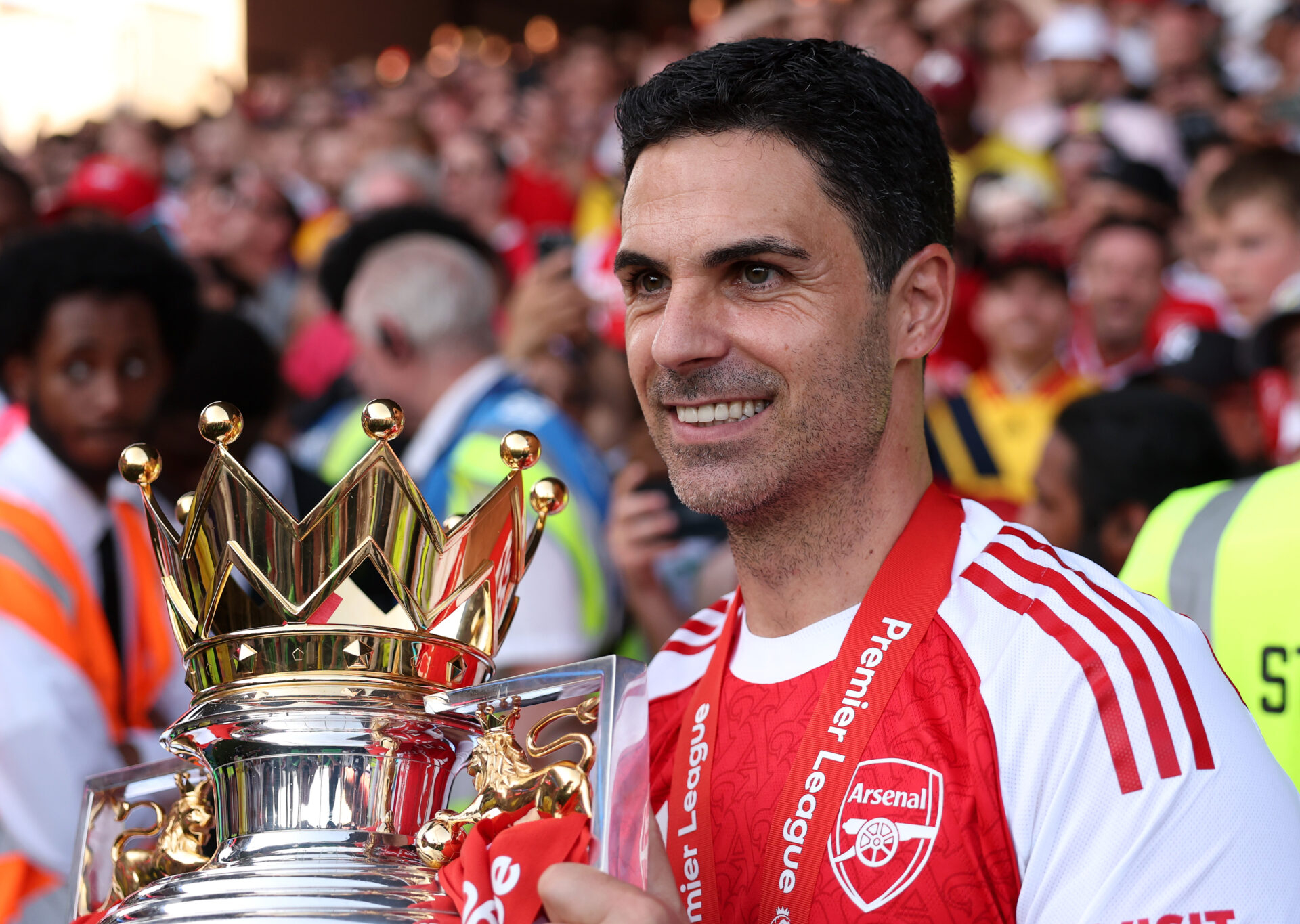
It is easy to sell the idea of Nusa to supporters using nothing more than his acceleration. He is a right-footed attacker who prefers to threaten from the left, carry possession aggressively and force his direct opponent to make an uncomfortable choice. Stand off him and he can advance into shooting or passing range; step in too early and he can burst into the space behind. That is a valuable weapon for any team facing compact defensive blocks.
For Arsenal, however, the left-wing role is not a blank rectangle waiting for a dribbler. Arteta asks wide players to manage the distance between themselves and the overlapping or underlapping full-back, protect the passing lane back inside and retain enough defensive discipline that an attack does not become a counterattack against his own team. A winger can win five spectacular duels and still leave the coach dissatisfied if the rest of his choices repeatedly unbalance the side.
Nusa would offer a different type of threat alongside Bukayo Saka on the opposite flank. Saka's intelligence in combination play and consistent delivery have made him a foundational part of Arsenal's attack; the value of an elite left-sided carrier would be in preventing opponents from overloading that familiar right-sided route. Two genuinely dangerous wide outlets can stretch a back line enough to create central openings for the striker and attacking midfielders.
That argument is stronger than simply claiming that Nusa must be better than the existing options. Arsenal brought Christos Tzolis into the squad during the summer, and the club also has to balance minutes across established attackers. Recruitment is not a video-game exercise in collecting the highest-rated players: minutes, tactical roles, player development and salary commitments all have consequences. An expensive signing needs a clear job description before he needs a presentation video.
There is also the pressing transition. Leipzig can give Nusa the freedom to attack particular moments with space around him. At Arsenal he might regularly receive the ball against a settled five-man line, with a defender close and a second opponent waiting inside. The level of difficulty is different. His best next step may be improving the speed of the pass after the first dribble, not increasing the number of dribbles. That is the kind of refinement a strong coach can teach, but teaching requires time and tolerating imperfect decisions.
Arteta has shown he can create a demanding collective structure around exceptional individual talent, and Arsenal's domestic success makes the project attractive. Yet that success also raises the standard for a recruit. Nusa would arrive at a club expected to win now, not somewhere guaranteed to give him a full season to experiment. If Arsenal are truly moving toward him, the most intelligent justification is that his upside and skill-set fit an identifiable future role. The weakest justification would be that another club might buy him first.
GOATIFY
GOATIFY Soccer
See GOATIFY football favorites alongside the tactical question of how Arteta could use a direct left-sided winger.

Anal Arsenal Parody Football Decal London Fans Sticker
Add football personality to your favourite gear.
Shop Now ↗
Jude Bellingham – Football’s Coming Home Sweatshirt
A football fan design for everyday wear.
Shop Now ↗
Kylian Mbappe Ninja Turtle Football Euro 2024 Hat
A football fan design for everyday wear.
Shop Now ↗


GLINEOS OUT Manchester United Protest Against Mug
Add football personality to your coffee break.
Shop Now ↗€100 million is a summer negotiating threat, not a January price tag
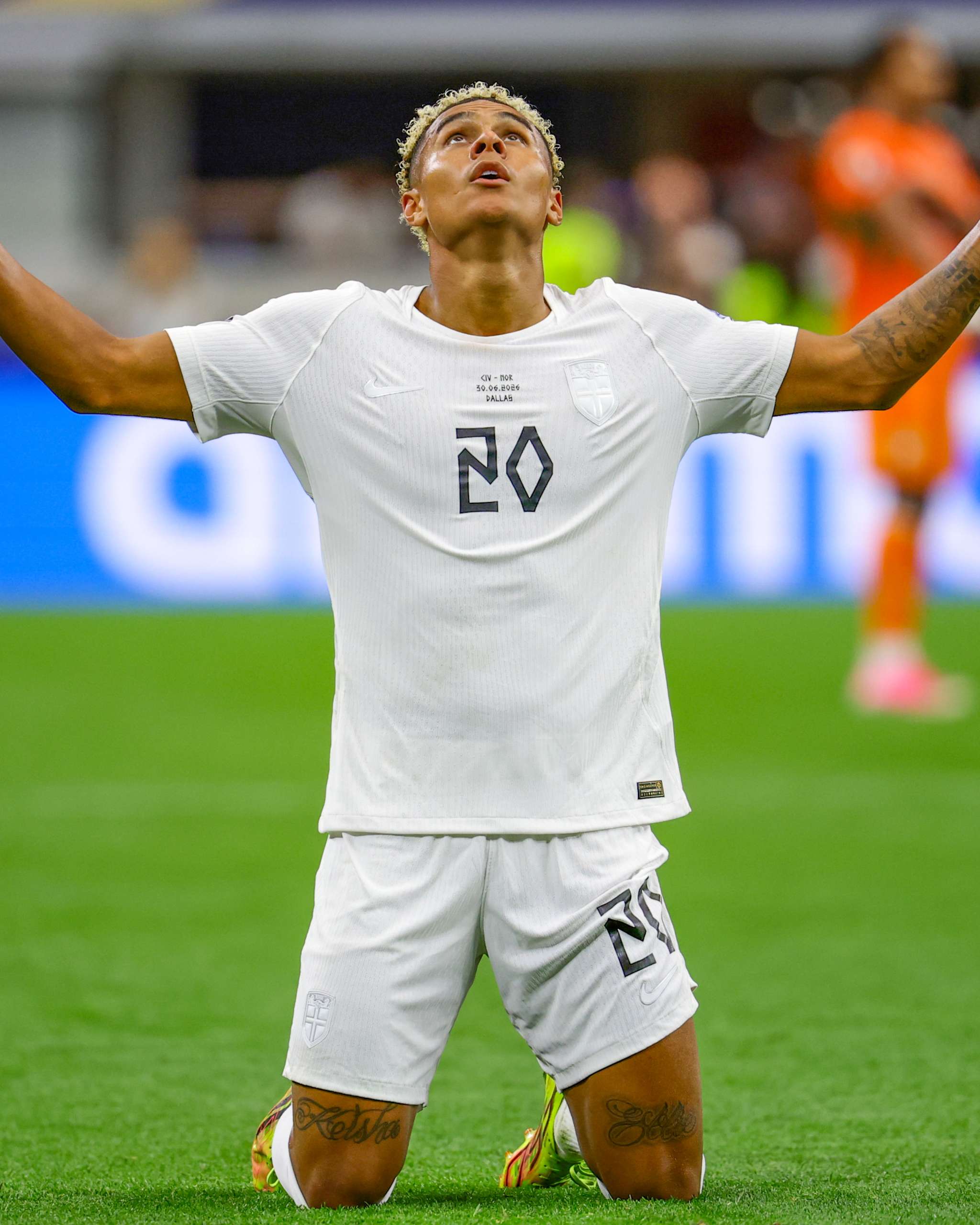
The money being discussed needs careful unpacking. Recent reports place Nusa's current potential transfer fee somewhere between €70 million and €90 million. The suggestion that Leipzig could eventually ask for more than €100 million is a forecast about what another productive six months might do to his market, not a document showing an accepted offer. Likewise, Leipzig's reported need to generate a substantial amount from sales next summer is a club-wide budget issue, not proof that the entire figure must come from Nusa alone.
Leipzig's bargaining position is helped by the details of the contract. Nusa is understood to be tied to the German club until 2029, and reports indicate that there is no release clause providing an easy fixed-price exit. A buyer therefore has to persuade the selling club directly. Leipzig can compare offers against the value of keeping a player who contributes goals, chances and commercial attention while they pursue Champions League qualification.
The recent jump in valuation also did not begin in September. Nusa arrived in Leipzig from Club Brugge in 2024 as a major prospect, and his displays with Norway at the 2026 World Cup gave him a much wider audience. International tournament performances are not the same as a full club season, but they can change the profile of a young player dramatically. When the subsequent club form backs up the excitement, agents and buyers are no longer negotiating over potential in the abstract.
That combination makes a mid-season deal particularly awkward. Leipzig would have to find a replacement after losing a central attacking outlet. Even a sizeable January payment may not compensate for the sporting cost of that disruption or the risk to European qualification. Reports from Germany have consistently pointed to the summer as the more plausible window, with a winter transfer requiring something unusually persuasive. Arsenal may genuinely be interested in accelerating the relationship without expecting the transfer to finish in January.
There is a sensible counterargument for waiting on the buying side too. Six more months will tell Arsenal whether Nusa can repeat his numbers as opponents adjust and whether he can manage the physical load without losing his explosiveness. That evidence could justify an enormous fee; it could also save the club from paying a peak valuation for a hot run. Waiting is not free, because rival bidders may arrive and a strong spring can push the asking price higher. But a disciplined recruitment department should want to pay for a conviction built on data and live scouting, not urgency created by headlines.
The next tangible milestones are therefore straightforward. Watch whether Leipzig receive a formal bid, whether a credible account of a player agreement emerges, and whether the club changes its stance on selling in winter. Until those events occur, the Nusa story remains a strong scouting and transfer-interest report. Arsenal can be the best sporting destination on paper, but the deal will be decided by economics, squad planning and timing just as much as by the winger's talent.
Arsenal's interest in Antonio Nusa is credible enough to take seriously, and his start to 2026-27 gives them a strong reason to keep watching. The production is real, the stylistic fit is intriguing and the asking price will only become more difficult to ignore if he continues at this pace. But there is a large distance between scouting a gifted winger and buying him.
The decisive question may be what Arsenal are willing to wait for. A January deal would demand an exceptional offer and immediate tactical integration; a summer move would permit a more complete assessment and negotiation, although not necessarily a lower fee. Nusa has already made himself one of the names to watch for 2027. Now he needs to prove that the season-long version of his game is worth the premium.
GOATIFY
GOATIFY Soccer
Shop GOATIFY soccer and football shirts, hoodies and stickers.


Kylian Mbappe Orange Ninja Turtle Michelangelo Sticker
Add football personality to your favourite gear.
Shop Now ↗

Make United Great Again Manchester United Hoodie
A football fan design for everyday wear.
Shop Now ↗

Kylian Mbappe Ninja Turtles Real Madrid Soccer Hat
A football fan design for everyday wear.
Shop Now ↗