

Dana White Planned a White House Fury–Joshua Reveal — Cardiff Won the Bigger Battle
GOATIFYTyson Fury was at the UFC's White House spectacle in June, but the biggest announcement Dana White wanted to make there never happened. White has now confirmed that he hoped to reveal Fury's long-awaited showdown with Anthony Joshua at the event. The plan unraveled before the cameras could deliver that moment.
Four months later, the heavyweight fight is on the calendar for December 11 in Cardiff, and White says he is involved in promoting and producing it despite a public dispute with Joshua's promoter Eddie Hearn. The most revealing part of White's latest account is not the missed publicity stunt. It is how the location, broadcast demands and competing promotional interests shaped a fight fans had waited years to see.
White's disclosure arrived as another complication emerged: local authorities are being asked to allow the main event to run deep into the early hours. The timing would suit viewers across the Atlantic while placing an unusual burden on the Welsh host city. Together, the missed reveal and the proposed schedule show how a straightforward sporting question — which heavyweight wins — has become a negotiation among fighters, promoters, broadcasters and local officials.
The White House announcement that never happened
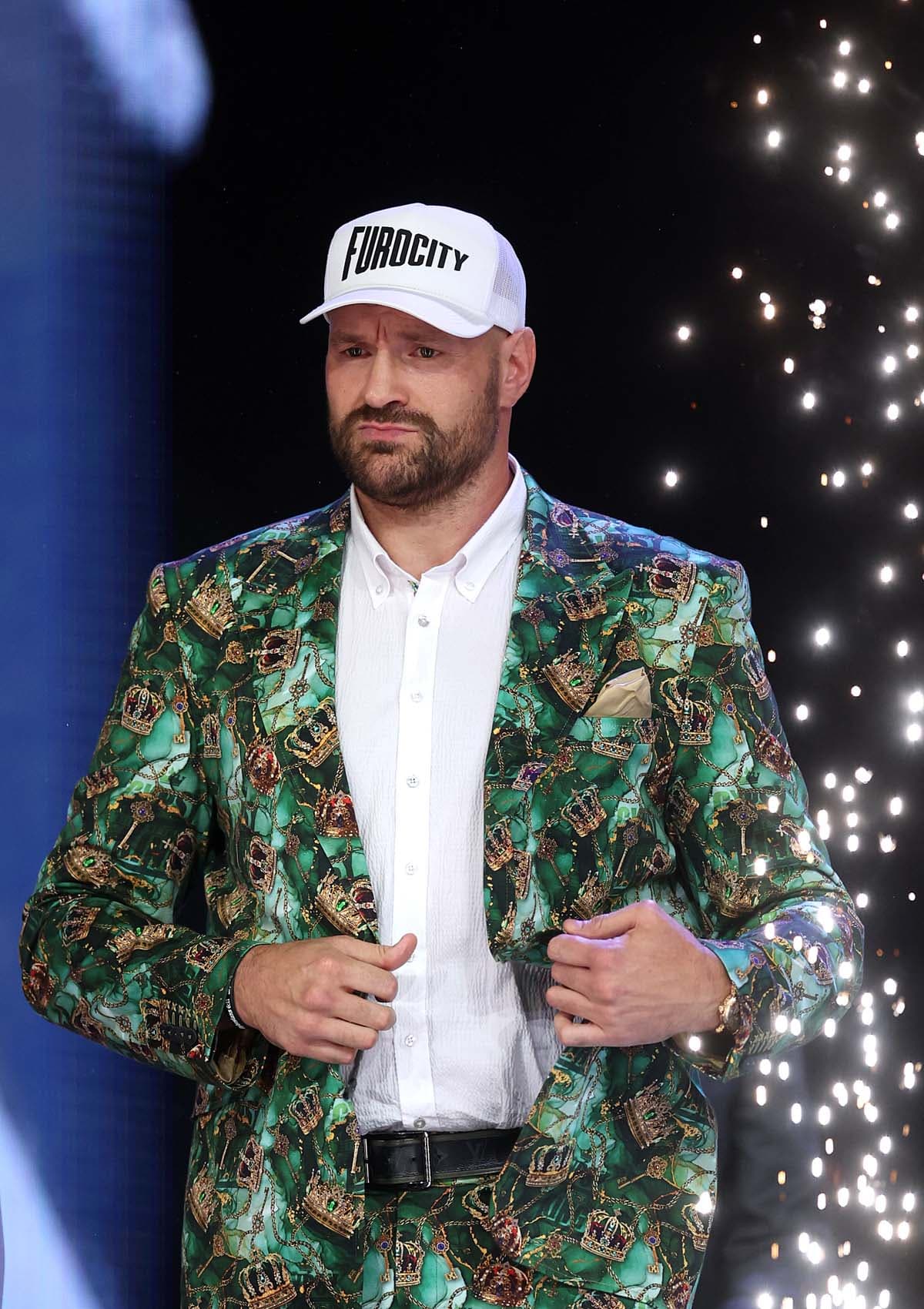
Fury's appearance at the UFC Freedom 250 event on the White House lawn in June looked like more than a celebrity cameo. He was visible at one of the most heavily promoted combat-sports events of the year, and the timing made sense for a major boxing reveal. Yet the show came and went without a formal Fury–Joshua announcement. The mystery has now become part of the story.
Speaking publicly on October 13, White acknowledged that an announcement had been intended for the White House event. He blamed unspecified behind-the-scenes complications for its collapse, without offering a detailed timeline or identifying exactly which agreement had failed. That distinction matters: White's account establishes his intention, not a fully documented explanation of who stopped the reveal.
The eventual launch was conventional by comparison. Fury and Joshua faced one another at a London press conference on September 30, giving the fight its own stage instead of borrowing the UFC's. The separation was probably inevitable once the negotiations over venue, representation and production became contentious. For a bout involving two heavyweight attractions, every participant wanted a say in how the first public moment would look.
From a promotional standpoint, the White House reveal would have been extraordinarily valuable. It would have connected a British heavyweight rivalry with an American spectacle and instantly created global conversation. But the price of that reach may have been surrendering control over the message. The fight's eventual rollout suggests the stakeholders preferred an announcement they could shape together, even if that meant missing an unprecedented stage.
Why Joshua and Hearn won the venue argument
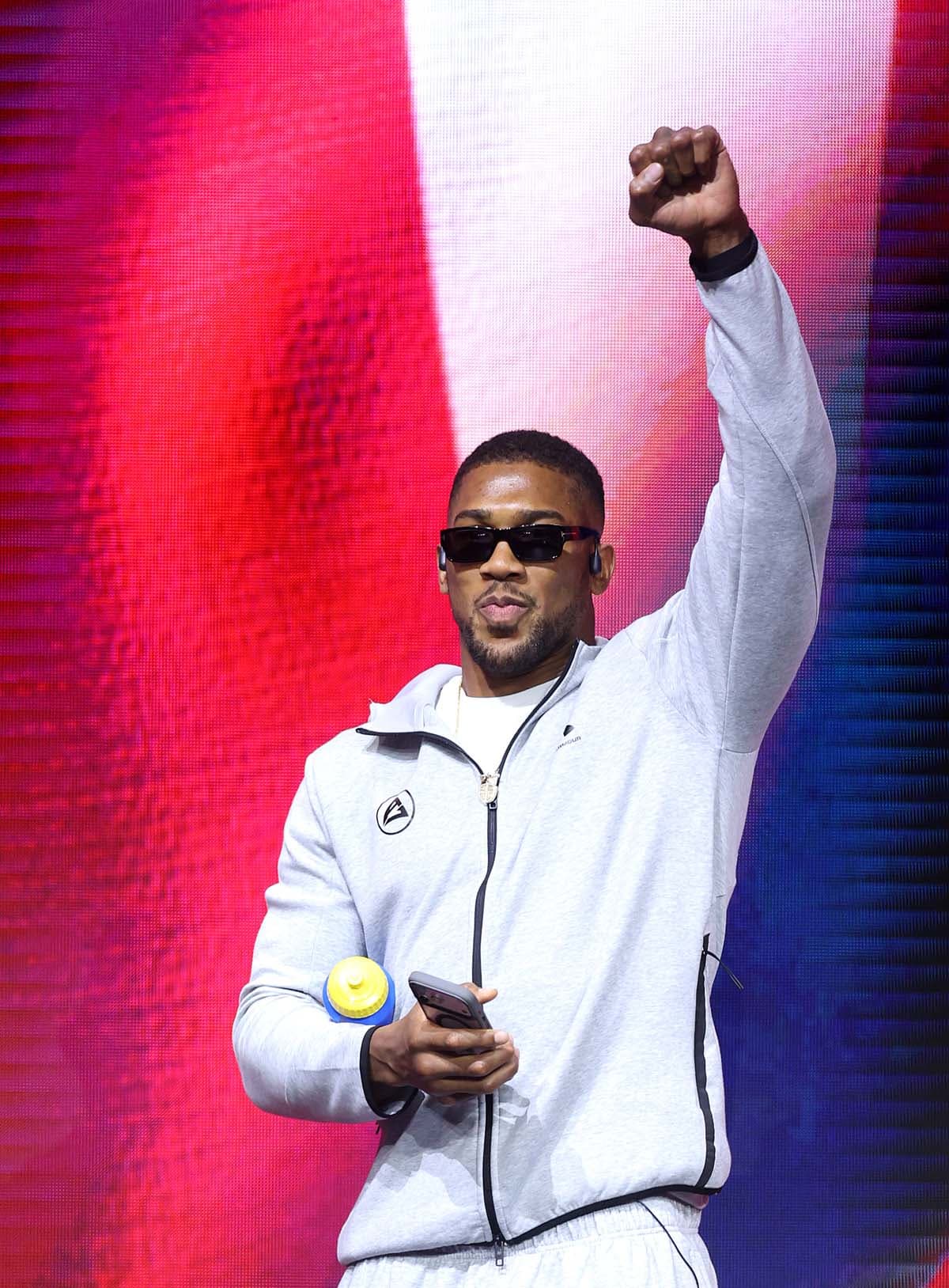
White wanted Madison Square Garden. Joshua and Hearn wanted the United Kingdom. The fight is headed to Principality Stadium in Cardiff, a result that says more about bargaining power than any exchange of insults between promoters. The boxers' home audience was central to the event's identity.
Fury comes from Manchester and Joshua from Watford. Their rivalry has been discussed for much of the past decade, and staging it before a large British crowd carries an emotional value that a New York venue cannot simply replicate. Madison Square Garden offers history, prestige and access to American media, but Cardiff offers the sense of a national sporting occasion. That matters when the two names on the bill are both British.
White has argued that a New York show could have sold strongly as well. That is plausible, but it remains a claim rather than a tested outcome. He described the Cardiff ticket launch as exceptionally strong, saying fewer than 700 tickets remained when he last checked. The venue's event configuration can change its usable capacity, so promotional sellout rhetoric should not be treated as a precise audited attendance figure.
Hearn's leverage was straightforward: Joshua was not just an attraction to be booked but a principal whose approval mattered. White may have brought production expertise and a new promotional platform, yet he did not control either fighter outright. The final venue illustrates a basic boxing truth. Even with enormous outside investment, the people representing the fighters still influence the terms that matter most.

Cardiff has another fight to win: the late-night schedule
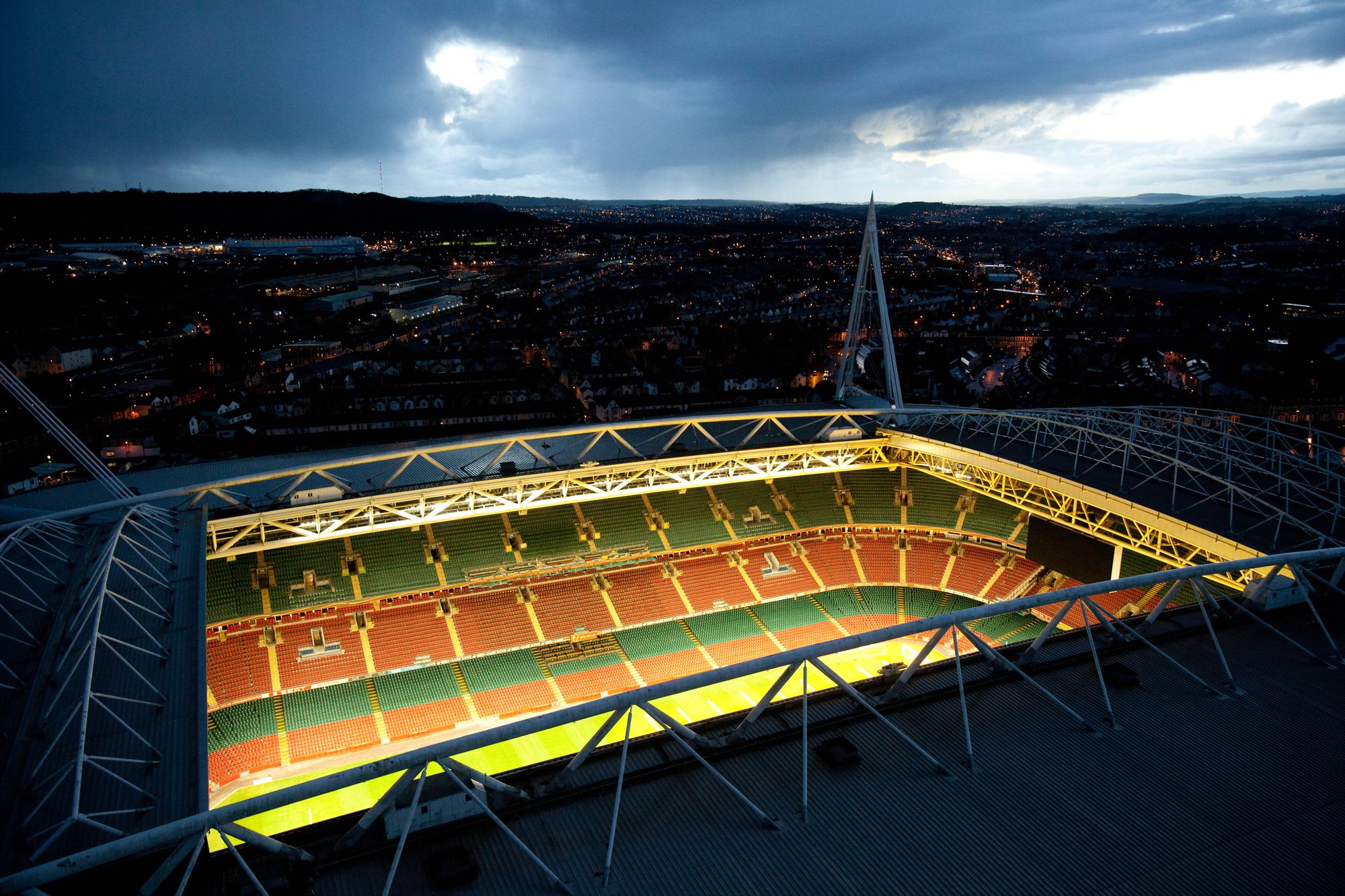
Choosing Cardiff did not end the negotiations. A separate application now seeks permission for a ring walk around 1 a.m. local time on December 12, according to an October 13 report. That is not a confirmed start time. It is a proposed arrangement requiring local approval, with the public and elected officials able to comment until November 3.
The timing reveals the commercial compromise behind the event. A 1 a.m. ring walk in Wales corresponds to 8 p.m. Eastern and 5 p.m. Pacific on December 11. Those are attractive viewing hours for an American audience watching through Netflix. The trade-off is obvious: the fighters, their teams, stadium staff and tens of thousands of spectators would be working through the night in Cardiff.
Current local rules require boxing and wrestling events to end by 1 a.m. The application seeks an extension until 3 a.m., with the venue potentially remaining open until 3:30 a.m. A related request covers alcohol service into the early hours. Each item turns a television-friendly start time into a practical question for local authorities, transport services, nearby residents and event organizers.
The venue itself is built for major occasions, but the proposed schedule is unusual even by big-fight standards. Fans travelling into Cardiff must think about late trains, hotels and the journey home. A delayed main event could make those questions harder. The organizers must also manage the normal uncertainty of a boxing undercard without losing the broadcast window that makes the proposed hour valuable.
This is why the scheduling application matters. The location battle produced a British homecoming, but the commercial model still leans toward American prime time. Whether Cardiff can comfortably accommodate both aims may be the final test of the compromise.
White's role exposes boxing's changing power structure
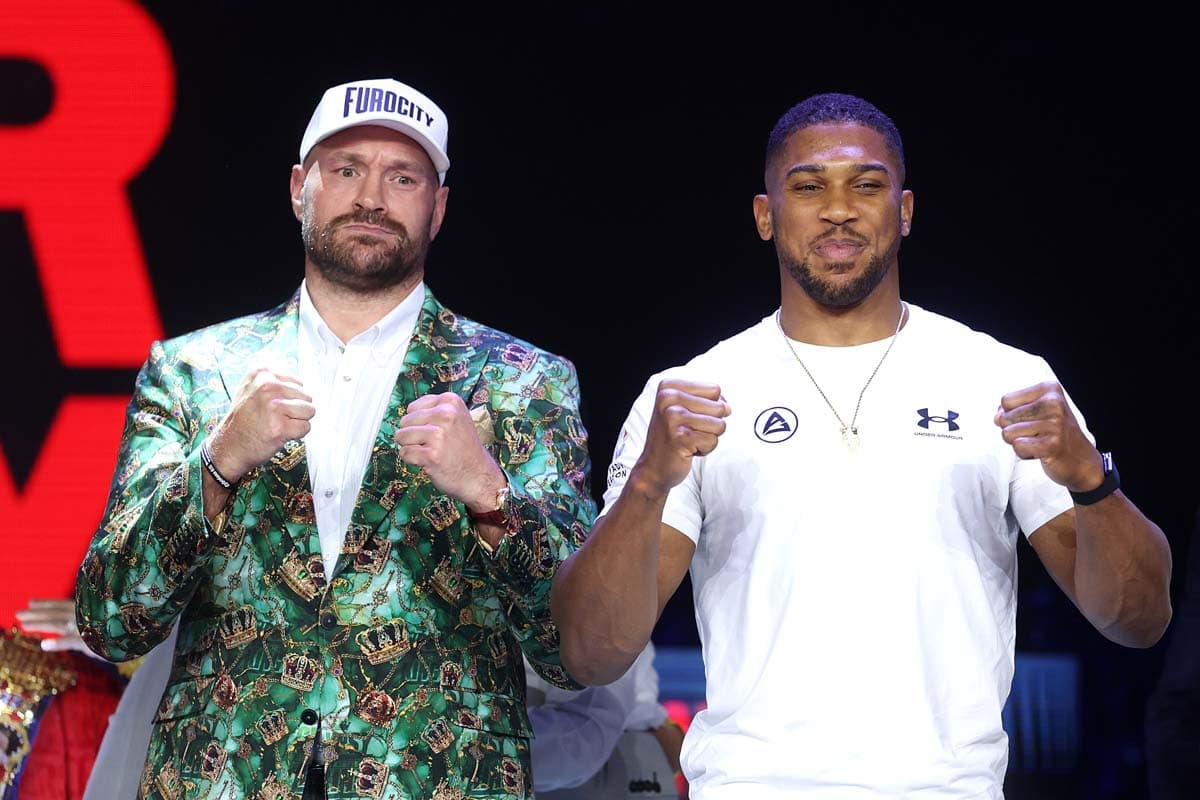
White's latest remarks show how complicated modern boxing mega-events have become. He says he is helping promote and produce Fury–Joshua, but his formal standing has been disputed. Eddie Hearn and Frank Warren remain prominent figures, while outside financing and a global streaming deal add more interested parties.
Those overlapping roles matter. One promoter can appear on event paperwork, another company can supply production expertise, a broadcaster can influence scheduling, and the fighters' representatives can negotiate venue and commercial terms. Disagreement about titles does not necessarily mean the event cannot happen. It means the partners must coordinate without having a single clear chain of command.
The failed White House announcement illustrates the challenge. In a centrally controlled sports league, a reveal can follow one organization's plan. Boxing's largest contests bring together separate businesses and individual stars. That can make even the announcement a negotiation.
Ultimately, the sporting questions are more compelling than the boardroom arguments. Fury's movement and adaptability will be tested against Joshua's power and straight punching. Neither boxer can settle those questions through interviews. Cardiff has the fight; the final answers belong in the ring.

The most important outcome is that Fury and Joshua are scheduled to meet in Cardiff on December 11, not that a White House announcement failed four months earlier. Still, White's disclosure explains why the route to that date was so complicated. This was a negotiation over who could present the fight, where it belonged and whose audience would shape its timetable.
Cardiff won the venue contest. The proposed late-night ring walk shows that the scheduling contest is still open. The final timetable should be described as provisional until local officials rule on the extension request. Fans planning travel should not confuse a proposed 1 a.m. ring walk with a confirmed schedule.
Once those decisions are settled, the heavyweight rivalry can finally be judged on punches rather than promotional power. That is the outcome worth protecting: a long-awaited meeting between two British stars, staged on home soil and watched around the world, with the contest itself finally becoming the main event.
















