Everton Dropped Grealish — Then Tore Newcastle Apart Without Him
GOATIFYEverton had a problem before a ball was kicked against Newcastle: Jack Grealish, their highest-profile creative player, was missing because of a club disciplinary decision. David Moyes could have spent the evening explaining why his team lacked invention. Instead, Everton produced one of their sharpest attacking displays of the season, winning 3-1 at Hill Dickinson Stadium on October 29 and advancing to the Carabao Cup quarter-finals.
James Garner struck first, summer recruit Hayden Hackney added his maiden Everton goal, and Thierno Barry finished a ruthless counterattack. Newcastle had spells of territorial control and enough chances to make the score uncomfortable, but Jordan Pickford and a committed back line held firm. The result was more than a cup win: it was a reminder that Everton can hurt strong opposition without depending on one headline name.
Garner and Hackney Turned Newcastle's Pressure Into Two Goals
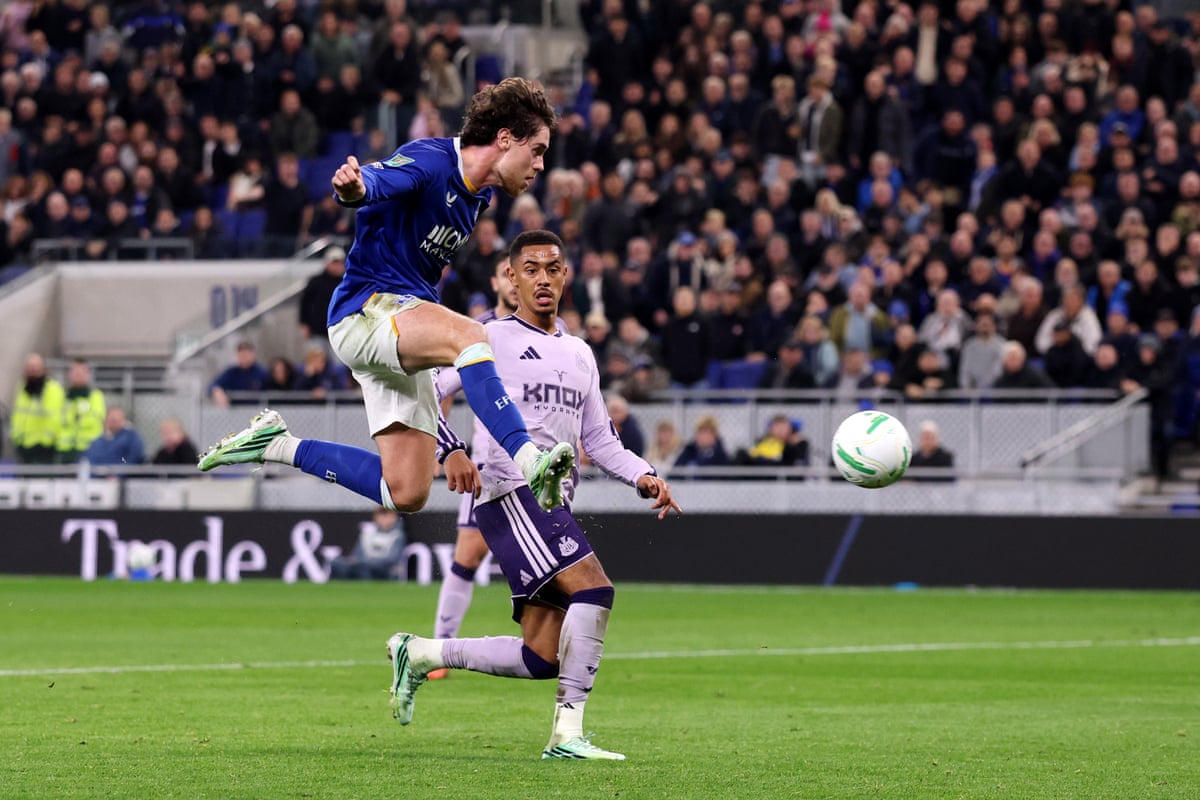
The scoreline suggests Everton controlled the night from start to finish. They did not. Newcastle's opening spell was assertive enough to make the home crowd anxious. Harvey Barnes found space, the visitors pushed Everton's defensive line backwards, and Jordan Pickford had to intervene before Moyes's team could establish any rhythm. Long deliveries toward Barry were not giving Everton a reliable route out. For a while, the match looked more likely to be decided by Newcastle's next attack than by a burst of Everton goals.
That is what made the 34th-minute opener so revealing. Tyrique George pressed Amar Dedic near the touchline and forced the sort of hurried decision that turns an apparently safe possession into a defensive emergency. Hackney reacted quickly, moved the loose ball into Garner's path, and Garner steered his finish into the far corner. It was his first goal of the season, but the finish was only the last piece of the move. George's work without the ball and Hackney's awareness created the opportunity.
For Everton, the goal offered an answer to a familiar question: how do you score when sustained possession is not your strongest weapon? The answer was to make the opponent's possession dangerous for the opponent. Instead of waiting for Newcastle to complete another attack, Everton attacked the transition itself. A midfield that had looked overrun suddenly looked purposeful, because the players were positioned to exploit loose touches and retreating defenders.
The second goal, arriving just before half-time, made that identity even clearer. Pickford collected a Newcastle attack and released the ball rapidly toward Dewsbury-Hall. The midfielder carried it into space, was impeded, and the referee allowed the attack to continue. Barry reached the ball on the left and delivered across goal, where Hackney arrived to guide it past Lukas Hornicek. Newcastle hesitated at the prospect of a foul; Everton kept playing. That difference in reaction time was decisive.
Hackney's finish mattered personally as well. The former Middlesbrough midfielder had arrived with a strong Championship reputation but was only making his third Everton start. A first goal in a major cup tie is a far more convincing case for regular selection than any promise made during a transfer window. His contribution was not limited to the strike: he supplied Garner's opener, pressed intelligently and provided energy through the middle. This was the sort of performance that makes a manager rethink the pecking order.
Two goals before the interval did not mean Everton had suddenly become an irresistible possession team. It meant they had found a practical way to punish Newcastle's errors while protecting their own weaknesses. That is an important distinction. A cup tie can turn on a handful of high-value moments, and Everton were sharper in precisely those moments. Newcastle had more of the ball in dangerous areas; Everton had the cleaner decisions when chances appeared.

Moyes Dropped Grealish — and the Replacements Made Their Case
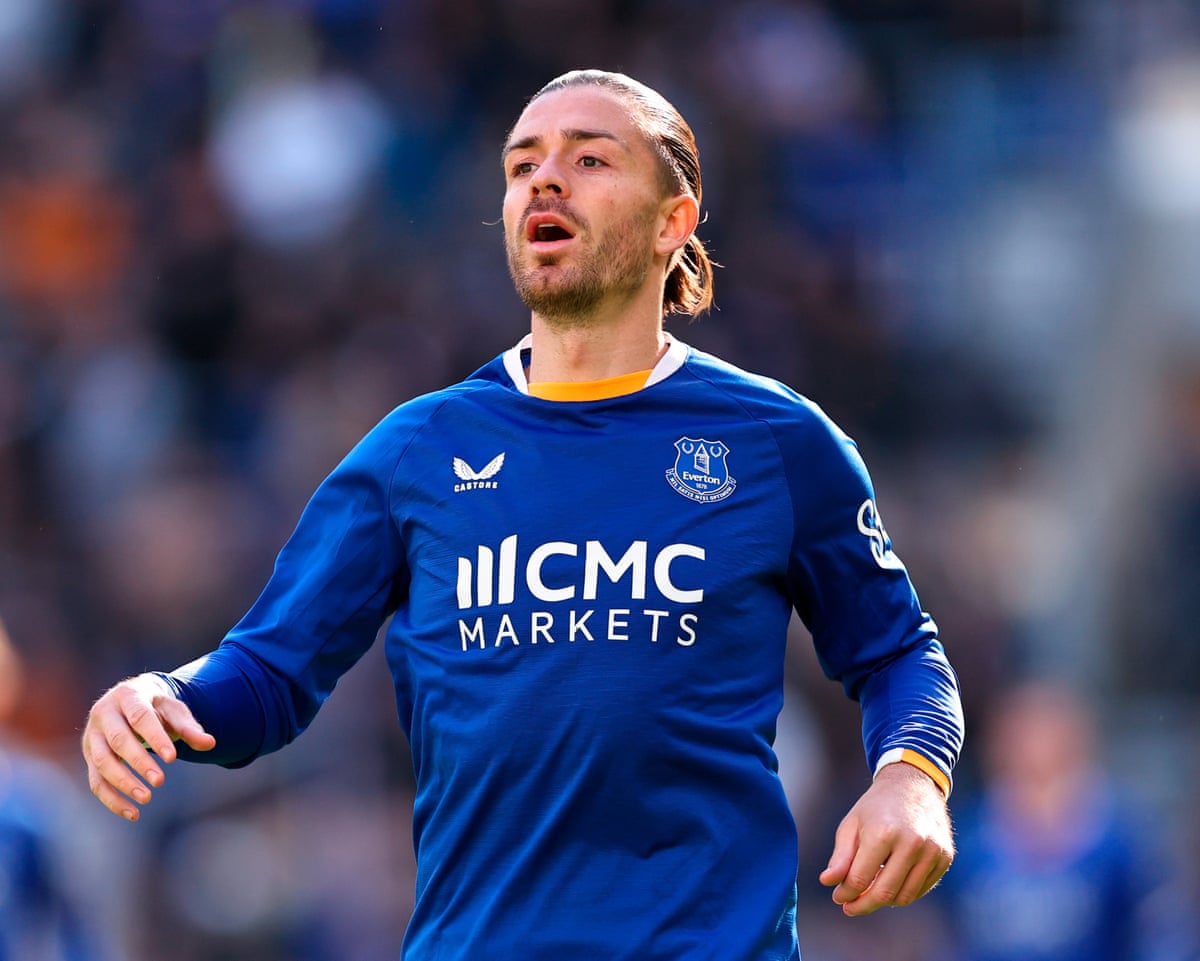
Everton did not disguise why Grealish was absent. The club said he was unavailable because of a breach of discipline. Reports indicated that he had missed a training session without permission earlier in the week, although Moyes declined to provide a detailed public account of the incident after the match. That distinction matters: the club's decision is confirmed, while the specific circumstances of the absence have been described through reporting rather than a full official explanation.
From a football perspective, leaving him out was a significant call. Grealish is on loan from Manchester City and carries a level of experience and name recognition few Everton players can match. His ability to retain possession under pressure is particularly useful when opponents dominate the ball. Newcastle did exactly that in the opening stages, and Everton might easily have missed his ability to slow a frantic game, draw fouls and connect the midfield to the attack.
But selection decisions are not made only on the basis of talent. A manager must establish standards for the squad, especially when form is inconsistent and younger players are waiting for opportunities. Moyes gave Hackney and Tyler Dibling starts, while George supplied the intensity that directly influenced the opener. Their response turned what could have been a damaging distraction into evidence that Everton have alternatives. It would be excessive to argue that Grealish's absence caused the victory; it is fair to say that his absence did not prevent it.
That difference should shape the discussion after the final whistle. Punishing a player is not a tactical masterstroke merely because the team wins once. Equally, the result cannot be dismissed as irrelevant to the manager's authority. Players watched Moyes enforce a standard against a major name, then saw teammates step into the available space and perform. A squad can draw confidence from both parts of that sequence, provided the rule is applied consistently rather than selectively.
There is another reason the decision carries weight. Grealish's loan has already become an important part of Everton's attacking plans, yet the club cannot afford to build its entire chance creation around his availability. Injuries, suspensions, fatigue and tactical matchups all demand other routes to goal. Against Newcastle, pressing from George, passing from Garner and Hackney, and the running of Dewsbury-Hall and Barry formed an alternative. That is useful even if Grealish returns immediately.
Everton were also without Jarrad Branthwaite under concussion protocols, so Moyes was not selecting from a perfectly healthy squad. The manager still found a lineup capable of competing physically and moving the ball decisively when possession changed hands. The next challenge is to reproduce that intensity when the headlines are quieter. A disciplinary episode can galvanize a team for one evening; a genuine change in performance requires the same standards and execution over weeks.

Pickford Held the Line as Newcastle Paid for Every Mistake
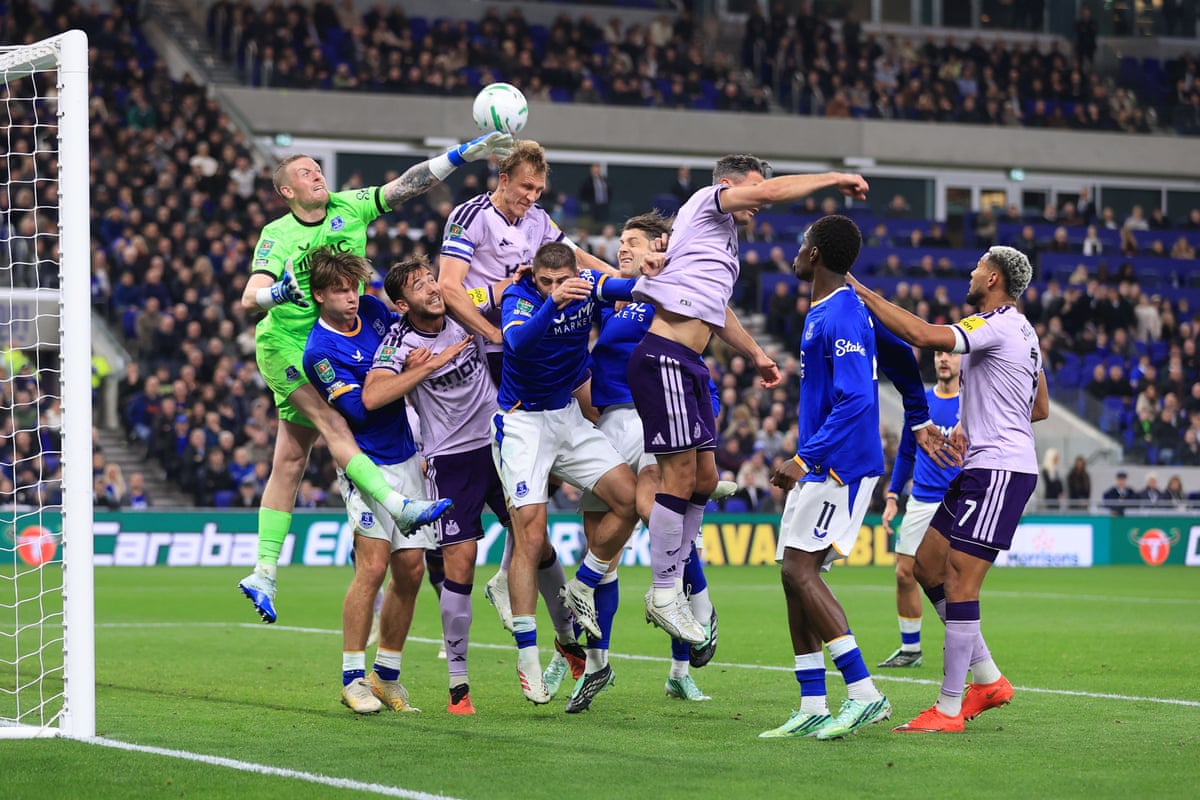
Newcastle can point to periods of pressure, a substantial shot count and the fact that Pickford had work to do. None of those observations is false. None changes the outcome. The visitors were too careless at the moments when a controlled attack became a turnover, and too wasteful when Everton's defence finally gave them a sight of goal. Possession and territory were not converted into the sort of finishing that forces an opponent to abandon its plan.
Pickford was central to Everton's resistance. He dealt with an early Barnes header, stayed alert when Newcastle attacked the channels and made important interventions after the interval. Just as valuable was his decision to distribute quickly when the opportunity appeared. The move for Hackney's goal began with the goalkeeper recognizing that Newcastle were stretched. In a game of transitions, a save can be the first pass of an attack rather than the end of a defensive sequence.
Newcastle coach Matthias Jaissle reacted at half-time with three substitutions, a clear signal that the first 45 minutes had fallen below the standard he expected. The changes gave the visitors more threat. Anthony Elanga, Yoane Wissa and others helped push Everton deeper, while Lewis Hall and Jacob Ramsey found openings. Yet Newcastle kept encountering a wall of blue shirts or Pickford's gloves. When a chance finally escaped the defensive pressure, the finishing often lacked composure.
The decisive third goal arrived in the 69th minute and demonstrated why Everton's approach was so punishing. Garner intercepted a pass and immediately released Dewsbury-Hall into the left channel. Rather than rushing a hopeful shot, the midfielder delivered a measured ball across the area. Barry had time to control, turn and finish. It was a well-constructed counterattack, but Newcastle's inability to protect the space behind its advancing players made it possible.
Barry deserves credit for the calmness of that finish. A centre-forward asked to contest long balls and work against physical defenders does not always receive service in ideal positions. Here he got the ball where strikers want it: inside the box, with a defender struggling to recover and a clear route to goal. His contribution to Hackney's earlier goal also showed he can be a creator in transition, not simply the target at the end of one.
Dan Burn finally scored for Newcastle in the 88th minute, heading in Joe Willock's cross. The goal produced a brief confrontation involving players from both teams, but it was consolation rather than the beginning of a realistic comeback. Newcastle had already allowed Everton to establish a three-goal cushion. The lesson for Jaissle is uncomfortable: a team can generate enough attacks to look competitive on a statistical sheet and still lose convincingly if its defensive transitions are poor.
Everton should not ignore the warning signs in that same evidence. Pickford will not save every difficult shot, and a stronger opponent may be less forgiving of long stretches without possession. The defensive resilience was genuine; so was the vulnerability that made it necessary. The best version of Moyes's side combines that determination with more sustained control, instead of relying on emergency defending and perfect counterattacks every week.

Fleetwood Is a Huge Opening — and a Trap Everton Must Respect
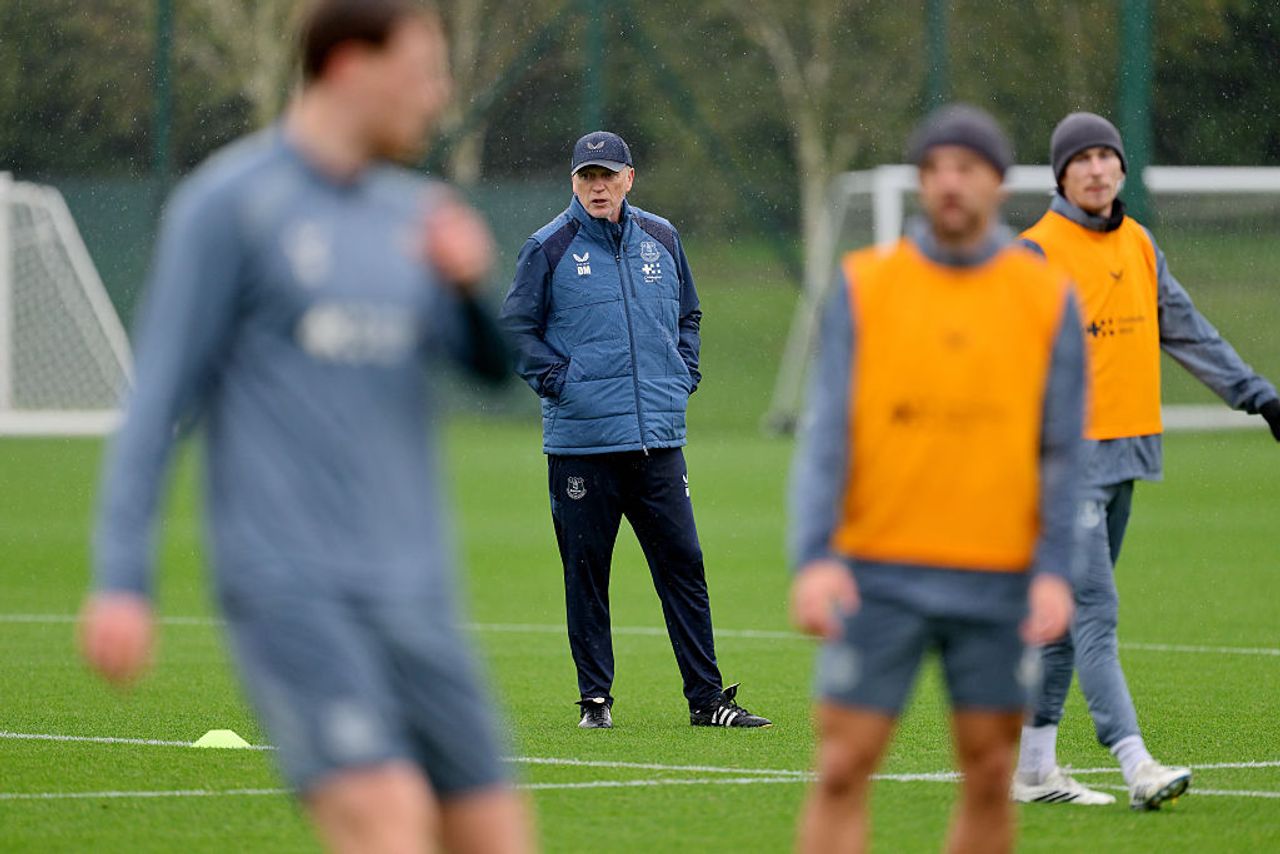
Everton's reward is an away quarter-final against Fleetwood Town in the week beginning December 14. On paper, it is an inviting draw. Fleetwood play in the fourth tier, while Everton have just eliminated a Premier League opponent with a recent history of winning this competition. A place in the last four is now close enough to imagine. The club has not reached a League Cup semi-final since 2016 and has never lifted the trophy.
But the name Fleetwood should come with a warning label. The Lancashire club reached this stage by eliminating reigning Premier League champions Arsenal on penalties after a 1-1 draw. That was not a routine lower-league result; it was one of the competition's standout shocks. Any Everton player who treats the next round as an administrative step toward a semi-final will be repeating the mistake that created this opportunity in the first place.
Cup football compresses differences in budget and reputation. One missed chance, one set-piece lapse or one nervous half-hour can undo months of planning. The away setting will add its own demands: a smaller ground, a home crowd eager to see another giant fall, and an opponent with little to lose. Everton will be expected to progress, which makes the psychological pressure very different from facing Newcastle. Against a stronger side, surviving spells without the ball can be admirable. Against Fleetwood, Moyes may need his team to dictate the match rather than simply endure it.
That makes the performance of the newer and younger players especially encouraging. Hackney's ability to find space and arrive in the box gives Everton another way to break down compact opponents. George's pressing creates turnovers, while Dibling can offer movement and direct running. Garner and Dewsbury-Hall can connect those pieces if the team moves the ball with patience. Everton will need more than one route to goal when Fleetwood sit deep and refuse to leave the same counterattacking spaces Newcastle offered.
The broader context is impossible to ignore. Everton's last major trophy came in the 1995 FA Cup, and a generation of supporters has grown up hearing about the club's history rather than celebrating new silverware. This League Cup route does not guarantee a final, let alone a trophy. It does, however, offer a tangible opportunity to change the conversation from survival, inconsistency and off-field distractions to something supporters can genuinely anticipate.
There is also no time to treat Thursday's result as a season reset by itself. Everton face Newcastle again in the Premier League on Monday, November 2, this time away from home. Jaissle will have immediate evidence of where his side went wrong, and Everton will have to show that the pressing, transitions and defensive concentration were not exclusive to a knockout tie. A league rematch is a more demanding test of whether Moyes has discovered a repeatable formula.
Grealish's status will inevitably remain a question in the build-up, but the selection debate should now be broader than one player's availability. Moyes has options who have earned consideration, and Everton have a cup path that rewards discipline as much as flair. The right lesson from Newcastle is not that a star must be excluded. It is that the rest of the squad cannot wait for a star to rescue it.
Everton's 3-1 win did not settle every concern about their league form or the Grealish disciplinary episode. It did show what a collective response can look like: Garner and Hackney seized their moments, Barry finished the most decisive counterattack, and Pickford gave the defence a platform. Newcastle created pressure but could not turn it into control of the scoreline.
Fleetwood now stand between Everton and a long-awaited semi-final. The draw is generous only if Moyes's team approaches it with the same urgency it showed against Newcastle. Thursday provided an opportunity. December will reveal whether Everton know how to take it.