

Merab Shot 58 Times. Petr Yan Still Won the UFC 333 Trilogy
GOATIFYMerab Dvalishvili attempted 58 takedowns against Petr Yan in Abu Dhabi. Five succeeded, but none changed the result. After losing the first two rounds on all three scorecards, Yan attacked the body, found room to strike and won the final three rounds to retain his UFC bantamweight championship at UFC 333 on October 24. Every judge scored the trilogy fight 48-47 for the Russian.
Dvalishvili's repeated entries disrupted the champion's offense early, but the takedowns rarely became sustained control. As Yan began punishing the transitions between shots, the challenger was still working furiously but earning less from each exchange. The fight became a study in the difference between enormous activity and consequential offense.
Merab won the opening rounds, but his takedowns never became control
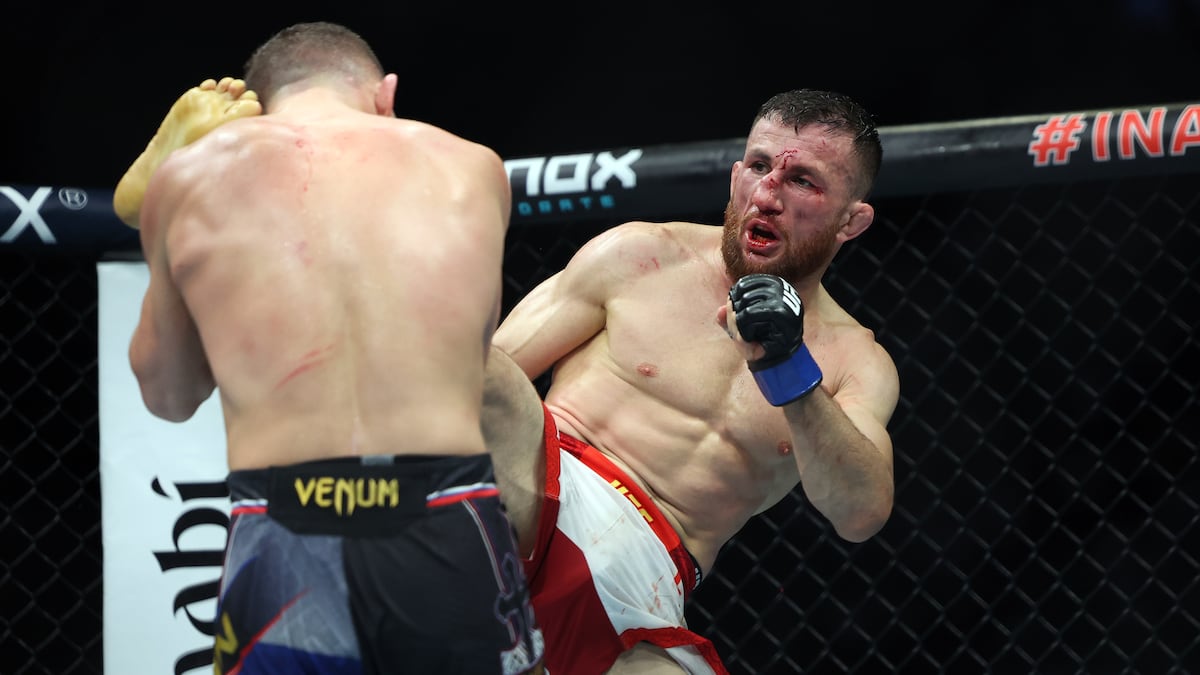
Dvalishvili began as though he wanted an endurance test rather than a clean striking contest. He mixed leg kicks and hard right hands with repeated level changes, forcing Yan to anticipate the next shot before committing to his own combinations. When a single-leg attack stalled, the challenger pressed forward, switched grips or reset and came again. The threat interrupted Yan's timing even when the wrestling did not produce long spells on the canvas.
Both opening rounds went to Dvalishvili on the official scorecards. His forward pressure and clean punches kept Yan from dictating where exchanges happened. Yet there was a limitation beneath that success: Yan repeatedly stood up quickly after being grounded and often broke contact before the challenger could consolidate position. A takedown lasting seconds can win a moment without controlling the rest of a round.
The statistics credited Dvalishvili with five completed takedowns from 58 attempts. That volume is extraordinary, but the conversion rate illustrates the cost of wrestling someone who anticipates the entry and refuses to stay pinned. Dvalishvili genuinely put himself ahead. The problem was sustaining the same exhausting approach for another 15 minutes while Yan still had room to change the fight.
Yan did not win the opening rounds simply by defending. Instead, he survived the most difficult tactical phase without surrendering enough control to abandon his plan. A two-round deficit creates a clear instruction: the remaining three rounds must be fought on different terms.

Yan's third-round body attack changed the cost of every wrestling entry
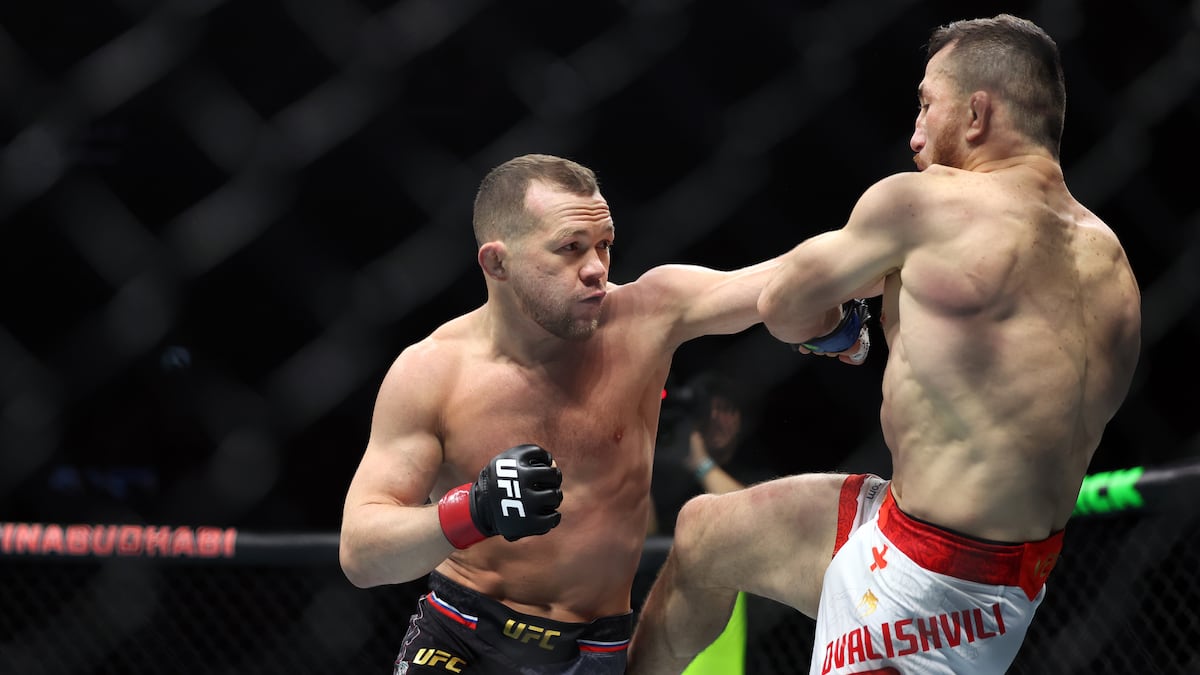
The comeback did not begin with a spectacular knockdown. Yan made a quieter adjustment that forced the challenger to pay for his entries. In round three he found harder left hands, followed them with kicks and punches to the midsection, and met forward movement with offense rather than only defensive reactions. A sharp body kick visibly interrupted Dvalishvili's rhythm. Another wrestling charge now carried a physical price.
Body work matters against a fighter whose entire system depends on continuous motion. Dvalishvili's greatest weapon is not simply completing takedowns; it is how successive attempts exhaust opponents and force mistakes. A strike to the ribs or liver can interrupt breathing and make each reset more expensive. Yan did not need to match the challenger shot for shot. He needed clean connections to make the same frantic pace less sustainable.
By round four the change was unmistakable. Yan advanced more often, placed his left hand behind the jab and attacked the body as Dvalishvili came forward. The challenger kept shooting, but the attempts increasingly looked like obligations rather than opportunities. When Yan defended, he could separate and punch instead of spending the next exchange scrambling to his feet.
Volume and impact are different currencies. Dvalishvili continued producing effort; Yan began producing clearer scoring moments. The third-round adjustment did not erase the early deficit. It made the remaining rounds a contest the champion was better equipped to win.
Fifty-eight shots, five takedowns: the defense behind the 48-47 comeback
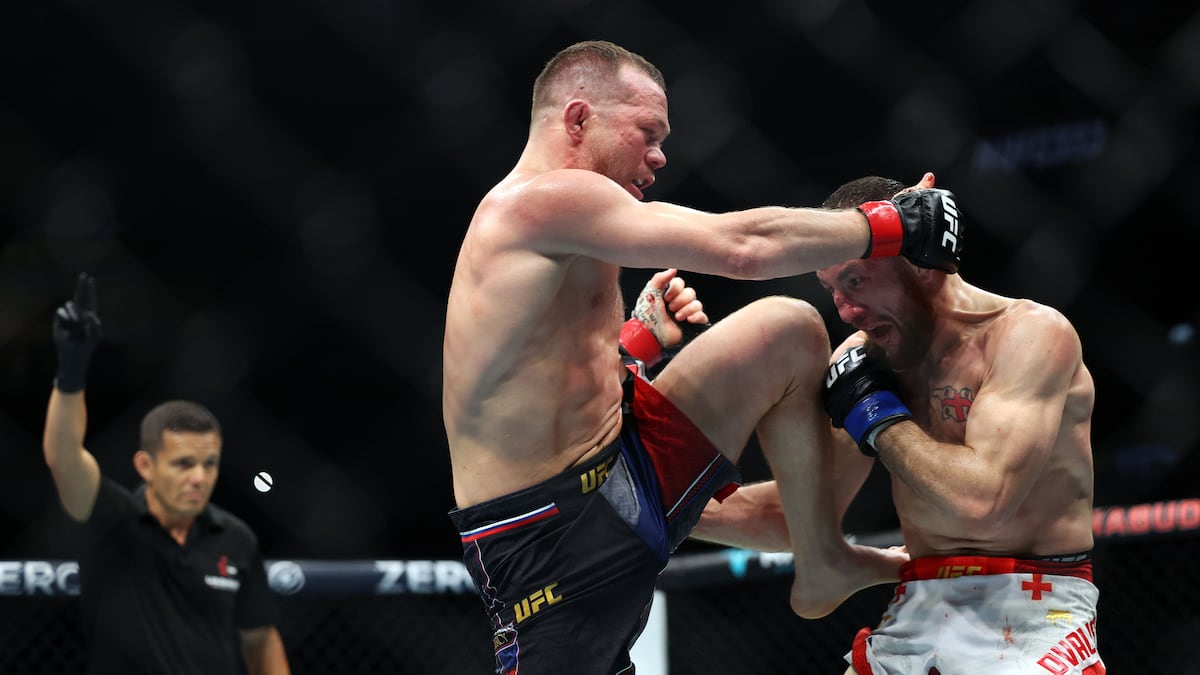
Defending a takedown is a chain of decisions: recognize the level change, establish balance, fight the grip, turn toward the cage when needed, stand if grounded and recover a stance before the next shot. Yan sustained that chain for five rounds against one of the division's most relentless wrestlers. He surrendered five takedowns, but Dvalishvili repeatedly failed to keep him in positions that would make those moments decisive.
Five successes in 58 attempts mean a conversion rate below nine percent. Failed shots are not automatically worthless; they can occupy an opponent and create openings for punches. Here, however, the volume became a warning sign as Yan grew more comfortable defending and countering. The challenger spent enormous energy creating moments that the champion could often neutralize immediately.
The final round sharpened the stakes. Yan's corner told him the bout was level after four, and he stayed patient through another wave of entries while continuing to land left hands and body attacks. Dvalishvili threw dangerous punches and never stopped chasing the fight. Yan's advantage was selecting the exchanges he wanted. He absorbed the pressure without letting pressure itself decide the score.
Three identical 48-47 scorecards underline how narrow the margin remained. This was no shutout, and calling the challenger helpless would misrepresent the first half. Yan won because he made a meaningful adjustment and sustained it through the championship rounds.

The trilogy is settled, but Yan's next challenger remains an open question
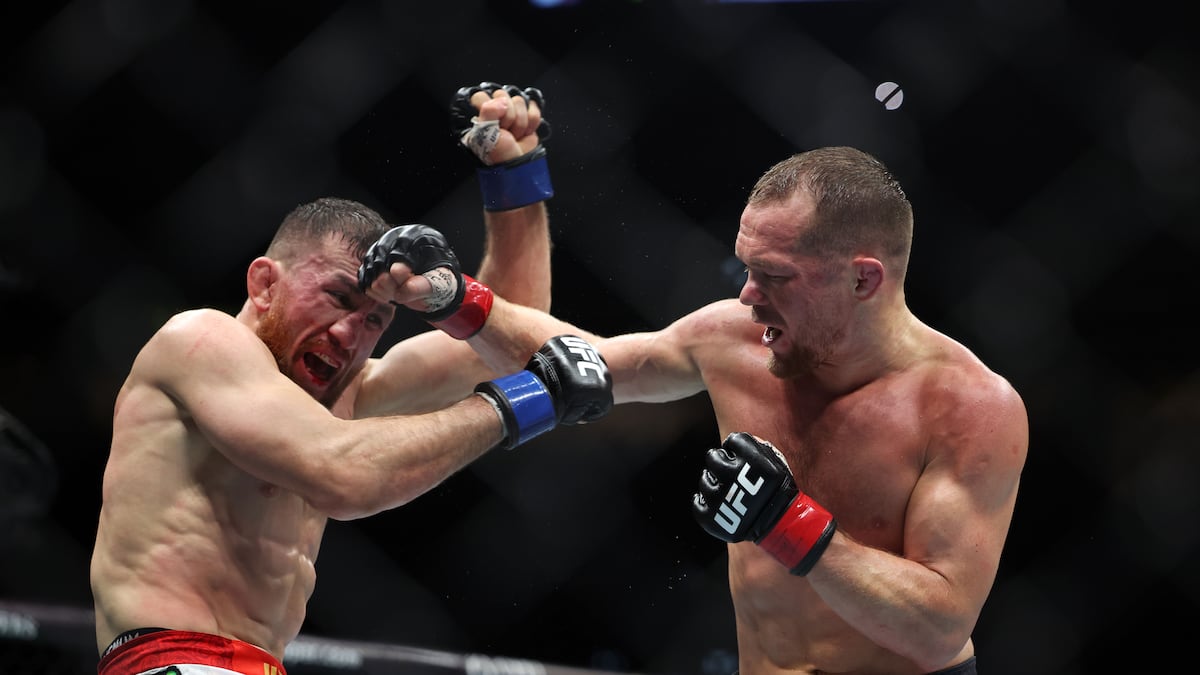
The head-to-head record now stands 2-1 for Yan. Dvalishvili dominated their first meeting in 2023, Yan reclaimed the championship in December 2025, and Saturday's third encounter gave the champion a second straight decision over his rival. The trilogy produced different tactical stories, but the latest chapter argues against immediately staging the same pairing again. Other contenders deserve consideration.
Yan said afterward that he would accept whichever opponent the promotion offered, explicitly naming Song Yadong among potential challengers. Sean O'Malley remains another compelling possibility: his split-decision victory over Yan in 2022 is unfinished business, and recent results keep him in the conversation. Neither matchup is signed. The UFC must weigh merit, timing, availability and the attraction of a fresh title fight.
Dvalishvili loses none of the qualities that made him champion. His engine, wrestling depth and willingness to face elite opposition remain formidable. But two straight defeats to Yan suggest the issue is not simply one poor night or an abbreviated camp. An opponent who repeatedly denies control and punishes entries has exposed a tactical question Dvalishvili must answer before a fourth meeting would be justified.
For Yan, the victory extends a recovery from a difficult career stretch. He rebuilt his standing through discipline, defensive improvement and sharper choices about when to attack. Retaining the belt against the man who once controlled him for five rounds does more than settle a personal rivalry. It establishes a style that future challengers must solve, whether they bring wrestling pressure, explosive striking or both.
UFC 333 will be remembered for Dvalishvili's 58 takedown attempts and Yan's composure in surviving them. The champion made his opponent's favorite route to victory progressively less profitable, then landed the more consequential offense when the scorecards demanded it.
The division has a clear champion and several credible directions for his next defense. No next opponent is confirmed. What is settled is the trilogy: after 75 shared minutes, Yan owns the final two decisions and the title.

















